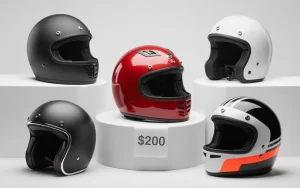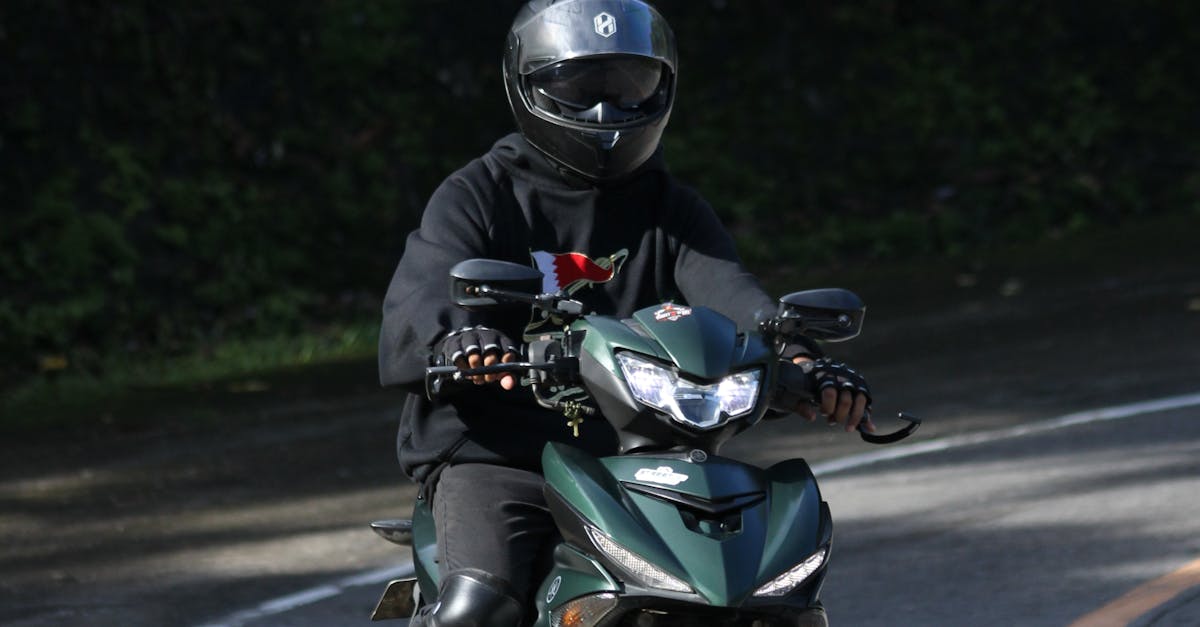
When you’re cruising down the highway or navigating city streets on your motorcycle, nothing matters more than the helmet protecting your head.
A quality motorcycle helmet isn’t just an accessory—it’s the single most critical piece of safety equipment that can mean the difference between walking away from an accident and facing life-altering consequences.
For a complete breakdown of protection standards and gear basics, check out our Ultimate Guide to Motorcycle Helmets.
According to the National Highway Traffic Safety Administration, helmets are approximately 37% effective in preventing fatal injuries to motorcycle riders, and choosing the best motorcycle helmet for safety should be every rider’s top priority.
In this comprehensive guide, we’ve meticulously researched and evaluated the top motorcycle helmets available today, focusing exclusively on safety performance, certification standards, construction quality, and real-world protection capabilities.
We’ve examined crash test ratings, safety certifications like DOT, ECE, and SNELL, impact absorption technologies, and user experiences from thousands of riders.
Our selection criteria prioritize helmets that offer superior protection through advanced materials, innovative safety features, and proven track records in accident scenarios.
Whether you’re a daily commuter, weekend warrior, or track enthusiast, this guide will help you find the best motorcycle helmet for safety that matches your riding style and budget while providing maximum protection when it matters most.
1. Shoei RF-1400
The Shoei RF-1400 represents the pinnacle of Japanese helmet engineering, combining decades of racing heritage with cutting-edge safety technology. This premium full-face helmet has earned its reputation as one of the best motorcycle helmet for safety options available, featuring an advanced multi-composite shell and sophisticated impact management systems that exceed multiple international safety standards.
Overview
Shoei’s flagship RF-1400 incorporates a proprietary AIM (Advanced Integrated Matrix) shell construction that utilizes multiple layers of different fibers to optimize strength while minimizing weight. The helmet features an expanded EPS liner with varying densities strategically placed to manage different impact scenarios.
The aerodynamic shell design has been refined through extensive wind tunnel testing and real-world racing applications. Shoei’s Emergency Quick Release System allows first responders to safely remove cheek pads in emergency situations. The RF-1400 meets DOT, ECE 22.06, and SNELL M2020 certifications, representing the highest safety standards in the industry.
The helmet’s construction focuses on managing both linear and rotational impact forces, addressing the two primary mechanisms of head injury in motorcycle accidents. With three shell sizes to ensure proper fit across all head sizes, the RF-1400 maintains its safety profile regardless of the rider’s measurements.
Key Features
- AIM Shell Construction: Multi-composite fiber matrix provides exceptional strength-to-weight ratio while maintaining flexibility.
- Multi-Density EPS Liner: Strategically placed foam densities manage different impact velocities and forces.
- Emergency Quick Release System: Specially designed cheek pad attachment system enables first responders to remove pads safely.
- 3D Max-Dry Interior: Moisture-wicking, fully removable liner system maintains comfort while ensuring consistent helmet fit.
Pros and Cons
Pros:
- Triple certification (DOT, ECE 22.06, SNELL M2020) provides confidence in comprehensive safety testing.
- Exceptional build quality with attention to detail in every safety-critical component.
- Excellent aerodynamics reduce neck strain and improve stability at high speeds.
- Wide range of sizes and three shell sizes ensure proper fit for maximum protection.
Cons:
- Premium pricing may be prohibitive for budget-conscious riders.
- Heavier than some carbon fiber alternatives, though weight is well-distributed.
Pricing The Shoei RF-1400 retails between $499 and $649 depending on the graphic design.
Best For The RF-1400 is ideal for serious sport riders, track day enthusiasts, and anyone who demands the absolute best motorcycle helmet for safety without compromise.
2. Arai Regent-X
Arai has built its reputation on uncompromising safety philosophy, and the Regent-X exemplifies this commitment. Hand-assembled in Japan with meticulous attention to detail, this helmet prioritizes protection above all other considerations.
Overview
The Regent-X features Arai’s signature strong, smooth, round shell philosophy designed to glance off impacts rather than catch and transfer rotational forces to the rider’s head. The complex laminate construction (CLC) shell combines multiple layers of proprietary materials hand-laid and cured to exacting standards.
Arai’s approach differs from many manufacturers by focusing on shell strength and shape rather than relying solely on liner technology. The helmet’s rounder profile may not win aerodynamic competitions, but it’s specifically engineered to deflect impact energy. Multiple EPS liner densities work in concert with the strong outer shell to manage impact forces.
The Regent-X meets or exceeds DOT, ECE 22.06, and SNELL M2020 standards, but Arai’s internal testing protocols are reportedly even more stringent than these certifications require. The helmet features Arai’s proprietary VAS (Variable Axis System) shield mechanism that’s designed to break away during certain impacts rather than transferring force to the rider.
Key Features
- Smooth Round Shell Design: Signature Arai shape engineered to deflect and glance off impacts.
- Complex Laminate Construction: Hand-laid fiber layers create a shell that’s both strong and flexible.
- VAS Shield System: Breakaway shield mechanism designed to detach during severe impacts.
- Facial Contour System: Innovative cheek pad design that enhances comfort while maintaining the helmet’s round external shape.
Pros and Cons
Pros:
- Uncompromising safety-first design philosophy backed by decades of research.
- Exceptional build quality with hand assembly ensuring consistency.
- Proven track record in professional racing and accident scenarios worldwide.
- Five-year warranty demonstrates manufacturer confidence.
Cons:
- Rounder shell design may create more wind noise compared to more aerodynamic competitors.
- Premium pricing reflects hand-assembly process and materials.
Pricing The Arai Regent-X is priced between $629 and $899, positioning it at the premium end of the market.
Best For The Regent-X is perfect for riders who prioritize safety above all other considerations and appreciate Arai’s methodical, research-driven approach to protection.
3. AGV Pista GP RR
Born from MotoGP racing technology and worn by world champions, the AGV Pista GP RR represents the cutting edge of motorcycle helmet safety innovation. This race-replica helmet brings professional-level protection to the street.
Overview
The Pista GP RR features a 100% carbon fiber shell construction in four sizes, ensuring optimal fit and weight distribution across the size range. AGV’s Extreme Safety construction process involves precise carbon fiber layup in a proprietary pattern that maximizes strength in critical impact zones while maintaining overall shell flexibility.
The helmet incorporates a dual-density EPS liner with specific zones designed to manage different impact types and velocities. AGV’s Integrated Ventilation System has been aerodynamically optimized not just for cooling but also for stability at racing speeds.
The helmet meets FIM homologation standards—the most stringent racing safety certification—along with DOT, ECE 22.06, and SNELL M2020 ratings. The aerodynamic shell shape has been refined through countless hours in wind tunnels and on-track testing, resulting in exceptional stability that contributes to safety by reducing head movement and neck strain during aggressive riding.
Key Features
- 100% Carbon Fiber Shell: Aerospace-grade carbon construction provides maximum strength with minimal weight.
- FIM Racing Homologation: Meets the most demanding safety standards in professional motorcycle racing.
- Integrated Ventilation System: Advanced airflow management keeps riders cool and focused.
- Microsense Premium Interior: Moisture-wicking, antibacterial liner maintains consistent fit throughout rides.
Pros and Cons
Pros:
- Race-proven protection used by professional riders in the most demanding conditions.
- Exceptionally lightweight carbon construction reduces fatigue.
- Superior aerodynamics enhance stability and reduce buffeting.
- Four shell sizes ensure proper fit across the entire size range.
Cons:
- Premium racing heritage comes with premium pricing.
- Aggressive racing fit may not suit all riders.
Pricing The AGV Pista GP RR commands a premium price range of $1,499 to $2,199 depending on graphics.
Best For The Pista GP RR is designed for serious sport riders, track day enthusiasts, and anyone who demands race-level protection for aggressive street riding.
4. Schuberth C5
The Schuberth C5 represents German engineering excellence in modular helmet design, proving that flip-up convenience doesn’t require compromising safety. This sophisticated helmet has earned recognition as one of the best motorcycle modular helmets for safety.
Overview
Schuberth’s C5 features a fiberglass matrix shell construction engineered to meet full-face safety standards even with the chin bar in the up position—a significant achievement in modular helmet design. The helmet’s locking mechanism has been rigorously tested to ensure the chin bar remains secure during impacts, addressing the primary safety concern with modular designs.
Advanced aeroacoustics make the C5 one of the quietest helmets available, which contributes to safety by reducing rider fatigue on long journeys. The helmet incorporates an anti-roll-off system that’s been validated through multiple impact scenarios to ensure the helmet stays in place during accidents.
Meeting DOT, ECE 22.06, and achieving the rare P/J rating (protective as both a full-face and jet helmet), the C5 demonstrates that modular helmets can deliver serious safety performance. The integrated antenna preparation for communication systems is thoughtfully designed not to compromise the helmet’s structural integrity.
Key Features
- Direct Fiber Processing Shell: Schuberth’s proprietary manufacturing process creates a fiberglass matrix shell with exceptional strength.
- ECE 22.06 P/J Rating: Rare certification confirming the helmet provides full protection with chin bar both down and up.
- Advanced Aeroacoustics: Industry-leading noise reduction reduces rider fatigue.
- Anti-Roll-Off System: Sophisticated retention system engineered to keep the helmet properly positioned during impacts.
Pros and Cons
Pros:
- Genuine full-face protection in a convenient modular design.
- Exceptional noise reduction reduces fatigue on long rides.
- Premium build quality with meticulous attention to safety-critical components.
- Integrated communication system preparation doesn’t compromise structural integrity.
Cons:
- Heavier than traditional full-face helmets due to modular mechanism.
- Premium pricing reflects sophisticated engineering.
Pricing The Schuberth C5 is priced between $649 and $799.
Best For The C5 is ideal for touring riders, commuters who frequently stop in traffic, and adventure riders who appreciate the convenience of a modular design but refuse to compromise on safety.
5. Bell Race Star Flex DLX
Bell’s Race Star Flex DLX brings innovative rotational impact protection to the forefront, incorporating three separate technologies to address the complex forces involved in motorcycle accidents.
Overview
The Race Star Flex DLX features Bell’s exclusive Flex system, which allows the helmet’s liner to move independently from the outer shell during oblique impacts, significantly reducing rotational forces transmitted to the brain. This addresses research showing that rotational acceleration is a primary cause of traumatic brain injuries.
The helmet combines this with a progressive layering system using five distinct EPS densities strategically placed to manage different impact scenarios. Bell’s Magnefusion magnetic cheek pad attachment system facilitates emergency removal by first responders.
The carbon composite shell is manufactured using Bell’s proprietary process that ensures consistent fiber orientation for optimal strength. The helmet meets DOT, ECE 22.06, and SNELL M2020 certifications. The aerodynamic shell design has been validated through extensive wind tunnel testing and professional racing applications.
Key Features
- Three-Layer Impact Protection: Flex system, progressive EPS layering, and Flying Bridge visor mechanism work together.
- Magnefusion Cheek Pads: Magnetic attachment system allows first responders to quickly remove cheek pads.
- Velocity Flow Ventilation: Sophisticated airflow system maintains rider comfort and focus.
- Carbon Composite Shell: Lightweight construction reduces neck strain and fatigue.
Pros and Cons
Pros:
- Innovative Flex technology specifically addresses rotational impacts.
- Comprehensive approach to impact management with multiple protective systems.
- Race-proven design with professional-level safety features.
- Emergency removal system demonstrates thoughtful consideration of post-accident care.
Cons:
- Complex multi-system design results in higher pricing.
- Some riders report the Flex system creates a slightly different feel.
Pricing The Bell Race Star Flex DLX is priced between $599 and $849.
Best For The Race Star Flex DLX is perfect for riders who appreciate innovative safety technology and want protection that goes beyond meeting minimum standards. It is one of the best examples of carbon fiber vs. polycarbonate helmets, showcasing why carbon is preferred for performance safety.
6. HJC RPHA 11 Pro
HJC’s RPHA 11 Pro demonstrates that advanced safety technology doesn’t have to carry an extreme premium price tag. This helmet delivers professional-level protection with sophisticated features.
Overview
The RPHA 11 Pro features HJC’s Premium Integrated Matrix (PIM) shell construction, combining carbon fiber, aramid, and fiberglass in a proprietary layup that optimizes strength, flexibility, and impact absorption. The helmet’s advanced channeling ventilation system isn’t just about comfort—proper airflow prevents visor fogging that can compromise visibility and safety.
HJC’s emergency quick-release cheek pad system enables first responders to remove pads without helmet removal or head movement. The helmet meets DOT, ECE 22.05, and SNELL M2020 certifications, with the SNELL rating particularly noteworthy given the helmet’s competitive pricing.
The aerodynamic shell design has been refined through wind tunnel testing and World Superbike racing applications. The helmet features a multicool interior with advanced moisture-wicking properties that maintain consistent fit during rides—critical because a helmet that shifts position during riding provides compromised protection during impacts.
Key Features
- Premium Integrated Matrix Shell: Sophisticated multi-material construction provides exceptional strength-to-weight ratio.
- Advanced Channeling Ventilation: Comprehensive airflow system maintains rider comfort.
- SNELL M2020 Certification: Achieving this stringent voluntary standard demonstrates genuine commitment to safety.
- RapidFire Shield System: Tool-less shield changing mechanism maintains proper shield alignment.
Pros and Cons
Pros:
- Exceptional value proposition delivering premium safety features at mid-range pricing.
- Professional racing pedigree proves real-world protection capabilities.
- Lightweight construction reduces fatigue without compromising protective qualities.
- Wide range of graphics and designs available.
Cons:
- Interior comfort and premium feel don’t quite match top-tier competitors.
- Some riders report slightly higher wind noise compared to premium alternatives.
Pricing The HJC RPHA 11 Pro is priced between $359 and $549 depending on graphics.
Best For The RPHA 11 Pro is ideal for riders who demand serious safety credentials but work within realistic budgets. It is a fantastic option if you are looking for the best full-face motorcycle helmet for the money.
7. Shark Race-R Pro GP
Shark’s Race-R Pro GP brings French engineering innovation to the pursuit of ultimate motorcycle helmet safety, incorporating unique technologies that address impact protection from multiple angles.
Overview
The Race-R Pro GP features Shark’s exclusive multi-density shell construction using carbon, aramid, and fiberglass in varying ratios across three shell sizes. What distinguishes this helmet is the integrated carbon strips running through the EPS liner—Shark’s proprietary technology that helps distribute impact forces more evenly across the protective foam.
The helmet incorporates an emergency release system for the cheek pads, facilitating safe removal by first responders. Shark’s auto-seal visor system maintains consistent seal pressure across all opening positions, ensuring the visor won’t unexpectedly open during impacts.
The helmet meets DOT, ECE 22.05, and FIM racing homologation standards, with the FIM certification demonstrating professional-level protection. The aerodynamic shell design has been developed through MotoGP racing participation. The helmet’s ventilation system features metal grilles that won’t deform during impacts, maintaining structural integrity.
Key Features
- Multi-Density Shell with Carbon Reinforcement: Unique construction process creates a shell that’s both strong and flexible.
- Auto-Seal Visor System: Maintains consistent seal across all positions.
- FIM Racing Homologation: Professional racing certification demonstrates protection capabilities.
- Shark Skin Aerodynamics: Surface texturing based on shark skin reduces drag and turbulence.
Pros and Cons
Pros:
- Innovative carbon strip technology in liner represents genuine advancement.
- Professional racing pedigree with MotoGP-proven protection.
- Comprehensive ventilation system maintains rider comfort.
- Three shell sizes ensure proper fit across size range.
Cons:
- Brand recognition in some markets doesn’t match performance capabilities.
- Aggressive racing fit may not suit all riders.
Pricing The Shark Race-R Pro GP is priced between $549 and $749.
Best For The Race-R Pro GP is perfect for sport riders who appreciate innovative engineering approaches to safety.
8. LS2 Challenger GT
The LS2 Challenger GT proves that serious safety credentials can be accessible to budget-conscious riders without compromising essential protective features. It is a great option when comparing full face vs. modular vs. open face helmets for safety on a budget.
Overview
The Challenger GT features a kinetic polymer alloy (KPA) shell construction that LS2 has refined over years of development to optimize impact absorption while maintaining affordability. The helmet incorporates a dual-density EPS liner with specific zones designed to manage different impact types.
While the shell material differs from carbon or fiberglass premium options, the engineering focuses on achieving excellent safety performance through smart design rather than exotic materials. The helmet’s emergency release system for cheek pads demonstrates that critical safety features aren’t reserved for expensive helmets.
Meeting both DOT and ECE 22.05 standards, the Challenger GT undergoes the same rigorous testing as more expensive alternatives. The helmet features LS2’s flow-through ventilation system that maintains rider comfort and alertness—crucial factors in accident avoidance.
Key Features
- KPA Shell Construction: Advanced polymer engineering delivers excellent impact protection.
- Dual-Density EPS Liner: Strategic foam placement manages various impact scenarios.
- Emergency Release System: Critical safety feature for post-accident care included at entry-premium pricing.
- Flow-Through Ventilation: Effective airflow system maintains rider comfort and focus.
Pros and Cons
Pros:
- Exceptional value proposition makes certified safety protection accessible.
- Dual certification (DOT and ECE) provides confidence in genuine safety testing.
- Includes emergency release system and other features often reserved for premium helmets.
- Comfortable fit and good ventilation support long-term wearability.
Cons:
- Heavier than carbon fiber premium alternatives.
- Interior materials and finish quality don’t match premium competitors.
Pricing The LS2 Challenger GT is priced between $199 and $279.
Best For The Challenger GT is ideal for new riders making their first helmet purchase or budget-conscious riders who refuse to compromise on certified protection.
9. Klim Krios Pro
The Klim Krios Pro brings adventure-specific safety engineering to the helmet market, addressing the unique challenges faced by dual sport vs. dirt bike helmets users.
Overview
The Krios Pro features a carbon fiber shell construction specifically engineered for the demands of adventure riding, where impacts may occur at different angles and velocities than pure street riding. The helmet’s shape represents a careful compromise between the aerodynamics needed for highway riding and the visor/goggle compatibility required for off-road use.
Klim’s Koroyd material—a welded tube technology—is strategically placed in high-impact zones to provide additional energy absorption beyond traditional EPS foam. This material collapses in a controlled manner during impacts, managing forces more progressively than foam alone.
The helmet meets DOT, ECE 22.05, and ECE 22.06 certifications, with testing that includes the varied impact scenarios adventure riders might encounter. The integrated speaker pockets and communication system preparation don’t compromise structural integrity.
Key Features
- Carbon Fiber Adventure Shell: Lightweight construction optimized for the unique demands of dual-sport riding.
- Koroyd Impact Technology: Advanced energy-absorbing material provides additional protection in critical zones.
- Versatile Visor System: Accommodates both face shields for street riding and goggles for off-road use.
- Magnetic Fidlock Closure: Secure retention system that’s easy to operate with gloves.
Pros and Cons
Pros:
- Purpose-built for adventure riding addresses specific safety challenges.
- Innovative Koroyd technology provides genuine advancement in impact absorption.
- Lightweight carbon construction reduces fatigue.
- Versatile design eliminates need for separate on-road and off-road helmets.
Cons:
- Adventure-specific design may not be optimal for pure street riding.
- Premium pricing reflects specialized engineering.
Pricing The Klim Krios Pro is priced between $675 and $875 depending on graphics.
Best For The Krios Pro is perfect for adventure riders who demand genuine protection across varied riding conditions.
10. AGV K6
AGV’s K6 brings premium safety technology to the sport-touring segment, offering a sophisticated balance of protection, comfort, and versatility.
Overview
The K6 features AGV’s Integrated Structural Reinforcement (ISR) using carbon-aramid-fiberglass composite construction in four shell sizes. This ensures proper fit across the entire size range, maintaining optimal safety performance regardless of head size. The helmet incorporates a dual-density EPS liner with specific zones engineered to manage different impact types and velocities.
AGV’s Ultravision visor provides an exceptionally wide field of view—important for safety as peripheral vision helps riders detect hazards earlier. The helmet’s retention system features AGV’s micrometric buckle that’s both secure and easy to operate.
Meeting DOT, ECE 22.06, and achieving the latest certification standards demonstrates AGV’s commitment to current safety requirements. The helmet’s aerodynamic design has been refined to provide stability across a wide speed range, from city traffic to highway cruising.
Key Features
- Integrated Structural Reinforcement: Carbon-aramid-fiberglass composite provides excellent strength-to-weight ratio.
- Ultravision Wide Visor: 190-degree horizontal field of view enhances hazard detection.
- Four Shell Sizes: Proper sizing across the range ensures consistent safety performance.
- ECE 22.06 Certification: Latest European safety standard demonstrates commitment to protection.
Pros and Cons
Pros:
- Excellent balance of sport performance and touring comfort.
- Superior field of view enhances situational awareness.
- Sophisticated materials and construction at accessible premium pricing.
- Versatile design suits various riding styles.
Cons:
- Not as aggressive or race-focused as dedicated sport helmets for track use.
- Comfort features add slight weight compared to pure racing designs.
Pricing The AGV K6 is priced between $449 and $649 depending on graphics.
Best For The K6 is ideal for sport-touring riders, daily commuters who want premium protection, and anyone seeking a versatile helmet that performs well across various riding conditions.
11. Scorpion EXO-R1 Air
The Scorpion EXO-R1 Air demonstrates that race-level safety technology can be accessible without extreme pricing, bringing professional-grade protection to enthusiast riders.
Overview
The EXO-R1 Air features Scorpion’s TCT (Thermodynamically Controlled Technology) shell construction using a proprietary blend of aramid, fiberglass, and organic fibers. This multi-material approach optimizes strength and flexibility for excellent energy absorption during impacts. The helmet incorporates a multi-density EPS liner with specific zones designed to manage various impact scenarios.
Scorpion’s Airfit inflation system allows riders to customize cheek pad fit, ensuring the helmet stays properly positioned—critical for protection during impacts. The helmet meets DOT, ECE 22.05, and FIM racing homologation standards. The aerodynamic shell design has been refined through World Superbike racing participation.
The helmet’s Kwikwick III interior provides excellent moisture management, maintaining consistent fit during rides. The emergency release cheek pad system facilitates safe removal by first responders, demonstrating comprehensive attention to both accident prevention and post-accident care.
Key Features
- TCT Multi-Composite Shell: Sophisticated material blend provides excellent protective qualities.
- Airfit Pump System: Customizable cheek pad inflation ensures proper fit.
- FIM Racing Homologation: Professional racing certification at mid-premium pricing.
- Kwikwick III Interior: Advanced moisture management maintains consistent fit.
Pros and Cons
Pros:
- Professional racing credentials at pricing accessible to enthusiast riders.
- Airfit system ensures proper fit customization critical for safety performance.
- Comprehensive feature set includes emergency removal system.
- Race-proven aerodynamics provide stability.
Cons:
- Brand recognition doesn’t match some competitors despite comparable performance.
- Aggressive sport fit may not suit all riders.
Pricing The Scorpion EXO-R1 Air is priced between $379 and $529 depending on graphics.
Best For The EXO-R1 Air is perfect for sport riders who want race-proven protection without premium pricing.
12. Ruroc Atlas 4.0
The Ruroc Atlas 4.0 brings innovative design thinking to motorcycle helmet safety, incorporating unique features that address modern rider needs.
Overview
The Atlas 4.0 features a carbon fiber and fiberglass composite shell construction designed to provide excellent impact protection while accommodating integrated technology. The helmet’s most distinctive feature is the Shockwave Dampening System—a proprietary liner technology using hexagonal structures designed to collapse progressively during impacts, managing forces more effectively than traditional foam alone.
Ruroc’s Fidlock magnetic closure system ensures secure fastening that’s easy to operate with gloves. The helmet meets DOT and ECE 22.05 certifications, with testing validating the unconventional design approaches. The integrated Bluetooth communication system is built into the helmet’s structure rather than added afterward.
The helmet’s ventilation system has been designed to work with the integrated technology while maintaining proper airflow for rider comfort and alertness. The Berserker face mask system provides additional wind protection while maintaining the helmet’s safety integrity.
Key Features
- Shockwave Dampening System: Innovative hexagonal liner structure provides progressive energy absorption.
- Integrated Bluetooth System: Built-in communication technology engineered not to compromise structural integrity.
- Fidlock Magnetic Closure: Secure, easy-to-use retention system ensures proper fastening.
- Berserker Face Mask: Removable wind protection system.
Pros and Cons
Pros:
- Innovative approach to helmet design addresses modern rider needs.
- Shockwave Dampening System represents genuine innovation in impact management.
- Integrated Bluetooth eliminates need for aftermarket additions.
- Distinctive design appeals to riders seeking alternatives to traditional aesthetics.
Cons:
- Unconventional design and newer brand lack the decades-long track record of traditional manufacturers.
- Integrated technology means potential obsolescence as communication standards evolve.
Pricing The Ruroc Atlas 4.0 is priced between $449 and $599 depending on configuration.
Best For The Atlas 4.0 is ideal for riders who appreciate innovative design approaches and those who want integrated communication without aftermarket additions.
13. Icon Airflite
Icon’s Airflite brings retro styling with modern safety credentials, proving that distinctive aesthetics don’t require compromising protection.
Overview
The Airflite features Icon’s proprietary Dyneema and carbon fiber shell construction, combining ultra-high-molecular-weight polyethylene fibers with carbon for exceptional strength and flexibility. The helmet’s distinctive dome shape isn’t just aesthetic—it’s engineered to provide excellent glancing impact characteristics, helping deflect forces rather than absorbing them directly.
The helmet incorporates a dual-density EPS liner strategically designed to manage different impact types. Icon’s Fog-Free Fliteshield with Prolock mechanism maintains proper shield position and seal, ensuring consistent visibility and protection. The helmet meets DOT and ECE 22.05 certifications.
The retention system has been engineered to maintain security while remaining comfortable during extended wear. The helmet’s ventilation system provides effective airflow despite the retro-inspired design. The Hydradry moisture-wicking interior manages perspiration to maintain consistent fit.
Key Features
- Dyneema-Carbon Composite Shell: Innovative material combination provides exceptional impact resistance.
- Dome Shape Engineering: Retro-inspired form provides excellent glancing impact characteristics.
- Fog-Free Fliteshield: Advanced anti-fog technology maintains clear vision.
- Hydradry Interior: Moisture management system maintains consistent fit.
Pros and Cons
Pros:
- Distinctive styling with genuine safety credentials.
- Innovative Dyneema construction provides excellent protective qualities.
- Dome shape engineering offers advantages in glancing impacts.
- Versatile styling suits various motorcycle types.
Cons:
- Retro-inspired shape creates more wind noise than fully aerodynamic sport helmets.
- Distinctive styling may not appeal to riders preferring conventional aesthetics.
Pricing The Icon Airflite is priced between $275 and $395 depending on graphics.
Best For The Airflite is perfect for riders who want certified safety in a distinctive package, such as those looking for the best hipster helmet for motorcycle riding.
Conclusion
Selecting the best motorcycle helmet for safety is one of the most important decisions any rider makes. The key takeaway is that the best helmet is the one that fits properly, meets or exceeds certification standards, and that you’ll wear consistently on every ride.
Premium materials and advanced technologies certainly offer benefits, but proper fit and consistent use trump expensive features on a helmet that sits in your garage. Prioritize helmets with DOT, ECE 22.05/22.06, or SNELL certifications as these represent genuine testing and validation.
Frequently Asked Questions
What safety certifications should I look for?
The most important certifications are DOT (Department of Transportation), ECE 22.05 or 22.06 (European standard), and SNELL (Snell Memorial Foundation). You can check if ECE helmet in the USA is legal in your specific state, though DOT is the federal requirement.
Does a more expensive helmet mean it is safer?
Not necessarily. While pricier helmets often use advanced materials like carbon fiber, any certified helmet meets minimum safety requirements. However, expensive helmets often offer better comfort, noise reduction, and features like MIPS.
When should I replace my helmet?
Manufacturers generally recommend replacing helmets every 5 years. For a detailed explanation, read our guide on when to replace your motorcycle helmet.
Is a used helmet safe?
Generally, no. You should ask is it safe to buy a used motorcycle helmet? The answer is usually no because you cannot see internal damage to the EPS liner.
What is the best color for safety?
Visibility is key. The best color motorcycle helmet for safety is typically white, neon yellow, or orange, as these stand out most to other drivers.