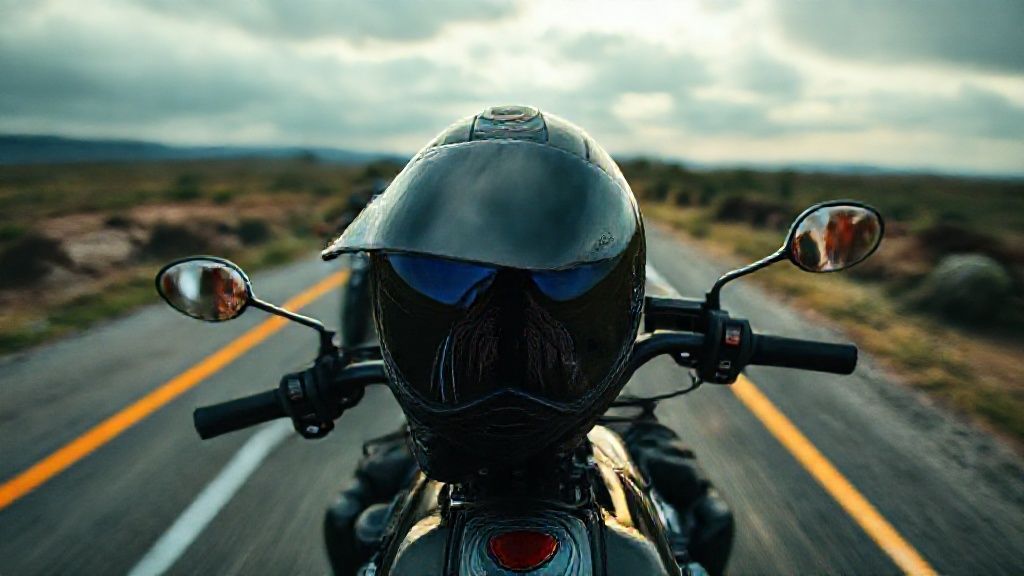
Capturing your motorcycle adventures requires more than just any action camera—you need a GoPro that can withstand vibrations, wind resistance, and varying weather conditions while delivering stunning footage. Whether you’re documenting scenic rides through mountain passes, recording track days, or simply want a safety device for your daily commute, choosing the right GoPro for your motorcycle helmet is crucial. The camera must offer excellent stabilization to counter helmet movement, robust mounting options that won’t fail at highway speeds, and video quality that captures every thrilling moment.
This comprehensive guide examines the best GoPro models specifically suited for motorcycle helmet mounting. We’ve evaluated each camera based on critical factors including image stabilization technology, wind noise reduction, mounting versatility, battery life during extended rides, durability in harsh conditions, and overall value for money. Our selection spans various price points and feature sets to accommodate everyone from weekend riders to professional motovloggers who spend hours on the road daily.
1. GoPro HERO12 Black
The GoPro HERO12 Black represents the pinnacle of action camera technology, making it an exceptional choice for serious motorcycle enthusiasts. This flagship model combines cutting-edge features with proven durability, offering riders the ultimate tool for capturing their two-wheeled adventures in stunning detail.
Overview
The HERO12 Black delivers 5.3K video at 60fps and features HyperSmooth 6.0 stabilization, which is particularly crucial for motorcycle helmet mounting where vibrations and sudden movements are constant challenges. The camera includes improved low-light performance, making it ideal for dawn and dusk rides. Its HDR capabilities ensure balanced exposure even when riding from shaded forest roads into bright sunlight. The Enduro battery performs exceptionally well in cold weather, extending your recording time during winter rides. With 10-bit color depth and advanced wind noise reduction, this camera produces professional-quality footage that rivals dedicated video equipment. The GP2 processor enables longer recording times and quicker response to controls.
Pros and Cons
Pros:
- HyperSmooth 6.0 provides cinema-quality stabilization that eliminates helmet vibrations and road bumps from footage
- Superior wind noise reduction algorithms specifically designed for high-speed activities like motorcycling
- 8:7 aspect ratio sensor allows for easy reformatting of footage for different social media platforms without losing important details
- Enduro battery technology significantly improves performance in cold weather conditions common during morning rides
Cons:
- Premium price point may be prohibitive for casual riders or those new to motorcycle videography
- Advanced features require time investment to master and optimize for best results
- Battery life at maximum resolution settings may necessitate carrying spare batteries on longer rides
2. GoPro HERO11 Black
The HERO11 Black offers an excellent balance between advanced features and value, making it a smart choice for riders who want flagship performance without the absolute latest model. This camera remains highly relevant and capable for motorcycle helmet mounting applications.
Overview
Featuring the same revolutionary 8:7 sensor as the HERO12, the HERO11 Black captures 5.3K video and delivers HyperSmooth 5.0 stabilization that handles motorcycle vibrations admirably. The larger sensor provides more flexibility in post-production cropping and reframing, which is invaluable when you want to adjust your composition after a ride. This model introduced significant improvements in low-light performance compared to its predecessors, making it suitable for riders who frequently travel during golden hour or through tunnels. The camera’s TimeWarp 3.0 feature creates engaging hyperlapse videos of long rides, condensing hours into shareable clips. With improved horizon leveling and Emmy Award-winning stabilization technology, your footage remains smooth regardless of how aggressive your riding style becomes.
Pros and Cons
Pros:
- Significantly lower price than HERO12 while maintaining most essential features for motorcycle recording
- 8:7 sensor aspect ratio captures more vertical information, perfect for creating content for various platforms
- HyperSmooth 5.0 still provides excellent stabilization that handles most motorcycle riding conditions effectively
- Strong battery life balances performance and recording duration for typical riding sessions
Cons:
- Slightly inferior wind noise reduction compared to the HERO12, noticeable at highway speeds
- Lacks some of the newest processing improvements found in later models
- Standard battery performs less optimally in extreme cold compared to Enduro battery technology
3. GoPro HERO11 Black Mini
The HERO11 Black Mini takes a different approach by eliminating the rear screen and focusing on compact, lightweight design. This stripped-down version appeals to riders who prioritize aerodynamics and minimal helmet weight over on-camera preview capabilities.
Overview
Despite its smaller footprint, the HERO11 Black Mini doesn’t compromise on image quality, featuring the same sensor and processing capabilities as its larger sibling. The reduced size and weight make it less noticeable on your helmet, decreasing wind resistance and neck strain during long rides. This camera is ideal for riders who set their settings via smartphone app and don’t need constant access to a rear display. The streamlined design also means fewer protrusions that could catch wind or snag on gear. At only 133 grams with battery, it’s significantly lighter than the standard HERO11, making it comfortable for all-day wear. The simplified button layout actually makes it easier to operate with gloved hands, and the camera’s lower profile reduces the likelihood of the mount catching on branches during off-road adventures.
Pros and Cons
Pros:
- Compact, lightweight design reduces helmet bulk and improves aerodynamics at high speeds
- Lower price point than standard HERO11 while maintaining identical image quality and stabilization
- Simplified interface with fewer buttons is actually easier to operate while wearing motorcycle gloves
- Reduced wind resistance means less neck fatigue during extended highway riding
Cons:
- No rear screen makes it impossible to frame shots or review footage without using smartphone app
- Limited mounting options due to integrated mounting fingers rather than standard GoPro mount
- Fewer physical controls require more reliance on voice commands or app connectivity
4. GoPro HERO10 Black
The HERO10 Black remains a highly capable option for motorcycle helmet mounting, offering substantial performance improvements over older models while now being available at more attractive price points as a previous-generation model.
Overview
This camera introduced the GP2 processor that dramatically improved performance across all metrics, including faster frame rates, better responsiveness, and enhanced stabilization. The HERO10 can shoot 5.3K at 60fps and features HyperSmooth 4.0, which still handles motorcycle vibrations and movements exceptionally well. The improved processor means the camera is more responsive to button presses and voice commands—critical when you’re trying to operate it with gloved hands while riding. Local tone mapping provides better detail in both highlights and shadows, important when riding through varied lighting conditions. The front display shows recording status clearly, allowing you to confirm the camera is running without removing your helmet. As a previous generation model, it offers excellent value while maintaining professional-grade features that satisfy most riders’ needs.
Pros and Cons
Pros:
- Excellent value proposition as previous-generation model with significant price reductions
- GP2 processor provides substantial performance improvements over HERO9 and earlier models
- HyperSmooth 4.0 stabilization effectively handles most motorcycle riding scenarios
- Widely available accessories and extensive online community support for troubleshooting and tips
Cons:
- Standard 16:9 sensor lacks the flexibility of the 8:7 sensor in newer models
- Battery life is shorter than HERO11 and HERO12, particularly in cold weather conditions
- Wind noise reduction isn’t as sophisticated as latest models, requiring external microphone for best audio
5. GoPro HERO9 Black
The HERO9 Black represents the entry point into GoPro’s 5K-capable cameras and remains a solid choice for budget-conscious riders who still want excellent video quality and stabilization for their helmet-mounted footage.
Overview
While not featuring the latest processor, the HERO9 Black introduced several innovations that remain valuable today, including the front color display for easy framing and recording confirmation. The camera shoots 5K at 30fps and features HyperSmooth 3.0 stabilization, which, while not as advanced as later versions, still produces smooth footage suitable for most riding conditions. The larger battery compared to HERO8 provides longer recording times, essential for day-long rides or touring adventures. This model works well for riders who primarily ride on paved roads and don’t frequently encounter extreme conditions. The TimeWarp 3.0 feature creates engaging compressed videos of scenic routes, and the camera’s overall durability has been proven through years of use by the motorcycling community. At current prices, it offers tremendous value for riders starting their video documentation journey.
Pros and Cons
Pros:
- Budget-friendly option that still delivers 5K video quality suitable for sharing and archiving rides
- Front color display makes it easy to confirm recording status and frame shots without smartphone
- Larger battery capacity than HERO8 provides decent recording duration for typical rides
- Proven reliability with extensive user base and troubleshooting resources available online
Cons:
- Older processor results in slower performance and longer processing times between recordings
- HyperSmooth 3.0, while good, doesn’t match newer stabilization algorithms for rough road conditions
- Heavier than newer models, adding more weight to helmet mounting setup
6. GoPro HERO8 Black
The HERO8 Black introduced several design innovations that became standard in later models, and as an older generation camera now available at significant discounts, it serves as an excellent entry-level option for motorcycle riders on tight budgets.
Overview
This model eliminated the need for a separate frame housing by incorporating mounting fingers directly into the camera body, streamlining the mounting process and reducing overall bulk on your helmet. The HERO8 shoots 4K at 60fps with HyperSmooth 2.0 stabilization, which remains adequate for most motorcycle recording needs, particularly on well-maintained roads. The TimeWarp 2.0 feature allows for creative hyperlapse videos of your journeys. While the specifications are modest by current standards, the camera still produces high-quality footage that looks excellent on social media and for personal archives. The simplified design means fewer parts to fail, and the camera’s proven track record demonstrates reliable performance. For riders who want basic documentation of their rides without investing heavily in camera equipment, the HERO8 represents practical value.
Pros and Cons
Pros:
- Very affordable pricing makes it accessible for riders who want to try motorcycle videography without major investment
- Integrated mounting fingers simplify helmet installation and reduce overall mounting profile
- Adequate 4K video quality and stabilization for casual recording and social media sharing
- Streamlined design with fewer accessories needed reduces setup complexity
Cons:
- Limited to 4K resolution, which may feel restrictive as content standards continue evolving
- HyperSmooth 2.0 struggles with severe vibrations from certain motorcycle types or rough roads
- Smaller battery capacity requires more frequent charging or carrying multiple spare batteries
7. GoPro MAX
The GoPro MAX offers a completely different approach to motorcycle videography with its 360-degree capture capability, allowing riders to record everything around them simultaneously and choose the best framing during editing.
Overview
Unlike traditional action cameras, the MAX captures spherical video that can be reframed in post-production, meaning you never miss important moments regardless of where your helmet is pointing. This unique capability is particularly valuable for motorcycle riding where interesting action might occur in any direction—a passing rider, scenic vista, or unexpected road hazard. The camera features six microphones that provide immersive spatial audio and excellent wind noise reduction. Max HyperSmooth stabilization creates incredibly smooth footage by leveraging the 360-degree capture to digitally stabilize in all directions. The ability to extract traditional 1080p or 1440p video from the 360 footage with perfect framing after the fact is revolutionary for content creators. While the learning curve is steeper and file sizes are larger, the creative possibilities make it worthwhile for riders who want unique perspectives.
Pros and Cons
Pros:
- 360-degree capture ensures you never miss important moments regardless of helmet orientation
- Reframe footage in post-production allows for perfect composition after reviewing your ride
- Six-microphone array provides superior spatial audio and wind noise reduction
- Max HyperSmooth creates exceptionally stable footage by leveraging spherical capture technology
Cons:
- Significantly larger file sizes require substantial storage capacity and powerful computer for editing
- Steeper learning curve for both shooting and editing compared to traditional action cameras
- Lower resolution when extracting traditional video formats from 360 footage compared to dedicated 4K/5K cameras
8. GoPro HERO7 Black
The HERO7 Black was groundbreaking when released for introducing HyperSmooth stabilization, and while several generations old, it remains functional for riders seeking the most budget-friendly option that still delivers respectable stabilized footage.
Overview
This camera marked a significant leap forward in stabilization technology when it launched, making it the first GoPro truly suitable for motorcycle helmet mounting without additional gimbals. The HERO7 Black shoots 4K at 60fps and includes the original HyperSmooth stabilization that, while basic by current standards, still produces watchable footage from helmet-mounted perspectives. TimeWarp creates condensed hyperlapse videos of long rides, and the camera’s voice control works adequately for basic commands. The rugged construction has proven durable through years of use by early adopters in the motorcycling community. While it lacks many modern conveniences and advanced features, the HERO7 Black can still serve riders who simply want basic ride documentation without spending much money. It’s worth considering only if found at very low prices, as the improvements in subsequent models justify modest additional investment.
Pros and Cons
Pros:
- Extremely budget-friendly option for riders wanting basic video documentation capabilities
- Original HyperSmooth stabilization still provides acceptable results on smooth roads
- Proven durability with many units still functioning after years of regular use
- Simple operation without overwhelming feature sets makes it easy for beginners
Cons:
- Dated processor results in slow performance and limited responsiveness to controls
- Basic stabilization struggles with rough roads, aggressive riding, or certain motorcycle vibration frequencies
- Limited battery life requires carrying multiple spares for even moderate-length rides
9. GoPro HERO12 Black Creator Edition
The HERO12 Black Creator Edition bundles the flagship camera with essential accessories specifically chosen for content creators, making it ideal for serious motovloggers or riders who want to immediately start producing professional-quality motorcycle content.
Overview
This package includes the HERO12 Black along with the Media Mod, which adds directional microphone capabilities, HDMI output, and additional mounting options—all valuable for motorcycle videography. The included Volta grip provides extended battery life, built-in remote control, and can serve as a tripod, useful for filming yourself talking to the camera during stops. The Light Mod ensures you’re well-lit when recording pieces to camera during dawn, dusk, or night rides. While the core camera is identical to the standard HERO12 Black, the bundled accessories specifically address common needs of motorcycle content creators who want to produce vlogs, reviews, or tutorial content. The package represents good value compared to purchasing items separately, though casual riders who only want ride footage may find the extra accessories unnecessary. For aspiring motovloggers, this bundle provides everything needed to start creating engaging content immediately.
Pros and Cons
Pros:
- Comprehensive bundle includes accessories specifically useful for motorcycle content creation
- Media Mod significantly improves audio quality with directional microphone, crucial for voiceovers and narration
- Volta grip extends battery life substantially, allowing for longer recording sessions without swapping batteries
- Better overall value than purchasing flagship camera and accessories separately
Cons:
- Premium pricing makes this the most expensive option, potentially excessive for casual riders
- Some included accessories may be unnecessary for riders who only want simple ride footage
- Additional components add complexity to setup and require learning multiple devices
Conclusion
Selecting the best GoPro for your motorcycle helmet ultimately depends on your specific needs, budget, and content creation goals. For riders seeking the absolute best image quality and stabilization, the HERO12 Black or HERO11 Black deliver professional results that handle any riding condition. Budget-conscious riders will find excellent value in the HERO10 Black or HERO9 Black, which offer substantial capabilities at reduced prices. The HERO11 Black Mini presents a compelling option for those prioritizing lightweight, aerodynamic mounting over rear screen convenience.
For creative riders willing to embrace new workflows, the GoPro MAX opens unique possibilities with 360-degree capture and post-ride reframing capabilities. Serious motovloggers should consider the HERO12 Black Creator Edition for its comprehensive accessory package. Regardless of which model you choose, modern GoPro cameras have evolved specifically to address the challenges of motorcycle mounting, with improved stabilization, wind noise reduction, and durability that make them reliable companions for documenting your two-wheeled adventures. Invest in quality mounting hardware, carry spare batteries, and practice with your chosen camera to maximize its potential for capturing your riding experiences.
FAQs
Where is the best position to mount a GoPro on a motorcycle helmet?
The optimal mounting position depends on your desired perspective, but most riders prefer either the top center or side of the helmet. Top center mounting provides a natural first-person view similar to what you see while riding, though it creates more wind resistance. Side mounting (chin or temple area) reduces aerodynamic drag and provides an interesting angle showing more of the motorcycle and your body position. Chin mounts offer the most stable footage with least wind noise, while top mounts capture more of the surrounding scenery. Test different positions during short rides to find what works best for your helmet shape, riding style, and content goals.
How long does a GoPro battery last when recording motorcycle rides?
Battery life varies significantly based on resolution, frame rate, stabilization settings, and temperature conditions. At maximum settings (5.3K/60fps with all features enabled), expect approximately 60-90 minutes of recording time with a standard battery. The Enduro battery extends this to roughly 90-120 minutes in normal conditions. Cold weather dramatically reduces battery performance, sometimes by 30-50%. For longer rides, carry 2-3 spare batteries and keep them warm in an inside jacket pocket. Consider using lower resolution settings (1080p or 2.7K) if extended battery life is more important than maximum quality, which can double recording duration.
Do I need any special mounts for attaching a GoPro to a motorcycle helmet?
Yes, you’ll need helmet-specific mounting solutions designed to withstand high speeds and vibrations. The most common options include curved adhesive mounts for the helmet’s exterior surface, chin mounts that attach to the bottom of full-face helmets, and side mounts for temple areas. Always use genuine GoPro mounts or high-quality third-party alternatives specifically rated for motorcycle use. Clean the mounting surface thoroughly with rubbing alcohol before application, and allow adhesive mounts to cure for 24 hours before riding. Consider using safety tethers as backup security, especially for highway riding. Avoid mounting on areas that could compromise helmet safety or structural integrity.
Will a helmet-mounted GoPro affect my riding safety or comfort?
A properly mounted GoPro has minimal impact on safety when installed correctly, though it does add weight and wind resistance. The additional weight (typically 150-200 grams with mount) may cause slight neck fatigue during very long rides, particularly with top-mounted configurations. Wind resistance increases noticeably above 60 mph, creating drag that can strain neck muscles during extended highway riding. Some riders report increased wind noise at high speeds. To minimize impact, choose the smallest camera suitable for your needs (like the HERO11 Mini), position it as close to the helmet surface as possible, and consider chin mounting for better aerodynamics. Always ensure the mount doesn’t obstruct your vision or interfere with helmet safety features.
Can I use my helmet-mounted GoPro as a safety device or dashcam for motorcycles?
Yes, many riders use helmet-mounted GoPros as incident documentation devices similar to automotive dashcams. The footage can provide valuable evidence in accident investigations or insurance claims. However, continuously recording entire rides drains batteries quickly and generates massive amounts of footage requiring substantial storage capacity. Consider using loop recording mode if your primary purpose is safety documentation rather than content creation. Keep spare batteries accessible and invest in high-capacity, high-speed memory cards (minimum 128GB, U3 rating or higher). Be aware that some jurisdictions have specific laws regarding recording in public spaces, and admissibility of GoPro footage as evidence varies by location. Always inform your insurance company if you regularly record rides, as some offer discounts for riders using camera systems.