
Riding a hardtail motorcycle is an exhilarating experience that connects you directly to the road, but let’s be honest – after a few hours in the saddle, that rigid frame can turn your backside into a painful reminder of why suspension was invented. The absence of rear suspension means every bump, crack, and imperfection in the road travels straight through the frame to your body, making seat selection absolutely critical for any hardtail enthusiast.
Whether you’re cruising on a custom bobber, tearing up the streets on a vintage chopper, or enjoying the minimalist aesthetic of a modern hardtail build, the right seat can transform your riding experience from torturous to tolerable, or even comfortable. The challenge lies in finding that perfect balance between style, comfort, and practicality – a seat that complements your bike’s aesthetic while providing enough cushioning to handle those long rides without leaving you hobbling off your machine.
In this comprehensive guide, we’ve evaluated dozens of hardtail motorcycle seats based on several key criteria: comfort level and cushioning quality, build materials and durability, compatibility with various hardtail frames, aesthetic appeal, price-to-value ratio, and real-world rider feedback. We’ve focused specifically on seats designed to address the unique challenges of hardtail riding, where comfort isn’t just a luxury – it’s a necessity. Let’s dive into the nine best seats that will keep you riding longer and enjoying every mile on your rigid frame motorcycle.
1. Saddlemen Step-Up LS Dual Gel Seat
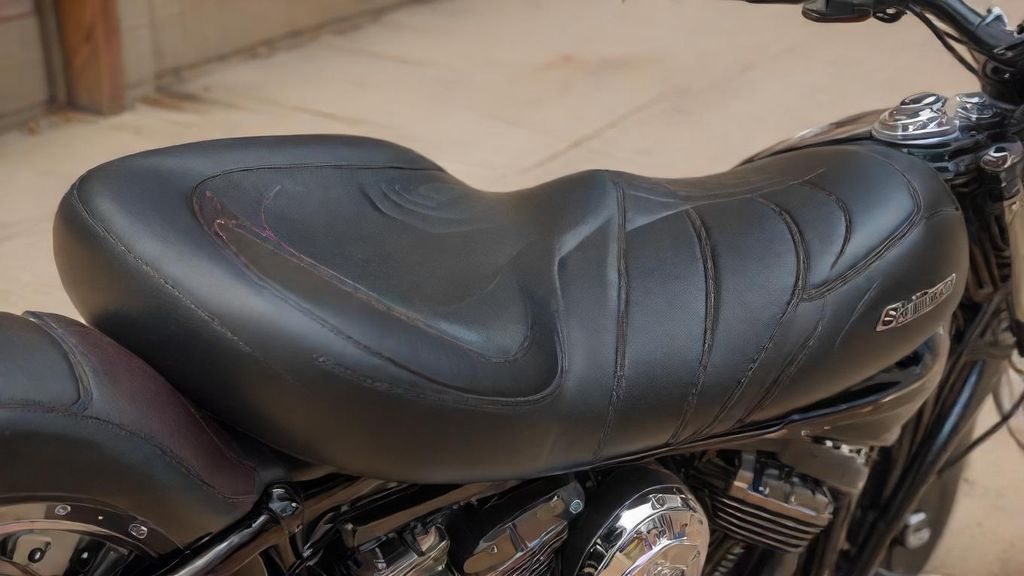
The Saddlemen Step-Up LS stands as one of the most popular aftermarket seats in the hardtail community, and for good reason. This seat has earned its reputation through years of proven performance on rigid frame motorcycles, combining innovative gel technology with thoughtful ergonomic design.
Overview
The Step-Up LS features Saddlemen’s proprietary dual-layer gel system, which consists of SaddleGel in the front and a combination of SaddleGel and memory foam in the rear. This progressive comfort system is specifically engineered to absorb the constant vibrations and impacts that hardtail riders face. The seat’s distinctive stepped design positions the rider slightly forward, improving weight distribution and reducing pressure on the tailbone – a crucial consideration when there’s no rear suspension to soften the blows. The cover uses marine-grade vinyl that’s both weather-resistant and durable, with double stitching throughout to prevent premature wear. Available in various widths and styles to fit most hardtail applications, the Step-Up LS maintains a relatively low profile that won’t compromise your bike’s aggressive stance while still providing substantial comfort improvements over stock seating options.
Pros and Cons
Pros:
- Exceptional vibration dampening through dual-layer gel technology that significantly reduces rider fatigue on long rides
- Stepped design promotes better posture and weight distribution, taking pressure off sensitive areas
- High-quality construction with marine-grade materials ensures longevity even in harsh weather conditions
- Wide compatibility across numerous hardtail models with various mounting options available
Cons:
- Premium pricing puts it at the higher end of the aftermarket seat market
- Break-in period of several hundred miles before the gel fully conforms to your body
- Slightly heavier than minimalist alternatives, which may concern weight-conscious builders
2. Biltwell Solo 2 Seat
For riders who prioritize classic aesthetics without completely sacrificing comfort, the Biltwell Solo 2 represents an excellent middle ground. This seat captures the vintage chopper vibe while incorporating modern materials that make hardtail riding more bearable.
Overview
The Biltwell Solo 2 features a slim, minimalist profile that perfectly complements traditional hardtail choppers and bobbers. Beneath its vintage-inspired exterior lies a foundation of high-density foam specifically formulated to provide cushioning without excessive thickness that would ruin the bike’s lines. The seat measures 12 inches long and sits on a powder-coated steel base pan with integrated mounting tabs that fit most hardtail frames with minimal modification. Biltwell offers the Solo 2 in multiple cover options, including diamond-stitched vinyl, leather, and various fabric choices, allowing riders to customize the look to match their build. The foam density is calibrated to offer support during spirited riding while still absorbing enough shock to make hardtail commuting feasible. Installation is straightforward, typically requiring only basic hand tools and about thirty minutes of work.
Pros and Cons
Pros:
- Authentic vintage aesthetic that enhances the classic hardtail look without appearing aftermarket
- Competitive pricing makes it accessible for budget-conscious builders and riders
- Multiple cover options allow for personalization to match your specific bike theme
- Lightweight design doesn’t add unnecessary mass to your rigid frame build
Cons:
- Comfort is adequate but not exceptional for rides exceeding two hours
- Foam can compress permanently over time with heavy use, requiring eventual replacement
- Limited width may not accommodate larger riders comfortably
3. Mustang Vintage Solo Seat
Mustang has been manufacturing motorcycle seats since 1980, and their Vintage Solo brings decades of engineering expertise to the hardtail market. This seat is designed specifically for riders who refuse to choose between authentic styling and genuine comfort.
Overview
The Mustang Vintage Solo employs a unique foam composition that the company has refined over four decades of seat manufacturing. Unlike simple single-density foam, this seat uses a graduated foam system with firmer support foam at the base transitioning to softer comfort foam at the surface. This layered approach provides the structural support needed for proper posture while offering cushioning where it matters most. The seat’s shape features subtle contouring that cradles the rider without looking bulky or modern, maintaining the period-correct appearance that hardtail purists demand. Mustang’s proprietary seating platform distributes weight across a broader surface area, reducing pressure points that typically cause discomfort on rigid frames. The cover material is a high-grade synthetic that mimics the look of leather while offering superior weather resistance and easier maintenance. Each seat is handcrafted in Mustang’s Connecticut facility, ensuring consistent quality control.
Pros and Cons
Pros:
- Superior long-distance comfort thanks to engineered foam layering system
- Made in USA with rigorous quality control standards
- Excellent weight distribution reduces hotspots and numbness during extended rides
- Cover material is highly durable and resistant to cracking or fading
Cons:
- Higher price point reflects premium materials and domestic manufacturing
- Slightly thicker profile may not suit extremely minimalist builds
- Limited color and style options compared to some competitors
4. La Rosa Harley Chopper Spring Solo Seat
The La Rosa spring solo seat takes a different approach to hardtail comfort by incorporating old-school spring suspension directly into the seat itself. This design philosophy harkens back to early motorcycle seating solutions while using modern materials and manufacturing techniques.
Overview
What sets the La Rosa apart is its integrated coil spring system mounted between the seat pan and the cushion. These heavy-duty springs compress and rebound with road impacts, effectively adding a small amount of suspension travel where your hardtail frame has none. The seat cushion itself is hand-stuffed with premium foam and topped with genuine leather that develops a rich patina over time. The spring mechanism is fully adjustable, allowing riders to tune the firmness to their weight and riding style – tighten the springs for a firmer, more responsive feel, or loosen them for maximum shock absorption. The leather cover is hand-tooled and can be ordered with custom embossing or decorative elements. Each La Rosa seat is handmade by skilled craftsmen in California, making every piece slightly unique. The mounting system uses a traditional bolt-on design compatible with most hardtail frames, and the springs are positioned to provide vertical compliance without allowing excessive forward-backward movement that could affect control.
Pros and Cons
Pros:
- Spring suspension system provides genuine shock absorption that foam alone cannot match
- Genuine leather construction offers authentic vintage aesthetics and improves with age
- Adjustable spring tension allows customization for different rider weights and preferences
- Handcrafted quality with attention to detail that mass-produced seats cannot replicate
Cons:
- Premium pricing reflects handmade construction and genuine leather materials
- Springs require periodic maintenance and can develop squeaks if not properly lubricated
- Leather requires more care than synthetic materials to prevent drying and cracking
5. Corbin Gunfighter Seat
Corbin has built a legendary reputation in the motorcycle seating industry, and their Gunfighter model brings that expertise specifically to the hardtail segment. This seat is engineered for riders who log serious miles on their rigid frame bikes and need professional-grade comfort.
Overview
The Gunfighter seat is the result of extensive ergonomic research and real-world testing on hardtail motorcycles. Corbin’s proprietary foam formulation is designed to remain resilient through temperature extremes and years of use without the permanent compression that plagues cheaper seats. The seat’s shape features carefully calculated contours that support the sit bones while relieving pressure on soft tissue – a critical consideration for hardtail riders who can’t rely on suspension to reduce sustained pressure. What makes the Gunfighter particularly effective is its broader seating platform that distributes weight more evenly, combined with a slight forward pitch that encourages proper riding posture. The cover material is Corbin’s own weather-resistant synthetic that’s designed to withstand UV exposure, rain, and temperature swings without deteriorating. Each Gunfighter is custom-made to order for your specific motorcycle model, ensuring perfect fitment without modification. The manufacturing process includes hand-shaping and finishing, resulting in a seat that’s both functional and aesthetically refined.
Pros and Cons
Pros:
- Industry-leading comfort for extended riding sessions, even on the roughest roads
- Custom-made for your specific bike ensures perfect fit and optimal positioning
- Foam maintains its properties and doesn’t compress permanently like cheaper alternatives
- Excellent build quality with a reputation for lasting the lifetime of the motorcycle
Cons:
- Premium pricing is among the highest in the aftermarket seat category
- Custom manufacturing means longer wait times, typically 4-6 weeks for delivery
- Bulkier profile may not appeal to riders seeking an ultra-minimalist aesthetic
6. Drag Specialties Low Profile Solo Seat
For hardtail riders who want to maintain an extremely low seat height and sleek profile without completely sacrificing comfort, the Drag Specialties Low Profile Solo offers a practical compromise. This seat is particularly popular among shorter riders and those building low-slung choppers.
Overview
The Low Profile Solo achieves its slim dimensions through careful engineering rather than simply using less foam. The seat pan is designed with strategic depressions that allow the foam to nestle lower while still providing adequate cushioning in key areas. The foam itself is a medium-density formulation that offers reasonable comfort for rides up to about 90 minutes before fatigue sets in. The cover uses textured vinyl that provides grip without being sticky in hot weather, and the stitching pattern is both decorative and functional, helping to prevent the cover from shifting or bunching. At just under two inches of total thickness at its deepest point, this seat maintains the aggressive, stripped-down look that many hardtail builders seek. Installation is straightforward with a universal mounting system that adapts to most hardtail frames with included hardware. While it won’t match the comfort of thicker, more expensive seats, the Low Profile Solo excels at what it’s designed for: maintaining aesthetics while providing basic comfort improvements over a completely rigid seat.
Pros and Cons
Pros:
- Ultra-low profile maintains the aggressive stance of custom hardtail builds
- Budget-friendly pricing makes it accessible for entry-level builds and riders
- Reduces seat height, making it easier for shorter riders to reach the ground confidently
- Universal mounting system simplifies installation across various hardtail frames
Cons:
- Limited cushioning means comfort is adequate only for shorter rides
- Foam may bottom out under heavier riders or on particularly rough roads
- Minimal padding offers little vibration dampening compared to thicker alternatives
7. C&C Solo Tractor Seat
The C&C Solo Tractor brings an industrial, utilitarian aesthetic to hardtail motorcycles while incorporating design elements specifically intended to improve comfort on rigid frames. This seat appeals to riders building rat bikes, choppers, and custom projects with a raw, unfinished look.
Overview
Inspired by vintage agricultural equipment seating, the Tractor seat features a distinctive pan shape with raised edges and a contoured center section. The steel pan is heavy-gauge and powder-coated for durability and rust resistance. What makes this seat work on hardtails is the thick foam padding – typically around three inches at the center – which provides substantial cushioning against impacts. The foam is wrapped in vinyl with a diamond-tuck pattern that’s both visually interesting and functional, as the stitching helps maintain foam position and prevents shifting during riding. The raised rear edge helps prevent sliding backward during acceleration, while the dished center cradles the rider for improved stability. C&C offers several mounting options, including spring mounts for additional suspension effect. The overall aesthetic is decidedly retro-industrial, making it perfect for builds that embrace a vintage or utilitarian theme. Despite its old-school appearance, the materials and construction methods are thoroughly modern, ensuring reliability and longevity.
Pros and Cons
Pros:
- Thick foam padding provides excellent shock absorption for hardtail applications
- Unique aesthetic sets your bike apart from typical hardtail builds
- Raised edges and contoured shape improve rider stability and control
- Available with optional spring mounting for additional suspension effect
Cons:
- Distinctive styling won’t suit all build themes or personal tastes
- Bulkier appearance may conflict with minimalist design goals
- Heavier than slimmer solo seat alternatives due to substantial materials
8. Lepera Bare Bones Solo Seat
Lepera has been manufacturing motorcycle seats since 1972, and their Bare Bones Solo represents decades of refinement focused on the specific needs of hardtail riders. This seat balances traditional styling with modern comfort technology in a package that works across various hardtail applications.
Overview
The Bare Bones Solo features Lepera’s exclusive foam formula, which the company developed specifically for rigid frame motorcycles. This foam is denser than standard seat foam but incorporates microscopic air channels that allow it to compress and rebound more effectively, providing cushioning without excessive softness that would bottom out. The seat’s shape is carefully sculpted to position the rider’s weight on the sit bones rather than soft tissue, reducing numbness and discomfort on longer rides. The cover material is a high-grade vinyl that resists temperature extremes – it won’t become rock-hard in cold weather or sticky in summer heat. Lepera manufactures the Bare Bones in several widths and lengths to accommodate different body types and riding positions, ensuring you can find the right fit for your build. The mounting system uses a traditional bolt-on design with integrated mounting brackets that fit most hardtail frames without modification. Each seat undergoes quality inspection before shipping, and Lepera’s reputation for customer service means support is available if fitment issues arise.
Pros and Cons
Pros:
- Purpose-engineered foam specifically designed for hardtail shock absorption
- Multiple size options ensure proper fit for various body types and riding styles
- Established company reputation with decades of experience in motorcycle seating
- Cover material performs consistently across wide temperature range
Cons:
- Mid-to-high pricing may stretch budgets on economy builds
- Conservative styling might seem plain compared to more decorative alternatives
- Requires break-in period before foam fully conforms to rider
9. Custom Gel Pad Insert Solution
Sometimes the best solution isn’t replacing your entire seat but enhancing what you already have. Quality gel pad inserts offer a cost-effective way to improve hardtail comfort while maintaining your bike’s existing aesthetic and seat style.
Overview
Gel pad inserts are supplementary cushioning systems that sit on top of or beneath your existing seat cover, adding a layer of shock-absorbing gel material without changing your seat’s appearance or requiring permanent modification. Premium gel pads use medical-grade polymer gel that distributes pressure evenly while absorbing vibrations and impacts. These pads work through a principle called “pressure mapping” – the gel flows around your sit bones, creating a custom-contoured surface that reduces pressure points. Most quality gel pads are about a half-inch thick and can be trimmed to fit any seat shape. They’re held in place either by adhesive backing or by simply tucking them under your seat cover. For hardtail riders, gel pads offer a way to test whether gel technology works for their body before investing in a complete gel seat. They’re also ideal for riders who frequently switch between bikes or who want to maintain their bike’s original seat for authenticity or resale value. The best gel pads maintain their properties through temperature extremes and don’t harden or become sticky with age.
Pros and Cons
Pros:
- Most affordable option for significantly improving hardtail seat comfort
- Reversible solution that doesn’t permanently modify your existing seat
- Portable between bikes, allowing you to move comfort between multiple motorcycles
- Allows you to test gel technology before investing in a complete gel seat
Cons:
- Can shift or bunch during riding if not properly secured
- May alter seat height slightly, which could affect riding position
- Lower-quality gel pads can harden or lose effectiveness over time
Conclusion
Choosing the right seat for your hardtail motorcycle is one of the most impactful upgrades you can make, directly affecting your riding comfort, endurance, and overall enjoyment. While hardtail motorcycles offer an unfiltered riding experience and stunning aesthetics, they demand careful consideration of how you’ll manage the inevitable discomfort that comes with rigid frame construction. The nine seats we’ve covered represent the best options across various price points, styles, and comfort philosophies, from budget-friendly solutions to premium custom options.
Remember that seat comfort is highly personal – what works perfectly for one rider may not suit another due to differences in body type, riding position, and personal sensitivity. If possible, try to test seats before purchasing, or at least buy from retailers with good return policies. Consider your typical riding distance, the road conditions you’ll encounter, and how the seat’s aesthetic fits your overall build. Don’t underestimate the value of a quality seat; while it may represent a significant investment, the difference between arriving at your destination refreshed versus exhausted and sore is invaluable.
Whether you choose the proven gel technology of the Saddlemen Step-Up, the vintage appeal of the Biltwell Solo 2, the engineered comfort of a Corbin Gunfighter, or the budget-friendly enhancement of a gel pad insert, you’re taking an important step toward making your hardtail motorcycle more rideable and enjoyable. Your backside will thank you for the investment, and you’ll find yourself riding longer, more frequently, and with greater pleasure on your rigid frame machine.
Frequently Asked Questions
How much difference does a good seat really make on a hardtail motorcycle?
The difference is substantial and often surprising to first-time upgraders. A quality hardtail seat can extend your comfortable riding time from 30-45 minutes to 2-3 hours or more by absorbing vibrations, reducing pressure points, and properly distributing your weight. Riders consistently report that a proper seat is the single most important comfort upgrade for hardtail motorcycles, often more impactful than handlebar position or foot peg placement. The investment in a quality seat pays dividends in reduced fatigue, fewer stops, and the ability to actually enjoy longer rides rather than enduring them.
Should I choose gel or foam for my hardtail seat?
Both gel and foam have merits for hardtail applications, and the best choice depends on your priorities. Gel excels at absorbing vibrations and impacts, making it ideal for hardtails where there’s no suspension to dampen road shock. It also doesn’t compress permanently like foam can. However, gel seats typically cost more and may feel unusual during the break-in period. High-quality foam, especially multi-density or memory foam, provides excellent support and comfort at a lower price point, though it may eventually compress with heavy use. Many premium seats combine both technologies, using foam for structure and support with gel layers for shock absorption – this hybrid approach often delivers the best results for hardtail riders.
Can I install a hardtail motorcycle seat myself, or do I need professional help?
Most hardtail seat installations are straightforward DIY projects requiring only basic tools and mechanical aptitude. Typical installations involve removing your old seat (usually just a few bolts), ensuring the new seat’s mounting points align with your frame, and bolting it securely in place. The process rarely takes more than 30-60 minutes. However, some custom seats or frames may require minor modifications like drilling new mounting holes or using adapter brackets. If you’re uncomfortable with basic mechanical work or if your seat requires frame modifications, consulting a professional motorcycle mechanic or custom builder is advisable. Always ensure your seat is securely mounted before riding, as a loose seat can be dangerous.
How do I maintain my hardtail motorcycle seat to maximize its lifespan?
Proper maintenance varies by seat type but generally includes regular cleaning with appropriate products (mild soap for vinyl, leather conditioner for leather seats), protecting it from prolonged UV exposure when parked, and storing your bike in a covered area when possible. For gel seats, avoid exposing them to extreme temperature swings which can affect gel properties. Foam seats benefit from occasional compression and release to maintain resilience. Leather seats require regular conditioning to prevent drying and cracking. Spring-mounted seats need periodic lubrication of springs and pivot points to prevent squeaking. Check mounting bolts regularly to ensure they remain tight, as vibration from hardtail riding can loosen hardware over time. With proper care, a quality seat should last many years, though foam may eventually need replacement if it compresses permanently.
What’s the ideal seat height for a hardtail motorcycle?
Ideal seat height depends on your inseam length, riding style, and bike type, but for hardtails, many riders prefer lower seat heights for easier ground reach and a more confident stance at stops. Generally, you should be able to place at least the balls of both feet firmly on the ground when seated. However, extremely low seats often sacrifice comfort because there’s less room for adequate cushioning. A good compromise is the lowest seat height that still allows for 2-3 inches of quality foam or gel cushioning. Taller riders can often accommodate higher, more comfortable seats, while shorter riders may need to prioritize ground reach over maximum cushioning. Remember that seat shape affects perceived height – a narrow seat allows your legs to reach the ground more easily than a wide seat at the same height.