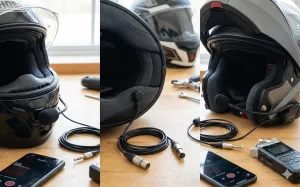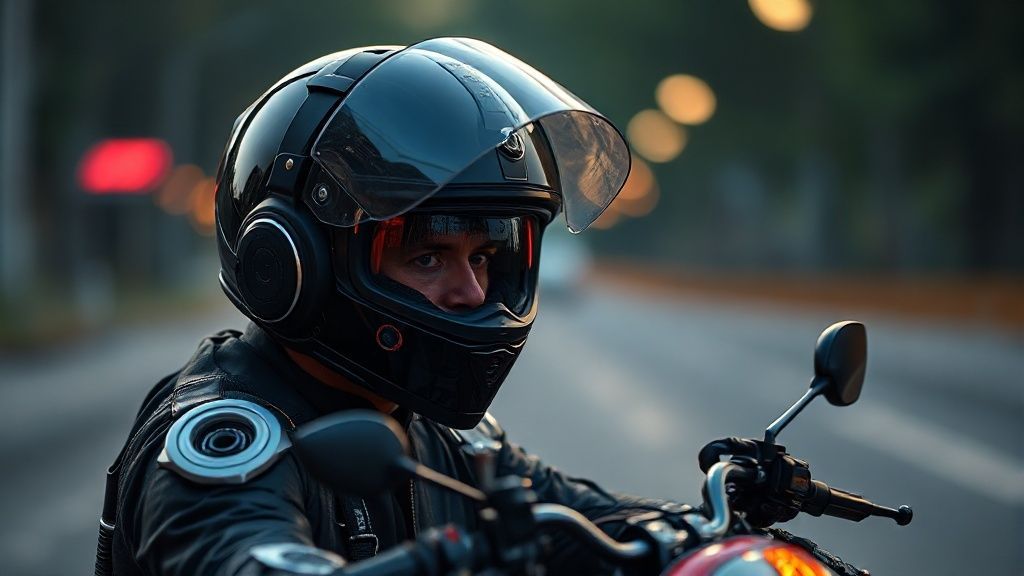
Riding with a half helmet offers freedom and comfort, but staying connected shouldn’t mean sacrificing that open-road feeling. Finding the right motorcycle headset for your half helmet can transform your riding experience, enabling crystal-clear communication, GPS navigation, and your favorite road trip playlist—all while maintaining the minimalist appeal of your lid.
Unlike full-face helmets with built-in speaker pockets, half helmets present unique challenges for audio systems. You need equipment that stays secure at highway speeds, delivers clear sound despite wind noise, and doesn’t compromise your helmet’s low-profile design. Whether you’re a weekend cruiser, daily commuter, or long-distance tourer, the right headset becomes an essential piece of gear.
In this comprehensive guide, we’ve evaluated the best motorcycle headsets specifically designed for or compatible with half helmets. Our selection criteria include audio quality, ease of installation, durability, battery life, connectivity range, weather resistance, and overall value. We’ve considered both clip-on systems and helmet-specific designs to give you options that match your riding style and budget.
1. Cardo Packtalk Edge
The Cardo Packtalk Edge represents the pinnacle of motorcycle communication technology, offering unparalleled connectivity for riders who demand the best. While designed primarily for full-face helmets, its versatile mounting system and powerful speakers make it an excellent choice for half helmet users seeking premium features.
Overview
The Packtalk Edge features Cardo’s proprietary Dynamic Mesh Communication (DMC) technology, allowing up to 15 riders to communicate simultaneously with an impressive range of up to 5 miles in open terrain. The system includes 40mm JBL speakers that deliver exceptional sound quality even at highway speeds, with enhanced bass response that works surprisingly well with half helmets. The unit boasts natural voice operation, allowing hands-free control of most functions, and integrates seamlessly with smartphones for music streaming, GPS directions, and phone calls. The IP67 waterproof rating ensures reliable performance in all weather conditions, while the sleek design minimizes wind resistance. Battery life extends up to 13 hours of talk time, making it ideal for full-day rides.
Pros and Cons
Pros:
- Industry-leading Dynamic Mesh Communication technology provides stable, automatic connections without the need for pairing sequences
- Exceptional audio quality with 40mm JBL speakers that cut through wind noise effectively
- Comprehensive voice control system allows operation without taking hands off handlebars
- Excellent battery life and fast charging capability for extended riding sessions
Cons:
- Premium pricing makes it one of the most expensive options on the market
- Mounting on half helmets may require additional adapters or creative solutions
- Feature-rich interface has a learning curve for first-time users
2. Sena 50S
The Sena 50S stands as a direct competitor to Cardo’s flagship models, bringing impressive mesh networking capabilities and refined audio performance. This system has earned a reputation for reliability and versatility, making it a popular choice among riders with various helmet styles including half helmets.
Overview
Featuring Sena’s Mesh 2.0 Intercom technology, the 50S supports connections with up to 24 riders simultaneously and maintains a communication range of up to 1.2 miles in open terrain. The system includes premium HD speakers with Harman Kardon tuning, delivering rich, clear audio that performs admirably even without the acoustic advantages of a full-face helmet. The 50S offers multiple connectivity options including mesh intercom, Bluetooth intercom, and smartphone connectivity for music, GPS, and calls. Its SOUND BY Harman Kardon audio system provides customizable sound profiles through the Sena smartphone app. The device features a color LCD screen for easy status monitoring and intuitive jog dial control. With an IP67 waterproof rating and up to 14 hours of talk time, the 50S handles long rides in various conditions.
Pros and Cons
Pros:
- Harman Kardon audio tuning delivers superior sound quality with excellent clarity and depth
- Mesh 2.0 technology provides flexible group communication with automatic reconnection
- Color LCD display makes it easy to check status and settings at a glance
- Extensive customization options through the smartphone app for personalized experience
Cons:
- High price point similar to other premium options
- Larger profile may be more noticeable on minimalist half helmets
- Some users report occasional connectivity issues when switching between mesh and Bluetooth modes
3. FreedConn R1 Plus
The FreedConn R1 Plus offers an excellent middle-ground solution for riders seeking quality communication features without the premium price tag. This system has gained popularity among half helmet users for its straightforward installation and reliable performance in everyday riding conditions.
Overview
The R1 Plus supports intercom communication with up to 6 riders within a range of approximately 0.6 miles, making it suitable for small group rides. It features Bluetooth 5.0 connectivity for stable connections with smartphones, GPS devices, and music players. The system includes quality speakers and a noise-canceling microphone that performs reasonably well at reducing wind noise—a crucial consideration for half helmet users. The FM radio function adds entertainment options for solo rides, while the waterproof design (IP65 rating) ensures reliability in light to moderate rain. Battery life reaches approximately 12 hours of talk time, and the unit charges via USB-C for convenience. The simple three-button interface makes operation straightforward, even with gloved hands, and installation typically takes less than 30 minutes with the included mounting hardware.
Pros and Cons
Pros:
- Affordable pricing makes quality communication accessible to budget-conscious riders
- Simple installation process with clear instructions and all necessary hardware included
- FM radio feature provides additional entertainment options during solo rides
- USB-C charging is convenient and uses modern standard cables
Cons:
- Limited intercom range compared to premium mesh systems
- Audio quality, while decent, doesn’t match premium brands in noisy conditions
- Fewer advanced features like voice control or smartphone app integration
4. Lexin B4FM
The Lexin B4FM has carved out a niche as a value-oriented option that doesn’t sacrifice essential features. Particularly popular among cruiser riders who favor half helmets, this system balances affordability with functionality that covers most riders’ basic communication needs.
Overview
This headset supports intercom functionality for up to 4 riders with a range of approximately 1 mile in optimal conditions. It employs Bluetooth 5.0 technology for reliable connections to smartphones and GPS devices, with support for simultaneous music streaming and intercom use. The integrated FM radio tuner provides 20 preset stations for entertainment during solo rides. Lexin includes noise cancellation technology in both the microphone and speakers, which helps combat the wind noise challenge inherent to half helmet use. The system features a user-friendly interface with large buttons designed for gloved operation, and voice prompts guide users through pairing and function selection. With an IP67 waterproof rating, the B4FM handles various weather conditions confidently. Battery performance delivers up to 15 hours of music playback or 10 hours of intercom use on a single charge.
Pros and Cons
Pros:
- Excellent value proposition with features typically found in more expensive units
- Strong battery life outlasts many competitors in its price range
- Effective noise cancellation improves audio clarity at various speeds
- Large, glove-friendly buttons make operation easy in all conditions
Cons:
- Build quality feels less premium compared to higher-priced alternatives
- Intercom range is adequate but not exceptional for group rides
- Some users report that mounting hardware could be more robust
5. UClear AMP Go
The UClear AMP Go takes a different approach to motorcycle audio, prioritizing sound quality and simplicity over extensive intercom features. This system particularly appeals to solo riders or those who primarily use their headset for music and phone calls rather than rider-to-rider communication.
Overview
UClear’s AMP Go features the company’s proprietary bone conduction speaker technology, which delivers audio through vibrations while leaving your ears open to ambient sounds—a safety feature appreciated by many riders. The system uses Bluetooth 5.0 for stable connections and supports high-quality audio codecs for superior music streaming. While it lacks traditional mesh or multi-rider intercom capabilities, it excels at phone calls with advanced noise cancellation that isolates your voice from wind and engine noise. The compact, lightweight design mounts easily to various helmet types, including half helmets, with minimal visual impact. The unit is fully waterproof (IP67) and boasts an impressive battery life of up to 24 hours of music playback or 16 hours of talk time. The intuitive control system includes both physical buttons and voice command support for hands-free operation.
Pros and Cons
Pros:
- Bone conduction technology allows situational awareness while enjoying audio
- Exceptional battery life outlasts virtually all competitors
- Compact, lightweight design is ideal for minimalist half helmet aesthetics
- Superior phone call quality with excellent noise cancellation
Cons:
- No rider-to-rider intercom functionality limits group riding communication
- Bone conduction audio may not satisfy audiophiles seeking traditional speaker sound
- Higher price relative to features compared to intercom-equipped alternatives
6. Fodsports M1-S Pro
The Fodsports M1-S Pro represents an excellent entry-level option for riders new to motorcycle communication systems. With its focus on essential features and user-friendly operation, this headset provides a gentle introduction to connected riding without overwhelming complexity.
Overview
The M1-S Pro supports intercom communication between up to 8 riders with a range of approximately 1.2 miles in open conditions, making it suitable for small to medium group rides. It utilizes Bluetooth 5.0 for connections to smartphones, GPS units, and music devices, with the ability to pair two phones simultaneously—useful for riders who carry separate personal and work devices. The system includes quality speakers and a flexible boom microphone that can be positioned for optimal voice pickup. Audio quality is respectable for the price point, with adequate volume levels and clarity for most riding conditions. The three-button control interface is straightforward, and voice prompts provide helpful guidance during setup and operation. With an IP65 waterproof rating, the unit handles normal riding conditions reliably. Battery life provides approximately 10 hours of intercom use or 300 hours of standby time, and the unit charges via micro-USB.
Pros and Cons
Pros:
- Budget-friendly pricing makes it accessible for riders testing their first communication system
- Straightforward setup process with helpful voice prompts reduces confusion
- Dual phone pairing capability adds convenience for multi-device users
- Adequate intercom range and rider capacity for most recreational group rides
Cons:
- Audio quality is serviceable but noticeably inferior to premium options in windy conditions
- Build quality reflects the budget price point with more plastic components
- Micro-USB charging is becoming outdated compared to USB-C alternatives
7. Ejeas V6 Pro
The Ejeas V6 Pro has built a strong following among riders seeking reliable communication without unnecessary complexity. This system strikes a practical balance between features and usability, making it particularly well-suited for riders who want dependable performance without spending hours learning complicated systems.
Overview
Featuring intercom capability for up to 6 riders with a communication range of approximately 0.75 miles, the V6 Pro handles typical group riding scenarios effectively. The system employs Bluetooth 4.1 technology, which, while not the latest version, provides stable connections for music streaming, GPS navigation, and phone calls. Ejeas has implemented intelligent noise reduction technology that adapts to ambient noise levels, helping maintain audio clarity as speeds change. The speakers deliver decent volume and clarity, though they perform best at moderate speeds where wind noise is less challenging. The unit features a simple control interface with large buttons and rotary volume control for easy adjustment while riding. With an IP65 waterproof rating, it handles rain and splashes without issue. Battery performance provides up to 12 hours of talk time, and the system includes a USB charging cable for convenient power replenishment.
Pros and Cons
Pros:
- Intuitive interface requires minimal learning curve for new users
- Adaptive noise reduction technology improves audio quality across different riding conditions
- Solid build quality provides confidence in long-term durability
- Reasonable pricing offers good value for the feature set provided
Cons:
- Bluetooth 4.1 is older technology with slightly less efficient connectivity than 5.0
- Intercom range is modest compared to premium mesh systems
- Speaker performance struggles somewhat in high-wind conditions typical of half helmet use
8. Maxto M3
The Maxto M3 offers a unique selling proposition with its focus on rugged durability and long-range communication. This system appeals to adventure riders and those who frequently ride in challenging conditions where reliability becomes paramount.
Overview
The M3 supports intercom communication for up to 8 riders with an impressive range of up to 1.8 miles in optimal terrain, exceeding many competitors in its price category. It features Bluetooth 5.0 connectivity for modern device compatibility and efficient power consumption. The system includes robust speakers with enhanced bass response and a noise-canceling microphone designed to filter wind and engine noise effectively. Maxto has engineered the M3 with a reinforced housing that can withstand impacts and vibrations better than many alternatives, making it suitable for riders who venture onto rougher roads. The unit carries an IP67 waterproof rating for complete weather protection. The control interface includes both physical buttons and voice command support, offering flexibility in operation methods. Battery life reaches approximately 13 hours of talk time, with fast-charging capability that provides several hours of use from a 30-minute charge.
Pros and Cons
Pros:
- Extended intercom range outperforms many similarly priced alternatives
- Rugged construction provides confidence for adventure and off-road riding
- Fast-charging feature minimizes downtime during multi-day trips
- Effective noise cancellation improves communication clarity in demanding conditions
Cons:
- Bulkier design may be less aesthetically pleasing on sleek half helmets
- Brand recognition and customer support network is less established than major competitors
- Some advanced features require smartphone app, which has received mixed reviews
9. Sena 3S-WB
The Sena 3S-WB serves as an excellent introduction to the Sena ecosystem for budget-conscious riders. While it lacks the advanced features of its premium siblings, this headset delivers reliable basic communication functionality with the quality assurance of an established brand.
Overview
This entry-level Sena model supports intercom communication between up to 4 riders with a range of approximately 1.3 miles, providing adequate coverage for small group rides. The system uses Bluetooth 4.1 technology for connections to smartphones and GPS devices, enabling music streaming, phone calls, and voice navigation. Sena includes quality speakers that deliver respectable audio performance, particularly impressive considering the price point, though they naturally don’t match the company’s premium offerings. The noise-canceling microphone helps maintain call clarity in various riding conditions. The 3S-WB features Sena’s intuitive jog dial control system, which many riders find easier to operate with gloves than button-based alternatives. With an IP67 waterproof rating, the unit handles all weather conditions confidently. Battery life provides approximately 10 hours of talk time or 10 days of standby, and the system includes a USB charging cable.
Pros and Cons
Pros:
- Affordable entry point into the reputable Sena brand ecosystem
- Jog dial interface is intuitive and easy to operate with gloved hands
- Audio quality exceeds expectations for the budget-friendly price point
- Established brand provides reliable customer support and warranty service
Cons:
- Limited to 4-rider intercom capacity restricts larger group ride participation
- Lacks advanced features like mesh networking, voice control, and smartphone app integration
- Older Bluetooth 4.1 technology doesn’t offer the efficiency of newer versions
Conclusion
Selecting the best motorcycle headset for your half helmet ultimately depends on your specific riding style, communication needs, and budget. Premium options like the Cardo Packtalk Edge and Sena 50S deliver cutting-edge mesh technology and superior audio quality for riders who demand the best and ride frequently in groups. Mid-range choices such as the FreedConn R1 Plus and Lexin B4FM provide excellent value, balancing essential features with affordability for weekend riders and daily commuters alike.
For riders prioritizing simplicity and audio quality over extensive intercom features, the UClear AMP Go offers a unique bone conduction approach that enhances safety through situational awareness. Budget-conscious riders can confidently choose options like the Fodsports M1-S Pro or Sena 3S-WB, which deliver reliable basic communication without breaking the bank.
Remember that half helmets present unique challenges for audio systems due to increased wind noise and lack of acoustic containment. Whichever system you choose, proper speaker placement and microphone positioning will significantly impact performance. Take time to experiment with mounting locations and settings to optimize your setup. With the right headset properly installed, you’ll enjoy clear communication, entertainment, and navigation while maintaining the freedom and comfort that drew you to your half helmet in the first place.
FAQs
Can motorcycle headsets designed for full-face helmets work with half helmets?
Yes, most motorcycle communication systems can work with half helmets, though they may require additional mounting solutions or adapters. The main challenges include securing speakers near your ears without the helmet’s built-in speaker pockets and positioning the microphone to capture your voice clearly against increased wind noise. Many manufacturers offer universal mounting kits, and some riders successfully use adhesive mounts or helmet clips. However, audio quality may not match the performance achieved in full-face helmets due to the lack of acoustic containment and increased ambient noise exposure.
How do I reduce wind noise when using a headset with a half helmet?
Reducing wind noise with half helmet headsets requires a multi-faceted approach. First, choose a system with effective noise-canceling technology in both speakers and microphone. Position the microphone as close to your mouth as possible, ideally using a boom-style mic that extends in front of your lips. Consider adding a windscreen or foam cover to the microphone to reduce wind buffeting. Some riders find that wearing a bandana or neck gaiter that covers the lower face helps reduce wind noise reaching the microphone. Finally, adjust your audio settings through the headset’s app if available, as many systems offer wind noise suppression features that can be optimized for your specific riding conditions.
What’s the difference between Bluetooth intercom and mesh communication systems?
Bluetooth intercom systems create direct connections between paired devices, typically supporting 2-4 riders in a chain configuration where each unit connects to the next. If one rider drops out of range, the chain breaks and riders beyond that point lose connection. Mesh communication systems, offered by premium brands like Cardo and Sena, create a network where all riders connect to each other simultaneously. If one rider drops out, the mesh automatically reconfigures to maintain connections among remaining riders. Mesh systems typically support more riders (up to 15-24 depending on the system), offer longer range, and provide more stable connections, but they come at a higher price point than traditional Bluetooth intercom systems.
How long do motorcycle headset batteries typically last, and can they be replaced?
Most modern motorcycle headsets offer between 8-16 hours of active talk time, with some premium models reaching up to 24 hours for music playback. Standby time typically ranges from several days to two weeks. Battery life degrades over time with regular charging cycles, usually maintaining adequate performance for 2-3 years before noticeable decline. Most motorcycle communication systems use internal lithium-ion batteries that are not designed for user replacement. When battery performance becomes inadequate, you’ll typically need to contact the manufacturer for professional replacement service or consider upgrading to a newer unit. To maximize battery lifespan, avoid completely draining the battery regularly, store the unit partially charged during long periods of non-use, and keep firmware updated as manufacturers sometimes release optimizations that improve power management.
Are motorcycle headsets legal to use while riding?
Motorcycle headset legality varies by jurisdiction, so it’s essential to check your local laws. In most U.S. states and many countries, motorcycle communication systems are legal because they’re designed for rider-to-rider communication and GPS navigation rather than entertainment purposes. However, some regions prohibit or restrict the use of any audio devices while operating a vehicle. Even where legal, it’s important to use headsets responsibly—keep volume at levels that allow you to hear traffic, emergency vehicles, and your motorcycle’s engine sounds. Many modern systems include features like audio mixing that automatically reduces music volume during intercom conversations or navigation announcements, helping maintain situational awareness. When in doubt, consult your local department of motor vehicles or transportation authority for specific regulations in your area.