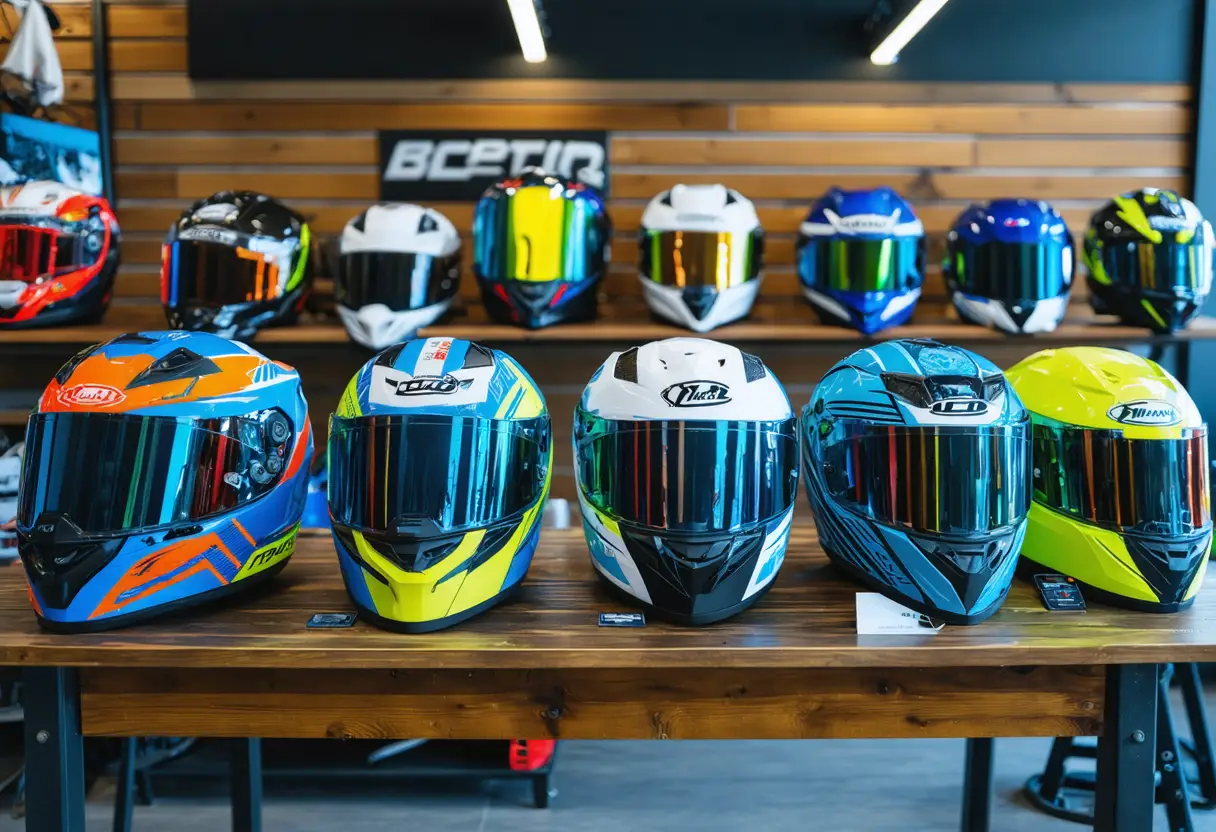
Enduro riding demands the perfect balance of protection, ventilation, and visibility. Whether you’re tackling technical single tracks, navigating rocky terrain, or cruising through forest trails, your helmet is the most critical piece of safety equipment you’ll own.
The right enduro helmet can mean the difference between an exhilarating ride and a dangerous situation, protecting you from branches, debris, and potential impacts.
For a comprehensive overview of safety gear, check out our Ultimate Guide to Motorcycle Helmets.
Choosing the best helmet for enduro motorcycle riding isn’t as simple as picking the most expensive option or the coolest-looking design. You need to consider factors like weight, ventilation system, visor functionality, goggle compatibility, safety certifications, and overall fit.
An enduro helmet differs significantly from standard street helmets, featuring extended chin bars, peak visors, and enhanced ventilation systems designed specifically for off-road conditions.
In this comprehensive guide, we’ve evaluated dozens of enduro helmets based on rigorous criteria including helmet safety ratings explained (DOT, ECE, and SNELL certifications), real-world performance, comfort during extended rides, ventilation efficiency, build quality, and value for money.
We’ve considered feedback from professional riders, amateur enthusiasts, and extensive field testing to bring you this definitive list of the nine best helmets for enduro motorcycle riding available today.
1. Arai XD-4
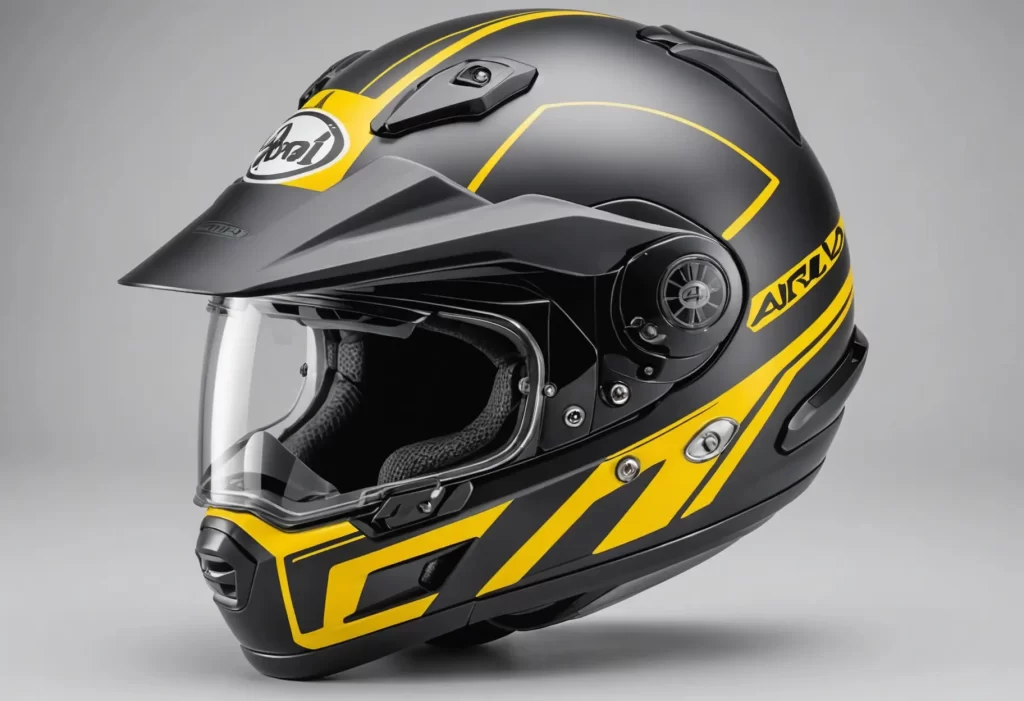
The Arai XD-4 represents the pinnacle of dual-sport helmet engineering, combining Arai’s legendary quality with versatile functionality. This helmet has earned its reputation as a favorite among serious enduro riders who demand uncompromising protection without sacrificing comfort during all-day adventures.
Overview
The Arai XD-4 features a complex laminate construction (CLC) shell that provides exceptional strength while maintaining a relatively lightweight profile. Its unique design allows riders to use it with either a face shield for street riding or goggles for off-road adventures, making it genuinely versatile.
The helmet incorporates Arai’s signature round shell shape, which they argue provides superior energy management during impacts by allowing forces to glide off rather than transferring directly to your head. The ventilation system includes five intake vents and six exhaust ports, creating excellent airflow even during low-speed technical sections. The removable peak visor is both functional and adjustable, helping deflect sun, rain, and roost.
Key Features
- Complex Laminate Construction: Strong shell for impact management.
- Dual-Sport Versatility: Use with shield or goggles.
- Brow Vents: Direct cooling to the forehead area.
- Removable Peak: Adjustable for sun and roost protection.
Pros and Cons
Pros:
- Exceptional build quality with Arai’s renowned attention to detail and hand-finished construction.
- Versatile design works equally well for street commuting and aggressive off-road riding.
- Superior comfort with plush, removable, and washable interior padding that molds to your head shape.
- Excellent ventilation system keeps you cool during intense riding sessions.
Cons:
- Premium price point that may be prohibitive for casual riders or those on a budget.
- Heavier than some dedicated off-road helmets, which can cause neck fatigue on very long rides.
- The round shell shape may not fit all head shapes perfectly, particularly oval-shaped heads.
Pricing
The Arai XD-4 typically retails between $630 and $760.
Best For
Serious adventure riders who want one of the best helmet brands for motorcycle safety on the market.
2. Shoei Hornet X2
Shoei’s Hornet X2 has become an iconic choice in the enduro community, offering Japanese precision engineering and reliable performance. This helmet strikes an excellent balance between off-road capability and street-legal versatility, making it ideal for adventure riders who split time between pavement and dirt.
Overview
The Hornet X2 utilizes Shoei’s Advanced Integrated Matrix (AIM) shell construction, combining multiple layers of fiberglass with organic and high-performance fibers for optimal strength-to-weight ratio. The helmet features a sophisticated ventilation system with four intake vents and six exhaust ports, strategically positioned to maximize airflow during both high-speed and technical riding.
Its large eye port provides an expansive field of vision, crucial for spotting obstacles on challenging trails. The multi-density EPS liner effectively manages impact energy across different collision scenarios. The peak is easily adjustable without tools and can be removed entirely for a more street-oriented profile. The interior features Shoei’s 3D Max-Dry System II, which wicks moisture away efficiently.
Key Features
- AIM Shell Construction: Advanced matrix for superior strength.
- Large Eye Port: Accommodates goggles and improves visibility.
- V-460 Visor: Aerodynamically designed peak.
- 3D Max-Dry System II: Moisture-wicking interior.
Pros and Cons
Pros:
- Exceptional comfort right out of the box with minimal break-in period required.
- Outstanding ventilation performance that rivals more expensive competitors.
- Wide range of available sizes and shell sizes ensures proper fit for most head shapes.
- Proven track record of reliability and durability over multiple seasons of hard use.
Cons:
- Mid-to-high price range may stretch some budgets.
- Peak design, while functional, isn’t as aggressive as some pure off-road helmets.
- Slightly heavier than carbon fiber alternatives.
Pricing
The Shoei Hornet X2 retails between $600 and $740.
Best For
Riders who need a hybrid helmet that performs flawlessly on the highway and the trail.
3. Bell MX-9 Adventure MIPS
The Bell MX-9 Adventure MIPS brings advanced safety technology to the enduro segment at an accessible price point. This helmet has gained popularity among riders who prioritize both protection and value, offering features typically found in much more expensive models.
Overview
What sets the MX-9 Adventure apart is its inclusion of what is MIPS in motorcycle helmets technology, which provides additional protection against rotational forces during angled impacts—a common occurrence in off-road crashes. The polycarbonate shell keeps weight reasonable while meeting all major safety certifications.
Bell has equipped this helmet with their Velocity Flow ventilation system, featuring multiple intake and exhaust vents. The Flying Bridge visor design improves aerodynamics and reduces neck strain. The interior uses moisture-wicking, antimicrobial fabric that’s fully removable and washable. The helmet accommodates goggles comfortably with a well-designed eye port.
Key Features
- MIPS Technology: Rotational impact protection.
- Polycarbonate Shell: Durable and cost-effective.
- Velocity Flow Ventilation: Keeps the rider cool.
- Integrated Face Shield: Removable for goggle use.
Pros and Cons
Pros:
- MIPS technology provides enhanced protection at a fraction of the cost of premium helmets.
- Excellent value proposition with features and safety that punch above its price class.
- Wide variety of graphic options and colorways to suit personal style preferences.
- Comfortable fit that works well for intermediate oval head shapes.
Cons:
- Polycarbonate shell is less premium feeling than composite alternatives.
- Ventilation, while good, doesn’t quite match the airflow of top-tier helmets.
- Some riders report the helmet runs slightly small, requiring careful sizing.
Pricing
The Bell MX-9 Adventure MIPS retails around $220 to $250.
Best For
Budget-conscious riders who want the safety benefits of MIPS.
4. Klim Krios Pro
The Klim Krios Pro represents the cutting edge of adventure helmet technology, incorporating features specifically requested by Klim’s team of professional riders. This helmet is designed for serious adventurers who demand the absolute best performance in challenging conditions.
Overview
Klim developed the Krios Pro with a carbon fiber shell that achieves an impressively low weight without compromising protection. It is a top contender for the best lightweight carbon fiber helmet in the ADV category.
The helmet features Klim’s proprietary Koroyd material in strategic locations—a welded tube technology that crumples uniformly on impact to absorb energy more efficiently than traditional EPS foam alone. The ventilation system is among the most sophisticated in the category.
The magnetic Fidlock buckle allows for easy one-handed operation, even with gloves on. The helmet includes both a sun visor for street use and a peak for off-road riding, with a clever quick-change system. The interior features premium moisture-wicking materials and comes with both standard and winter liners.
Key Features
- Carbon Fiber Shell: Ultra-lightweight construction.
- Koroyd Technology: Advanced energy absorption.
- Fidlock Buckle: Easy magnetic fastening.
- Transitions Shield: Photochromic lens included.
Pros and Cons
Pros:
- Exceptionally lightweight carbon fiber construction reduces neck fatigue significantly.
- Koroyd technology provides cutting-edge impact protection beyond standard certifications.
- Best-in-class ventilation keeps you comfortable in extreme heat.
- Premium features like Fidlock buckle and quick-change visor system enhance usability.
Cons:
- Very high price point makes it accessible only to those with generous budgets.
- The aggressive ventilation can make it cold in winter conditions even with winter liner.
- Complex design means replacement parts can be expensive.
Pricing
The Klim Krios Pro retails between $700 and $800.
Best For
Adventure riders who want the lightest possible helmet with advanced tech like Koroyd and Transitions.
5. Fox Racing V3 RS
Fox Racing’s V3 RS brings motocross-derived technology to the enduro world, offering race-proven performance for aggressive riders. This helmet has become a favorite among those who ride enduro with a more motocross-oriented style, tackling jumps and high-speed sections with confidence.
Overview
The V3 RS features Fox’s Fluid Inside design, which decouples the EPS liner from the outer shell using a fluid-filled bladder system. This innovative approach allows the liner to move independently during impacts, reducing rotational forces transferred to your brain.
The tri-composite shell combines carbon fiber vs. polycarbonate helmets benefits by utilizing carbon, fiberglass, and Kevlar for optimal strength and weight distribution. Fox’s MVRS (Magnetic Visor Release System) allows the peak to break away during impacts.
The helmet includes 13 intake and exhaust vents working together to create powerful airflow. The interior features X-Static comfort liner with XT2 moisture-wicking properties. The emergency cheek pad removal system allows medical personnel to safely remove the helmet if needed.
Key Features
- Fluid Inside: Rotational impact management.
- MVRS: Magnetic Visor Release System.
- Tri-Composite Shell: Strong and lightweight.
- X-Static Liner: Antimicrobial and moisture-wicking.
Pros and Cons
Pros:
- Fluid Inside technology provides exceptional protection against rotational impacts.
- Lightweight construction won’t slow you down during aggressive riding.
- MVRS magnetic visor system enhances safety by releasing during crashes.
- Race-proven design trusted by professional riders worldwide.
Cons:
- Premium pricing reflects its professional-grade features and construction.
- Purely off-road focused design lacks face shield compatibility for street riding.
- May be overly aggressive for casual trail riders who don’t need race-level features.
Pricing
The Fox Racing V3 RS retails around $500 to $600.
Best For
Aggressive riders who blur the line between enduro and motocross.
6. LS2 Pioneer EVO
The LS2 Pioneer EVO delivers impressive performance at a budget-friendly price point, making quality enduro protection accessible to more riders. This helmet proves that you don’t need to spend a fortune to get reliable safety equipment and comfortable features for trail riding adventures.
Overview
LS2 constructed the Pioneer EVO with a kinetic polymer alloy (KPA) shell that provides solid impact protection while keeping costs down. The helmet meets or exceeds DOT and ECE safety standards, giving riders confidence in its protective capabilities.
The ventilation system features strategically placed intake and exhaust vents that provide adequate airflow for most conditions. The helmet comes with both a clear face shield and a sun visor, plus the peak for off-road use, offering genuine dual sport vs. dirt bike helmets versatility.
The interior uses hypoallergenic, removable, and washable padding that remains comfortable during extended rides. The helmet accommodates both goggles and the included shield system, making transitions between street and dirt seamless.
Key Features
- KPA Shell: Kinetic Polymer Alloy for strength and value.
- Twin Shield System: Integrated sun visor.
- Quick Release Strap: Easy to use retention system.
- Multi-Density EPS: Improved impact absorption.
Pros and Cons
Pros:
- Exceptional value with features typically found in much more expensive helmets.
- Versatile design genuinely works for both street and off-road applications.
- Comfortable fit suitable for long rides without pressure points.
- Wide availability and good selection of sizes makes finding proper fit easier.
Cons:
- Heavier than premium carbon or composite helmets, which can cause fatigue.
- Ventilation is adequate but not exceptional, potentially uncomfortable in extreme heat.
- Build quality, while solid, doesn’t match the refined feel of premium brands.
Pricing
The LS2 Pioneer EVO retails between $140 and $170.
Best For
Beginner adventure riders or those on a tight budget who still want a sun visor.
7. 6D ATR-2
The 6D ATR-2 represents a revolutionary approach to helmet safety, incorporating patented Omni-Directional Suspension (ODS) technology. This helmet is for riders who prioritize cutting-edge brain protection technology and are willing to invest in potentially life-saving innovation.
Overview
6D’s unique ODS system uses elastomeric isolation dampers connecting the inner and outer EPS liners, creating a suspension system that absorbs both linear and angular impacts more effectively than traditional single-liner designs. This dual-liner system with dampers allows independent movement, significantly reducing the forces transmitted to your brain during crashes.
The carbon fiber shell keeps weight manageable despite the complex internal structure. The helmet features an advanced ventilation system with 14 intake and exhaust vents, channeling air through the dual-liner system for impressive cooling. The peak uses a breakaway design for safety during impacts.
The interior features premium moisture-wicking materials that remain comfortable even during intense riding. The helmet is designed specifically for use with goggles, featuring a generous eye port.
Key Features
- ODS Technology: Omni-Directional Suspension for impact energy management.
- Rebuildable: The helmet can often be rebuilt after a crash (by 6D).
- Carbon Shell: Optimized for weight and strength.
- Air Gap Ventilation: Advanced cooling system.
Pros and Cons
Pros:
- Revolutionary ODS technology provides the most advanced concussion protection available.
- Extensive independent testing and transparent data give confidence in safety claims.
- Carbon fiber construction keeps weight reasonable despite dual-liner system.
- Excellent ventilation performance keeps you cool during demanding rides.
Cons:
- Very high price point reflects the advanced technology and research investment.
- Larger external dimensions due to dual-liner system may feel bulky to some riders.
- Limited graphic options compared to mainstream brands.
Pricing
The 6D ATR-2 retails around $700 to $800.
Best For
Riders who place brain safety above all other metrics, including price and size.
8. Leatt GPX 5.5
Leatt’s GPX 5.5 brings the company’s extensive experience in protective equipment to the helmet market, offering innovative features focused on safety and performance. This helmet has gained a following among riders who appreciate Leatt’s engineering approach and attention to detail.
Overview
The GPX 5.5 features Leatt’s 360° Turbine Technology, which uses discs of an energy-absorbing material positioned at strategic locations inside the helmet. These turbines reduce rotational acceleration to the head and brain by up to 30% during impacts, according to Leatt’s testing.
The composite shell construction balances weight and protection effectively. The helmet includes Leatt’s impressive ventilation system with 14 vents creating strong airflow through the helmet. The magnetic V-buckle closure system allows easy one-handed operation.
The helmet is designed to work optimally with Leatt neck braces, featuring specific contouring, though it works fine without one too. The interior uses X-Static and moisture-wicking materials that resist odor and remain comfortable.
Key Features
- 360° Turbine Technology: Reduces rotational acceleration.
- Reduced Outer Shell Volume: Minimizes rotational forces.
- Neck Brace Compatible: Optimized for use with Leatt braces.
- Pro-Fit Liner: Comfortable and moisture-wicking.
Pros and Cons
Pros:
- Turbine Technology provides additional protection against rotational impacts.
- Optimized for use with Leatt neck braces for complete protection system.
- Excellent ventilation keeps you comfortable in hot conditions.
- Mid-range pricing offers good value for the safety technology included.
Cons:
- Helmet fit may feel unusual initially due to turbine placement.
- Slightly heavier than some competitors in the same price range.
- Best performance requires pairing with Leatt neck brace, adding to total cost.
Pricing
The Leatt GPX 5.5 retails between $400 and $500.
Best For
Riders who already use a neck brace or are looking for a complete safety system.
9. Airoh Commander
The Airoh Commander rounds out our list as an excellent all-around option that doesn’t compromise on any key feature. This Italian-made helmet offers European styling and engineering at a competitive price point, making it an attractive choice for riders seeking something different from mainstream brands.
Overview
Airoh constructed the Commander with a dual-density HRT (High Resistant Thermoplastic) shell that provides excellent impact protection while maintaining reasonable weight. The helmet features Airoh’s ASN (Airoh Sliding Net) system, which helps manage rotational forces during impacts through a low-friction layer.
The ventilation system includes multiple intake vents on the chin bar, brow, and top, plus rear exhaust ports that create effective airflow. The helmet works with both the included clear visor and goggles, offering genuine versatility. The peak is adjustable to three positions and can be removed entirely.
The interior uses soft, hypoallergenic fabric that’s fully removable and washable. The helmet includes both standard and winter breath guards. The micrometric buckle provides secure, easy closure.
Key Features
- HRT Shell: High Resistant Thermoplastic.
- ASN System: Sliding net for impact management.
- Versatile Configuration: Use with peak/visor, peak/no visor, or visor/no peak.
- Integrated Sun Screen: Retractable internal visor.
Pros and Cons
Pros:
- Excellent build quality with attention to detail typical of European manufacturers.
- ASN system provides rotational impact protection at a competitive price.
- True dual-sport versatility with included visor and goggle compatibility.
- Multiple shell sizes ensure proper fit and safety across size range.
Cons:
- Less common brand in some markets may make finding replacement parts challenging.
- Ventilation, while adequate, doesn’t quite match the best performers in this list.
- Limited graphic options compared to bigger mainstream brands.
Pricing
The Airoh Commander retails around $400.
Best For
Riders looking for Italian style and the versatility to switch between street and dirt configurations easily.
Conclusion
Selecting the best helmet for enduro motorcycle riding ultimately depends on your specific needs, budget, and riding style. If money is no object and you want the absolute best protection technology available, the 6D ATR-2 or Klim Krios Pro represent the pinnacle of helmet engineering. For riders seeking proven performance from established brands, the Arai XD-4 and Shoei Hornet X2 deliver exceptional quality and reliability.
Budget-conscious riders shouldn’t feel left out—the Bell MX-9 Adventure MIPS and LS2 Pioneer EVO prove that you can get excellent protection and features without breaking the bank. Always try helmets on before purchasing if possible, and never compromise on safety to save money.
Frequently Asked Questions
What’s the difference between an enduro helmet and a regular motorcycle helmet?
Enduro helmets feature extended chin bars for better protection and airflow, removable peak visors to deflect sun and debris, and larger eye ports designed for goggle use. They are significantly more ventilated than standard street helmets to handle physical off-road riding.
How much should I spend on an enduro helmet?
Quality enduro helmets range from around $200 to over $800. Budget options like the Bell MX-9 Adventure ($220) offer excellent safety, while premium helmets like the Arai XD-4 ($700+) provide advanced materials and comfort. A good middle ground is $400-600.
How do I know if my enduro helmet fits properly?
A properly fitted helmet should feel snug but not painful, with even pressure around your entire head. When you move your head side to side, the skin on your forehead should move with the helmet. For a detailed guide, check our motorcycle helmet fitment guide.
What safety certifications should I look for in an enduro helmet?
At minimum, your helmet should carry DOT certification in the US or ECE 22.05/22.06 in Europe. SNELL certification indicates even more rigorous testing. Also look for rotational impact systems like MIPS, ODS, or Turbine Technology.
How often should I replace my enduro helmet?
You should replace your helmet every 5 years, or immediately after any crash. Materials degrade over time from UV exposure and sweat. For more details, see when to replace your motorcycle helmet.