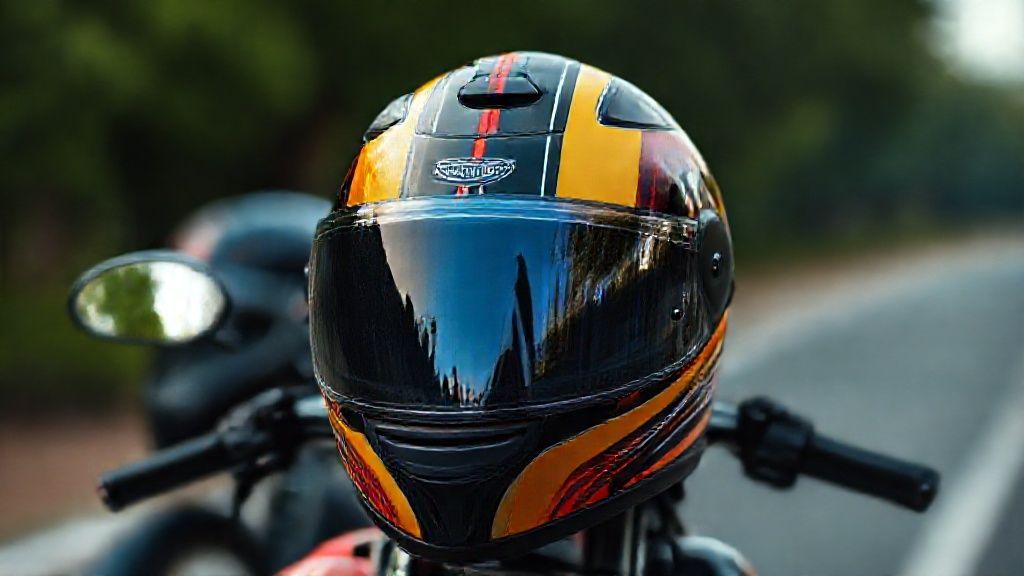
Finding the perfect motorcycle helmet doesn’t mean you need to drain your bank account. While premium helmets can cost upwards of $500, there’s an impressive selection of quality options available for $150 or less that don’t compromise on safety or comfort.
Whether you’re a new rider looking for your first helmet or an experienced motorcyclist seeking a backup option, the sub-$150 price range offers excellent value without sacrificing the protection you need on the road. For a complete guide on how to choose the right gear, check out our Ultimate Guide to Motorcycle Helmets.
In this comprehensive guide, we’ve tested and researched the best motorcycle helmets available for around $150. Our selection criteria focused on several key factors: DOT and ECE safety certifications, build quality, comfort during extended rides, ventilation systems, visor quality, and overall value for money. Each helmet on this list represents the best balance of safety, features, and affordability in its category.
1. HJC CS-R3 Full Face Helmet
The HJC CS-R3 stands as one of the most popular entry-level full-face helmets on the market, and for good reason. This Korean manufacturer has built a reputation for delivering exceptional value, and the CS-R3 exemplifies their commitment to affordable quality.
Overview
The HJC CS-R3 features a lightweight advanced polycarbonate composite shell that’s both lightweight and impact-resistant, meeting DOT safety standards with ease. Its aerodynamic design reduces wind noise and buffeting at highway speeds, while the fully removable and washable interior liner keeps things fresh.
The helmet includes HJC’s signature SuperCool moisture-wicking interior fabric that helps manage sweat during warm weather riding. The anti-scratch face shield provides excellent optical clarity and comes with a RapidFire shield replacement system. It is widely considered the best full-face motorcycle helmet for the money for beginners.
Key Features
- Polycarbonate Composite Shell: Lightweight and durable.
- RapidFire Shield Replacement: Quick, tool-less changes.
- ACS Ventilation: Advanced Channeling Ventilation System.
- Nylex Interior: Plush and moisture-wicking.
Pros and Cons
Pros:
- Exceptional value with features typically found on more expensive helmets.
- Lightweight construction reduces neck fatigue on long rides.
- Tool-free visor change system is incredibly convenient.
- Wide range of sizes and graphic options to suit different preferences.
Cons:
- Ventilation system, while adequate, isn’t as sophisticated as premium models.
- Some riders report the fit runs slightly narrow.
- Wind noise can be noticeable at speeds above 70 mph.
Pricing
The HJC CS-R3 retails between $120 and $150.
Best For
New riders who want a reliable, no-frills helmet from a major brand.
2. Bell Qualifier DLX MIPS
Bell Helmets has been a trusted name in motorcycle safety for decades, and the Qualifier DLX MIPS brings advanced safety technology to the affordable helmet segment. The inclusion of what is MIPS in motorcycle helmets (Multi-directional Impact Protection System) at this price point is particularly noteworthy.
Overview
The Bell Qualifier DLX MIPS incorporates a polycarbonate shell with an integrated MIPS liner, which provides additional protection against rotational forces during angled impacts. This technology, once exclusive to high-end helmets, significantly enhances safety without substantially increasing weight.
The helmet features Bell’s Velocity Flow ventilation system with adjustable chin and forehead vents. The anti-fog, anti-scratch face shield is optically correct Class 1. It often includes a photochromic transition visors (NutraFog II) that automatically adjusts to lighting conditions.
Key Features
- MIPS Equipped: Rotational impact protection.
- Transitions Shield: Adaptive light tint.
- Velocity Flow Ventilation: Adjustable cooling.
- Integrated Speaker Pockets: Ready for comms.
Pros and Cons
Pros:
- MIPS technology provides superior protection against rotational impacts.
- Integrated drop-down sun visor (or Transition lens) eliminates need for sunglasses.
- Excellent ventilation system keeps you cool in warm weather.
- Meets both DOT and ECE safety certifications for international riding.
Cons:
- Slightly heavier than some competitors due to MIPS liner.
- The drop-down sun visor mechanism can feel fragile over time.
- Limited color options compared to other models in this price range.
Pricing
The Bell Qualifier DLX MIPS retails between $160 and $180.
Best For
Safety-conscious riders who want MIPS protection and adaptive vision.
3. Scorpion EXO-R420 Full Face Helmet
Scorpion has carved out a niche in the motorcycle helmet market by offering race-inspired designs at accessible prices. The EXO-R420 brings track-tested aerodynamics and ventilation to street riders without the premium price tag.
Overview
The EXO-R420 features Scorpion’s advanced LG polycarbonate shell construction, which provides excellent impact protection while keeping weight to a minimum. The helmet’s aerodynamic profile was developed using wind tunnel testing, resulting in exceptional stability at high speeds.
Its AirFit inflation system allows riders to customize the fit by inflating or deflating the cheek pads for a personalized, snug fit. The EXO-R420 includes Scorpion’s KwikWick III moisture-wicking liner. It is SNELL certified (on most sizes), which you can learn more about in our guide on helmet safety ratings explained.
Key Features
- SNELL Certified: High safety standard.
- Ellip-Tec II Ratchet System: Secure shield seal.
- EverClear Shield: No-fog technology.
- AirFit System: Custom cheek pad inflation.
Pros and Cons
Pros:
- AirFit pump system allows for customized fit adjustment on the fly.
- Excellent aerodynamics reduce wind buffeting and noise.
- MaxVision face shield provides wider peripheral vision than standard shields.
- Superior ventilation system rivals much more expensive helmets.
Cons:
- The AirFit system adds slight bulk to the cheek area.
- Visor change mechanism is more complex than some competitors.
- Limited availability in some regions.
Pricing
The Scorpion EXO-R420 retails between $160 and $180.
Best For
Sport riders who want SNELL protection under $200.
4. LS2 Challenger Full Face Helmet
LS2 has rapidly gained recognition in the motorcycle community for producing helmets that punch well above their weight class in terms of features and quality. The Challenger model represents their commitment to making advanced helmet technology accessible.
Overview
The LS2 Challenger utilizes a high-performance KPA (Kinetic Polymer Alloy) shell that’s engineered to be both lightweight and exceptionally strong, exceeding DOT and ECE safety standards. The helmet’s interior features LS2’s Comfort-Fit liner system with laser-contoured, multi-density foam.
One standout feature is the Dynamic Flow-Through ventilation system, which includes four intake vents and four exhaust vents. Before purchasing, check our motorcycle helmet fitment guide as LS2 sizing can vary by model.
Key Features
- KPA Shell: Kinetic Polymer Alloy.
- Twin Shield System: Built-in sun visor.
- Class A Visor: Optically correct.
- High-Flow Venting: 4 intakes, 4 exhausts.
Pros and Cons
Pros:
- KPA shell construction provides excellent strength-to-weight ratio.
- Eight-vent system delivers outstanding airflow in all conditions.
- Laser-contoured interior foam offers superior comfort over extended periods.
- Exceptional build quality and finish for the price point.
Cons:
- Brand recognition is lower than established names like Bell or HJC.
- Replacement parts and accessories can be harder to find locally.
- Some riders find the intermediate oval fit doesn’t suit rounder head shapes.
Pricing
The LS2 Challenger retails around $199 (often found on sale closer to $150).
Best For
Riders looking for high-tech shell materials at an entry-level price.
5. AFX FX-41DS Dual Sport Helmet
For riders who split their time between pavement and dirt, the AFX FX-41DS offers the versatility of a dual-sport helmet at an incredibly competitive price. This helmet bridges the gap between off-road and street riding without requiring you to own two separate helmets.
Overview
Constructed with an advanced thermoplastic shell, the FX-41DS is designed to handle the demands of both street and dirt riding. It compares favorably to other options in the dual sport vs. dirt bike helmets debate by offering a shield and a peak.
The helmet features a removable peak visor that reduces sun glare and roost, along with a drop-down internal sun shield. The ventilation system is particularly robust, with large intake vents in the chin bar and forehead area.
Key Features
- Aerodynamic Peak: Removable for street use.
- Internal Sun Shade: Easy deployment.
- High-Flow Venting: 17 distinct vents.
- Ample Eye Port: Goggle compatible.
Pros and Cons
Pros:
- Versatile dual-sport design eliminates the need for multiple helmets.
- Removable peak visor allows quick transition between street and trail configurations.
- Excellent ventilation system keeps you cool during active riding.
- Significantly less expensive than most dual-sport helmets from major brands.
Cons:
- Heavier than dedicated street helmets due to dual-sport construction.
- Aerodynamics aren’t optimized for sustained highway speeds.
- The face shield, while functional, isn’t as optically clear as dedicated street helmet visors.
Pricing
The AFX FX-41DS retails between $140 and $160.
Best For
Adventure riders who need one helmet for both trail and tarmac.
6. Sedici Strada II Full Face Helmet
The Sedici Strada II represents Cycle Gear’s house brand entry into the affordable full-face helmet market, offering a compelling package of features and safety certifications that challenge more established brands.
Overview
The Strada II features an aerodynamically optimized polycarbonate (or proprietary composite) shell designed to minimize wind noise. The helmet includes both DOT and ECE 22.05 certifications. Inside, you’ll find a plush, moisture-wicking liner that’s fully removable.
The Strada II comes equipped with a scratch-resistant face shield featuring an integrated drop-down sun visor. It is also prepared for Bluetooth communication systems with speaker pockets included.
Key Features
- Composite Shell: Fiberglass/Kevlar blend.
- Internal Sun Visor: Easy light management.
- Quick-Release Shield: Fast swaps.
- High-Flow Ventilation: Chin, brow, and crown vents.
Pros and Cons
Pros:
- Exceptional value with premium features like drop-down sun visor.
- Both DOT and ECE certifications provide international safety compliance.
- Comfortable interior rivals helmets costing twice as much.
- Readily available at Cycle Gear stores with easy returns if fit isn’t right.
Cons:
- Limited availability outside of Cycle Gear retail locations.
- Fewer graphic and color options compared to mainstream brands.
- Some riders report the ventilation could be more effective in extreme heat.
Pricing
The Sedici Strada II retails for approximately $180 to $200 (Check for sales).
Best For
Commuters who want a sun visor and composite shell on a budget.
7. GMax GM49Y Youth Full Face Helmet
Young riders deserve the same level of protection as adults, and the GMax GM49Y delivers comprehensive safety features specifically designed for youth riders. This helmet proves that proper protection for younger motorcyclists doesn’t have to break the family budget.
Overview
The GMax GM49Y features a lightweight polycarbonate shell engineered specifically for youth head sizes. The helmet includes a multi-density EPS liner that effectively absorbs impact energy. Be sure to check our guide on how to measure head for motorcycle helmet to ensure a safe fit for children.
The interior is lined with moisture-wicking, antimicrobial fabric that’s removable and washable. The GM49Y comes with a scratch-resistant face shield and a quick-release shield mechanism simple enough for young riders to operate.
Key Features
- Youth Specific Shell: Sized for smaller heads/necks.
- Large Eye Port: Excellent visibility.
- Adjustable Vents: Chin and forehead.
- Coolmax Interior: Moisture-wicking.
Pros and Cons
Pros:
- Specifically designed for youth head shapes and sizes.
- Lightweight construction reduces neck strain for younger riders.
- Affordable price point makes proper safety accessible for growing riders.
- Multiple graphic options appeal to younger riders’ preferences.
Cons:
- Limited to youth sizes, so adult riders cannot use this model.
- Ventilation system is basic compared to adult performance helmets.
- May need replacement as child grows, unlike adjustable alternatives.
Pricing
The GMax GM49Y retails for approximately $100 to $120.
Best For
Parents looking for a safe, properly sized helmet for their children.
8. Vega Summit 3.1 Modular Helmet
Modular helmets offer the convenience of a flip-up chin bar, combining the protection of a full-face helmet with the accessibility of an open-face design. The Vega Summit 3.1 brings this versatility to the budget-friendly price range.
Overview
The Vega Summit 3.1 features a thermoplastic alloy shell with a robust flip-up mechanism. The modular design allows riders to flip up the chin bar at stops without removing the entire helmet. While generally heavier, it is a great budget alternative to the best motorcycle modular helmets on the market.
The helmet includes a dual-density EPS liner for impact protection. Inside, the moisture-wicking, antimicrobial liner is fully removable. The Summit 3.1 includes an integrated drop-down sun visor that deploys with a simple switch.
Key Features
- Hi-Flow Ventilation: Channeled airflow.
- Internal Sunshield: Smoke tint.
- Wick-Dri Liner: Comfort fit.
- Bluetooth Ready: Pre-drilled speaker holes.
Pros and Cons
Pros:
- Modular design offers convenience without sacrificing full-face protection.
- Integrated sun visor adds functionality for varying light conditions.
- Excellent value for a modular helmet with this feature set.
- Flip-up mechanism is sturdy and operates smoothly.
Cons:
- Heavier than traditional full-face helmets due to modular mechanism.
- Slightly noisier at highway speeds due to additional seams and moving parts.
- Chin bar should not be left open while riding for safety reasons.
Pricing
The Vega Summit 3.1 retails for around $100 to $120.
Best For
Touring riders or commuters who need the convenience of a flip-up face.
9. Biltwell Gringo S Full Face Helmet
For riders who appreciate retro styling and want to stand out from the crowd, the Biltwell Gringo S delivers classic looks with modern safety standards. This helmet has become a favorite among custom bike builders and riders who value distinctive aesthetics.
Overview
The Biltwell Gringo S features an injection-molded ABS shell with a hand-painted finish. The classic bubble shield design provides excellent peripheral vision while maintaining the helmet’s retro aesthetic.
Despite its vintage looks, the Gringo S meets DOT safety standards and includes a dual-density EPS safety liner. It is important to know when to replace your motorcycle helmet, especially with retro styles where wear might be mistaken for “patina”.
Key Features
- Injection-Molded ABS Shell: Rugged and lightweight.
- Hand-Painted Finish: Unique aesthetic quality.
- BioFoam Chin Pad: Comfortable protection.
- ECE 22.05 Certified: Meets European safety standards.
Pros and Cons
Pros:
- Distinctive retro styling sets you apart from mainstream helmet designs.
- Hand-painted finishes provide premium aesthetic quality.
- Excellent peripheral vision thanks to bubble shield design.
- Strong build quality with attention to finishing details.
Cons:
- Basic ventilation system isn’t ideal for hot weather or aggressive riding.
- Heavier than modern sport helmets due to classic construction.
- Not optimized for high-speed aerodynamics, better suited for cruising.
Pricing
The Biltwell Gringo S retails for approximately $150 to $200.
Best For
Hipsters and cafe racer enthusiasts who want style and ECE safety.
Conclusion
The motorcycle helmet market under $150 offers far more options and quality than many riders realize. Each helmet featured in this guide represents excellent value, meeting rigorous safety standards while providing comfort and features that enhance your riding experience. Whether you prioritize advanced safety technology like MIPS, the convenience of a modular design, or the distinctive style of a retro design, there’s an option in this price range for you.
Remember that the best helmet for you is one that fits properly. We recommend trying on multiple options before purchasing.
Frequently Asked Questions
Are cheap motorcycle helmets safe?
Yes, cheap motorcycle helmets can be safe as long as they meet established safety standards like DOT or ECE certification. These certifications ensure the helmet has passed rigorous impact testing regardless of price. The differences usually lie in comfort features, weight, and noise levels rather than basic impact protection.
How much should I spend on a motorcycle helmet?
For a quality, safe motorcycle helmet, you should plan to spend at least $100-$150. This price range typically provides DOT-certified protection with good comfort features. Spending more ($400+) gets you lighter materials (carbon fiber), better aerodynamics, and quieter rides, but not necessarily “more” safety in a crash.
What safety certifications should I look for in a budget helmet?
At minimum, look for DOT certification (US). ECE certification is also highly regarded and often considered more rigorous regarding impact distribution. SNELL certification is the most rigorous but is rare in sub-$150 helmets (though the Scorpion EXO-R420 is a notable exception).
How do I know if a motorcycle helmet fits properly?
A properly fitting helmet should feel snug but not painfully tight. The cheek pads should touch your cheeks firmly. You shouldn’t be able to fit more than a finger between your forehead and the helmet. It should not move independently when you shake your head.
Can I use a cheap helmet for daily commuting and long rides?
Yes, many cheap helmets are suitable for daily use. However, for long rides, comfort is king. Helmets like the HJC CS-R3 or Bell Qualifier offer better padding and aerodynamics than ultra-cheap options, reducing neck strain over long distances.