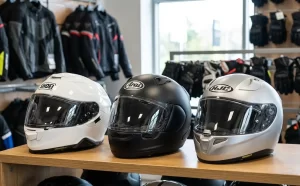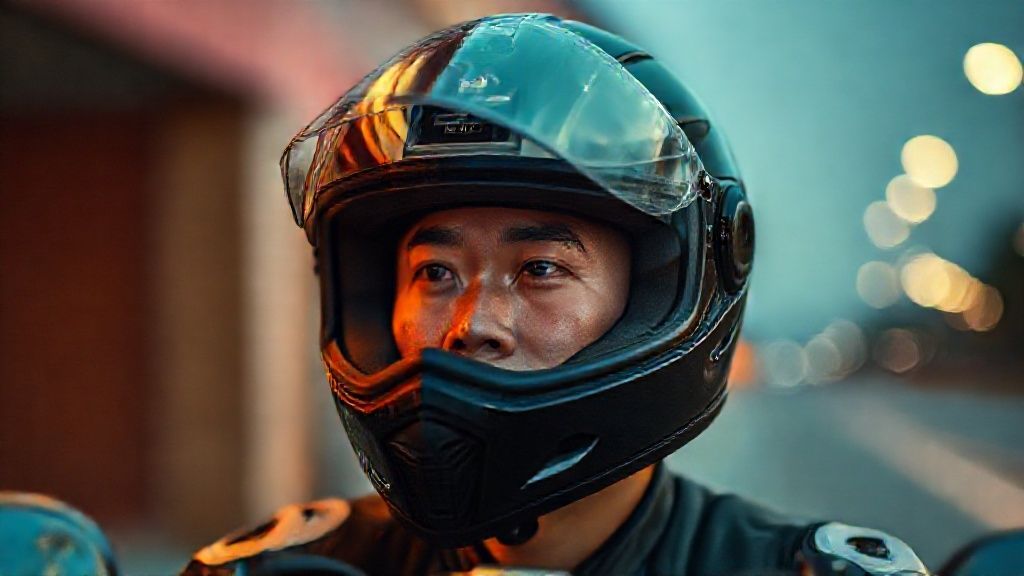
Finding the perfect motorcycle helmet can be challenging, especially if you have an Asian head shape. Many riders with rounder, wider heads and flatter backs struggle with Western-designed helmets that simply don’t fit properly.
An ill-fitting helmet isn’t just uncomfortable—it’s dangerous, compromising both safety and riding enjoyment. For a complete overview of head shapes and sizing, check out our Ultimate Guide to Motorcycle Helmets.
This comprehensive guide explores the best motorcycle helmets specifically designed or well-suited for Asian head shapes. We’ve evaluated helmets based on internal shape, comfort, safety certifications, ventilation, and value for money.
Whether you’re commuting daily through city traffic or embarking on long-distance touring adventures, the right helmet can transform your riding experience.
Our selection criteria focused on helmets with intermediate oval head to round head shape internal shapes, wider cheek padding configurations, and proven track records among Asian riders. We’ve considered options across various price points and styles to ensure there’s something for every rider and budget.
1. Shoei RF-1400
The Shoei RF-1400 represents the pinnacle of Japanese helmet engineering, designed with Asian head shapes as a primary consideration. This premium full-face helmet has earned legendary status among riders seeking the perfect combination of comfort, safety, and performance.
Overview
The RF-1400 features Shoei’s intermediate oval internal shape that naturally accommodates rounder Asian head profiles. Its multi-density EPS liner uses different foam densities strategically placed throughout the helmet to optimize both fit and impact absorption.
The shell comes in three sizes (small, medium, and large) to ensure proper fitment across different head sizes. Shoei’s advanced AIM+ shell construction creates a lightweight yet incredibly strong protective barrier. The helmet includes an integrated spoiler for aerodynamic stability at highway speeds.
The QR-E base plate system allows for quick shield changes. The 3D Max-Dry interior lining wicks moisture effectively while remaining soft against your skin. With DOT and SNELL M2020 certifications, the RF-1400 meets the highest safety standards available. It is also widely considered one of the best quietest motorcycle helmets on the market.
Key Features
- AIM+ Shell Construction: Lightweight and rigid.
- 3D Max-Dry Interior: Premium moisture-wicking.
- SNELL M2020: High safety standard.
- Compact Aerodynamics: Reduces wind noise.
Pros and Cons
Pros:
- Exceptional fit for round and intermediate oval head shapes with optimized Asian sizing.
- Superior ventilation system with multiple intake and exhaust vents for all-weather comfort.
- Whisper-quiet at highway speeds thanks to advanced aerodynamics and wind tunnel testing.
- Premium build quality with excellent attention to detail and long-term durability.
Cons:
- Premium pricing that may exceed budget constraints for some riders.
- Heavier than some carbon fiber alternatives on the market.
- Limited graphics options compared to more mainstream brands.
Pricing
The Shoei RF-1400 retails between $499 and $599.
Best For
Riders who want the gold standard in fit, finish, and silence.
2. Arai Corsair-X
Arai has built its reputation on creating helmets that prioritize fit and safety above all else. The Corsair-X continues this tradition with a distinctly rounder internal shape that Asian riders consistently praise for its comfort during extended wear.
Overview
The Corsair-X utilizes Arai’s proprietary round oval shape, making it one of the best options for riders who find most helmets too narrow. The helmet’s complex laminate construction (CLC) shell creates a stronger structure while maintaining a smooth, round exterior shape that glances off impacts more effectively.
Arai’s facial contour system allows for customizable cheek pad configurations, enabling riders to fine-tune the fit precisely. The helmet includes five intake vents and six exhaust vents for exceptional airflow management.
The VAS (Variable Axis System) shield mechanism provides a wider field of vision while maintaining structural integrity. Emergency quick-release cheek pads facilitate easier helmet removal. The interior uses moisture-wicking, removable, and washable materials. With SNELL M2020 and DOT certifications, helmet safety ratings explained clearly show why this is a top tier choice.
Key Features
- Round Oval Shape: Perfect for Asian head profiles.
- Glancing Off Strategy: Shell designed to deflect energy.
- VAS Shield System: Improved glancing ability.
- Adjustable Liner: Customizable fit pads.
Pros and Cons
Pros:
- Truly round oval shape ideal for Asian head profiles with wider dimensions.
- Exceptional build quality with hand-crafted attention to detail.
- Excellent peripheral vision and overall visibility for safer riding.
- Highly customizable fit with multiple liner and cheek pad options available.
Cons:
- Very expensive, representing a significant investment for most riders.
- Can feel tight initially and requires a proper break-in period.
- Ventilation, while good, doesn’t match some competitors in hot weather.
Pricing
The Arai Corsair-X retails between $849 and over $1,000.
Best For
Riders with a distinct round head shape who demand the highest safety standards.
3. HJC RPHA 11 Pro
HJC, a Korean manufacturer, understands Asian head shapes intimately. The RPHA 11 Pro delivers race-inspired performance and fit at a fraction of the cost of premium Japanese brands, making it an exceptional value proposition.
Overview
The RPHA 11 Pro features HJC’s intermediate oval shape with generous width throughout the helmet’s interior. Its Premium Integrated Matrix (PIM Plus) shell construction combines carbon fiber, aramid, and fiberglass for an incredibly lightweight yet protective structure.
The helmet weighs approximately 3.3 pounds in size medium, making it one of the lightest full-face options available. HJC’s advanced channeling ventilation system includes large top vents and chin vents that work together to create excellent airflow.
The RapidFire II shield replacement system allows tool-free shield changes in seconds. The helmet comes with a Pinlock-ready face shield to prevent fogging. The moisture-wicking interior liner uses advanced materials that dry quickly. It is often cited as the best full-face motorcycle helmet for the money due to its feature set.
Key Features
- PIM Plus Shell: Carbon/Glass hybrid.
- RapidFire Shield: Fast changes.
- Max Airflow Top Vent: Glove-friendly adjustment.
- Multi-Cool Interior: Advanced antibacterial fabric.
Pros and Cons
Pros:
- Excellent value offering premium features at mid-range pricing.
- Very lightweight construction reduces neck fatigue on long rides.
- Good fit for intermediate oval head shapes common among Asian riders.
- Wide variety of graphic designs and colorways to match personal style.
Cons:
- Ventilation effectiveness decreases noticeably at lower speeds.
- Interior padding quality doesn’t match premium competitors.
- Can be slightly noisy at highway speeds compared to Shoei or Arai.
Pricing
The HJC RPHA 11 Pro retails between $349 and $449.
Best For
Sport riders who want race-level features without the race-level price tag.
4. AGV K6
While AGV is an Italian brand, the K6 model features an internal shape that works surprisingly well for many Asian riders. This sport-touring helmet combines European styling with a fit that accommodates rounder head profiles.
Overview
The K6 utilizes a round oval to intermediate oval internal shape that provides adequate room for wider Asian head dimensions. AGV’s aramid, carbon, and fiberglass composite shell creates a strong yet relatively light structure, making it a top contender for the best lightweight carbon fiber helmet (composite category).
The helmet incorporates five front vents and two rear extractors that work with internal channeling to maintain consistent airflow. AGV’s Ultra-Wide visor provides an expansive field of vision, particularly beneficial for sport riding and track days.
The Ritmo fabric interior uses moisture-wicking materials that remain comfortable during intense riding sessions. The helmet includes a Pinlock Max Vision insert for superior fog resistance. The chin strap uses a double-D ring closure for maximum security.
Key Features
- Carbon-Aramid Shell: Ultra-lightweight protection.
- Collarbone Safe Profile: Reduces injury risk.
- 190° Horizontal View: Unmatched visibility.
- Ritmo & Shalimar Fabric: Premium comfort liner.
Pros and Cons
Pros:
- Excellent field of vision with minimal obstruction from helmet structure.
- Aggressive, modern styling that appeals to sport bike enthusiasts.
- Good ventilation performance in warm weather conditions.
- Competitive pricing for the features and quality provided.
Cons:
- May still feel slightly narrow for riders with very round head shapes.
- Interior comfort doesn’t quite match Japanese premium brands.
- Wind noise can be noticeable at highway speeds.
Pricing
The AGV K6 retails between $499 and $599.
Best For
Riders who want a lightweight helmet with a massive field of view.
5. Scorpion EXO-R1 Air
Scorpion has quietly built a reputation for creating helmets that offer exceptional value and versatility. The EXO-R1 Air delivers premium features and a fit that works well for Asian head shapes without the premium price tag.
Overview
The EXO-R1 Air features an intermediate oval shape with generous proportions that accommodate rounder Asian heads comfortably. Its TCT (Twin Shell Technology) construction uses two shell sizes across the full size range, ensuring proper proportions.
The helmet incorporates Scorpion’s AirFit inflation system, allowing riders to customize the fit by inflating cheek pad bladders for a more secure, personalized fit. This acts as a built-in motorcycle helmet fitment guide tool, ensuring the helmet stays snug as the padding breaks in.
The Kwikwick II interior lining wicks moisture effectively while remaining soft. The helmet includes an integrated Pinlock Max Vision insert for fog-free riding. The Ellip-Tec II ratchet system provides quick, secure closure.
Key Features
- AirFit System: Inflatable cheek pads.
- TCT Shell: Lightweight composite.
- Ellip-Tec II: Secure shield mechanism.
- Emergency Release: Cheek pad removal system.
Pros and Cons
Pros:
- AirFit system allows unprecedented fit customization for difficult-to-fit heads.
- Excellent value with premium features at accessible pricing.
- Good ventilation system keeps riders comfortable in varying conditions.
- Ratchet closure system offers convenience without sacrificing security.
Cons:
- Slightly heavier than premium carbon fiber alternatives.
- Interior materials, while functional, lack the luxury feel of premium brands.
- Limited availability in some markets and regions.
Pricing
The Scorpion EXO-R1 Air retails between $399 and $459.
Best For
Riders who struggle to find a perfect fit and need adjustability.
6. LS2 Challenger GT
LS2 has emerged as a strong contender in the value-oriented helmet market. The Challenger GT modular helmet offers versatility and a fit that many Asian riders find comfortable, all at an attractive price point.
Overview
The Challenger GT features a round oval internal shape that provides ample room for wider Asian head profiles. As a modular helmet, it offers the convenience of a flip-up chin bar while maintaining full-face protection when closed.
The kinetic polymer alloy shell balances weight and protection effectively. LS2’s Dynamic Flow-Through ventilation system includes multiple intake and exhaust vents for consistent airflow. The helmet uses a tool-free, quick-release visor mechanism.
The interior features laser-contoured, moisture-wicking padding. An integrated sun visor deploys with a simple switch, solving the tinted visor vs. drop-down sun shield debate. The helmet includes a Pinlock-ready clear shield.
Key Features
- Modular Design: Flip-up convenience.
- KPA Shell: Kinetic Polymer Alloy.
- Twin Shield System: Built-in sun visor.
- Round Oval Fit: Spacious interior.
Pros and Cons
Pros:
- Modular design offers exceptional convenience for daily use and touring.
- Integrated sun visor eliminates need for multiple shields or sunglasses.
- Excellent value pricing makes premium features accessible.
- Good fit for round oval head shapes with adequate width.
Cons:
- Heavier than full-face equivalents due to modular mechanism.
- Slightly noisier than premium full-face helmets at speed.
- Modular mechanism may have durability concerns over very long-term use.
Pricing
The LS2 Challenger GT retails between $199 and $299.
Best For
Touring riders who need modular motorcycle helmets flexibility.
7. Bell Race Star Flex DLX
Bell brings American engineering expertise to the table with the Race Star Flex DLX. While traditionally known for more oval shapes, this model’s sizing and flex liner technology accommodate Asian head shapes better than previous Bell offerings.
Overview
The Race Star Flex DLX utilizes Bell’s intermediate oval shape with their innovative Flex impact liner system. This three-layer impact liner progressively absorbs energy during impacts, potentially reducing rotational forces.
The carbon composite shell construction keeps weight down while maintaining structural integrity. Bell’s Velocity Flow ventilation system includes adjustable intake and exhaust vents for customizable airflow. The Panovision shield offers an expansive field of view with minimal distortion.
The helmet features Bell’s Magnefusion magnetic cheek pad attachment system for easy removal and installation. The XT2 antibacterial interior lining resists odor while wicking moisture effectively. It is compatible with photochromic transition visors (often included in DLX models).
Key Features
- Flex Impact Liner: Three-layer energy management.
- 3K Carbon Shell: Strong and light.
- Panovision Shield: Enhanced visibility.
- Virus CoolJade Liner: Advanced cooling fabric.
Pros and Cons
Pros:
- Advanced Flex liner technology may provide superior impact protection.
- Excellent ventilation system performs well in hot conditions.
- Premium build quality with attention to detail throughout.
- Track-ready certifications for riders who enjoy circuit riding.
Cons:
- Premium pricing places it in the higher end of the market.
- May still feel slightly narrow for very round head shapes.
- Magnetic cheek pad system, while convenient, may not feel as secure initially.
Pricing
The Bell Race Star Flex DLX retails between $699 and $849.
Best For
Riders looking for advanced rotational impact protection.
8. Shark Spartan GT Carbon
Shark, a French manufacturer, has gained traction among riders seeking distinctive styling and solid performance. The Spartan GT Carbon offers a fit that works surprisingly well for Asian riders, particularly those seeking a sport-touring option.
Overview
The Spartan GT Carbon features an intermediate oval shape with generous interior dimensions that accommodate rounder head profiles. Its carbon fiber shell construction significantly reduces weight while maintaining excellent protective properties.
Shark’s auto-seal visor system creates a tight seal against the helmet opening, reducing wind noise and improving aerodynamics. The helmet includes an integrated sun visor that deploys smoothly. Shark’s Easy Fit system creates channels in the cheek pads for eyeglass temples, making it one of the best motorcycle helmet for glasses wearers.
The Dry Comfort interior uses moisture-wicking, antibacterial materials that remain fresh over time. The ventilation system includes multiple adjustable vents that provide good airflow management.
Key Features
- Carbon Fiber Shell: Lightweight and strong.
- Shark Skin Visor Fastening: Reduces aerodynamic noise.
- Easy Fit System: Glasses friendly.
- Auto-Seal Visor: Better soundproofing.
Pros and Cons
Pros:
- Carbon fiber construction provides excellent strength-to-weight ratio.
- Integrated sun visor and Easy Fit system add practical convenience.
- Distinctive styling sets it apart from more common Japanese brands.
- Good fit for intermediate oval shapes with adequate width.
Cons:
- Less established reputation in some markets compared to Japanese brands.
- Replacement parts and accessories may be harder to source locally.
- Quality control can be inconsistent compared to premium Japanese manufacturers.
Pricing
The Shark Spartan GT Carbon retails between $449 and $599.
Best For
Sport-touring riders who need a quiet, glasses-friendly helmet.
9. Nolan N87
Nolan offers European design sensibilities with practical features at accessible price points. The N87 provides a comfortable fit for many Asian riders while delivering solid all-around performance for street riding and commuting.
Overview
The N87 features a round oval to intermediate oval internal shape that provides good accommodation for Asian head profiles. Its lexan polycarbonate shell construction offers solid protection at a budget-friendly price point.
Nolan’s VPS (Vision Protection System) internal sun visor deploys easily with a slider mechanism, providing instant sun protection without shield changes. The helmet uses Nolan’s Airbooster Technology ventilation system with front and rear vents that create effective air circulation.
The Clima Comfort interior lining uses moisture-wicking, hypoallergenic materials. The microlock retention system provides secure closure with easy adjustment. The helmet comes with a Pinlock vs. Anti-Fog Sprays ready shield (Pinlock usually included).
Key Features
- Lexan Polycarbonate Shell: Durable and affordable.
- Airbooster Technology: Effective ventilation.
- VPS Sunscreen: UV400 protection.
- Microlock2: Secure retention system.
Pros and Cons
Pros:
- Excellent value proposition with practical features at budget-friendly pricing.
- Integrated sun visor adds convenience for daily riding.
- Good fit for round oval head shapes common among Asian riders.
- Wide variety of graphic options and colorways available.
Cons:
- Polycarbonate shell is heavier than composite alternatives.
- Interior padding quality and comfort don’t match premium competitors.
- Wind noise is more noticeable at highway speeds.
Pricing
The Nolan N87 retails between $249 and $349.
Best For
Commuters who want Italian design on a budget.
Conclusion
Choosing the right motorcycle helmet for an Asian head shape doesn’t mean settling for compromised safety or comfort. The helmets featured in this guide represent the best options currently available, each offering distinct advantages depending on your riding style, budget, and specific fit requirements. Japanese manufacturers like Shoei and Arai remain gold standards for Asian head shapes, but excellent alternatives from HJC, AGV, and Scorpion prove that perfect fit doesn’t always require premium pricing.
Remember that proper fit is paramount—a helmet should feel snug but not painfully tight, with even pressure distribution around your entire head. Always try helmets in person when possible, and wear them for at least 15-20 minutes to assess true comfort.
Frequently Asked Questions
What makes a helmet suitable for Asian head shapes?
Helmets suitable for Asian head shapes typically feature round oval to intermediate oval internal shapes, which accommodate wider, rounder heads with flatter backs. These helmets have more generous width measurements and less front-to-back elongation compared to long oval helmets.
How do I determine my head shape for helmet fitting?
To determine your head shape, measure your head circumference, then have someone look at your head from above. If your head appears nearly circular, you have a round head shape. If it’s slightly elongated front-to-back, you have an intermediate oval shape.
Are expensive helmets always better for Asian head shapes?
Not necessarily. While premium helmets from Shoei and Arai often provide exceptional fit, mid-range options like HJC and Scorpion offer excellent fit and safety at lower price points. The key is finding the right internal shape.
Can I modify a helmet to fit my Asian head shape better?
Limited modifications are possible. You can purchase different thickness cheek pads or crown pads to fine-tune fit. Some helmets like the Scorpion EXO-R1 Air offer inflation systems. However, never modify the helmet’s shell or EPS liner.
How often should I replace my motorcycle helmet?
Replace your helmet every five years regardless of visible wear, as materials degrade over time. Replace immediately after any impact. For more details, see our guide on when to replace your motorcycle helmet.