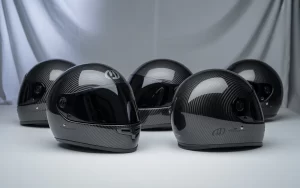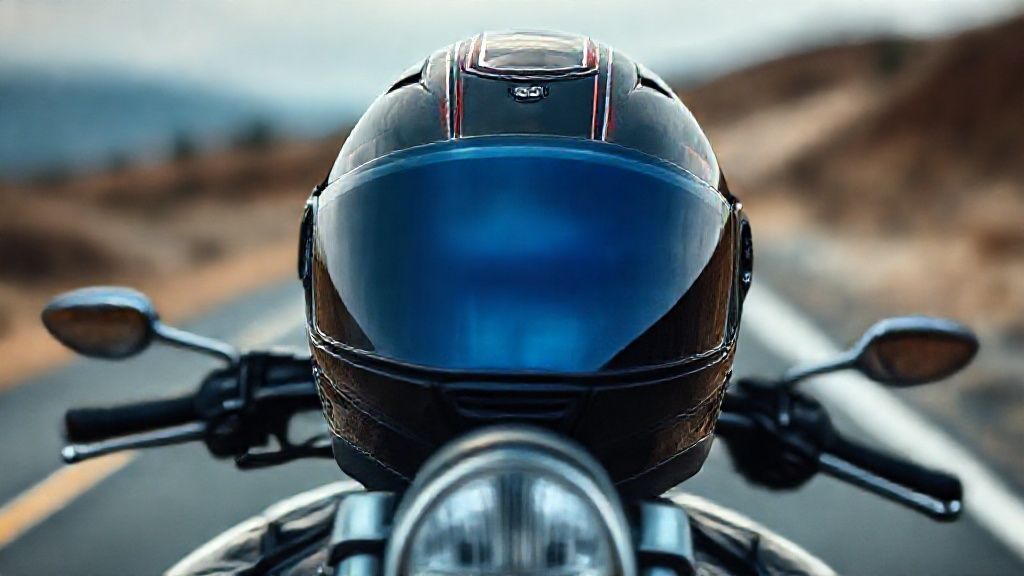
Choosing your first motorcycle helmet is one of the most important decisions you’ll make as a new rider. The right helmet doesn’t just protect your head—it can mean the difference between walking away from an accident and suffering a life-changing injury.
With countless options flooding the market, each claiming to be the safest and most comfortable, finding the perfect helmet can feel overwhelming for beginners. For a complete breakdown of everything you need to know before buying, check out our Ultimate Guide to Motorcycle Helmets.
In this comprehensive guide, we’ll walk you through the nine best motorcycle helmets specifically suited for new riders. We’ve carefully selected helmets that balance safety, comfort, value, and user-friendliness—all crucial factors when you’re just starting your riding journey.
Our selection criteria focused on DOT and ECE safety certifications, ease of use, weight, ventilation, noise levels, and overall value for money. Whether you’re commuting to work or planning weekend rides, these helmets will give you the confidence and protection you need to enjoy the road ahead.
1. HJC i71 Full-Face Helmet
The HJC i71 stands as an exceptional entry-level helmet that doesn’t compromise on quality or features. Known for delivering premium protection at an accessible price point, this helmet has quickly become a favorite among new riders who want professional-grade safety without breaking the bank. It is frequently cited as the best full-face motorcycle helmet for the money due to its balance of cost and performance.
Overview
The HJC i71 features an advanced polycarbonate composite shell that provides excellent impact protection while keeping the weight manageable for all-day comfort. The helmet incorporates HJC’s Advanced Channeling Ventilation System, which efficiently draws cool air in through the forehead and chin vents while expelling hot air through rear exhaust vents.
The interior features moisture-wicking, removable, and washable padding that helps keep you comfortable during long rides. The optically-correct face shield provides a wide field of vision and comes with a Pinlock-ready insert to prevent fogging. The helmet’s aerodynamic design minimizes wind noise and buffeting at highway speeds, making it ideal for new riders still adjusting to the sensations of riding.
Key Features
- Polycarbonate Composite Shell: Lightweight and durable.
- Advanced Channeling Ventilation: Front-to-back airflow.
- Pinlock Ready: Fog-free vision (insert often included).
- Integrated Sun Shield: Quick deployment for bright days.
Pros and Cons
Pros:
- Excellent value for money with premium features typically found in higher-priced helmets.
- Lightweight construction reduces neck fatigue during extended rides.
- Superior ventilation system keeps you cool in warm weather conditions.
- Easy-to-use shield mechanism that new riders can operate even with gloves.
Cons:
- Interior padding may feel slightly firm during the initial break-in period.
- Limited color and graphic options compared to premium brands.
- Chin strap could be more comfortable for riders with sensitive skin.
Pricing
The HJC i71 retails between $230 and $280.
Best For
New riders who want a feature-rich, reliable helmet that won’t blow their budget.
2. Bell Qualifier DLX MIPS
The Bell Qualifier DLX MIPS brings cutting-edge brain protection technology to the beginner-friendly price range. With its integrated what is MIPS in motorcycle helmets (Multi-directional Impact Protection System), this helmet offers enhanced safety that goes beyond standard certifications, making it an intelligent choice for safety-conscious new riders.
Overview
Bell’s Qualifier DLX MIPS features a lightweight polycarbonate shell combined with the revolutionary MIPS technology, which adds a low-friction layer inside the helmet designed to reduce rotational forces during angled impacts. The helmet comes equipped with Bell’s Velocity Flow Ventilation system, featuring multiple intake and exhaust ports.
The NutraFog II anti-fog face shield provides clear vision in various weather conditions, while the integrated speaker pockets make it one of the best motorcycle helmets with bluetooth compatibility right out of the box (unit sold separately). The contoured cheek pads and plush interior liner create a comfortable, secure fit that new riders appreciate.
Key Features
- MIPS Technology: Rotational impact protection.
- NutraFog II Shield: Anti-fog, anti-scratch, and UV protected.
- Velocity Flow Ventilation: Adjustable cooling.
- Speaker Pockets: Ready for comms systems.
Pros and Cons
Pros:
- MIPS technology provides additional protection against rotational brain injuries.
- Excellent ventilation system prevents overheating during stop-and-go traffic.
- Built-in speaker pockets simplify communication system installation.
- Wide range of sizes and colorways to match any style preference.
Cons:
- Slightly heavier than some competitors due to MIPS layer.
- Can be noisy at highway speeds without additional wind protection.
- Premium price point compared to basic entry-level options.
Pricing
The Bell Qualifier DLX MIPS retails around $280 to $300.
Best For
Safety-first beginners who want advanced rotational protection technology.
3. Scorpion EXO-R420
The Scorpion EXO-R420 delivers race-inspired performance at a price point that won’t intimidate new riders. This helmet combines aerodynamic efficiency with practical features, making it perfect for beginners who plan to progress their riding skills quickly.
Overview
Built with an advanced LG polycarbonate shell, the EXO-R420 offers a lightweight yet robust protective structure across three shell sizes for optimal fit. The helmet’s AirFit inflation system allows riders to customize cheek pad fit using a simple pump mechanism, essentially acting as a customizable motorcycle helmet fitment guide built into the gear.
Scorpion’s Kwikwick II liner wicks moisture away efficiently and can be removed for washing. The EverClear no-fog face shield comes standard, eliminating the need for aftermarket anti-fog solutions. The helmet features an aggressive, aerodynamic shape that cuts through wind effectively.
Key Features
- AirFit System: Inflatable cheek pads for a custom fit.
- SNELL Certified: High safety standard (on most sizes).
- Ellip-Tec II Ratchet System: Secure shield closure.
- KwikWick II Liner: Antimicrobial fabric.
Pros and Cons
Pros:
- AirFit pump system enables perfect customization of cheek pad fit.
- Aerodynamic design significantly reduces wind resistance and noise.
- Emergency quick-release cheek pads enhance post-accident safety.
- Excellent build quality that exceeds expectations for the price range.
Cons:
- Ventilation system less sophisticated than higher-end competitors.
- Face shield mechanism can be stiff initially and requires break-in.
- Limited availability in some regions and retail locations.
Pricing
The Scorpion EXO-R420 retails for approximately $160 to $180.
Best For
New riders with hard-to-fit face shapes who benefit from the AirFit adjustment.
4. AGV K3 SV
The AGV K3 SV brings Italian design heritage and MotoGP-inspired technology to the entry-level segment. For new riders who appreciate style alongside substance, this helmet offers a perfect blend of racing pedigree and beginner-friendly features.
Overview
The K3 SV utilizes AGV’s wind tunnel-tested aerodynamics, resulting in exceptional stability at all speeds—a confidence-inspiring feature for riders still developing their highway comfort. The helmet’s shell is constructed from thermoplastic resin in four sizes, ensuring proper proportions.
AGV’s innovative ventilation system includes five front air intakes and two rear extractors. The optically-correct Class 1 visor offers 190-degree horizontal field of vision. The Dry-Comfort fabric interior absorbs and disperses moisture. The helmet comes with a Pinlock vs. Anti-Fog Sprays ready insert included, demonstrating AGV’s commitment to clear vision.
Key Features
- HIR-TH Shell: High Resistance Thermoplastic Resin.
- GT4 Visor: 190-degree horizontal view.
- Integrated Sun Visor: Easy light management.
- Micrometric Buckle: Quick and secure fastening.
Pros and Cons
Pros:
- Superior aerodynamic stability reduces head buffeting at speed.
- Exceptional field of vision enhances safety for less experienced riders.
- Pinlock Max Vision insert included eliminates fogging issues.
- Italian styling and graphics options stand out from typical beginner helmets.
Cons:
- Runs slightly smaller than other brands, requiring careful sizing.
- Higher price point than basic entry-level alternatives.
- Replacement parts and shields can be expensive and harder to source.
Pricing
The AGV K3 SV retails between $240 and $300.
Best For
Style-conscious beginners who want Italian design and a massive field of view.
5. LS2 Challenger GT
The LS2 Challenger GT represents outstanding value engineering, packing features typically reserved for mid-range helmets into an affordable package. This helmet offers versatility that new riders appreciate as they explore different riding scenarios and preferences.
Overview
The Challenger GT is a sport-touring helmet designed with input from MotoGP, Moto2, and Moto3 riders. The kinetic polymer alloy (KPA) shell provides robust protection while maintaining reasonable weight. LS2’s Dynamic Flow-Through Ventilation system features adjustable intake and exhaust vents that provide excellent airflow control.
The helmet includes an integrated, retractable sun visor—a practical feature that eliminates the need for prescription sunglasses. This makes it a great alternative to modulars if you are looking for similar convenience, though if you prefer the flip-up functionality, check out our guide on best motorcycle modular helmets.
Key Features
- KPA Shell: Lightweight alloy composite.
- Twin Shield System: Built-in drop-down sun visor.
- Class A Visor: Optically correct “A Class” Polycarbonate.
- Emergency Release System: Cheek pads removal.
Pros and Cons
Pros:
- Integrated drop-down sun visor eliminates need for separate sunglasses.
- Exceptional value with premium features at entry-level pricing.
- Quiet operation for a budget helmet, comfortable for highway riding.
- Wide eye port for great visibility.
Cons:
- Heavier than traditional carbon-fiber sport helmets.
- Fit can be long oval, which may not suit everyone.
- Bulkier profile may not appeal to riders preferring sleek aesthetics.
Pricing
The LS2 Challenger GT retails between $200 and $300.
Best For
Commuters who need an integrated sun visor and all-day comfort.
6. Shoei RF-SR
The Shoei RF-SR represents a step up in quality for new riders willing to invest more in their safety and comfort. While pricier than budget options, this helmet delivers Japanese craftsmanship and attention to detail that justifies the investment for serious beginners.
Overview
Shoei’s RF-SR features a sophisticated AIM shell (Advanced Integrated Matrix) constructed from multiple layers of fiberglass that create an exceptionally strong yet lightweight structure. The helmet utilizes Shoei’s sophisticated ventilation system with four intake vents and six exhaust outlets.
The 3D Max-Dry interior lining system II offers superior moisture management and comfort. The CWR-1 shield provides an expansive field of vision with Pinlock EVO lens compatibility. It is widely considered one of the best quietest motorcycle helmets available for entry-level premium buyers.
Key Features
- AIM Shell: Hand-laid fiberglass matrix.
- CWR-1 Shield: Easy removal and Pinlock ready.
- Dual-Layer EPS Liner: Optimized impact absorption.
- Emergency Quick Release System (E.Q.R.S.): Safety feature.
Pros and Cons
Pros:
- Premium construction quality ensures long-term durability and protection.
- Exceptional comfort for all-day riding with minimal pressure points.
- Quietest helmet in its class, reducing fatigue on long rides.
- Superior ventilation keeps riders comfortable in various weather conditions.
Cons:
- Significantly higher price point may strain new rider budgets.
- Conservative styling may not appeal to riders wanting bold graphics.
- Replacement shields and parts are expensive compared to budget brands.
Pricing
The Shoei RF-SR retails around $450.
Best For
Beginners who want to buy one high-quality helmet that will last for years.
7. Icon Airflite
The Icon Airflite brings distinctive retro-modern styling and innovative features to riders who want to stand out. This helmet’s unique design philosophy and practical innovations make it an intriguing choice for new riders with an eye for unconventional aesthetics.
Overview
The Airflite features Icon’s injection-molded polycarbonate shell with a distinctive, almost spherical profile. The helmet’s most notable feature is its massive eye port with a tall, optically-correct face shield that provides an exceptionally wide field of view.
Icon’s Fog-Free shield technology and included Pinlock insert ensure clear vision. A unique feature is the removable breath deflector and chin curtain system. The helmet includes an integrated tinted visor vs. drop-down sun shield solution (internal DropShield) for added convenience.
Key Features
- Polycarbonate Shell: Tough and durable.
- Fliteshield: Full-face coverage shield.
- Internal DropShield: Instant sun protection.
- Hydradry Liner: Moisture-wicking interior.
Pros and Cons
Pros:
- Massive eye port provides unparalleled field of vision and awareness.
- Distinctive styling makes a bold statement on the road.
- Integrated sun visor adds practical functionality.
- Comfortable fit with well-designed interior padding system.
Cons:
- Unconventional shape may not appeal to traditional riders.
- Ventilation adequate but not as efficient as sport-focused helmets.
- Slightly heavier than comparably-priced traditional full-face designs.
Pricing
The Icon Airflite retails between $250 and $350.
Best For
Urban riders who want to make a visual statement while staying safe.
8. Arai Signet-X
The Arai Signet-X represents the pinnacle of helmet engineering for riders with long oval shaped head profiles. While expensive, this helmet offers uncompromising safety and comfort that makes it worthy of consideration for new riders making a serious long-term commitment.
Overview
Arai’s Signet-X is handcrafted using the company’s proprietary complex laminate construction (CLC) process. The helmet’s long oval internal shape specifically accommodates riders whose standard round helmets create uncomfortable pressure points on the forehead.
Arai’s sophisticated ventilation system includes multiple intake and exhaust vents that can be precisely adjusted. The VAS (Variable Axis System) shield system provides a wider range of shield positioning options. The interior features Arai’s plush, removable, and washable comfort liner system.
Key Features
- PB-SNC2 Shell: Super fiber laminate for strength.
- Long Oval Fit: Specifically for longer head shapes.
- VAS Shield Mechanism: Glancing off capabilities.
- Facial Contour System: Enhanced comfort and stability.
Pros and Cons
Pros:
- Exceptional safety engineering with philosophy prioritizing impact protection.
- Perfect fit for long oval head shapes that struggle with other brands.
- Handcrafted quality ensures consistent, premium construction.
- Long-term comfort unmatched by mass-produced alternatives.
Cons:
- Premium pricing makes it the most expensive option for new riders.
- Limited graphic options compared to brands focusing on bold designs.
- Requires specific long oval head shape for proper fit.
Pricing
The Arai Signet-X retails between $700 and $850.
Best For
Riders with a long-oval head shape who cannot find a comfortable fit elsewhere.
9. Sedici Strada II Carbon
The Sedici Strada II Carbon offers carbon fiber construction at an accessible price point, making advanced materials available to budget-conscious new riders. This helmet proves that you don’t need to spend a fortune to enjoy the benefits of lightweight, premium materials.
Overview
The Strada II Carbon utilizes a genuine carbon fiber composite shell that significantly reduces weight compared to polycarbonate alternatives. It is a top contender for the best lightweight carbon fiber helmet for beginners.
The helmet features a well-designed ventilation system with adjustable intake vents at the forehead and chin. The anti-fog, anti-scratch face shield provides clear vision and includes a Pinlock-ready shield. An integrated drop-down sun visor adds convenience. The helmet includes speaker pockets for easy communication system integration.
Key Features
- Carbon Fiber Shell: Ultra-lightweight and strong.
- Aerodynamic Shape: Reduces lift and drag.
- Integrated Sun Visor: Easy light adaptation.
- Antibacterial Liner: Keeps interior fresh.
Pros and Cons
Pros:
- Carbon fiber construction at fraction of typical carbon helmet prices.
- Lightweight design reduces neck strain during extended riding sessions.
- Integrated sun visor provides practical functionality for daily riding.
- Solid safety certifications confirm legitimate protective capabilities.
Cons:
- Brand recognition lower than established helmet manufacturers.
- Limited availability through specialty retailers rather than mass market.
- Ventilation adequate but not as sophisticated as premium sport helmets.
Pricing
The Sedici Strada II Carbon retails around $200 to $250.
Best For
Riders who want the prestige and performance of carbon fiber on a budget.
Conclusion
Selecting the best motorcycle helmet for your needs as a new rider ultimately depends on your specific priorities, budget, and head shape. Each helmet in this guide offers distinct advantages, from the budget-friendly excellence of the HJC i71 to the premium craftsmanship of the Arai Signet-X. Remember that the most expensive helmet isn’t necessarily the best choice—the right helmet is one that fits properly.
As a new rider, prioritize proper fit above all else. Before buying, make sure to read our guide on how to measure head for motorcycle helmet to ensure you get the right size.
Frequently Asked Questions
How much should a new rider spend on their first helmet?
New riders should budget between $150 and $400 for their first quality helmet. Excellent helmets with proper safety certifications are available in this price bracket. You’re often paying more for comfort features and weight reduction rather than dramatically improved safety in higher brackets.
What safety certifications should I look for in a motorcycle helmet?
At minimum, your helmet should carry DOT certification (US). ECE 22.05/22.06 (Europe) indicates more rigorous testing. SNELL certification represents even more stringent standards. For a deep dive, read helmet safety ratings explained.
How do I know if my motorcycle helmet fits correctly?
A properly fitting helmet should feel snug around your entire head without creating painful pressure points. When you shake your head side to side, the helmet should move with your head rather than sliding around independently.
Should new riders choose full-face, modular, or open-face helmets?
New riders should strongly consider full-face helmets for maximum protection. Statistics show that approximately 35% of motorcycle helmet impacts occur in the chin bar area, which open-face helmets leave unprotected.
How often should I replace my motorcycle helmet?
Replace your motorcycle helmet every five years under normal use conditions, or immediately after any significant impact. For more signs on when to toss it, check our guide on when to replace your motorcycle helmet.