Stepping into a motorcycle gear store or browsing online for your first helmet can feel like being dropped into a foreign country without a translator. The options seem endless—there are over 50 reputable brands, each with multiple models, and prices that range anywhere from $50 to an eye-watering $1,500. It’s no wonder so many new riders feel overwhelmed.
The pressure to make the right choice is also significant. After all, this isn’t just any purchase—it’s the gear that protects your most vital asset: your brain. You don’t want to cheap out on “budget junk” that offers minimal protection, but as a beginner, you probably don’t need (or want to pay for) professional racing features either.
That’s exactly why we created this guide. We’ve selected these helmets based on three criteria absolutely crucial for new riders: verified ECE/Snell safety ratings, exceptional value for money, and user-friendly features that make the riding experience easier while you’re still learning the ropes.
Before diving into specific models, it’s worth understanding the different styles available. If you’re not sure what helmet type might suit your riding style best, check out our comprehensive guide on The 6 Types of Motorcycle Helmets first.
Our Ultimate Guide to Motorcycle Helmets also provides deeper insights into what makes a quality helmet worth investing in. Now, let’s find you a helmet that offers both safety and value without breaking the bank.
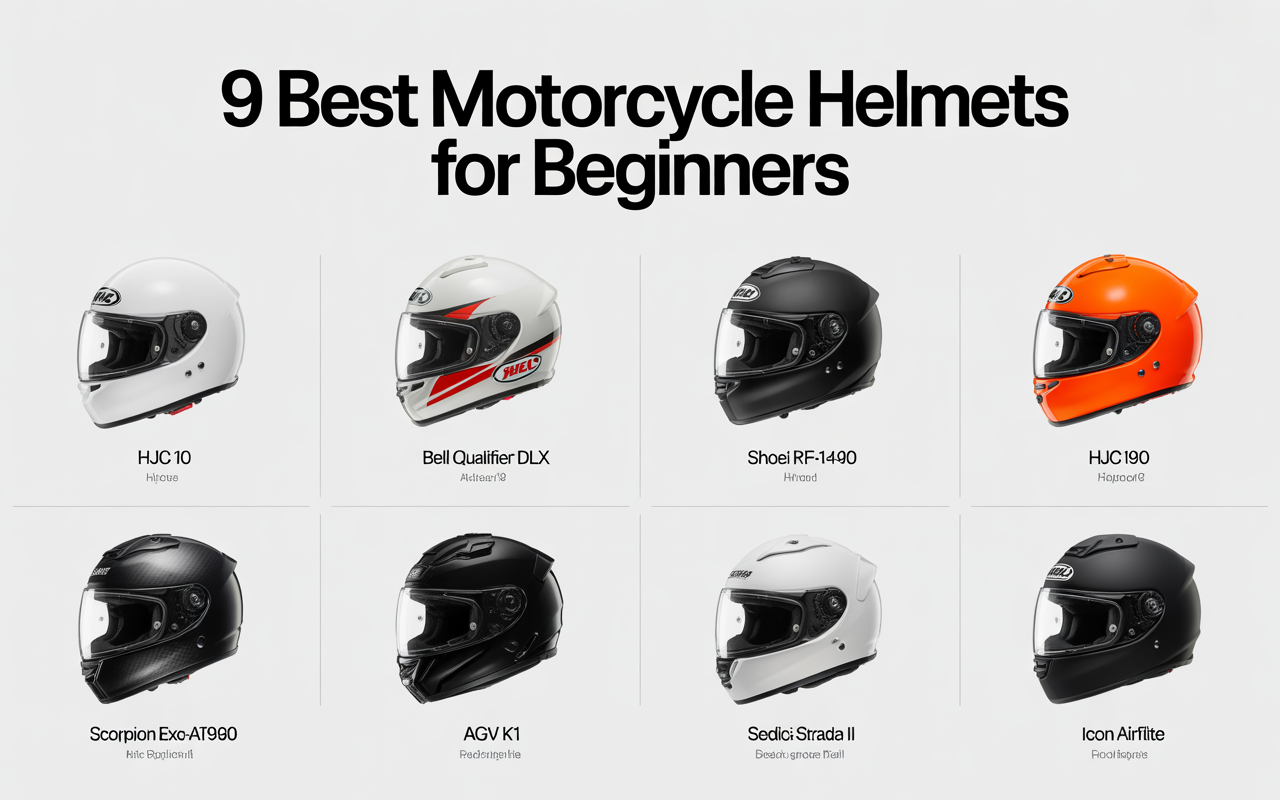
Quick Summary: Top 9 Motorcycle Helmets for Beginners
| Helmet | Best For | Check Price |
| 1. HJC i10 | TOP PICK OVERALL: Best balance of safety (SNELL rated) and affordability | Check Price |
| 2. Bell Qualifier DLX | BEST BUDGET: Aggressive styling with transition lens under $150 | Check Price |
| 3. Shoei RF-1400 | BEST PREMIUM: Top-tier comfort, quietness, and SNELL safety for serious riders | Check Price |
| 4. HJC i90 | BEST MODULAR: Versatile flip-up design, excellent for glasses wearers | Check Price |
| 5. Scorpion EXO-AT960 | BEST “DO-IT-ALL” MODULAR: Evolution of the AT950 with updated features | Check Price |
| 6. AGV K3 | BEST SPORT STYLE: Aerodynamic shell with integrated sun visor and aggressive look | Check Price |
| 7. Arai Corsair X | ULTIMATE PREMIUM: Handcrafted quality and unmatched safety for serious riders | Check Price |
| 8. Scorpion EXO-AT950 | BEST ADVENTURE: Versatile dual-sport design for street and light off-road use | Check Price |
| 9. LS2 Challenger | BEST VALUE MODULAR: Convenient flip-up design ideal for commuters | Check Price |
| 10. Sedici Strada II | BEST VALUE FIBERGLASS: Lightweight fiberglass/kevlar construction at a budget price | Check Price |
| 11. Icon Airflite | BEST STYLE: Distinctive aggressive styling with a massive field of view | Check Price |
1. HJC i10: The Best Overall Value for Beginners
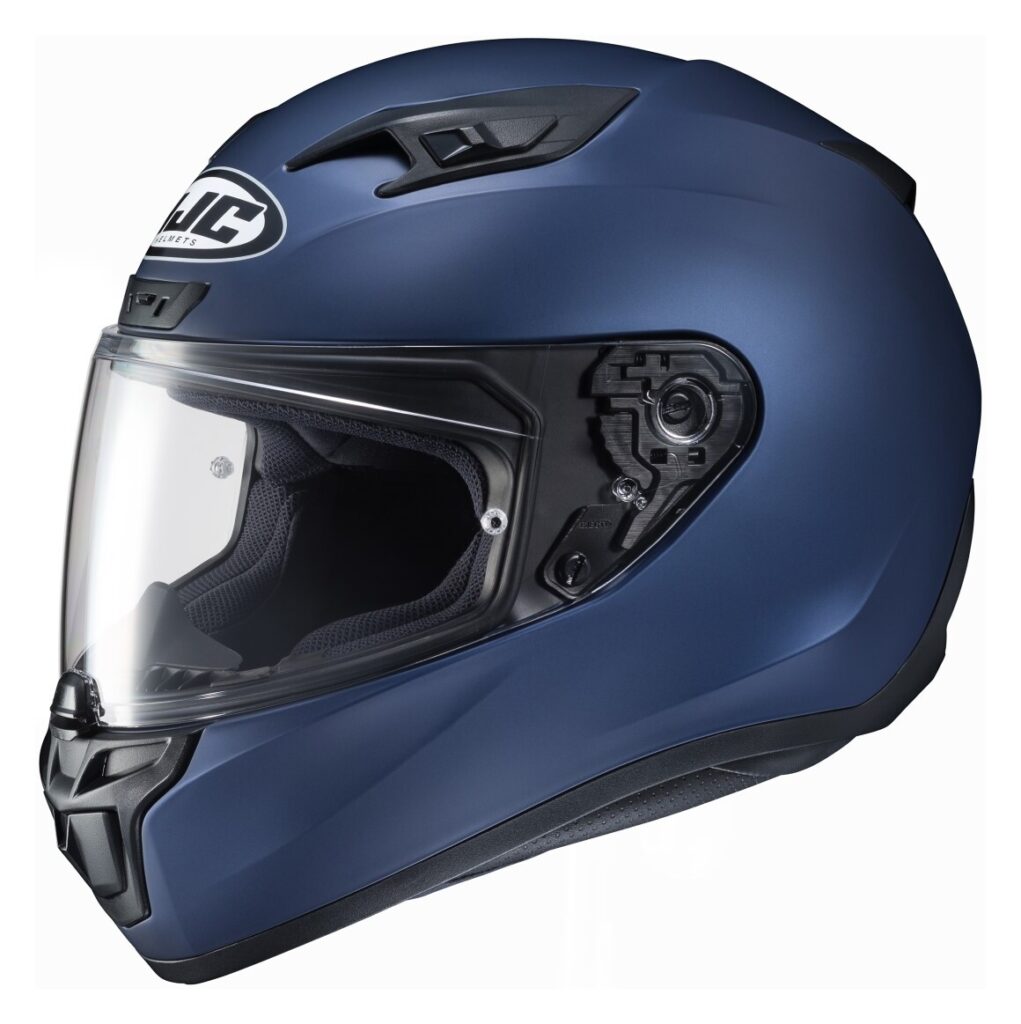
The HJC i10 stands as our top recommendation for new riders, offering an exceptional combination of premium safety features at a surprisingly accessible price point. What sets this helmet apart is its SNELL safety certification—a rigorous standard rarely found in helmets under $200—making it an outstanding value proposition for those just starting their motorcycling journey.
Why It’s Our #1 Pick
The i10 doesn’t just meet the minimum DOT requirements like many entry-level helmets; it exceeds them with its SNELL M2020 certification, providing superior impact protection without the premium price tag. This level of safety typically demands a much higher investment, but HJC has managed to deliver it at around $160-$190 depending on graphics.
Key Features
Advanced Ventilation System: The i10 features HJC’s ACS (Advanced Channeling Ventilation System) with 8 intake vents and 2 exhaust vents that create effective airflow throughout the helmet. This system efficiently pulls cool air in and pushes hot air out, keeping your head comfortable during long rides.
RapidFire Shield Replacement: One of the most beginner-friendly features is the tool-less shield change system. With HJC’s RapidFire system, you can swap visors in seconds without fumbling with complicated mechanisms—perfect for new riders still getting used to gear maintenance.
Wide Size Range: Available in sizes XS through 2XL, the i10 accommodates most head sizes, with an intermediate oval fit that suits the majority of North American riders.
Weight: At approximately 3.5 pounds (1,590 grams), the i10 is slightly heavier than premium helmets but still manageable for everyday use.
Pros
- SNELL M2020 safety certification (rare at this price point)
- Excellent value under $200
- Proven reliability from an established brand
- Easy-to-use shield replacement system
- Good ventilation for all-season riding
- Available in multiple colorways and graphics options
Cons
- Slightly heavier than premium helmets
- Can be noisy at highway speeds (earplugs recommended)
- Interior padding, while comfortable, isn’t as plush as higher-end models
Verdict
The HJC i10 represents the smartest money you can spend as a new rider. It delivers the safety features that actually matter—like SNELL certification and quality construction—without charging you for premium extras you might not need yet. For beginners concerned about protection without breaking the bank, this helmet offers unmatched value and will serve you well as you develop your riding skills.
2. Bell Qualifier DLX: The Best Budget Pick
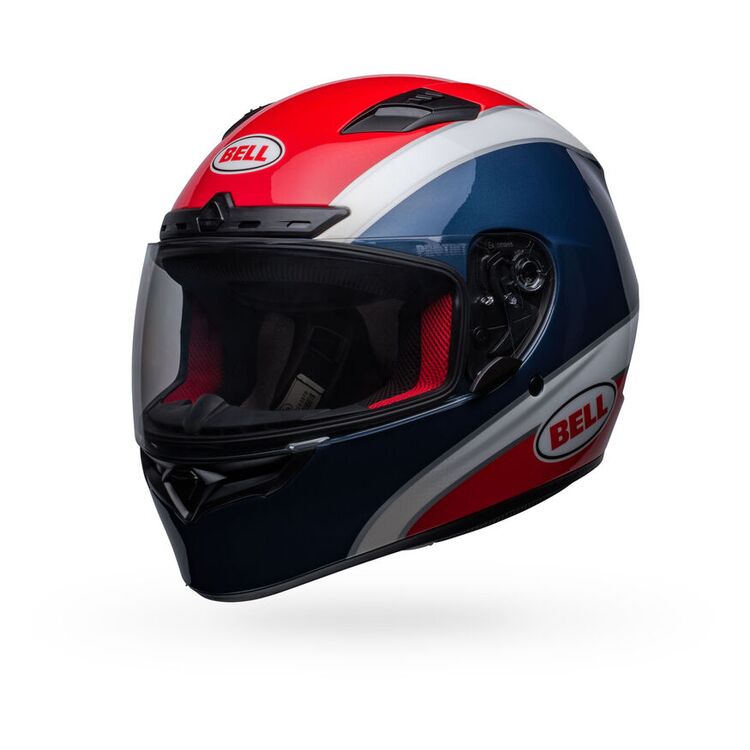
For beginners who want to make a statement without breaking the bank, the Bell Qualifier DLX stands out as our top budget choice. This helmet delivers an impressive combination of aggressive styling and practical features that new riders will appreciate.
The Qualifier DLX immediately catches the eye with its sharp, modern aesthetic that looks far more expensive than its price tag suggests. Available in multiple graphic options and colorways, this helmet lets you express your personality right from day one of riding.
Key Features
What truly sets the Qualifier DLX apart from other budget helmets is its included Transitions™ adaptive shield. This photochromic visor automatically adjusts its tint based on lighting conditions – darkening in bright sunlight and clearing up when riding in shadows or at night. For new riders, this eliminates the need to purchase separate tinted visors or sunglasses, saving both money and the hassle of switching shields.
Some versions of the Qualifier DLX also offer MIPS (Multi-directional Impact Protection System) technology – a safety feature typically found only in more expensive helmets. MIPS helps reduce rotational forces on the brain during angled impacts, providing an extra layer of protection that’s particularly valuable for inexperienced riders.
Specs at a Glance
- Weight: 3.3 lbs (slightly heavier than premium options)
- Shape: Intermediate Oval (fits most head shapes)
- Safety: DOT & ECE certified
- Ventilation: 7 intake vents with 2 exhaust ports
- Shell Material: Polycarbonate composite
Pros
- Aggressive, premium-looking styling that belies its budget price
- Transitions™ visor saves money on separate sunglasses or tinted shields
- Click-release shield system makes visor changes quick and tool-free
- Padded wind collar helps reduce wind noise
- Excellent size range accommodates most riders
- Optional MIPS technology available for enhanced safety
Cons
- Noticeably louder wind noise than mid-range or premium helmets
- Only DOT/ECE rated (no Snell certification)
- Heavier than more expensive helmets, which can cause neck fatigue on longer rides
- Ventilation is adequate but not exceptional
Verdict
The Bell Qualifier DLX is perfect for city riders who want to look good on a budget without sacrificing essential features. The included Transitions™ visor alone justifies the price, offering convenience that even some premium helmets charge extra for. While it won’t provide the quietest or lightest riding experience, it delivers remarkable value for new riders who are watching their budget while still wanting a helmet that looks and performs well above its price point.
If you’re primarily doing shorter urban rides and want to maximize your gear budget while still looking the part, the Bell Qualifier DLX should be at the top of your list.
3. Shoei RF-1400: The Premium “Splurge”
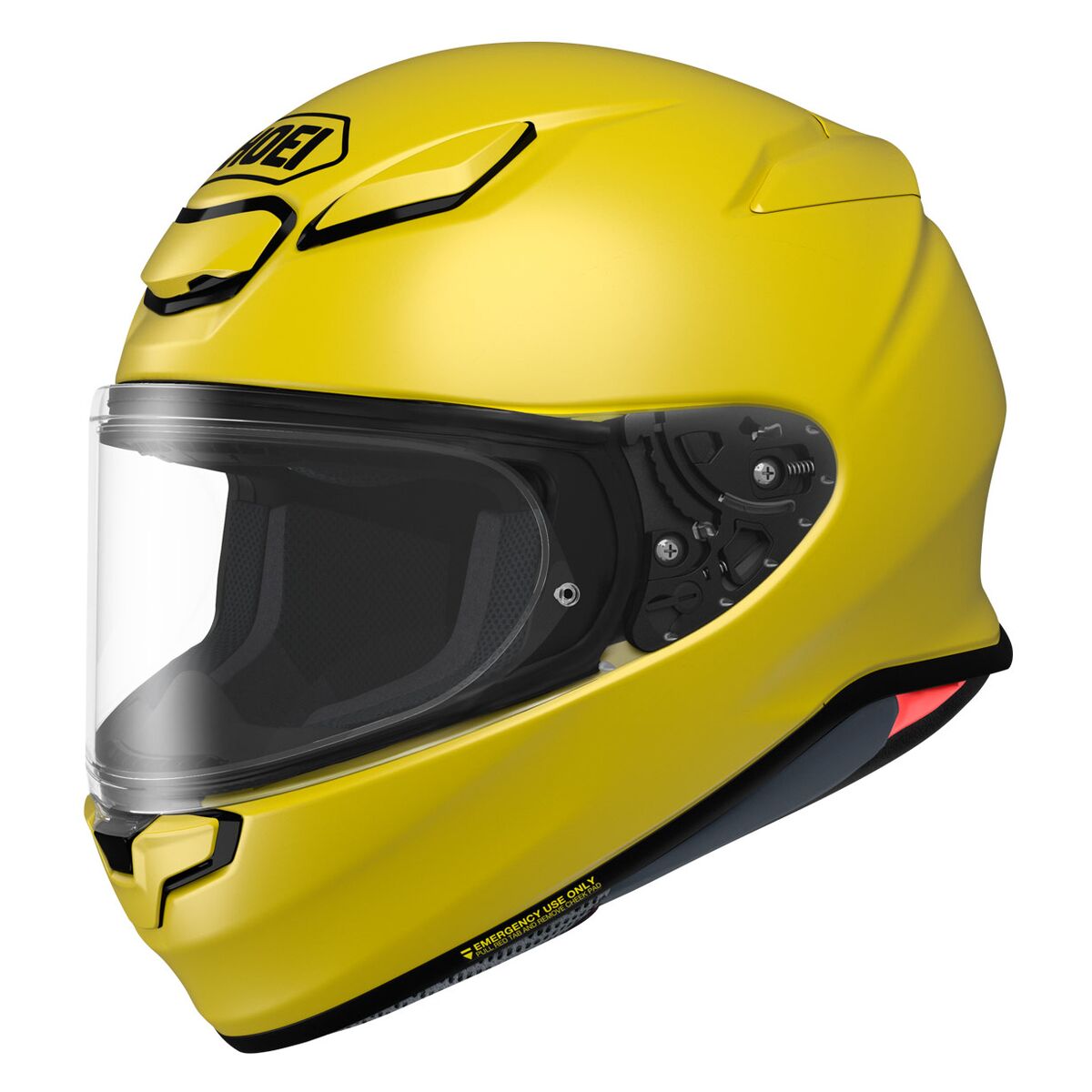
For beginners with a higher budget who want to invest in premium quality from day one, the Shoei RF-1400 represents the gold standard in motorcycle helmets. This flagship model from Japanese manufacturer Shoei justifies its $500+ price tag through exceptional craftsmanship and attention to detail that you’ll appreciate for years to come.
The RF-1400 features Shoei’s proprietary Advanced Integrated Matrix (AIM+) shell construction, combining fiberglass with organic fibers to create a helmet that’s both incredibly strong and surprisingly lightweight at just 3.5 pounds. This premium construction provides superior impact protection while reducing rider fatigue during long journeys—something beginners often underestimate when purchasing their first helmet.
What truly sets the RF-1400 apart is its industry-leading noise reduction technology. The aerodynamic shell design, combined with multiple layers of noise-dampening padding and precisely engineered neck roll, creates a noticeably quieter riding experience compared to budget helmets. This allows for better concentration on the road and less exhaustion after rides—crucial benefits for those still developing their riding skills.
Shoei offers the RF-1400 in four different shell sizes across their XS-XXL range, ensuring optimal proportions for every head size. This eliminates the “bobblehead” look common with budget helmets that use fewer shell sizes and simply add padding for smaller heads. The result is a sleeker, more proportional appearance and improved safety through better fit.
Key Features:
- Premium AIM+ multi-composite shell construction
- CWR-F2 shield system with vortex generators for improved aerodynamics
- EQRS (Emergency Quick Release System) for first responders
- 3D Max-Dry interior system (washable and moisture-wicking)
- Multiple shell sizes for optimized fit across all head sizes
- Pinlock EVO fog-resistant insert included
Pros:
- Exceptional comfort for long rides
- Significantly quieter than most helmets under $400
- Superior ventilation system that works effectively at all speeds
- Premium materials that maintain their quality for 5+ years
- Precise shield mechanism that operates smoothly for years
- Excellent resale value compared to budget helmets
Cons:
- Premium price point ($500+) may be difficult to justify for beginners
- Premium features may go unappreciated by those new to motorcycling
- Replacement parts (shields, padding) also carry premium pricing
Verdict:
The Shoei RF-1400 embodies the “buy once, cry once” philosophy. While the initial investment is substantial, the superior comfort, quietness, and durability mean you’ll likely keep this helmet for 5+ years of regular use, making it potentially more economical than replacing cheaper helmets multiple times. For beginners who can afford it and plan to ride frequently, this premium helmet represents long-term value that you’ll appreciate with every mile.
4. HJC i90: The Best Overall Value for Beginners
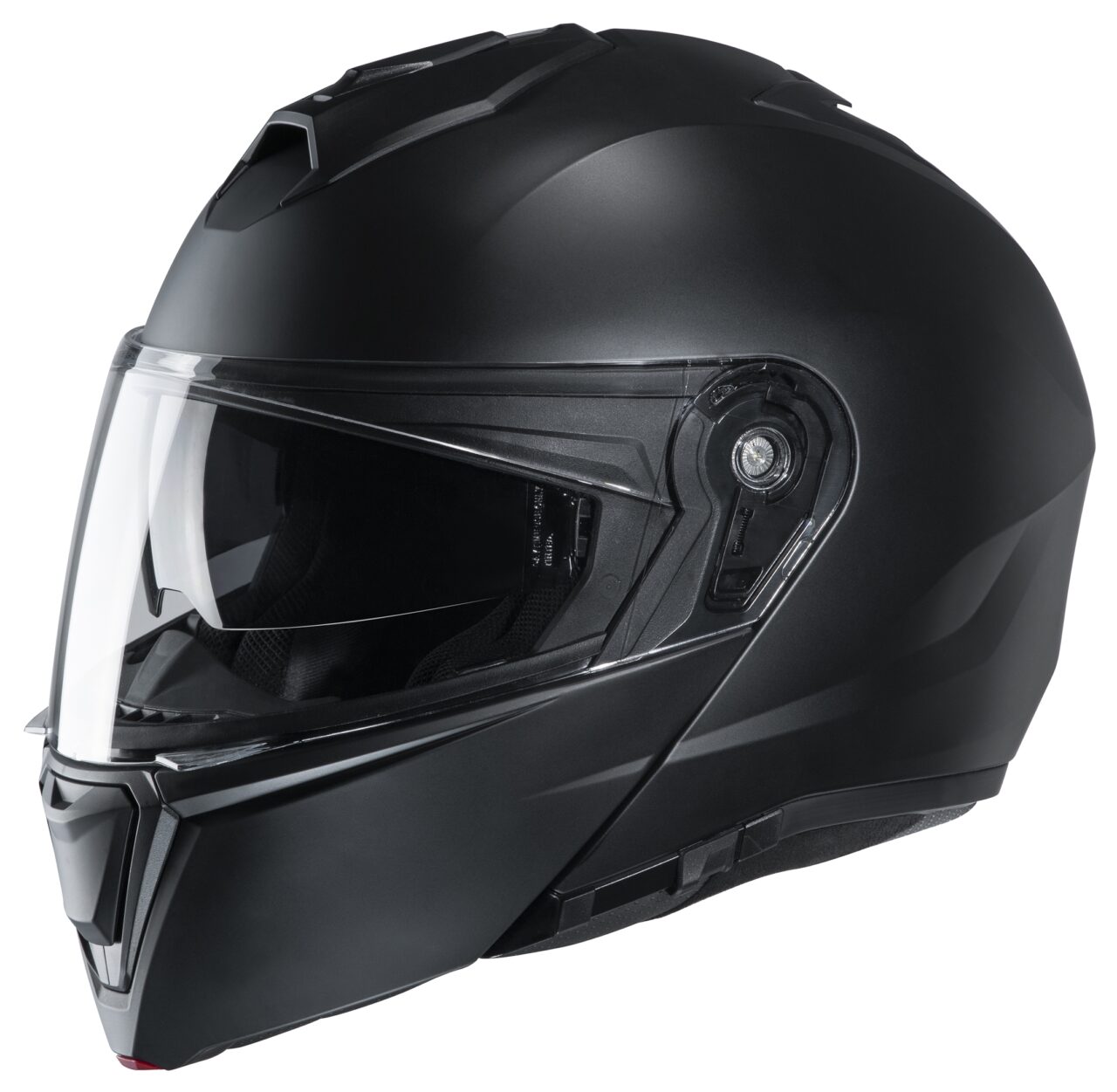
The HJC i90 stands as our top recommendation for beginners, offering an exceptional balance of safety, comfort, and affordability that’s rare to find in the motorcycle helmet market. This helmet delivers premium features at a mid-range price point that won’t break the bank for new riders.
What truly sets the i90 apart is its SNELL safety certification—a rigorous standard that’s uncommon in helmets under $200. This means you’re getting professional-grade protection without the premium price tag. The polycarbonate composite shell is engineered to disperse impact energy effectively while remaining relatively lightweight at around 3.4 pounds.
The comfort liner in the i90 features HJC’s Supercool moisture-wicking fabric that keeps your head dry during long rides. The padding is plush enough for comfort but firm enough to maintain proper fitment over time. What beginners will particularly appreciate is the fully removable and washable interior—a feature that extends the helmet’s usable life and maintains freshness.
The shield system is another area where the i90 punches above its weight class. The HJ-31 faceshield offers 99% UV protection and comes with a tool-less rapid-fire shield replacement system that makes swapping visors incredibly simple—even with gloves on. The shield locks securely when closed but can be cracked open slightly for additional ventilation at lower speeds.
Speaking of ventilation, the i10 features HJC’s Advanced Channeling Ventilation System with multiple intake and exhaust vents that create consistent airflow throughout the helmet. This system effectively pulls cool air in and pushes hot air out, keeping you comfortable even during summer rides.
Pros:
- SNELL safety certification (rare at this price point)
- Excellent ventilation system
- Easy-to-use shield replacement mechanism
- Fully removable and washable interior
- Available in a wide range of sizes and graphics
- Integrated speaker pockets for communication systems
Cons:
- Slightly heavier than premium helmets
- Wind noise becomes noticeable at highway speeds
- Limited color options compared to more expensive models
Verdict: The HJC i90 represents the smartest investment a new rider can make. It delivers safety features typically found in helmets twice its price while remaining comfortable and user-friendly. If you’re looking for the perfect balance of protection, features, and value, this helmet should be at the top of your list.
5. Scorpion EXO-AT960: The Best “Do-It-All” Modular
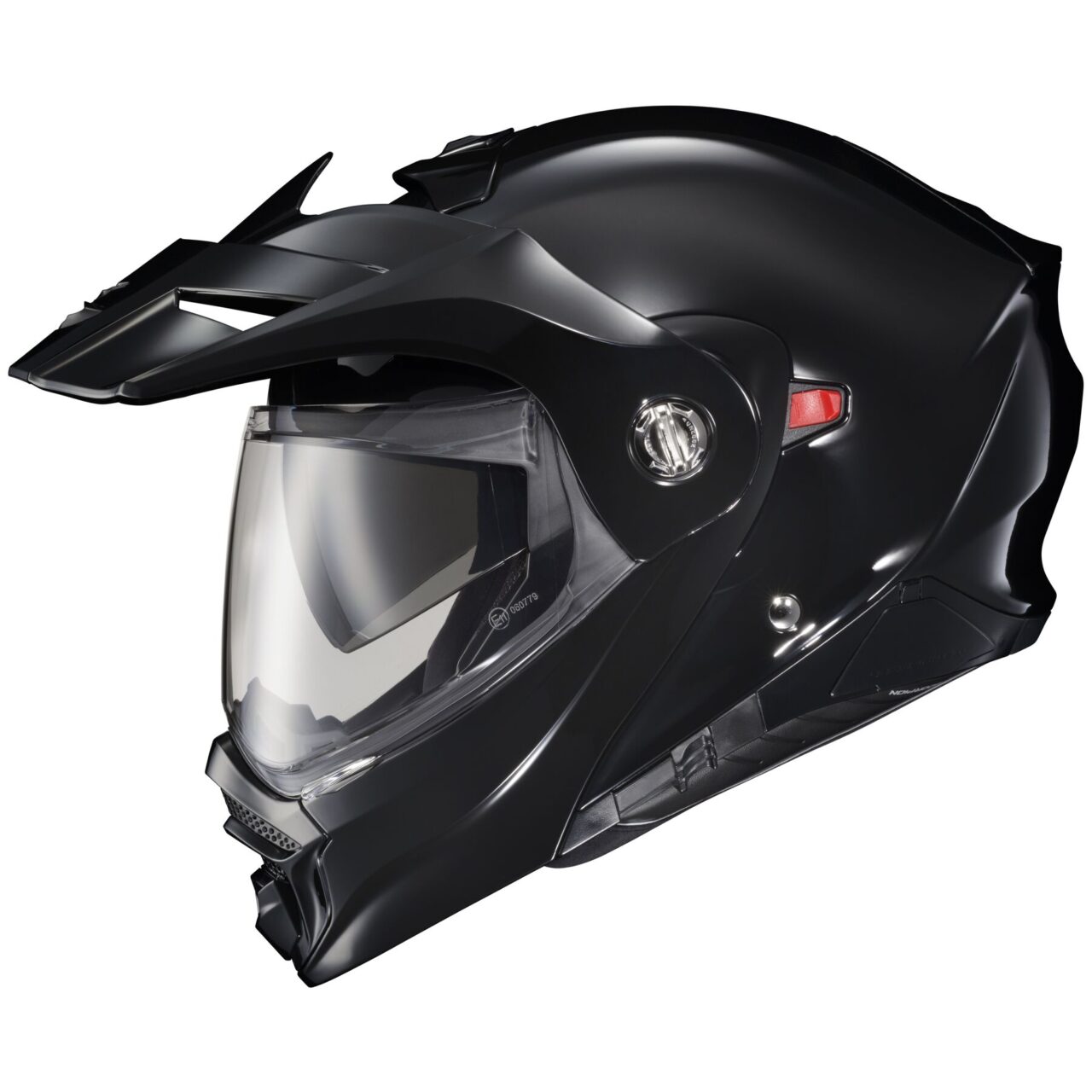
When you’re just starting your riding journey, versatility becomes a valuable asset. The Scorpion EXO-AT960 delivers exactly that with its innovative modular design that addresses many common beginner concerns.
Why This Modular Helmet Stands Out
The EXO-AT960 brilliantly bridges the gap between adventure and street riding with its modular flip-up design. For new riders who wear glasses or occasionally feel claustrophobic in traditional full-face helmets, this helmet offers the perfect solution. The chin bar lifts with a simple one-handed mechanism, allowing you to quickly communicate at stops, grab a drink, or adjust your glasses without the hassle of removing your entire helmet.
Key Features That Benefit Beginners
The standout feature has to be the integrated SpeedView drop-down sun visor system. This internal shield deploys with a simple slider mechanism, effectively giving you sunglasses on demand. No more fumbling with separate tinted visors or carrying extra sunglasses—just flip down the internal visor when the sun gets bright, and retract it when riding into shadows or at dusk.
The EverClear anti-fog face shield provides excellent visibility in varying weather conditions—a crucial safety feature for those still developing their road awareness skills. The helmet also features Scorpion’s KwikWick II moisture-wicking liner, which keeps your head comfortable during those longer learning rides.
Glasses-Wearer Friendly Design
Many new riders don’t consider how their eyewear will interact with a helmet until after purchase. The EXO-AT960 features specially designed temple pads and interior contours that accommodate glasses without creating pressure points. The flip-up design also means you can easily put on or remove your glasses without having to take off the entire helmet—a convenience you’ll appreciate at every stop.
The Weight Consideration
At approximately 3.9 pounds, this helmet is noticeably heavier than non-modular options. This additional weight comes from the necessary hinge mechanisms and reinforcement required for the modular design. While you’ll likely adjust to this weight during your rides, it’s worth noting that longer journeys might cause some neck fatigue until your riding muscles develop.
Specs at a Glance
- Weight: 3.9 lbs
- Shape: Intermediate Oval
- Safety: DOT & ECE 22.05
- Features: Flip-up chin bar, drop-down sun visor, anti-fog shield
Pros:
- Exceptionally glasses-friendly design
- Convenient flip-up function for gas stops and quick interactions
- Built-in drop-down sun visor eliminates need for multiple shields
- Versatile for different riding styles and weather conditions
Cons:
- Heavier than comparable full-face helmets
- Slightly more wind noise than premium models
- Modular design inherently less aerodynamic
Verdict
The Scorpion EXO-AT960 is the ideal choice for commuters, glasses wearers, and new riders who value versatility and convenience. While it carries a slight weight penalty, the practical benefits of its modular design make everyday riding significantly more comfortable and enjoyable. If you’re looking for one helmet that can handle multiple riding scenarios while accommodating eyewear, this is your best bet under $300.
6. AGV K3
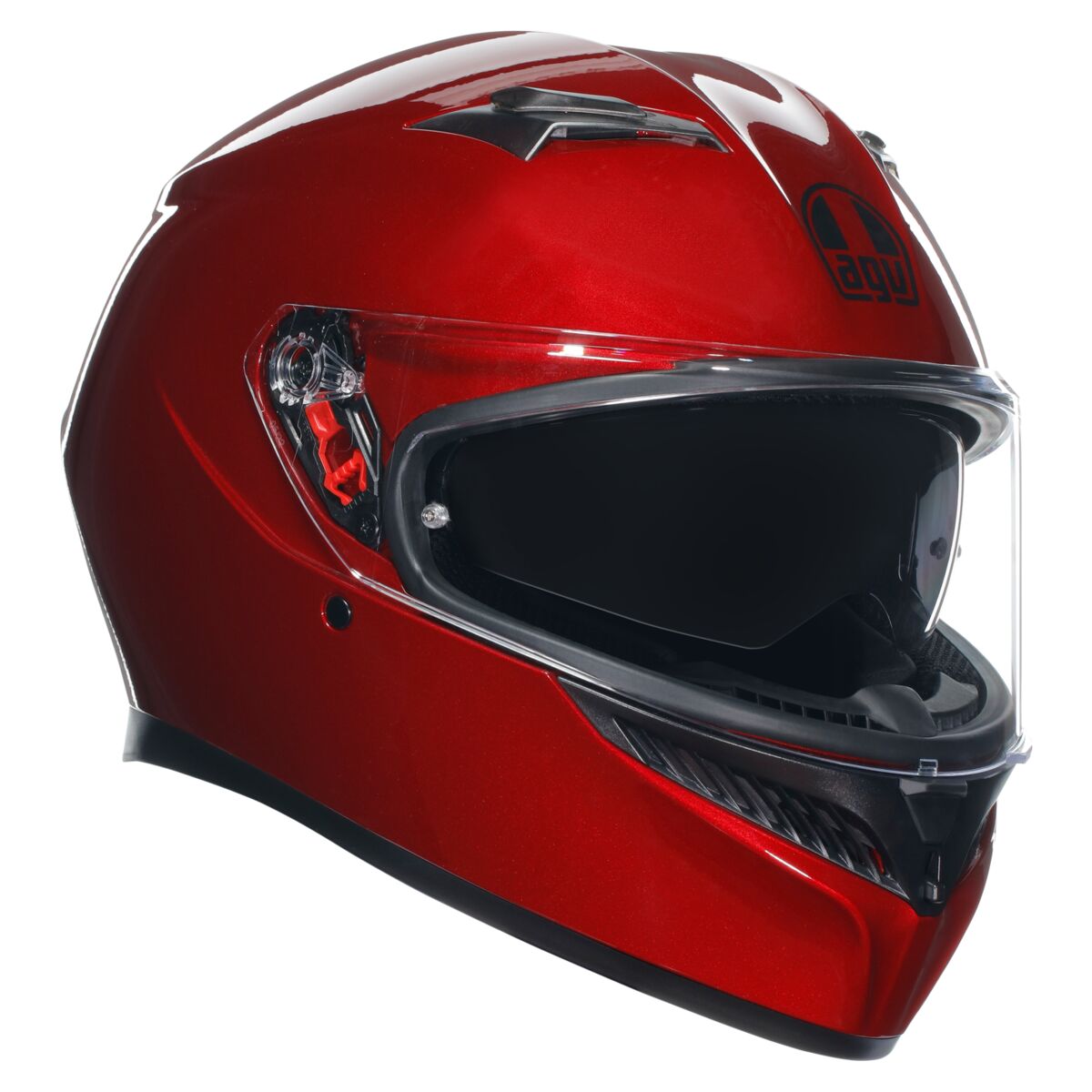
AGV brings its racing heritage to the beginner market with the K3 SV. This Italian manufacturer’s entry-level offering doesn’t compromise on the quality that has protected professional racers for decades.
Overview
The K3 SV showcases AGV’s commitment to making professional-grade protection accessible to new riders. Its thermoplastic resin shell undergoes extensive testing to meet DOT and ECE 22.05 standards while maintaining a competitive weight. The aerodynamic design was developed using wind tunnel testing, resulting in exceptional stability at speed—a confidence booster for beginners venturing onto highways.
AGV’s patented visor mechanism locks securely in multiple positions and operates smoothly even with gloved hands. The helmet features an integrated sun visor—a retractable tinted shield that drops down with a simple lever movement, eliminating the need to swap visors or wear sunglasses.
The Dry-Comfort fabric interior wicks moisture effectively and removes easily for washing. Five front vents and two rear extractors create impressive airflow. The K3 SV’s sleek profile and numerous graphic options appeal to style-conscious new riders who want protection without sacrificing aesthetics.
Pros and Cons
Pros:
- Integrated drop-down sun visor adds convenience and versatility
- Excellent aerodynamics minimize head buffeting at speed
- Racing pedigree translates to reliable protection and quality
- Wide variety of attractive graphics and colorways
Cons:
- Runs slightly small; sizing up may be necessary
- Visor mechanism can be stiff initially and requires break-in period
- Higher price reflects the brand’s premium positioning
7. Arai Corsair X: The Ultimate Premium Helmet for Serious Riders
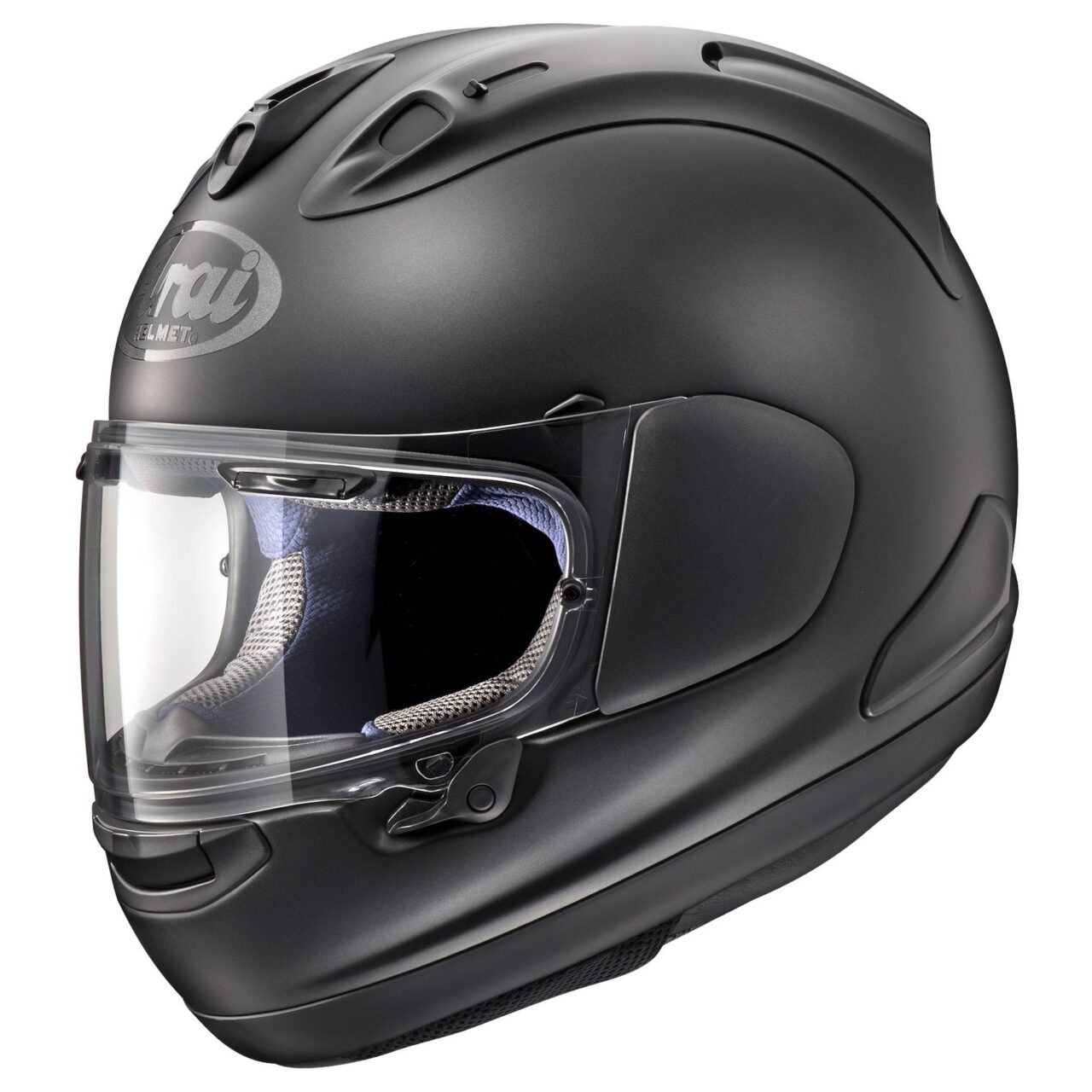
The Arai Corsair X represents the pinnacle of helmet engineering, designed for riders who demand nothing but the best in protection and performance. This flagship model from Arai delivers exceptional quality that justifies its premium price tag.
Extremely Lightweight Design
The Corsair X features Arai’s proprietary PB-SNC2 shell construction, a complex laminate process that creates an incredibly strong yet lightweight structure. Weighing just 3.5 pounds, this helmet feels practically weightless during long rides, significantly reducing neck fatigue that new riders often experience with heavier helmets.
Aerodynamic Excellence
Developed with input from professional racers, the Corsair X’s aerodynamic profile is simply outstanding. The shell design includes strategically placed ridges and a rear spoiler that work together to slice through the air with minimal resistance. This translates to remarkable stability at highway speeds – a crucial benefit for beginners who might be intimidated by wind buffeting on their first freeway rides.
Comfort Features for Sport Riding Position
Arai has specifically engineered the Corsair X with a slight forward tilt to accommodate the tucked position common on sport bikes. The interior features Arai’s premium liner system with antimicrobial material that wicks moisture away from your skin. The cheek pads are removable and washable, with different thickness options available for a truly customized fit. For beginners who aren’t yet accustomed to long rides, this level of comfort can make a substantial difference.
Advanced Shield System
The VAS (Variable Axis System) shield mechanism provides an exceptionally smooth and secure operation. The shield itself offers distortion-free visibility and comes standard with a Pinlock insert to prevent fogging – an invaluable feature for new riders who might not know how to manage visor fogging effectively. The shield change system is intuitive once learned, though it differs from many other brands.
Superior Ventilation
With 10 intake and 6 exhaust vents, the Corsair X offers exceptional airflow management. The ventilation system can be adjusted on the fly with gloved hands, allowing riders to adapt to changing weather conditions. The chin vent directs air across the shield to prevent fogging, while crown vents channel cool air directly to your head – keeping you comfortable and focused on developing your riding skills.
Specs:
- Weight: 3.5 lbs
- Shape: Intermediate Oval
- Safety: DOT, SNELL M2020, ECE 22.06
Pros:
- Extraordinarily lightweight, reducing rider fatigue
- Superior aerodynamics for stability at all speeds
- Exceptional ventilation system
- Uncompromising safety with Snell and DOT certification
- Handcrafted quality with meticulous attention to detail
Cons:
- Premium price point ($969-$999) that may be difficult to justify for beginners
- Narrow eye port compared to some competitors
- Learning curve for shield removal system
- Limited graphics options compared to other premium brands
Verdict
The Arai Corsair X represents an investment in your safety and comfort that will last for years. While the price point is undeniably steep for a beginner, it’s a helmet you won’t outgrow as your skills advance. If budget allows, this helmet delivers unmatched quality, protection, and comfort that can actually enhance the learning experience by eliminating distractions like discomfort or poor visibility.
8. Scorpion EXO-AT950: Best for Adventure Beginners
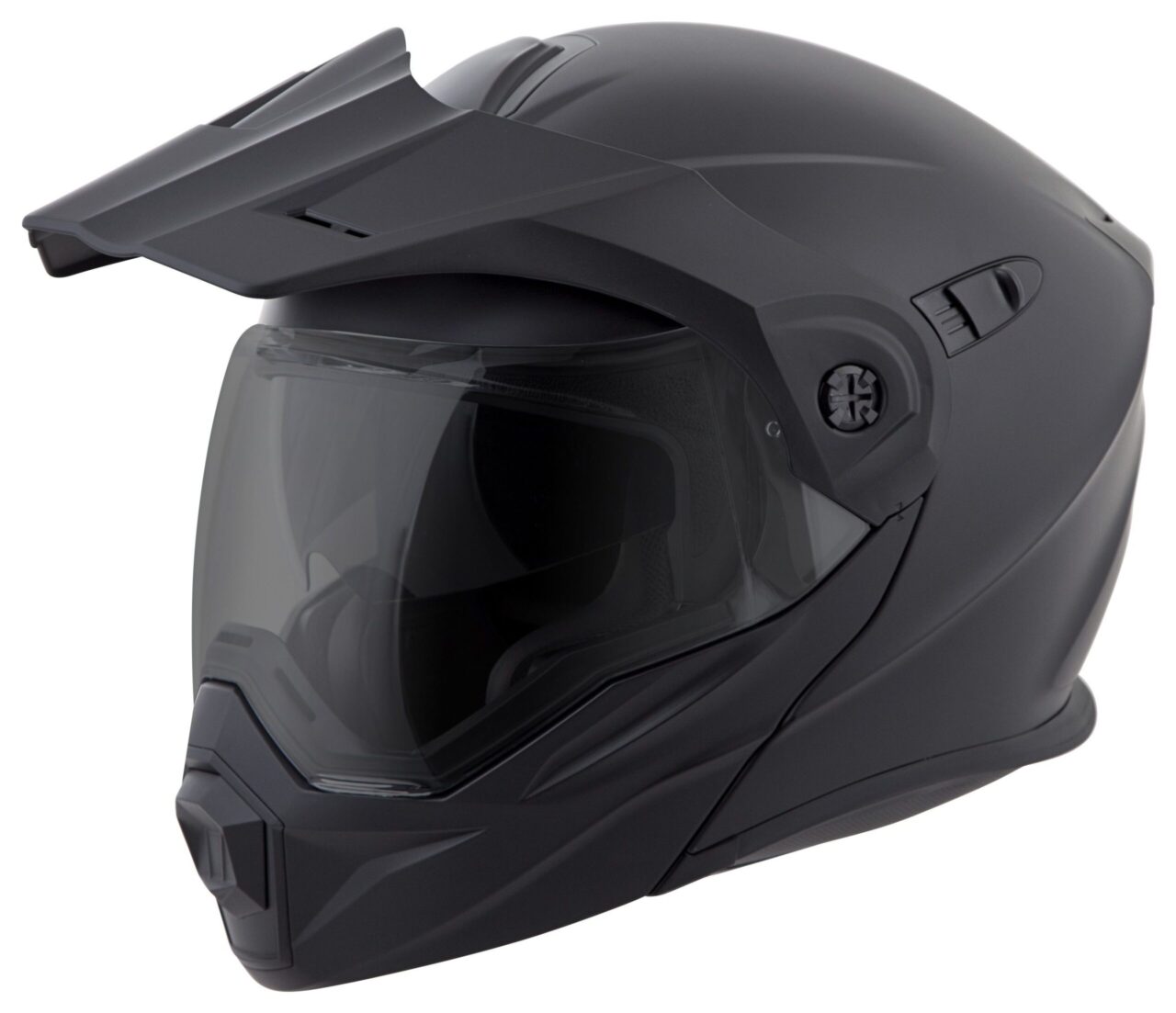
The Scorpion EXO-AT950 stands out as the perfect helmet for new riders who aren’t quite sure what type of riding they’ll enjoy most. This dual-sport helmet offers exceptional versatility, allowing you to transition from street to light off-road adventures without needing multiple helmets.
Key Features:
- Removable peak visor for off-road riding
- Flip-up modular design with wide eye port
- Internal drop-down sun visor
- Advanced ventilation system with multiple intake/exhaust vents
- EverClear anti-fog face shield
- Removable, washable antimicrobial liner
- Speaker pockets for communication systems
Weight: 3.8 lbs
Shape: Intermediate Oval
Safety: DOT & ECE 22.05
Why It’s Perfect for Beginners
New riders often discover their riding preferences evolve as they gain experience. The EXO-AT950’s versatility means you can start on street rides, then experiment with light trails or touring without immediately needing a specialized helmet. Remove the peak for highway riding, flip up the chin bar at gas stations, or use the drop-down sun visor for changing light conditions.
Ventilation and Comfort
The EXO-AT950 features a sophisticated ventilation system with adjustable intake vents and rear exhaust ports that work effectively at various speeds. The KwikWick II liner wicks moisture away from your head during hot rides and is fully removable for washing—a feature you’ll appreciate after long summer rides.
Pros:
- Incredible versatility across riding styles
- Modular convenience with glasses-friendly design
- No need to swap shields with the internal sun visor
- Good value considering the 3-in-1 functionality
- Relatively quiet for an adventure helmet
Cons:
- Heavier than dedicated full-face helmets
- Peak visor creates lift at highway speeds
- More expensive than basic entry-level options
Verdict:
“The Scorpion EXO-AT950 is the Swiss Army knife of motorcycle helmets—perfect for beginners who want to explore different riding styles without buying multiple helmets. While slightly heavier than dedicated street helmets, its versatility and feature set make it an exceptional value for adventurous new riders.”
9. LS2 Challenger II
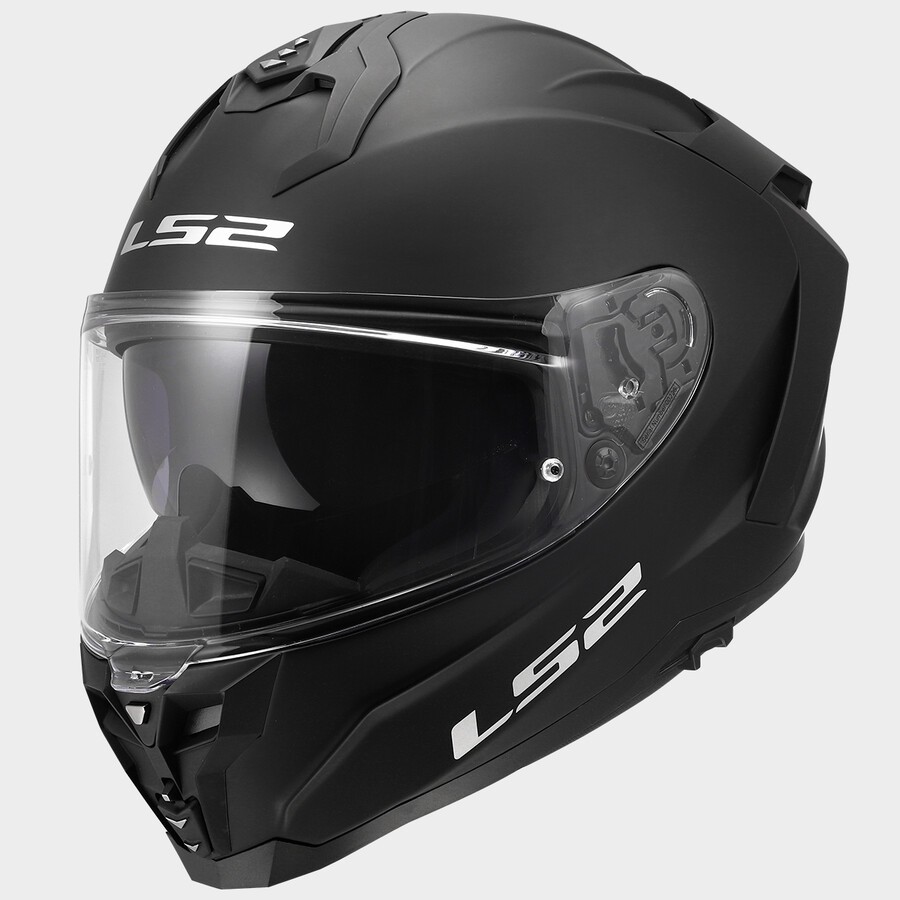
The LS2 Challenger offers modular convenience at a price that welcomes new riders. This flip-up design provides versatility that fixed helmets cannot match, making it ideal for beginners valuing convenience.
Overview
LS2’s Challenger breaks into the modular helmet category with impressive credentials for its price range. The flip-up chin bar mechanism operates smoothly with one hand, allowing riders to quickly open the helmet at stoplights or gas stations without complete removal. The kinetic polymer alloy shell meets DOT certification standards while keeping weight reasonable for a modular design at approximately 3.9 pounds.
The Dynamic Flow-Through ventilation system channels air efficiently through the helmet, while the laser-cut foam ensures proper airflow distribution. An integrated drop-down sun shield deploys and retracts with a simple switch operation. The moisture-wicking, removable liner keeps riders comfortable during extended use. The clear shield includes LS2’s anti-scratch hard coating and comes prepared for Pinlock installation.
While modular helmets traditionally compromise some safety compared to full-face designs, the Challenger’s robust locking mechanism ensures the chin bar stays secure during rides. The convenience factor makes this helmet particularly appealing to commuters and new riders still building confidence.
Pros and Cons
Pros:
- Modular design offers unmatched convenience for communication and comfort
- Integrated sun visor eliminates need for multiple shields
- Excellent value for a flip-up helmet with quality features
- Easy operation even with gloved hands
Cons:
- Heavier than traditional full-face helmets due to hinge mechanism
- Slightly noisier than fixed helmets at highway speeds
- Modular design inherently less protective than equivalent full-face options
10. Sedici Strada II
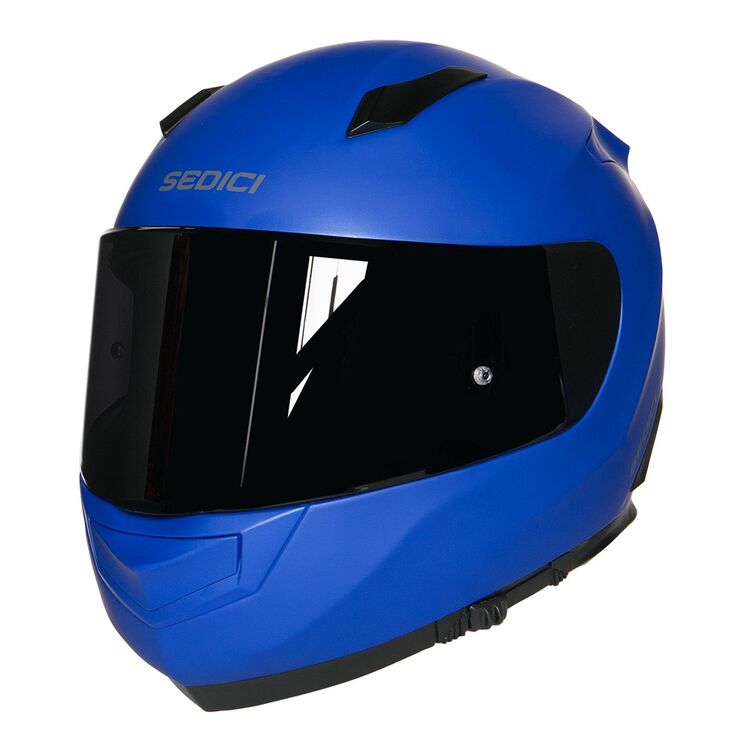
The Sedici Strada II closes our list as the ultimate budget option for cost-conscious beginners. Despite its low price, this helmet delivers essential features and reliable protection for new riders.
Overview
Sedici’s Strada II proves that adequate protection doesn’t require premium pricing. This helmet targets riders entering motorcycling on tight budgets who still prioritize safety. The injection-molded thermoplastic shell meets DOT certification standards, providing legally compliant protection.
While the construction feels less refined than expensive options, it delivers the fundamental protection new riders need. The Strada II includes features often absent from budget helmets: a drop-down sun visor, removable and washable liner, and anti-fog shield treatment. The ventilation system, though basic, includes chin and brow vents with rear exhaust ports that maintain reasonable airflow.
The clear shield operates through multiple detent positions and locks securely. At approximately 3.6 pounds, the weight remains manageable for new riders. The interior padding provides adequate comfort, though it lacks the plushness of premium alternatives.
Multiple shell sizes ensure proper fit across different head dimensions. While the Strada II won’t win awards for refinement or advanced features, it accomplishes its primary mission: protecting riders without emptying their wallets. For absolute beginners uncertain about their commitment to motorcycling, this helmet provides a sensible entry point.
Pros and Cons
Pros:
- Extremely affordable price point welcomes budget-conscious riders
- Includes integrated sun visor despite low cost
- Meets DOT safety standards for legal compliance
- Decent feature set for the price category
Cons:
- Build quality and materials feel budget-oriented
- Limited color and graphic options available
- Ventilation and noise management lag behind pricier competitors
11. Icon Airflite
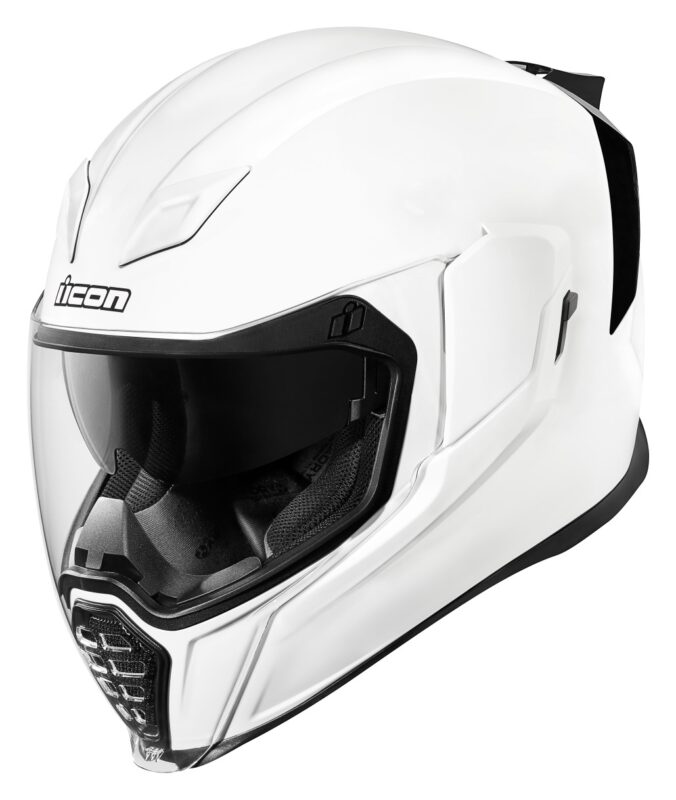
Icon’s Airflite brings distinctive styling and modern features to riders wanting to stand out. This helmet combines retro-inspired aesthetics with contemporary safety technology for image-conscious beginners.
Overview
The Airflite showcases Icon’s commitment to blending style with substance. Its polycarbonate shell features a unique, slightly rounded profile that evokes vintage racing helmets while incorporating modern aerodynamics. The oversized face shield provides an expansive field of view—the large eye port creates excellent peripheral vision that benefits new riders developing awareness skills.
Icon’s Fliteshield comes with a built-in Fog-Free shield and Proshield lens tear-off system. The Hydradry moisture-wicking interior removes and washes easily, maintaining freshness through regular use. What sets the Airflite apart is its innovative ventilation: the Airflite Breath Box chin vent channels air directly across the shield’s interior surface, significantly reducing fogging.
Multiple intake vents and rear exhaust ports maintain airflow throughout the helmet. The helmet accommodates Icon’s optional Fliteshield accessories, including drop-down sun visors and various tinted shields. DOT certification confirms adequate protection, though the helmet lacks ECE or SNELL ratings. The Airflite’s distinctive look and comprehensive feature set appeal to beginners wanting personality in their safety gear.
Pros and Cons
Pros:
- Distinctive styling sets riders apart from generic helmet designs
- Exceptional field of view aids situational awareness
- Innovative anti-fog ventilation system works effectively
- Extensive accessory options allow customization
Cons:
- Only DOT certified; lacks ECE or SNELL ratings
- Rounded shape may not fit all head shapes comfortably
- Can feel slightly heavy during extended wear
What Makes a Helmet “Beginner-Friendly”?
When you’re new to motorcycling, finding the right helmet can feel overwhelming. The market is flooded with options ranging from $50 bargain bin specials to $1,500 premium race helmets. But what exactly should beginners look for?
A beginner-friendly motorcycle helmet strikes the perfect balance between safety, comfort, and value. It doesn’t need all the bells and whistles of professional racing helmets, but it should never compromise on protection.
The ideal starter helmet features:
- Solid safety ratings: At minimum, DOT certification for US riders, with ECE or SNELL providing extra peace of mind
- Reasonable weight: Under 3.5 pounds to prevent neck fatigue during your learning phase
- Simple operation: Easy shield changes and intuitive ventilation controls
- Moderate price point: Typically between $150-$250, offering good protection without breaking the bank
- Comfortable fit: Snug but not painful, with adequate padding that will break in over time
- Decent noise control: Not necessarily premium-quiet, but manageable for building riding confidence
Remember that your first helmet doesn’t need to be your forever helmet. As you develop as a rider and understand your specific needs better, you can always upgrade to something more specialized. The goal now is to get safe, reliable protection that lets you focus on learning to ride.
Buying Guide: What Beginners Must Look For
When purchasing your first motorcycle helmet, several critical factors can make the difference between a good and bad experience. Don’t rush this decision—your safety and comfort depend on making an informed choice.
Safety Ratings Explained
Never compromise on safety. Look for helmets with multiple certifications:
- DOT (Department of Transportation): The minimum legal standard in the US. Good, but not enough on its own.
- ECE (Economic Commission for Europe): More rigorous than DOT, with testing for impact absorption, retention system strength, and visor quality.
- SNELL: The gold standard in helmet safety. Involves more stringent testing, including multiple impacts and stronger penetration resistance.
For beginners, we recommend at least DOT+ECE certification, but a SNELL rating offers extra peace of mind. Learn why ECE is safer in our Helmet Safety Ratings Guide.
Head Shape Matters
Many new riders make the mistake of focusing solely on helmet size while ignoring head shape. Helmets generally come in three shapes:
- Round Oval: Wider from side to side
- Intermediate Oval: Slightly longer front-to-back (most common)
- Long Oval: Significantly longer front-to-back
Wearing the wrong head shape can cause pressure points, headaches, and compromised safety. Don’t buy until you measure your head! Use our Helmet Fitment Guide.
Visor Considerations
As a beginner, versatility is key:
- Clear Visors: Essential for night riding and low-light conditions
- Tinted/Smoke Visors: Great for sunny days but dangerous at night
- Photochromic/Transition Visors: Change tint based on light conditions but are expensive
- Drop-Down Sun Visors: The best solution for beginners—clear main shield with internal flip-down tinted visor
For your first helmet, we strongly recommend models with built-in drop-down sun visors. This feature lets you adapt to changing light conditions without stopping to change shields.
Ventilation Systems
Good airflow prevents fogging and keeps you comfortable:
- Crown Vents: Direct air to the top of your head
- Chin Vents: Reduce shield fogging and provide face cooling
- Exhaust Vents: Allow hot air to escape
In warm climates, prioritize helmets with multiple adjustable vents. For colder regions, look for vents you can easily close with gloved hands.
Noise Levels
Wind noise at highway speeds can cause hearing damage over time. While no helmet is silent, premium models often feature:
- Better aerodynamics to reduce turbulence
- Superior neck roll design to block wind
- Enhanced padding and liners for sound dampening
Consider earplugs for longer rides regardless of helmet quality.
Shield Change Systems
As a beginner, you’ll appreciate an easy shield change mechanism:
- Tool-less systems: Allow quick visor swaps without screwdrivers
- Quick-release mechanisms: Let you change shields in seconds
Avoid helmets requiring tools or complicated procedures for shield changes—you’ll be less likely to adapt to changing conditions if it’s a hassle.
Weight Considerations
Heavier helmets cause neck fatigue, especially important for beginners:
- Entry-level helmets: Typically 3.5-4 lbs
- Mid-range helmets: Usually 3.2-3.5 lbs
- Premium helmets: Often under 3.2 lbs
The weight difference might seem small, but you’ll notice it after hours of riding. When possible, choose lighter options within your budget.
Remember that finding the right helmet is a personal journey. What works for your riding buddy might not work for you. Take the time to understand the different types of motorcycle helmets and try on several options before making your decision.
How to Find Your Perfect Helmet Fit: A Beginner’s Guide
Finding the right helmet fit is arguably the most important aspect of your purchase. A helmet that’s too loose won’t protect you properly in a crash, while one that’s too tight will cause headaches and discomfort that might discourage you from riding altogether.
Measuring Your Head Size
Before you even look at helmet brands, you need to know your exact head measurement:
- Get a soft measuring tape (the kind used for sewing)
- Wrap it around your head about 1 inch above your eyebrows and ears
- Take the measurement in centimeters for the most accurate sizing
- Measure 2-3 times to confirm your result
Your measurement will typically fall somewhere between 53-64cm. Most manufacturers provide size charts that convert these measurements to XS through 2XL or 3XL.
Understanding Head Shapes
Contrary to what many beginners assume, heads aren’t all shaped the same. Helmets are designed for different head shapes, which generally fall into three categories:
- Long Oval: Longer front-to-back than side-to-side (Arai Signet-X, AGV)
- Intermediate Oval: Slightly longer front-to-back than side-to-side (most helmets)
- Round Oval: Nearly equal measurements all around (Shoei, some HJC models)
Wearing a helmet designed for the wrong head shape will cause pressure points that no amount of “breaking in” will fix. If you’re unsure about your head shape, you can check our comprehensive Motorcycle Helmet Fitment Guide for detailed instructions.
Testing the Fit
Once you have a helmet in hand, follow these steps to check the fit:
- Put the helmet on: It should be snug to get on, requiring you to pull the straps outward
- Check for pressure points: The helmet should press evenly all around
- Do the roll test: Try to roll the helmet forward off your head with the chin strap secured—it shouldn’t move
- Cheek pad test: Your cheeks should be compressed slightly (like making a fish face)
- Vision test: You should be able to see in all directions with minimal obstruction
- Wear it for 15-30 minutes: This reveals any pressure points that might cause pain on longer rides
Break-In Period Expectations
New riders often panic when a helmet feels tight initially. A quality helmet will break in over time:
- Cheek pads will compress approximately 15-20% after 15-20 hours of wear
- The interior liner will conform to your head shape
- A new helmet should feel snug but not painful
- Expect the break-in period to last 15-25 hours of riding time
If you’re between sizes, always go with the smaller size as long as there are no painful pressure points.
Common Fitting Mistakes Beginners Make
- Buying too large: The most common mistake—a loose helmet is dangerous
- Ignoring pressure points: “It’ll break in” doesn’t apply to sharp pain
- Not trying different brands: Each manufacturer uses different head shapes
- Choosing style over fit: That cool-looking helmet is useless if it doesn’t fit
- Keeping the wrong fit: Don’t hesitate to return or exchange an ill-fitting helmet
- Wearing it incorrectly: The helmet should sit low on your forehead, not tilted back
Remember that a properly fitting helmet might feel slightly tight at first but should never cause pain. When in doubt, visit a motorcycle gear shop where staff can help assess your fit in person.
Conclusion: Finding Your Perfect First Helmet
Choosing your first motorcycle helmet doesn’t need to be overwhelming. Remember that you don’t need the most expensive gear—you just need the right gear for your specific needs and riding style.
The sweet spot for most beginners is between $150-250, where you’ll find excellent protection without paying for premium features you might not fully appreciate yet. Among our recommendations, the HJC i10 stands out as the perfect starting point for most new riders, offering that ideal balance of SNELL-rated safety, comfort, and affordability.
Your helmet’s fit is ultimately more important than its price tag or brand name. A $200 helmet that fits your head shape perfectly will protect you better than a $500 helmet that’s too loose or causes pressure points. Take the time to measure your head properly and understand whether you have a round, intermediate, or long oval head shape.
For those on a tight budget, options like the Bell Qualifier provide solid protection without breaking the bank. If you wear glasses or want extra versatility, the HJC i90 modular helmet offers convenience without compromising safety. And if budget isn’t a concern, premium options like the Shoei RF-1400 provide exceptional comfort and features that make them worth the investment.
Remember that your helmet is the most important piece of safety gear you’ll buy. While it’s tempting to save money here, this is one area where investing a bit more can significantly improve both your safety and comfort on every ride.
Now that you’ve found your perfect helmet, it’s time to complete your safety gear. Check out our guide on
- Best Motorcycle Jacket for Beginners
- Best Beginner Gloves for Motorcycle
- Best Motorcycle Boots for Beginners
to ensure you’re fully protected every time you hit the road. Ride safe!
FAQ: Best Motorcycle Helmets for Beginners
How much should I spend on my first motorcycle helmet?
For your first motorcycle helmet, aim to spend between $150-$250. This price range offers the best balance of safety, comfort, and value for new riders. Helmets under $100 often compromise on materials and comfort features, while helmets over $300 typically offer premium features like advanced aerodynamics and weight reduction that you might not fully appreciate as a beginner. Remember that your first helmet likely won’t be your forever helmet, so investing in this mid-range sweet spot makes the most financial sense while still ensuring solid protection.
Can I buy a used motorcycle helmet?
No, absolutely never buy a used helmet regardless of how good the deal seems. Helmets are single-impact safety devices, and you have no way of knowing if a used helmet has been dropped or involved in an accident. Even a simple drop from handlebar height can cause invisible internal damage to the EPS foam liner that absorbs impact energy. Additionally, helmet materials naturally degrade over time from sweat, oils, UV exposure, and normal use, compromising both safety and comfort. Your brain is worth the investment in a new helmet with a known history.
Do more expensive helmets provide better protection than budget helmets?
Not necessarily when it comes to pure impact protection. A $200 helmet with SNELL or ECE certification provides the same level of crash protection as a $900 helmet with the same certifications. The price difference comes from comfort features like weight reduction, noise control, better ventilation, premium materials, and advanced aerodynamics. For safety alone, focus on certification standards rather than price. A properly fitting $200 ECE-certified helmet will protect you better than an ill-fitting $800 premium helmet. However, expensive helmets do offer features that can make riding more enjoyable and less fatiguing.
What safety certifications should I look for in a beginner helmet?
At minimum, look for DOT certification for legal riding in the United States, but don’t stop there. ECE 22.05 or 22.06 certification is more rigorous than DOT and tests for impact absorption, retention system strength, and visor quality. SNELL M2020 or M2025 represents the gold standard with the most stringent testing protocols including multiple impacts and stronger penetration resistance. For beginners, we recommend at least DOT plus ECE certification, but SNELL offers the highest level of verified protection. Avoid helmets with only DOT certification as this standard relies on manufacturer self-certification rather than independent testing.
How tight should my first motorcycle helmet fit?
Your helmet should fit snugly without causing pain or pressure points. When new, it should feel tight enough that you need to pull the straps outward to get it on, and your cheeks should be slightly compressed like making a fish face. The helmet should not move when you try to roll it forward off your head with the chin strap fastened. Keep in mind that helmets break in over the first 15-25 hours of riding as the cheek pads compress by about 15-20 percent and the liner conforms to your head shape. If you’re between sizes and there are no painful pressure points, always choose the smaller size since the helmet will loosen slightly with use.
Is a modular helmet good for beginners?
Yes, modular helmets are excellent choices for beginners, especially if you wear glasses or feel claustrophobic in traditional full-face helmets. The flip-up chin bar allows you to easily communicate at stops, grab a drink, or adjust your glasses without removing the entire helmet. Many modular helmets also include drop-down sun visors that eliminate the need to carry multiple shields or sunglasses. The main drawback is that modular helmets are typically heavier than comparable full-face helmets due to the hinge mechanism, which can cause some neck fatigue until you build up riding endurance. Models like the HJC i90 and Scorpion EXO-AT960 offer great value and convenience for new riders.
How often should I replace my motorcycle helmet?
Most manufacturers recommend replacing your helmet every 5-7 years from the manufacturing date regardless of use, as protective materials naturally degrade from UV exposure, temperature fluctuations, humidity, and aging of adhesives and EPS foam. However, you must replace your helmet immediately if it sustains any impact in a crash, gets dropped from a significant height, shows any cracks or structural damage, or if the comfort liner has significantly compressed or deteriorated. Even minor impacts that don’t show visible damage can compromise the helmet’s protective capabilities. Check the manufacturing date on the label inside your helmet to track its age.
What’s the difference between a full-face and modular helmet for beginners?
Full-face helmets have a fixed chin bar that provides maximum protection and are typically lighter and more aerodynamic than modular helmets. They offer better noise reduction and are simpler in construction with fewer moving parts. Modular helmets feature a chin bar that flips up, offering convenience at gas stops and for glasses wearers, but they’re heavier due to the hinge mechanism and may have slightly more wind noise. For pure protection and performance, full-face helmets are superior, but modular helmets provide practical advantages that many beginners appreciate. Both can be equally safe when properly certified, though the flip-up mechanism adds complexity.
Should I get a helmet with a drop-down sun visor?
Yes, a drop-down internal sun visor is one of the most valuable features for beginner riders. This feature gives you instant sun protection without needing to stop and swap shields or fumble with sunglasses. You simply flip down the tinted visor when riding into bright sunlight and retract it when entering shadows, tunnels, or riding at dusk. This eliminates the dangerous situation of being caught riding at night with a dark-tinted shield. Helmets like the HJC i90, Scorpion EXO-AT960, and Bell Qualifier DLX with Transitions shields offer excellent solutions for managing changing light conditions, making them particularly beginner-friendly.
What helmet shape do I need and how do I figure it out?
Helmets come in three basic head shapes: round oval (wider side-to-side), intermediate oval (slightly longer front-to-back, most common), and long oval (significantly longer front-to-back). Wearing the wrong shape causes pressure points and headaches that won’t improve with break-in time. To determine your shape, measure your head circumference about one inch above your eyebrows, then have someone measure from the center of your forehead to the back of your head and compare it to the side-to-side measurement. Most helmets are intermediate oval, which fits the majority of riders, but brands like Arai often cater to long oval shapes while some Shoei and HJC models work well for rounder heads.