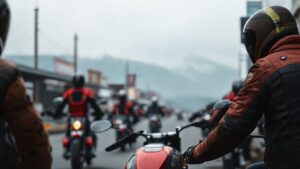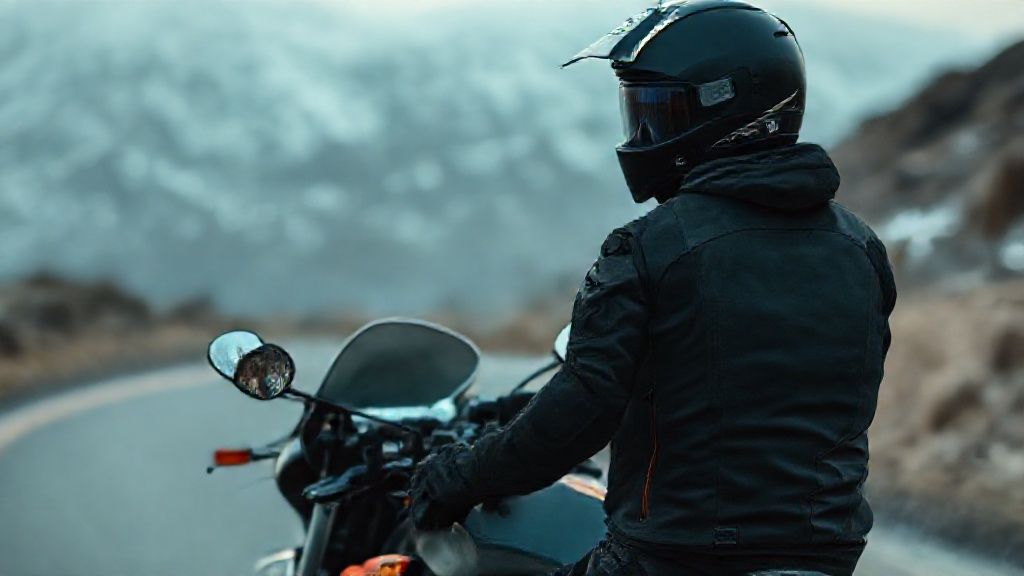
When it comes to motorcycle touring, your jacket isn’t just a piece of gear—it’s your first line of defense against the elements, road hazards, and fatigue. KLIM has established itself as a premium brand in the adventure riding community, known for engineering jackets that withstand extreme conditions while providing exceptional comfort. Whether you’re planning a weekend trip through the mountains or a cross-country adventure, choosing the right KLIM jacket can make the difference between an enjoyable journey and a miserable one. In this comprehensive guide, we’ve evaluated KLIM’s top touring jackets based on weather protection, ventilation, durability, comfort during long rides, and value for money. Our selections cater to different riding styles, climates, and budgets, ensuring every touring enthusiast finds their perfect match.
1. KLIM Badlands Pro
The KLIM Badlands Pro represents the pinnacle of adventure touring jacket technology, designed for riders who demand uncompromising performance in the most challenging conditions. This flagship model has earned its reputation through countless miles of real-world testing across diverse terrains and climates.
Overview
The Badlands Pro features KLIM’s proprietary Gore-Tex Pro fabric, offering superior waterproofing and breathability that outperforms standard Gore-Tex by significant margins. The jacket incorporates D3O armor at the shoulders, elbows, and back, providing CE Level 2 protection without adding excessive bulk. Its construction utilizes 840-denier Cordura in high-wear areas and 500-denier Cordura elsewhere, creating an optimal balance between durability and weight. The jacket includes multiple adjustment points, allowing riders to customize the fit for different body types and layering configurations. Strategic ventilation zones with YKK AquaGuard zippers enable airflow management in varying temperatures. The Badlands Pro also features a removable insulated liner, making it genuinely versatile across three seasons.
Pros and Cons
Pros:
- Exceptional waterproofing with Gore-Tex Pro membrane handles torrential rain and extended wet riding without compromise
- Outstanding ventilation system with large chest and back vents keeps you comfortable in temperatures up to 90°F
- Superior build quality with reinforced Cordura construction that withstands years of abrasion and wear
- Highly adjustable fit with multiple straps and adjustment points accommodates different body types and layering needs
Cons:
- Premium price point makes it one of the most expensive touring jackets on the market
- Heavier than some competitors, which may cause fatigue during extremely long riding days
- Complex adjustment system requires time to dial in the perfect fit initially
2. KLIM Carlsbad
The KLIM Carlsbad strikes an excellent balance between touring capability and everyday wearability, making it ideal for riders who want a versatile jacket that transitions seamlessly from bike to street. Its refined aesthetic appeals to riders who prefer a less aggressive, more sophisticated look.
Overview
Built with Gore-Tex fabric and a more streamlined design than the Badlands Pro, the Carlsbad offers reliable weather protection without the extreme adventure styling. The jacket features a comfortable cotton-feel outer layer that doesn’t produce the typical “swishing” sound of technical fabrics, making it quieter and more pleasant for long rides. It includes D3O armor in critical impact zones and maintains CE certification for safety. The Carlsbad’s ventilation system, while more subtle than aggressive adventure jackets, provides adequate airflow for most touring conditions. The jacket includes numerous pockets for storing essentials, including waterproof compartments for electronics. Its tailored fit works well for riders with athletic to average builds, and the styling allows you to wear it comfortably off the bike.
Pros and Cons
Pros:
- Versatile styling looks appropriate both on and off the motorcycle, reducing the need for multiple jackets
- Quieter fabric reduces wind noise and the rustling sound common in technical riding gear
- Gore-Tex protection ensures you stay dry in wet conditions while maintaining breathability
- More affordable than the Badlands Pro while maintaining KLIM’s quality standards
Cons:
- Less ventilation than dedicated adventure jackets makes it less suitable for extremely hot climates
- Lighter construction may not withstand extreme off-road abuse as well as burlier options
- Limited adjustment points compared to more technical touring jackets
3. KLIM Kodiak
For riders who frequently encounter cold weather or tour in alpine regions, the KLIM Kodiak delivers exceptional warmth without sacrificing the protection and features necessary for serious touring. This jacket excels in conditions where most riders would consider staying home.
Overview
The Kodiak features an integrated Primaloft insulation system that provides remarkable warmth-to-weight ratio, keeping you comfortable in temperatures well below freezing. Unlike jackets with removable liners, the Kodiak’s insulation is strategically placed throughout the jacket’s construction, creating a more efficient thermal barrier. The outer shell uses Gore-Tex fabric for waterproofing, while reinforced panels protect high-wear areas. Despite its focus on warmth, the Kodiak includes ventilation options for temperature regulation during changing conditions. The jacket’s longer cut provides additional coverage, and the collar design seals effectively against cold air infiltration. Multiple pockets, including insulated compartments, keep essentials accessible and protected. The Kodiak works exceptionally well for riders touring through mountain passes, northern climates, or those who ride year-round in variable conditions.
Pros and Cons
Pros:
- Outstanding insulation keeps you warm in extreme cold without requiring multiple bulky layers
- Gore-Tex protection ensures wet weather doesn’t compromise the insulation’s effectiveness
- Strategic insulation placement prevents overheating in core areas while maintaining warmth where needed
- Extended cut and high collar provide superior coverage against cold air infiltration
Cons:
- Limited versatility in warm weather makes it unsuitable for summer touring in most regions
- Bulkier profile may feel restrictive compared to lighter three-season jackets
- Higher price point reflects its specialized cold-weather focus
4. KLIM Traverse
The KLIM Traverse represents the brand’s entry into the mid-range touring jacket market, offering many premium features at a more accessible price point. It’s designed for riders who want KLIM quality without the flagship price tag.
Overview
Constructed with KLIM’s proprietary Karbonite fabric combined with Gore-Tex, the Traverse delivers solid waterproofing and durability at a reduced cost compared to premium models. The jacket includes CE-approved armor at shoulders, elbows, and back, with the option to upgrade to higher-level protection. Its ventilation system features chest and back vents that provide adequate airflow for most touring conditions. The Traverse includes a removable thermal liner that extends its usability across seasons, though it’s optimized primarily for spring through fall riding. Multiple pockets provide storage for essentials, and reflective elements enhance visibility. The fit accommodates various body types, and the adjustment system, while simpler than premium models, allows for reasonable customization. The Traverse works well for riders doing regular weekend tours and occasional longer trips.
Pros and Cons
Pros:
- More affordable price point makes KLIM quality accessible to more riders
- Gore-Tex protection ensures reliable waterproofing for serious touring
- Removable liner provides three-season versatility without excessive bulk
- Solid construction quality maintains KLIM’s reputation for durability
Cons:
- Less refined fit compared to premium KLIM models may require more adjustment
- Simpler ventilation system doesn’t match the airflow of higher-end options
- Fewer premium features and adjustment points than flagship jackets
5. KLIM Latitude
The KLIM Latitude focuses on maximizing airflow and comfort in hot weather while maintaining adequate protection for touring riders. It’s the ideal choice for riders who primarily tour in warm to hot climates or during summer months.
Overview
Engineered with extensive mesh panels and strategic ventilation zones, the Latitude prioritizes cooling without completely sacrificing weather protection. The jacket features a removable Gore-Tex liner that can be installed when rain threatens, transforming it from a mesh jacket to a waterproof touring jacket. This modular approach provides exceptional versatility for riders who encounter varied conditions. The Latitude includes CE-approved armor and uses durable textile construction in critical areas while maximizing mesh coverage elsewhere. Its fit is tailored for comfort during long rides, with adjustment points that allow you to customize the jacket’s profile. Multiple pockets keep essentials organized, and the jacket’s lighter weight reduces fatigue during all-day riding sessions. The Latitude excels in temperatures above 75°F and remains comfortable even when conditions heat up significantly.
Pros and Cons
Pros:
- Exceptional ventilation keeps you comfortable in hot weather that would be unbearable in traditional touring jackets
- Removable Gore-Tex liner provides waterproof protection when weather conditions change
- Lighter weight reduces fatigue during extended riding sessions in warm conditions
- Maintains safety standards with proper armor while maximizing airflow
Cons:
- Limited cold-weather capability even with liner installed makes it unsuitable for cool-climate touring
- Mesh construction offers less abrasion resistance than solid textile in minor slides
- Less weather protection overall compared to jackets designed for variable conditions
6. KLIM Marrakesh
The KLIM Marrakesh brings a more urban-styled approach to touring jackets, appealing to riders who want protection and features without the aggressive adventure aesthetic. It’s perfect for sport-touring riders and those who prefer a refined look.
Overview
Featuring a sleek, streamlined design with Gore-Tex protection, the Marrakesh offers serious touring capability in a package that looks equally at home on a sport bike or adventure machine. The jacket uses high-quality textile construction with strategic reinforcements in wear-prone areas. It includes CE-approved D3O armor that provides excellent protection while remaining low-profile and comfortable. The Marrakesh’s ventilation system uses subtle zippers and vents that maintain the jacket’s clean aesthetic while providing adequate airflow. A removable thermal liner extends versatility across seasons, and the jacket’s fit is tailored for a more athletic build. Multiple pockets, including waterproof compartments, keep belongings secure and organized. The Marrakesh particularly appeals to riders who tour on sport-touring bikes, nakeds, or modern adventure bikes where a less rugged aesthetic is preferred.
Pros and Cons
Pros:
- Refined styling appeals to riders who prefer a less aggressive, more sophisticated look
- Gore-Tex protection delivers reliable waterproofing without compromising the sleek design
- Comfortable fit works well for athletic builds and sport-touring riding positions
- D3O armor provides excellent protection while remaining unobtrusive and comfortable
Cons:
- Less rugged construction may not withstand extreme off-road touring conditions
- Limited adjustment points compared to adventure-focused jackets
- Ventilation system, while adequate, doesn’t match dedicated hot-weather jackets
7. KLIM Baja S4
The KLIM Baja S4 is purpose-built for riders who mix serious off-road riding with their touring adventures. This jacket prioritizes durability, ventilation, and freedom of movement above all else, making it ideal for adventure riders tackling challenging terrain.
Overview
Constructed with 1680-denier Cordura ballistic fabric in critical areas, the Baja S4 offers exceptional abrasion resistance for riders who frequently encounter challenging off-road conditions. The jacket features extensive ventilation with large mesh panels and multiple zippered vents that provide maximum airflow during physically demanding riding. It includes a removable Gore-Tex liner for waterproof protection, though the jacket’s design prioritizes breathability over all-weather capability. CE-approved armor at shoulders, elbows, and back provides impact protection, with the chest protector pocket available for additional safety equipment. The Baja S4’s fit is designed for active riding positions, with articulated sleeves and adjustment points that accommodate aggressive off-road maneuvers. Multiple large pockets with secure closures keep essentials accessible even during rough riding. This jacket excels for riders whose tours include significant off-road sections or those who prioritize adventure over pavement.
Pros and Cons
Pros:
- Exceptional durability with ballistic Cordura construction withstands extreme off-road abuse
- Maximum ventilation keeps you comfortable during physically demanding riding
- Articulated fit and strategic stretch panels provide excellent freedom of movement
- Purpose-built for adventure riding with features that support aggressive off-road touring
Cons:
- Less suitable for cold-weather touring compared to jackets with integrated insulation
- Aggressive styling and fit may not appeal to riders focused primarily on pavement touring
- Higher price point reflects specialized construction and materials
8. KLIM Dakar
The KLIM Dakar represents the brand’s most extreme adventure touring jacket, designed for riders who tackle the most challenging conditions and longest journeys. Named after the legendary rally, it delivers uncompromising performance for serious adventurers.
Overview
Built with Gore-Tex Pro and reinforced with 1680-denier Cordura in critical zones, the Dakar offers maximum protection against both weather and abrasion. The jacket features an advanced ventilation system with multiple intake and exhaust vents that can be adjusted for precise temperature control. It includes CE Level 2 D3O armor throughout and accommodates additional chest protection. The Dakar’s construction uses articulated panels and stretch zones that provide excellent mobility despite its robust build. Multiple large pockets, including waterproof compartments and a dedicated hydration pocket, support extended journeys. The jacket’s fit accommodates significant layering for cold-weather riding while remaining comfortable in warmer conditions when vents are opened. Reflective elements are strategically placed for visibility, and the collar design integrates seamlessly with various helmet styles. The Dakar excels for riders planning extended international tours or those who regularly ride in extreme conditions.
Pros and Cons
Pros:
- Maximum durability and protection for the most demanding touring conditions
- Advanced ventilation system provides precise temperature control across wide-ranging conditions
- Extensive pocket system and features support long-distance, self-supported touring
- Gore-Tex Pro fabric delivers superior waterproofing and breathability for extended wet riding
Cons:
- Premium price point makes it one of the most expensive options available
- Heavier construction may cause fatigue during extremely long riding days on pavement
- Aggressive adventure styling may not appeal to all touring riders
9. KLIM Forecast
The KLIM Forecast takes a minimalist approach to touring jacket design, focusing on essential features and weather protection without unnecessary complexity. It’s ideal for riders who want straightforward functionality and reliability.
Overview
Featuring Gore-Tex construction with a simplified design, the Forecast delivers reliable waterproofing and adequate ventilation without the extensive feature set of more complex jackets. The jacket includes CE-approved armor at standard locations and uses durable textile construction that balances protection with weight. Its ventilation system uses strategically placed vents that provide sufficient airflow for most touring conditions without overwhelming riders with options. The Forecast includes a removable thermal liner that extends its usability across seasons, and the fit accommodates various body types with basic adjustment points. Pockets are thoughtfully placed for essential storage without creating excessive bulk. The jacket’s straightforward design makes it easy to use and maintain, appealing to riders who prefer simplicity over extensive customization. The Forecast works well for riders doing regular touring who want reliable protection without complexity or those new to KLIM products seeking an accessible entry point.
Pros and Cons
Pros:
- Simplified design makes the jacket easy to use without sacrificing essential features
- Gore-Tex protection ensures reliable waterproofing for serious touring
- More affordable than feature-rich models while maintaining KLIM quality standards
- Straightforward functionality appeals to riders who prefer uncomplicated gear
Cons:
- Limited adjustment options compared to premium models may affect fit customization
- Basic ventilation system doesn’t provide the same airflow control as advanced designs
- Fewer pockets and features compared to jackets designed for extended touring
Conclusion
Selecting the best KLIM jacket for motorcycle touring ultimately depends on your specific riding style, typical conditions, and budget. The Badlands Pro and Dakar represent the pinnacle for riders who demand maximum performance and features, while the Traverse and Forecast offer excellent value for those with more modest requirements. Hot-weather riders will find the Latitude indispensable, whereas cold-climate tourers should seriously consider the Kodiak. The Carlsbad and Marrakesh appeal to riders seeking versatility and refined styling, while the Baja S4 serves adventure riders who prioritize off-road capability. Regardless of which model you choose, KLIM’s commitment to quality construction, weather protection, and rider safety ensures your investment will serve you well across thousands of touring miles. Consider your primary riding conditions, typical tour lengths, and personal preferences to select the jacket that best matches your needs and enhances your touring adventures.
FAQs
How do I choose the right size KLIM touring jacket?
KLIM jackets typically run true to size, but it’s essential to consider your layering needs when selecting a size. Measure your chest, waist, and arm length, then consult KLIM’s detailed sizing charts available on their website. For touring, many riders prefer ordering one size up to accommodate thermal layers during cold-weather riding. Try the jacket with the layers you’ll typically wear, ensuring you can move your arms freely and the armor stays properly positioned. KLIM’s adjustment systems allow fine-tuning, but starting with the correct base size is crucial for optimal comfort during long rides.
Are KLIM touring jackets worth the premium price?
KLIM jackets command higher prices than many competitors, but the investment typically proves worthwhile for serious touring riders. The combination of Gore-Tex waterproofing, superior construction materials like Cordura, and advanced D3O armor creates gear that lasts significantly longer than budget alternatives. Most KLIM owners report their jackets remaining functional and protective after five to ten years of regular use. When calculated per mile ridden or per year of service, the cost becomes more reasonable. However, occasional riders or those with limited budgets may find better value in KLIM’s mid-range offerings like the Traverse or Forecast rather than flagship models.
Can KLIM touring jackets handle both hot and cold weather?
Most KLIM touring jackets are designed as three-season garments, handling spring, summer, and fall conditions effectively through removable liners and ventilation systems. The Badlands Pro, Carlsbad, and Traverse work well from approximately 40°F to 85°F with proper layering and vent management. For extreme cold, the Kodiak provides superior insulation, while the Latitude excels in hot conditions above 75°F. No single jacket perfectly handles all temperature extremes, so riders who regularly encounter both very hot and very cold conditions may benefit from owning two jackets or supplementing with heated gear and cooling vests to extend their primary jacket’s effective temperature range.
How do I maintain and clean my KLIM touring jacket?
Proper maintenance extends your KLIM jacket’s lifespan significantly. Clean the jacket regularly using mild soap and lukewarm water, avoiding harsh detergents that can damage Gore-Tex membranes. Machine washing is acceptable on gentle cycles, but always close all zippers and fasteners first. Tumble dry on low heat or hang dry away from direct sunlight. Periodically reapply DWR (Durable Water Repellent) treatment to restore water-beading properties on the outer fabric. Inspect armor regularly to ensure it remains properly positioned and hasn’t degraded. Store the jacket in a cool, dry place away from direct sunlight, and avoid compressing it for extended periods to maintain the integrity of protective padding and waterproof membranes.
What’s the difference between Gore-Tex and Gore-Tex Pro in KLIM jackets?
Gore-Tex Pro, featured in premium models like the Badlands Pro and Dakar, offers superior durability and breathability compared to standard Gore-Tex. The Pro version uses a more robust membrane construction that better withstands abrasion and maintains breathability under sustained pressure from backpack straps or tank bags. It also performs better in extreme conditions, managing moisture more effectively during intense physical activity or prolonged exposure to heavy rain. Standard Gore-Tex, found in models like the Traverse and Forecast, still provides excellent waterproofing and breathability for most touring conditions at a lower cost. For riders doing extreme adventure touring or regularly riding in harsh conditions, Gore-Tex Pro justifies its premium, while standard Gore-Tex serves most touring riders perfectly well.