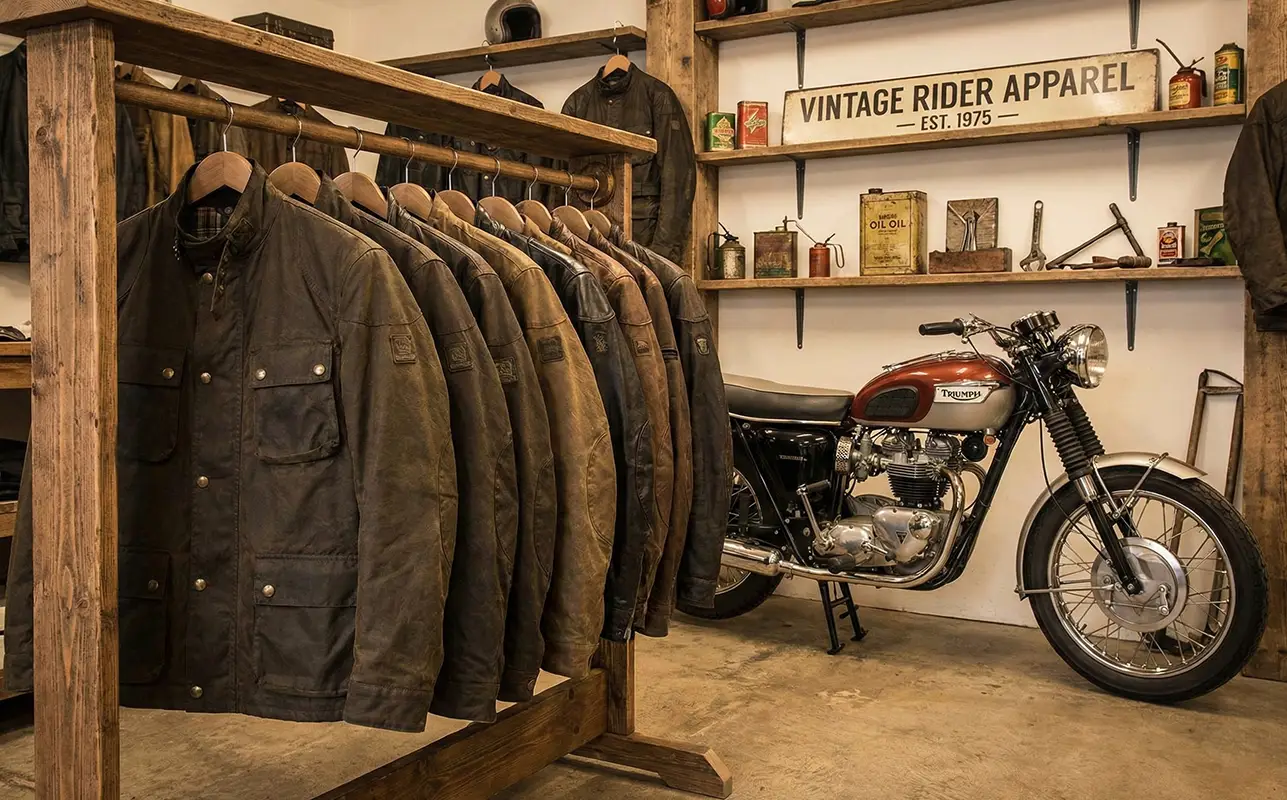
There’s something undeniably romantic about riding a vintage motorcycle—the rumble of a classic engine, the timeless design, and the connection to motorcycling’s golden era.
But to truly complete the aesthetic, you need the right jacket. A vintage motorcycle jacket isn’t just about protection; it’s a statement piece that speaks to your appreciation for craftsmanship, heritage, and style.
The right jacket can transform your riding experience, making you feel like you’ve stepped out of a 1950s café racer film or a 1970s desert rally.
In this comprehensive guide, we’ll explore the nine best-looking jackets that perfectly complement vintage motorcycles. Whether you’re riding a classic Triumph, a restored Harley-Davidson, or a vintage BMW, these jackets combine authentic styling with modern safety features.
Our selection criteria focus on aesthetic appeal, historical accuracy, quality construction, material durability, and how well each jacket pairs with classic motorcycle designs.
We’ve considered everything from traditional leather cuts to waxed cotton alternatives, ensuring there’s something for every vintage motorcycle enthusiast’s taste and budget.
1. Classic Café Racer Leather Jacket
The café racer jacket is the quintessential choice for vintage motorcycle enthusiasts. Born from the British motorcycle culture of the 1960s, this streamlined design embodies the rebellious spirit of riders who raced between cafés in London. Its minimalist aesthetic and fitted silhouette make it the perfect companion for classic British bikes.
Overview
The café racer jacket features a distinctive band collar, asymmetrical front zipper, and a trim, athletic fit that reduces wind resistance at high speeds.
Typically crafted from premium cowhide or horsehide leather, these jackets develop a beautiful patina over time, telling the story of countless miles on the road.
The design includes minimal hardware—usually just a belt at the waist and zipper cuffs—maintaining clean lines that complement the stripped-down aesthetic of café racer motorcycles.
Modern versions often incorporate CE-approved armor pockets at the shoulders, elbows, and back while maintaining the classic silhouette.
The jacket’s shorter length prevents bunching when leaning forward over the handlebars, making it both stylish and functional for spirited riding.
Pros and Cons
Pros:
- Timeless design that never goes out of style and looks authentic with vintage motorcycles
- Streamlined fit reduces wind drag and provides excellent mobility while riding
- Develops a unique patina over time, becoming more characterful with age
- Versatile enough to wear off the bike as a fashion statement
Cons:
- Fitted design may feel restrictive for riders preferring looser garments
- Limited weather protection compared to longer touring jackets
- Premium leather versions can be expensive, ranging from $400-$1000+
2. Belstaff-Style Waxed Cotton Jacket
Waxed cotton jackets represent British motorcycling heritage at its finest. Made famous by brands like Belstaff and Barbour, these jackets have been protecting riders since the early 20th century.
Their distinctive appearance and weather-resistant properties make them ideal for vintage motorcycle enthusiasts who appreciate traditional materials.
Overview
Waxed cotton jackets feature a dense cotton fabric treated with a paraffin-based wax, creating a naturally water-resistant barrier that breathes better than synthetic materials.
The classic design includes a belted waist, multiple pockets with storm flaps, and a stand-up collar that can be secured against the elements.
These jackets typically come in rich earth tones—olive, tan, brown, or black—that complement the vintage aesthetic perfectly.
The material develops a unique worn appearance over time, with creases and fading that add character.
Unlike leather, waxed cotton is lighter weight and can be re-waxed to restore its weather-resistant properties, making it a sustainable long-term investment.
The relaxed fit accommodates layering underneath for cold-weather riding while maintaining a distinguished, heritage look.
Pros and Cons
Pros:
- Excellent weather resistance with breathable fabric that prevents overheating
- Lighter weight than leather, making it comfortable for all-day wear
- Can be reproofed and repaired, extending the jacket’s lifespan indefinitely
- Authentic vintage appearance that pairs perfectly with classic British motorcycles
Cons:
- Requires regular maintenance and re-waxing to maintain water resistance
- Provides less abrasion resistance than leather in case of accidents
- The wax coating can transfer to other clothing or furniture when new
3. Schott Perfecto-Style Motorcycle Jacket
The Perfecto is arguably the most iconic motorcycle jacket ever created. Designed by Schott NYC in 1928, this asymmetrical leather jacket became synonymous with motorcycle culture through its association with rebels, rock stars, and Hollywood icons. It’s the ultimate statement piece for vintage motorcycle riders.
Overview
The Perfecto’s defining features include its off-center front zipper, wide lapels with snap-down collar, multiple zippered pockets, and belted waist.
Traditionally constructed from heavyweight steerhide or horsehide leather (typically 3-4 oz weight), these jackets are built to last generations.
The asymmetrical zipper design serves a practical purpose—it prevents the zipper from digging into your stomach when leaning forward on the bike.
Chrome-plated hardware adds visual interest while maintaining durability. The jacket’s boxy, slightly oversized fit allows for layering and provides room for armor inserts in modern versions.
Star-shaped zipper pulls and distinctive pocket placement make the Perfecto instantly recognizable. This design has remained virtually unchanged for decades because it simply works—both aesthetically and functionally.
Pros and Cons
Pros:
- Iconic design with unmatched cultural cachet and instant recognition
- Extremely durable construction that can last a lifetime with proper care
- Versatile styling that works with any vintage motorcycle from any era
- Provides excellent wind protection and abrasion resistance
Cons:
- Heavy weight can be tiring during long rides in warm weather
- Requires significant break-in period before becoming comfortable
- High-quality authentic versions command premium prices ($700-$1200)
4. Aviator/Bomber Leather Jacket
Drawing inspiration from military aviation, the bomber jacket brings a rugged, vintage military aesthetic to motorcycle riding. Originally designed for pilots in open cockpits, these jackets offer exceptional warmth and a distinctive silhouette that complements classic motorcycles beautifully.
Overview
The classic bomber jacket features a front zipper closure, ribbed knit cuffs and waistband, and a fur or shearling collar that can often be removed. Constructed from thick leather—often goatskin, lambskin, or horsehide—these jackets provide substantial insulation for cold-weather riding.
The elasticized cuffs and waistband create a seal against wind and cold air while giving the jacket its characteristic puffy silhouette. Interior pockets and exterior flap pockets provide practical storage.
The bomber’s slightly cropped length sits at the waist, preventing the jacket from riding up while seated on a motorcycle.
Modern interpretations maintain the vintage aesthetic while incorporating contemporary features like armor pockets and improved mobility panels.
The bomber jacket’s association with military heritage and aviation adds an adventurous dimension to your vintage motorcycle ensemble.
Pros and Cons
Pros:
- Exceptional warmth makes it ideal for cold-weather vintage riding
- Ribbed cuffs and waistband provide excellent wind protection
- Military heritage aesthetic adds rugged character to your riding gear
- Comfortable fit that doesn’t restrict movement on the bike
Cons:
- Too warm for riding in temperatures above 60°F
- Bulky silhouette may not appeal to riders preferring slim-fit jackets
- Shearling collars require special care and maintenance
5. Classic Motorcycle Cruiser Jacket
The cruiser jacket represents American motorcycle culture, with its relaxed fit and practical design elements.
This style became popular with cross-country touring riders and remains a favorite among vintage Harley-Davidson and Indian motorcycle enthusiasts who prioritize comfort and classic American styling.
Overview
Cruiser jackets typically feature a front snap or zipper closure, shirt-style collar, and multiple pockets for storing essentials during long rides.
Constructed from medium-weight leather (usually cowhide), these jackets offer a more relaxed fit than European-style motorcycle jackets, accommodating the upright riding position common on American cruisers.
Design elements often include action pleats across the back for mobility, snap-down collar points, and zippered or snap-closure pockets.
Some versions incorporate decorative elements like contrast stitching, leather fringe, or embossed panels that reference Western wear traditions.
The longer length provides additional coverage when seated on a motorcycle. Modern cruiser jackets maintain the classic aesthetic while adding features like removable thermal liners and armor pockets, making them practical for year-round riding.
Pros and Cons
Pros:
- Comfortable, relaxed fit ideal for upright riding positions on cruisers
- Practical pocket configuration for touring and long-distance rides
- Authentic American motorcycle heritage styling
- Action pleats and relaxed cut provide excellent mobility
Cons:
- Looser fit may flap in the wind at higher speeds
- Less streamlined appearance compared to European racing-inspired designs
- Decorative elements may not appeal to minimalist aesthetics
6. British Trials Jacket
Inspired by off-road trials competition, the British trials jacket offers a unique blend of functionality and vintage appeal.
These jackets were designed for riders navigating challenging terrain on classic British bikes, and their distinctive styling sets them apart from traditional street motorcycle jackets.
Overview
Trials jackets are characterized by their lightweight construction, typically using waxed cotton or treated canvas rather than leather. The design features a longer length that extends past the hips, providing coverage when standing on the footpegs.
High chest pockets keep essentials accessible while riding, and the jacket’s loose fit accommodates extensive body movement required for off-road riding. Many trials jackets include a game pocket at the back—a holdover from their hunting jacket origins—and ventilation eyelets under the arms.
The collar can be worn up for weather protection or folded down for a casual look. Earth-tone colors like olive, khaki, and brown dominate this style, perfectly complementing vintage scramblers and trials bikes.
The trials jacket’s rugged, utilitarian appearance appeals to riders who appreciate functional vintage gear with authentic competition heritage.
Pros and Cons
Pros:
- Lightweight and comfortable for active riding styles
- Extended length provides excellent coverage without restricting movement
- Unique styling that stands out from common motorcycle jacket designs
- Practical pocket configuration ideal for adventure riding
Cons:
- Less abrasion resistance than leather alternatives
- Loose fit may not be aerodynamic for high-speed riding
- Limited availability compared to more mainstream jacket styles
7. Vintage Racing Jacket
Racing jackets from the golden age of motorsport bring competition pedigree to your vintage motorcycle ensemble. These jackets reference the glory days of motorcycle racing, when riders wore colorful leather suits adorned with sponsor patches and national colors.
Overview
Vintage racing jackets feature form-fitting designs with pre-curved sleeves to match the riding position, horizontal chest zippers for ventilation, and bold color blocking that references racing liveries from the 1960s and 1970s.
Constructed from high-quality leather with reinforced stitching at stress points, these jackets were designed for performance but have become style icons.
Perforated leather panels provide ventilation, while padding at the elbows and shoulders offers protection. Many vintage racing jackets include diagonal chest stripes, contrasting shoulder panels, or national flag colors that create visual interest.
Modern reproductions maintain the aesthetic appeal while incorporating contemporary armor and improved materials. The racing jacket’s athletic cut and vibrant styling make it perfect for riders who want their gear to reflect the competitive spirit of vintage motorcycle racing.
Pros and Cons
Pros:
- Athletic fit optimized for aggressive riding positions
- Bold styling creates a distinctive, eye-catching appearance
- Racing heritage adds authenticity to vintage sport bike aesthetics
- Pre-curved sleeves and performance-oriented design enhance comfort
Cons:
- Very tight fit may be uncomfortable for casual riding or off-bike wear
- Bold colors and graphics may not suit all personal styles
- Specialized design less versatile than classic black leather jackets
8. Continental/European Touring Jacket
The Continental touring jacket represents the sophisticated side of vintage motorcycling, drawing inspiration from European grand touring traditions.
These elegant jackets were favored by riders embarking on long-distance journeys across Europe on bikes like BMW and Moto Guzzi.
Overview
Continental touring jackets typically feature a three-quarter length that provides additional coverage, a belted waist for adjustability, and multiple pockets for maps and travel essentials.
Constructed from supple leather or high-quality waxed cotton, these jackets prioritize comfort during extended rides. Design elements include a tall collar that can be secured against wind, action pleats for mobility, and often a quilted or insulated lining for versatility across seasons.
The cut is more relaxed than racing jackets but more refined than American cruiser styles, striking a balance between elegance and functionality.
Many Continental jackets feature subtle details like leather elbow patches, contrast stitching, or burnished hardware that add sophistication.
The longer length and practical design make these jackets ideal for riders who appreciate understated elegance and plan extended vintage motorcycle tours.
Pros and Cons
Pros:
- Extended length provides superior weather protection and coverage
- Sophisticated styling appropriate for both riding and social occasions
- Multiple pockets offer excellent storage for touring essentials
- Comfortable fit designed for all-day wear during long rides
Cons:
- Longer length may bunch up on some motorcycle seating positions
- More conservative styling lacks the rebellious edge of other designs
- Can be too warm for riding in hot weather conditions
9. Vintage Denim Motorcycle Jacket
Denim motorcycle jackets offer a casual, Americana aesthetic that pairs beautifully with vintage motorcycles. While not providing the protection of leather, reinforced denim jackets have been part of motorcycle culture since the mid-20th century and remain popular for their relaxed style and versatility.
Overview
Vintage-style denim motorcycle jackets feature heavy-duty denim construction (typically 12-14 oz weight), reinforced stitching, and a classic trucker jacket silhouette with chest pockets and side hand pockets. Modern versions designed for motorcycling often incorporate abrasion-resistant panels, Kevlar or aramid fiber reinforcement in impact zones, and armor pockets while maintaining the classic denim aesthetic.
The front button or snap closure, adjustable waist tabs, and pointed collar create an iconic look that references American workwear and motorcycle culture.
Denim jackets can be worn with or without a liner, making them adaptable to various weather conditions. The material softens and fades with wear, developing a personalized appearance that tells your riding story.
While not as protective as leather, reinforced denim jackets offer a lighter, more casual alternative that works perfectly for fair-weather vintage motorcycle riding.
Pros and Cons
Pros:
- Lightweight and breathable, ideal for warm weather riding
- Casual styling that transitions easily from bike to everyday wear
- Develops attractive fade patterns and character with age
- More affordable than premium leather jackets while maintaining vintage appeal
Cons:
- Provides significantly less abrasion protection than leather
- Limited weather resistance without additional treatment or layering
- May not be taken seriously by riders prioritizing maximum safety gear
Conclusion
Choosing the best-looking jacket for your vintage motorcycle is about more than just aesthetics—it’s about finding a piece that resonates with your personal style, matches your bike’s character, and provides the functionality you need for your riding adventures.
Whether you’re drawn to the rebellious spirit of a Perfecto, the British heritage of waxed cotton, or the racing pedigree of a vintage competition jacket, each style on this list offers its own unique appeal and practical benefits.
The perfect vintage motorcycle jacket should make you feel confident and connected to motorcycling’s rich history every time you throw your leg over your classic bike.
Consider your riding style, climate, and the aesthetic of your motorcycle when making your selection. Remember that quality matters—a well-made jacket will develop character over years of use, becoming a cherished part of your riding experience.
Invest in a jacket that speaks to you, maintain it properly, and it will serve as both protection and style statement for decades to come. Your vintage motorcycle deserves a jacket with equal character and heritage.
FAQs
What type of leather is best for vintage motorcycle jackets?
Horsehide and steerhide are considered the best options for vintage motorcycle jackets due to their exceptional durability and authentic period-correct appearance. Horsehide is denser and develops a beautiful patina over time, though it requires a longer break-in period. Steerhide offers excellent abrasion resistance at a more accessible price point. Cowhide is also popular and provides good protection while being more supple from the start. For authentic vintage styling, choose full-grain leather rather than corrected grain, as it ages more attractively and maintains the classic aesthetic that complements vintage motorcycles.
How should a vintage motorcycle jacket fit?
A vintage motorcycle jacket should fit snugly through the shoulders and chest without restricting movement, with sleeves long enough to cover your wrists when your arms are extended in riding position. The jacket should be slightly tight when new, as leather will stretch and conform to your body over time. You should be able to layer a sweater underneath for cold weather riding, but the jacket shouldn’t be so loose that it flaps in the wind. When seated on your bike, the jacket should not ride up excessively, and you should be able to comfortably reach the handlebars without feeling restricted across the back and shoulders.
Can vintage-style motorcycle jackets provide adequate safety protection?
Yes, many modern vintage-style motorcycle jackets incorporate contemporary safety features while maintaining classic aesthetics. Look for jackets with CE-approved armor pockets at the shoulders, elbows, and back, even if they appear traditionally styled. High-quality leather (minimum 1.2mm thickness) provides good abrasion resistance, while reinforced stitching at stress points enhances durability. Some manufacturers use modern materials like Kevlar in hidden areas while maintaining vintage appearance. However, if you prioritize maximum protection, consider wearing separate armor underneath a vintage jacket or choosing modern reproductions specifically designed with safety features integrated into the classic design.
How do I care for and maintain a vintage-style leather motorcycle jacket?
Regular maintenance is essential for preserving your vintage leather motorcycle jacket. Clean the leather every few months using a damp cloth to remove surface dirt, then apply a quality leather conditioner to prevent drying and cracking. Avoid over-conditioning, which can soften the leather excessively. Store the jacket on a wide hanger in a cool, dry place away from direct sunlight. If the jacket gets wet, let it dry naturally at room temperature—never use direct heat. For waxed cotton jackets, reproofing with wax annually maintains water resistance. Address any damage promptly by taking the jacket to a leather specialist, as small issues can worsen quickly with continued wear.
What jacket style works best with different types of vintage motorcycles?
Café racer jackets pair perfectly with British sport bikes like Triumph or Norton café racers. Perfecto-style jackets complement American cruisers, particularly vintage Harley-Davidsons and Indians. Waxed cotton Belstaff-style jackets are ideal for British bikes like BSA or classic BMWs. Bomber jackets work well with military-inspired motorcycles or vintage BMWs. Racing jackets suit vintage sport bikes like early Ducatis or Japanese café racers. Continental touring jackets complement elegant European touring bikes like Moto Guzzi or BMW boxers. Ultimately, choose a jacket that reflects your personal style and the era of your motorcycle, as authenticity and personal connection matter more than rigid rules.