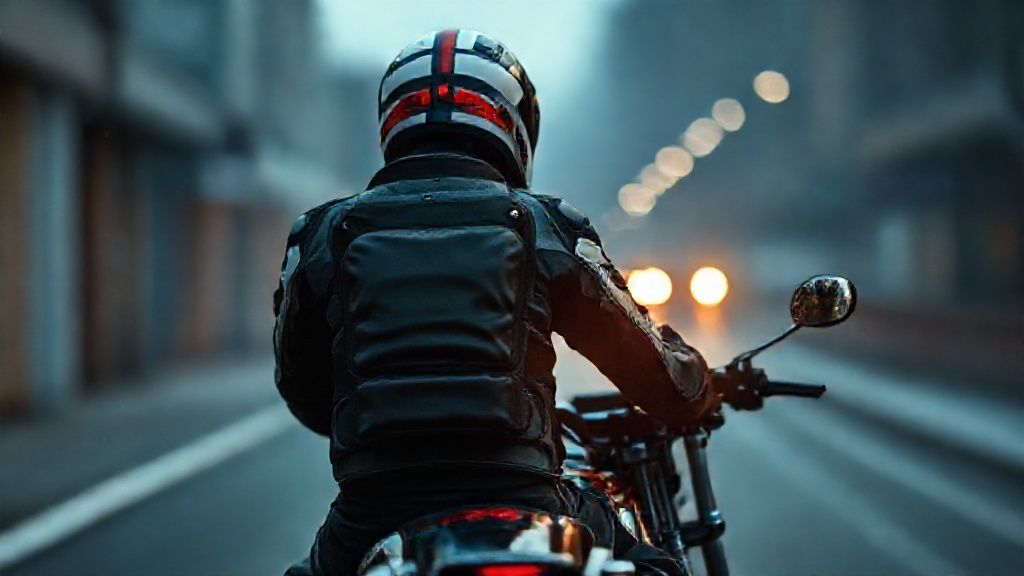
Motorcycle safety has evolved dramatically over the past decade, and airbag jackets represent one of the most significant advancements in rider protection. These innovative garments deploy in milliseconds during a crash, providing crucial cushioning to your vital organs, spine, and neck.
Whether you’re a daily commuter navigating city traffic or a weekend warrior carving through mountain passes, an airbag jacket could be the difference between walking away from an accident and facing serious injury. With numerous options flooding the market, each boasting different technologies, price points, and protection levels, choosing the right airbag jacket can feel overwhelming.
This comprehensive guide examines the best airbag jackets available today, evaluating them based on safety certifications, deployment technology, comfort, versatility, and overall value. We’ve analyzed tethered and electronic systems, considered various riding styles, and assessed real-world performance to help you make an informed decision about this potentially life-saving investment.
1. Helite Turtle 2 Airbag Vest
The Helite Turtle 2 stands as one of the most trusted names in motorcycle airbag technology, offering proven protection through a mechanical tethered system. This vest has been refined through years of real-world testing and continues to be a favorite among touring riders and daily commuters alike.
Overview
The Helite Turtle 2 utilizes a simple yet effective mechanical tethered system that connects to your motorcycle via a lanyard. When you’re separated from your bike during an accident, the tether pulls a trigger mechanism that releases compressed CO2, inflating the airbag in approximately 80 milliseconds. The vest protects your back, chest, neck, and vital organs with 30 liters of air volume. It’s designed to be worn over or under your riding jacket, making it incredibly versatile for different weather conditions and riding styles. The system is reusable after deployment—simply replace the CO2 canister and reset the trigger mechanism. Helite has been manufacturing airbag systems since 2002, and the Turtle 2 benefits from two decades of refinement and crash data analysis.
Pros and Cons
Pros:
- Mechanical system requires no batteries or charging, ensuring reliability in all conditions
- Extremely fast deployment time of 80 milliseconds with proven track record
- Can be worn over or under jackets, providing excellent versatility
- Relatively affordable compared to electronic systems, with lower long-term maintenance costs
Cons:
- Tethered system requires remembering to attach and detach from motorcycle
- Can accidentally deploy if you forget to disconnect when dismounting
- Less sophisticated than electronic systems in detecting crash scenarios
2. Dainese Smart Jacket
Dainese revolutionized motorcycle safety with their Smart Jacket, bringing electronic airbag technology to the masses. This sleek, vest-style airbag system uses sophisticated algorithms to detect crashes without requiring any tether connection to your motorcycle.
Overview
The Dainese Smart Jacket employs an electronic system with integrated sensors that continuously monitor your riding dynamics. Seven sensors and a powerful microprocessor analyze data 1,000 times per second, detecting accidents and deploying the airbag in just 45 milliseconds. The system protects your shoulders, chest, back, and kidneys with a Shield airbag that wraps around your torso. Unlike tethered systems, there’s no lanyard to attach or detach—simply turn it on and ride. The jacket is designed to fit under or over your regular riding gear and works on any motorcycle, bicycle, or even while skiing. After deployment, the airbag can be replaced by Dainese service centers, though this represents a higher ongoing cost than simple CO2 cartridge replacement.
Pros and Cons
Pros:
- No tether required, eliminating the risk of accidental deployment when dismounting
- Incredibly fast 45-millisecond deployment time, among the fastest available
- Versatile enough to use across multiple activities including cycling and skiing
- Sophisticated sensor system can distinguish between normal riding and crash scenarios
Cons:
- Requires charging every 26 hours of use, which could be problematic on long tours
- Higher replacement cost after deployment compared to tethered systems
- Premium price point puts it out of reach for some riders
3. Alpinestars Tech-Air 5 System
Alpinestars has been at the forefront of motorcycle racing safety for decades, and their Tech-Air 5 represents the pinnacle of electronic airbag technology. Developed through extensive MotoGP racing experience, this system offers uncompromising protection for serious riders.
Overview
The Tech-Air 5 is a standalone airbag vest that fits inside compatible Alpinestars jackets or can be worn independently. It uses GPS-assisted sensor technology with six gyroscopes and accelerometers to detect crashes with remarkable accuracy. The system deploys in approximately 40 milliseconds, protecting your shoulders, chest, back, and collarbone area. What sets the Tech-Air 5 apart is its sophisticated algorithm that’s been refined through analysis of over 1,000 racing crashes. The system includes Bluetooth connectivity, allowing you to check battery status and receive firmware updates through a smartphone app. Battery life extends to approximately 30 hours of riding, and the vest provides both audible and visual warnings when power runs low. The airbag is replaceable after deployment, and Alpinestars offers a comprehensive service network.
Pros and Cons
Pros:
- Racing-proven technology with data from thousands of professional crashes
- GPS-assisted detection provides enhanced accuracy in various riding scenarios
- Smartphone connectivity for easy monitoring and updates
- 30-hour battery life suitable for extended touring without recharging
Cons:
- Premium pricing reflects its professional-grade technology
- Works best with Alpinestars-compatible jackets, limiting gear choices
- Post-deployment service costs can be substantial
4. Klim AI-1 Airbag Vest
Klim has built a reputation for creating gear that performs in the harshest conditions, and their AI-1 Airbag Vest brings that same rugged reliability to airbag technology. Designed specifically for adventure and touring riders, this vest excels in varied riding conditions.
Overview
The Klim AI-1 uses In&motion’s proven electronic airbag technology, featuring sensors that analyze riding dynamics 1,000 times per second. The system deploys in approximately 60 milliseconds, providing 360-degree torso protection including chest, back, shoulders, and neck. What makes the AI-1 particularly appealing for adventure riders is its robust construction and weather-resistant design. The vest can be worn over or under jackets and includes adjustable sizing to accommodate different body types and gear configurations. Battery life reaches 30 hours, and the system provides clear LED indicators for battery status and system health. The AI-1 operates on a subscription model after an initial trial period, which includes automatic algorithm updates, crash detection improvements, and full replacement coverage after deployment.
Pros and Cons
Pros:
- Rugged construction ideal for adventure and off-road riding conditions
- Subscription model includes crash replacement and ongoing algorithm improvements
- Excellent 360-degree protection coverage including neck support
- In&motion technology is proven across multiple manufacturers and riding disciplines
Cons:
- Ongoing subscription costs add to long-term ownership expenses
- Slightly slower deployment than some competitors at 60 milliseconds
- Bulkier profile may not suit riders preferring minimalist gear
5. Helite GP Air 2
For riders seeking maximum protection without electronic complexity, the Helite GP Air 2 represents the ultimate mechanical airbag system. This tethered vest offers comprehensive coverage and has been proven in professional racing environments worldwide.
Overview
The GP Air 2 is Helite’s premium tethered airbag vest, featuring an impressive 38 liters of air volume—significantly more than most competitors. This increased volume provides enhanced protection for the chest, back, neck, shoulders, and even extends down to the lower back and hips. The mechanical system deploys in 80 milliseconds when the tether is pulled, releasing compressed argon gas (rather than CO2) for faster inflation. The vest features a race-fit design that’s slim and aerodynamic, making it comfortable for aggressive riding positions. Multiple adjustment points ensure a secure fit, and the system can be worn over or under leather or textile jackets. After deployment, the vest is easily reset with a new gas canister and trigger mechanism. Helite’s extensive racing heritage, including partnerships with professional road racing and motocross teams, has continuously refined the GP Air 2’s design.
Pros and Cons
Pros:
- Exceptional 38-liter air volume provides superior protection coverage
- Mechanical reliability means no batteries, charging, or electronic failures
- Lower long-term costs with inexpensive cartridge replacements
- Racing-proven design trusted by professional riders globally
Cons:
- Tether system requires discipline to attach and detach consistently
- Cannot distinguish between crash types or riding conditions
- Accidental deployment possible if tether isn’t properly managed
6. RST Paragon VI Airbag Jacket
RST brings affordability to the airbag market without compromising essential safety features. The Paragon VI is a complete textile jacket with integrated mechanical airbag system, offering an all-in-one solution for budget-conscious riders.
Overview
The RST Paragon VI combines a fully-featured textile riding jacket with an integrated tethered airbag system, providing exceptional value for riders new to airbag technology. The jacket includes standard CE-approved armor at shoulders, elbows, and back, supplemented by the airbag system that protects the chest, back, and collarbone area. The mechanical tether system deploys the 13-liter airbag in approximately 100 milliseconds. While the air volume is lower than premium options, it still provides significant protection enhancement over traditional armor alone. The textile construction includes waterproof and breathable membranes, multiple ventilation options, and thermal liners for year-round riding. The integrated design means you don’t need to coordinate separate vests and jackets, simplifying your gear setup. After deployment, the system can be reset with replacement CO2 cartridges available at modest cost.
Pros and Cons
Pros:
- Excellent value combining full riding jacket and airbag protection
- Integrated design eliminates need for separate vest and jacket coordination
- Includes weatherproof features and thermal liners for versatility
- Affordable entry point into airbag technology for new riders
Cons:
- Lower air volume provides less comprehensive protection than premium vests
- Slower deployment time compared to high-end systems
- If jacket wears out or doesn’t fit, entire system must be replaced
7. Point Two ProAir
Originally developed for equestrian sports, the Point Two ProAir has found a dedicated following among adventure and dual-sport motorcycle riders. This mechanical vest offers reliable protection with a design optimized for active, athletic riding styles.
Overview
The Point Two ProAir uses a tethered mechanical system similar to other mechanical vests but distinguishes itself through its lightweight, athletic construction. Weighing just over two pounds, it’s one of the lightest airbag systems available, making it ideal for riders who value mobility and comfort during long adventure rides. The system deploys in approximately 100 milliseconds, protecting the back, chest, ribs, and vital organs. The vest’s design allows excellent freedom of movement, crucial for riders who frequently stand on pegs or navigate technical off-road sections. It can be worn over or under jackets and includes multiple adjustment points for a customized fit. The ProAir uses standard CO2 cartridges for inflation, and the trigger mechanism is easily reset after deployment. Point Two’s equestrian heritage means the vest is designed to withstand harsh conditions and repeated use.
Pros and Cons
Pros:
- Extremely lightweight design enhances comfort during active riding
- Excellent mobility makes it ideal for adventure and off-road riding
- Proven reliability from extensive equestrian sport use
- Affordable pricing with low maintenance costs
Cons:
- Less comprehensive protection coverage than some motorcycle-specific designs
- Tethered system requires consistent attachment discipline
- Limited motorcycle-specific features compared to dedicated motorcycle vests
8. Bering C-Protect Airbag Vest
Bering’s C-Protect represents the European approach to affordable electronic airbag technology. This vest brings sophisticated sensor-based protection to riders seeking electronic convenience without premium pricing.
Overview
The Bering C-Protect utilizes electronic sensors and algorithms to detect crashes without requiring a tether connection to your motorcycle. The system monitors acceleration, deceleration, and angular velocity through integrated gyroscopes and accelerometers, analyzing data continuously to distinguish normal riding from crash scenarios. When a crash is detected, the airbag deploys in approximately 80 milliseconds, protecting the chest, back, and shoulders. The vest features a slim profile designed to fit comfortably under or over riding jackets, with adjustable straps ensuring secure fit across various body types. Battery life extends to approximately 25 hours of riding, with LED indicators providing clear status information. The C-Protect includes a rechargeable lithium battery that charges via standard USB connection. After deployment, the airbag cartridge can be replaced by Bering dealers or authorized service centers at reasonable cost compared to some premium brands.
Pros and Cons
Pros:
- Electronic convenience without premium brand pricing
- No tether eliminates attachment hassles and accidental deployment risks
- Reasonable battery life suitable for most riding scenarios
- USB charging provides convenient power management
Cons:
- Less established brand reputation compared to industry leaders
- Limited service network in some regions
- Algorithm may not be as refined as systems with racing development heritage
9. Hit-Air MLV-C Vest
Hit-Air pioneered motorcycle airbag technology and continues to offer reliable, straightforward protection through their mechanical systems. The MLV-C vest represents their core philosophy: simple, effective, and dependable protection at reasonable cost.
Overview
The Hit-Air MLV-C is a mechanical tethered vest that’s been protecting riders for over two decades with minimal design changes—a testament to its effective simplicity. The system uses a lanyard connected to your motorcycle that triggers CO2 inflation when pulled during a crash or fall. Deployment occurs in approximately 0.5 seconds, which is slower than many modern systems but still fast enough to provide meaningful protection. The vest protects the neck, chest, back, shoulders, and sides with moderate air volume. What sets Hit-Air apart is their extensive range of sizes and styles, ensuring proper fit for riders of all body types. The vest can be worn over or under jackets and includes high-visibility options for increased conspicuity. The mechanical simplicity means virtually nothing can go wrong—no batteries to charge, no sensors to malfunction, and no complex electronics to fail. Replacement cartridges are inexpensive and widely available, and the vest can be reset in seconds.
Pros and Cons
Pros:
- Proven reliability over more than 20 years in the market
- Extremely simple operation with minimal failure points
- Wide range of sizes and styles accommodates diverse rider needs
- Very affordable initial cost and minimal ongoing expenses
Cons:
- Slower deployment time compared to modern systems
- Tethered system requires consistent attachment discipline
- Less sophisticated protection compared to newer designs
Conclusion
Choosing the best airbag jacket for your motorcycle riding depends on multiple factors including your budget, riding style, and personal preferences regarding electronic versus mechanical systems. Electronic systems like the Dainese Smart Jacket and Alpinestars Tech-Air 5 offer cutting-edge technology with the fastest deployment times and no tether hassles, but they come with premium pricing and ongoing maintenance considerations. Mechanical systems like the Helite Turtle 2 and Hit-Air MLV-C provide reliable, no-fuss protection with minimal ongoing costs, though they require discipline in attaching and detaching the tether. For adventure riders, the Klim AI-1 and Point Two ProAir offer specialized features for active riding styles. Budget-conscious riders will appreciate the RST Paragon VI’s integrated approach or the Bering C-Protect’s affordable electronic option. Regardless of which system you choose, any airbag jacket represents a significant upgrade over traditional armor alone. The investment in airbag technology could literally save your life or prevent life-altering injuries. Consider your specific needs, try on different options if possible, and choose the system you’ll actually wear consistently—because the best airbag jacket is the one you have on when you need it most.
FAQs
How do motorcycle airbag jackets work?
Motorcycle airbag jackets work through either mechanical or electronic systems. Mechanical systems use a tether attached to your motorcycle that pulls a trigger when you’re separated from the bike, releasing compressed gas to inflate the airbag in milliseconds. Electronic systems use sensors and algorithms that continuously monitor your riding dynamics, automatically detecting crashes and deploying the airbag without any tether. Both systems provide a protective cushion around vital areas including your chest, back, shoulders, and neck during an impact.
Are airbag jackets reusable after deployment?
Yes, most airbag jackets are reusable after deployment, though the process and cost vary by system. Mechanical tethered systems typically require only a replacement CO2 or argon cartridge (costing $30-60) and resetting the trigger mechanism, which you can often do yourself. Electronic systems generally require professional service to replace the airbag unit and reset the electronics, with costs ranging from $200-400 depending on the manufacturer. Some brands like Klim offer subscription models that include free replacement after deployment.
Can airbag jackets accidentally deploy?
Accidental deployment is possible with mechanical tethered systems if you forget to disconnect the lanyard before dismounting your motorcycle or if the tether catches on something. This is one of the main drawbacks of tethered systems and requires discipline to prevent. Electronic systems eliminate this risk entirely as they use sophisticated algorithms to distinguish between normal riding activities and actual crashes. Modern electronic systems are highly refined and false deployments are extremely rare, though they can occasionally occur in severe non-crash scenarios like dropping the bike at a standstill.
How long do airbag jacket batteries last?
Electronic airbag jackets typically offer 25-30 hours of riding time per charge, depending on the specific model and conditions. The Dainese Smart Jacket provides approximately 26 hours, while the Alpinestars Tech-Air 5 and Klim AI-1 offer around 30 hours. Most systems provide clear visual and audible warnings when battery levels are low, giving you time to recharge before your next ride. Charging typically takes 4-6 hours using standard USB or proprietary chargers. For long-distance touring, you may want to carry a portable power bank or plan charging stops.
Do airbag jackets work with any motorcycle?
Yes, airbag jackets work with any motorcycle regardless of make, model, or type. Electronic systems are completely universal since they don’t connect to the motorcycle at all—they simply detect crash dynamics through onboard sensors. Mechanical tethered systems require only a secure anchor point on your motorcycle to attach the lanyard, which can be created on virtually any bike. This universality means you can use the same airbag jacket across multiple motorcycles, whether you’re riding a sportbike, cruiser, adventure bike, or standard motorcycle, making them a versatile safety investment.