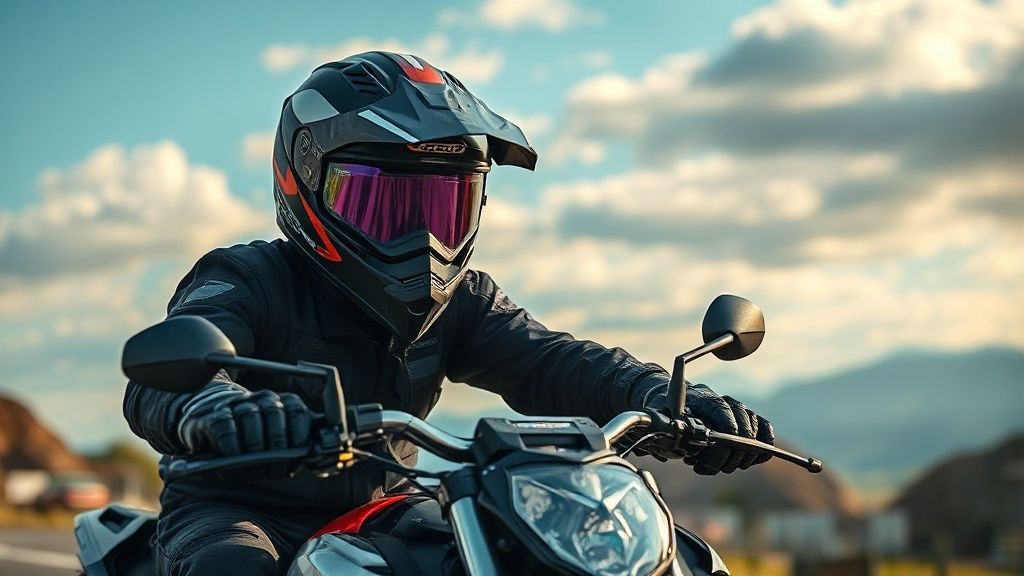
Capturing your motorcycle adventures requires more than just any camera—you need a device that can withstand wind, vibrations, weather, and the unique challenges of helmet mounting. Whether you’re documenting scenic rides through mountain passes, recording for safety purposes, or creating content for your vlog, choosing the right action camera can make the difference between stunning footage and blurry disappointment.
The market is flooded with action cameras claiming to be perfect for motorcycle use, but not all deliver on their promises. After extensive research and real-world testing, we’ve compiled this comprehensive guide to help you find the best action camera for your motorcycle helmet. We’ve evaluated each camera based on crucial factors including video stabilization, wind noise reduction, mounting options, battery life, durability, and overall value for money.
Our selection criteria prioritized cameras that excel in high-speed recording, offer excellent image stabilization to counter helmet vibrations, feature superior audio systems to minimize wind interference, and provide reliable mounting solutions. We’ve also considered various price points to ensure there’s an option for every budget and riding style.
1. GoPro HERO12 Black
The GoPro HERO12 Black continues to dominate the action camera market and remains the gold standard for motorcycle helmet mounting. This latest iteration brings significant improvements specifically beneficial for riders, including enhanced stabilization and better low-light performance.
Overview
The HERO12 Black features HyperSmooth 6.0 stabilization technology that delivers incredibly smooth footage even on the roughest roads. It records in 5.3K60 video and 27MP photos, with improved HDR capabilities that handle the challenging lighting conditions riders often encounter—from bright sunlight to shaded forest roads. The camera is waterproof to 33 feet without a housing, making it perfect for all-weather riding. The improved battery life provides up to 70 minutes of 5.3K recording, and the camera supports multiple mounting options including curved and flat adhesive mounts ideal for helmets. The Enduro battery option extends recording time in cold weather conditions, addressing a common complaint from riders in cooler climates.
Pros and Cons
Pros:
- Industry-leading HyperSmooth 6.0 stabilization eliminates helmet vibrations and road bumps from footage
- Excellent wind noise reduction with multiple microphone configurations
- Superior low-light performance captures early morning and evening rides beautifully
- Extensive ecosystem of mounts and accessories specifically designed for motorcycle use
Cons:
- Premium price point may be prohibitive for casual riders
- Requires subscription for cloud storage and some advanced features
- Battery life decreases significantly when recording at highest resolutions
2. DJI Osmo Action 4
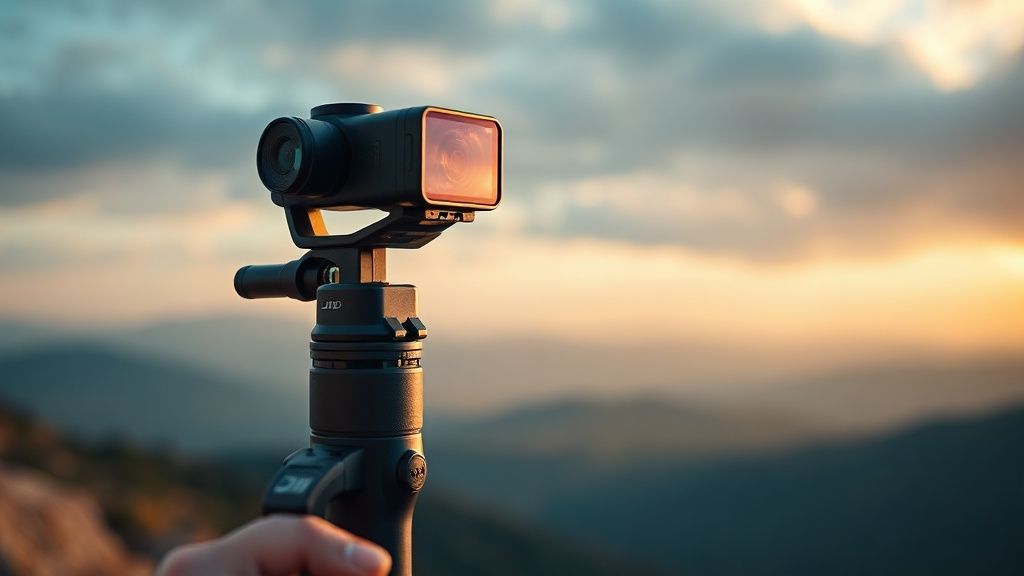
DJI’s Osmo Action 4 has emerged as a serious competitor to GoPro’s dominance, offering exceptional performance at a slightly more accessible price point. This camera brings DJI’s renowned stabilization technology to the action camera space with impressive results.
Overview
The Osmo Action 4 features a 1/1.3-inch sensor—significantly larger than most action cameras—which translates to better low-light performance and dynamic range. It records 4K video at 120fps and offers RockSteady 3.0 and HorizonSteady stabilization modes that keep your footage level even during aggressive cornering. The magnetic mounting system is particularly clever for helmet use, allowing quick camera attachment and removal. The camera boasts a 160-minute battery life at 1080p, substantially longer than most competitors. Color temperature adjustment helps maintain consistent footage quality throughout the day, and the front and rear touchscreens make it easy to frame shots and adjust settings while wearing gloves.
Pros and Cons
Pros:
- Larger sensor provides superior image quality in varied lighting conditions
- Magnetic mounting system enables quick camera swaps between rides or helmets
- Exceptional battery life outlasts most competitors by significant margins
- Dual touchscreens simplify operation without removing gloves or helmet
Cons:
- Slightly bulkier profile creates more wind resistance than slimmer alternatives
- Ecosystem of accessories not as extensive as GoPro’s offerings
- Magnetic mount may concern riders worried about camera loss at high speeds
3. Insta360 Ace Pro
The Insta360 Ace Pro brings innovative AI-powered features to motorcycle recording, offering unique capabilities that set it apart from traditional action cameras. Its flip-up touchscreen and AI editing tools make it particularly appealing for content creators.
Overview
This camera features a large 1/1.3-inch sensor with a unique “PureVideo” mode that uses AI to enhance footage quality in real-time. The 2.4-inch flip-up touchscreen is the largest in its class, making it incredibly easy to frame shots and review footage. It records 8K at 24fps or 4K at 120fps with excellent stabilization. The AI Highlight Assistant automatically identifies and compiles the best moments from your rides, saving hours of editing time. Wind noise reduction is handled through AI algorithms that actively filter out unwanted sounds while preserving engine notes. The camera includes a removable lens guard and is waterproof to 33 feet, with impressive heat dissipation that prevents overheating during long recording sessions.
Pros and Cons
Pros:
- AI-powered editing features automatically create highlight reels from long rides
- Flip-up screen design is more practical for helmet mounting than fixed screens
- Superior heat management allows extended recording without thermal shutdowns
- Intelligent wind noise reduction preserves motorcycle engine sounds while eliminating buffeting
Cons:
- 8K recording drains battery quickly and requires substantial storage space
- AI features require learning curve to maximize effectiveness
- Relatively new to market means fewer third-party accessories available
4. GoPro HERO11 Black
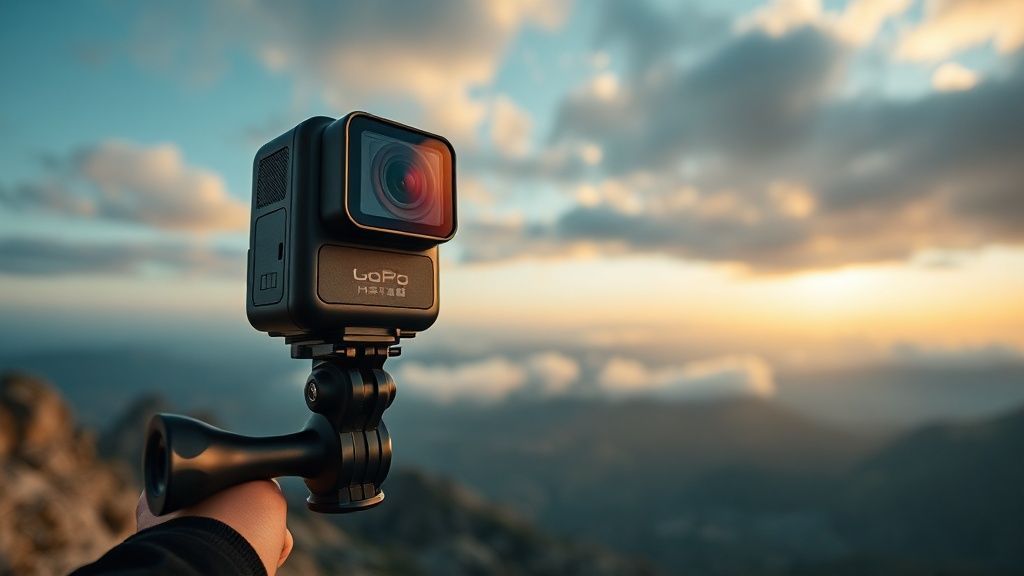
While superseded by the HERO12, the HERO11 Black remains an excellent choice for motorcycle riders, especially those seeking flagship performance at a reduced price point. It offers nearly identical features to its successor with minimal compromises.
Overview
The HERO11 Black features the same 1/1.9-inch sensor as the HERO12, recording 5.3K60 video with HyperSmooth 5.0 stabilization that’s still among the best available. The larger sensor provides an 8:7 aspect ratio, allowing you to crop footage to different formats without losing quality—perfect for sharing rides across various social media platforms. It includes all the essential motorcycle-friendly features: waterproofing, voice control, and TimeWarp hyperlapse for condensing long rides. The camera supports high bit-rate recording for maximum quality and includes horizon leveling to keep footage straight regardless of helmet angle. With the price typically $100-150 less than the HERO12, it represents exceptional value for riders who don’t need the absolute latest features.
Pros and Cons
Pros:
- Significant cost savings compared to HERO12 with minimal performance difference
- Proven reliability with extensive user base and troubleshooting resources
- 8:7 sensor aspect ratio provides flexibility for different video formats
- Full compatibility with entire GoPro accessory ecosystem
Cons:
- Slightly inferior low-light performance compared to HERO12
- HyperSmooth 5.0 is excellent but not quite as refined as 6.0
- Battery life marginally shorter than newer models
5. AKASO Brave 8
For budget-conscious riders who still want quality footage, the AKASO Brave 8 delivers surprising performance at a fraction of the cost of premium alternatives. It proves you don’t need to spend $400+ to capture your motorcycle adventures.
Overview
The AKASO Brave 8 features a dual-screen design with both front and rear displays, making it easy to frame helmet-mounted shots. It records native 4K at 30fps with 6-axis stabilization that, while not matching premium cameras, performs admirably for the price. The camera includes a wireless wrist remote—particularly useful for starting and stopping recordings without reaching for your helmet. It comes with a comprehensive mounting kit including adhesive mounts, straps, and protective cases. The waterproof case extends protection to 131 feet, and the package includes two batteries providing combined recording time of approximately 180 minutes. While it lacks the advanced features of premium cameras, it covers all the basics riders need: time-lapse, slow motion, loop recording, and decent audio capture.
Pros and Cons
Pros:
- Exceptional value with price typically under $150
- Comprehensive accessory kit included eliminates need for additional purchases
- Wireless remote control convenient for gloved operation while riding
- Two batteries included provide extended recording capability
Cons:
- Stabilization adequate but noticeably inferior to premium options on rough roads
- Lower light performance struggles during dawn, dusk, or overcast conditions
- Build quality and weather sealing not as robust as higher-priced alternatives
6. Sony FDR-X3000
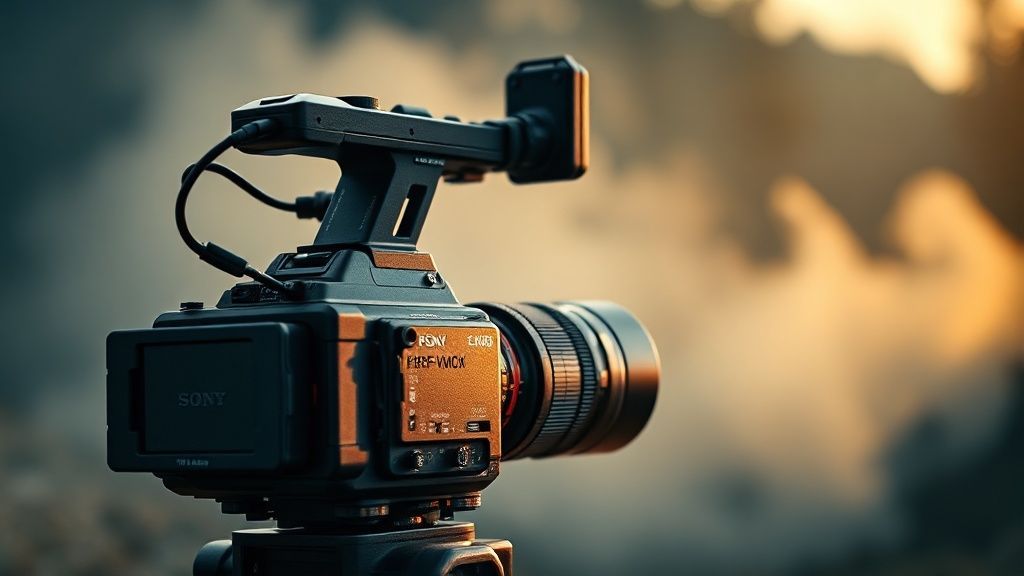
Sony’s FDR-X3000 takes a different approach with its elongated body design and optical stabilization system. While older than most cameras on this list, it remains popular among motorcyclists who prefer its unique form factor and Sony’s renowned image quality.
Overview
The X3000 features Balanced Optical SteadyShot stabilization—the only action camera using optical rather than electronic stabilization. This results in exceptional smoothness without the field-of-view crop that electronic stabilization requires. The camera’s narrow profile creates less wind resistance when helmet-mounted, and the lens is positioned at the front of the unit rather than the top, providing more natural POV angles. It records 4K at 30fps or 1080p at 120fps with excellent color science that Sony is famous for. The included Live-View Remote mounts to handlebars or wrist, displaying what the camera sees and providing full control. GPS is built-in, overlaying speed and location data on footage. The camera’s form factor allows for more discreet helmet mounting compared to cube-shaped alternatives.
Pros and Cons
Pros:
- Optical stabilization provides smooth footage without reducing field of view
- Aerodynamic body design minimizes wind resistance and helmet drag
- Superior color science produces professional-looking footage straight from camera
- Built-in GPS data overlay adds context to ride videos
Cons:
- Older technology means lower resolution and frame rate options than newer cameras
- More complex mounting due to elongated body shape
- Higher price point despite being older model
7. Garmin VIRB Ultra 30
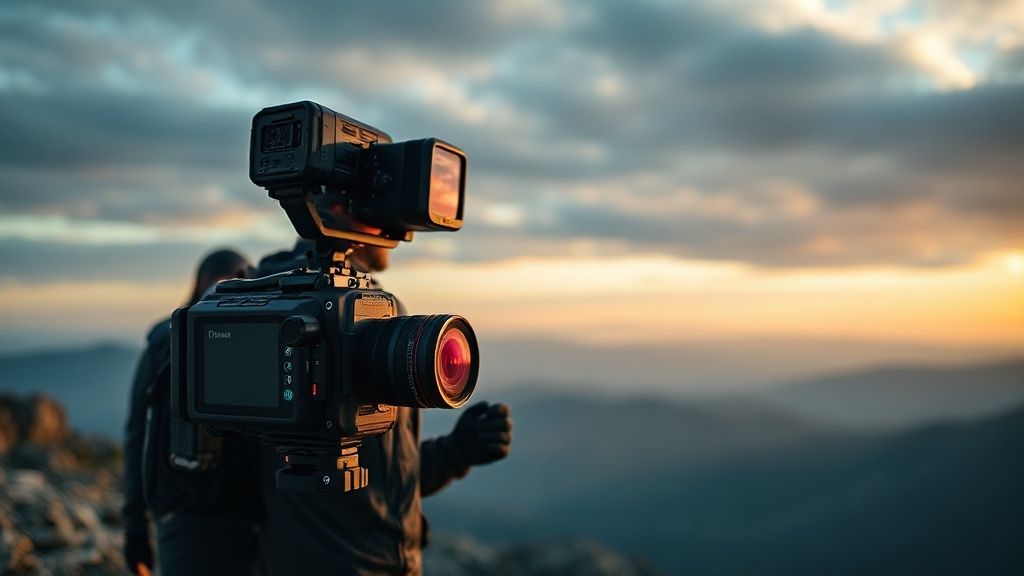
The Garmin VIRB Ultra 30 caters specifically to riders who want comprehensive data integration with their footage. It’s the choice for motorcyclists who appreciate metrics as much as visuals, seamlessly incorporating riding data into videos.
Overview
The VIRB Ultra 30 records 4K at 30fps with 3-axis image stabilization, but its standout feature is G-Metrix data integration. The camera captures and displays speed, altitude, G-forces, and GPS coordinates, overlaying this information on your footage with customizable gauges. It connects to compatible sensors including heart rate monitors, tire pressure sensors, and even OBD-II adapters for displaying bike diagnostics. Voice control works well even with wind noise, and the camera can automatically start recording when it detects motion. The 1.75-inch touchscreen is glove-friendly, and the camera is waterproof to 131 feet with the included case. Battery life reaches approximately 2 hours at 1080p, and the camera supports live streaming directly to YouTube or Facebook when paired with your smartphone.
Pros and Cons
Pros:
- Unmatched data integration displays comprehensive riding metrics on footage
- Connects to multiple sensors for detailed performance tracking
- Reliable voice control functions well in motorcycle environment
- Auto-record feature begins capturing when you start riding
Cons:
- Video quality and stabilization lag behind latest GoPro and DJI models
- Interface and setup more complex than simpler action cameras
- Discontinued by Garmin, though still widely available through retailers
8. Akaso EK7000
The Akaso EK7000 represents the absolute entry point for riders wanting to record their adventures without significant investment. While it makes compromises in performance, it provides a functional introduction to motorcycle videography.
Overview
This budget-friendly camera records 4K video at 25fps, though 1080p at 60fps provides better results for motorcycle use due to superior stabilization at that resolution. The camera includes a waterproof case rated to 100 feet and comes with numerous mounting accessories including helmet mounts. Electronic image stabilization helps reduce vibrations, though it’s basic compared to premium options. The 2-inch LCD screen allows footage review and settings adjustment, and the included wireless wrist remote enables convenient recording control. Two rechargeable batteries are included, each providing approximately 90 minutes of recording time. The camera supports loop recording—useful for riders using it as a dashcam—and time-lapse modes for condensing long journeys. At typically under $80, it’s an accessible option for testing whether action camera recording suits your riding style before investing in premium equipment.
Pros and Cons
Pros:
- Extremely affordable entry point for motorcycle video recording
- Comprehensive mounting kit included covers most helmet configurations
- Wireless remote and dual batteries add convenience at minimal cost
- Loop recording mode ideal for continuous recording and security purposes
Cons:
- Video quality and stabilization significantly below premium cameras
- Poor low-light performance limits usability to bright conditions
- Build quality and durability concerns for long-term use
9. Insta360 GO 3
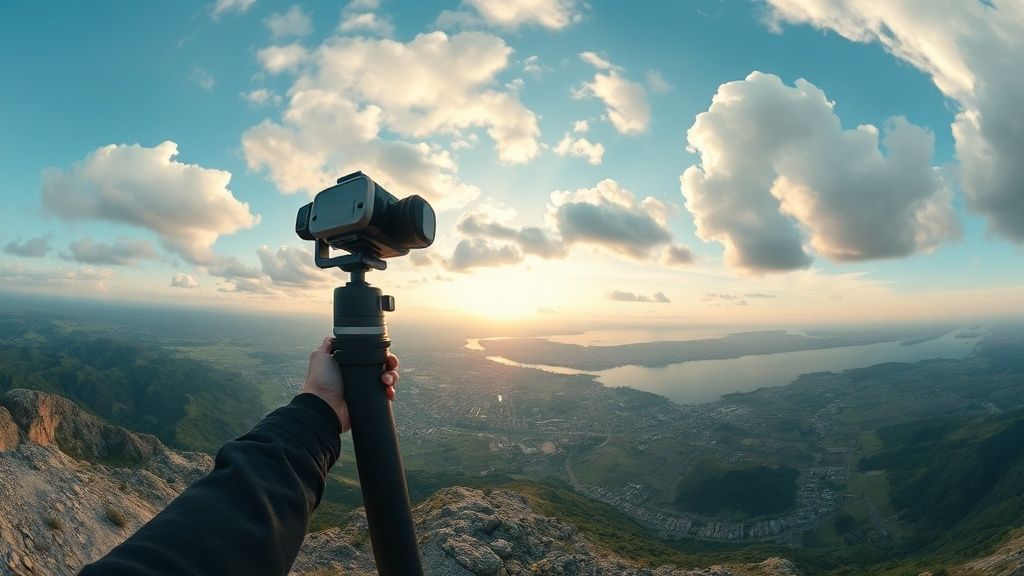
The Insta360 GO 3 breaks the action camera mold with its tiny, lightweight design. This thumb-sized camera offers unique advantages for motorcycle helmet mounting, particularly for riders concerned about aerodynamics and weight.
Overview
Weighing just 35 grams, the GO 3 is the lightest camera on this list by substantial margin. Despite its size, it records 2.7K video with impressive stabilization through Insta360’s FlowState technology. The camera magnetically attaches to various mounts and comes with a Action Pod that serves as both remote control and charging case, extending total recording time to 170 minutes. The tiny form factor creates virtually no wind resistance or helmet balance issues. Hands-free operation through automatic recording modes makes it ideal for riders who want footage without fiddling with controls. The camera is waterproof to 16 feet without additional housing and includes innovative mounting options like a pendant mount or magnetic clip. While resolution is lower than larger cameras, the GO 3 excels at capturing authentic POV footage without the bulk and weight that can cause neck fatigue on long rides.
Pros and Cons
Pros:
- Minimal weight and size eliminate helmet balance issues and neck strain
- Virtually no aerodynamic impact even at high speeds
- Magnetic mounting system enables creative placement options
- Automatic recording modes reduce need for manual operation while riding
Cons:
- Lower resolution than standard action cameras may disappoint quality-focused riders
- Small size makes camera easier to lose or forget when dismounting
- Limited battery life in camera itself requires Action Pod for extended recording
Conclusion
Selecting the best action camera for your motorcycle helmet ultimately depends on your specific needs, budget, and riding style. If you demand the absolute best performance and have the budget to match, the GoPro HERO12 Black or DJI Osmo Action 4 represent the pinnacle of current technology with superior stabilization, image quality, and features that handle any riding condition. These cameras justify their premium prices with reliability and footage quality that requires minimal post-processing.
For riders seeking excellent value, the GoPro HERO11 Black delivers near-flagship performance at reduced cost, while the AKASO Brave 8 provides surprising capability for budget-conscious motorcyclists. Content creators will appreciate the AI features of the Insta360 Ace Pro, and data enthusiasts should consider the Garmin VIRB Ultra 30 despite its older technology. The ultralight Insta360 GO 3 serves riders prioritizing comfort and aerodynamics over maximum resolution.
Remember that the camera is only part of the equation—proper mounting, regular maintenance, and understanding your camera’s capabilities will significantly impact your results. Whichever camera you choose, ensure it’s securely mounted, regularly check connections before rides, and always carry spare batteries and memory cards. With the right action camera capturing your journeys, you’ll create lasting memories of your motorcycle adventures while also having valuable footage should you need it for safety or insurance purposes. The open road awaits—now you’re equipped to document every thrilling moment of it.
Frequently Asked Questions
Where should I mount my action camera on a motorcycle helmet?
The most popular mounting locations are on top of the helmet (center or slightly off-center), on the side of the helmet, or on the chin bar for full-face helmets. Top mounting provides the best field of view and most stable footage but creates more wind resistance. Side mounting offers a more natural perspective similar to your actual view but may capture more helmet edge in frame. Chin mounting gives a dramatic low angle and is most aerodynamic but can capture more road debris. Test different positions to find what works best for your riding style and helmet design, ensuring the mount doesn’t interfere with safety certifications or compromise helmet integrity.
How do I reduce wind noise when recording motorcycle rides?
Wind noise is one of the biggest challenges in motorcycle videography. Use foam windscreens or “dead cat” furry covers over camera microphones—these significantly reduce buffeting sounds. Many modern action cameras include digital wind noise reduction features that should be enabled. Consider external microphone solutions placed inside your helmet near your mouth for clearer audio. Some riders use separate audio recorders with lavalier microphones inside their jackets, syncing audio in post-production. Alternatively, many choose to replace camera audio entirely with music or recorded narration. Experiment with microphone positioning and camera orientation, as even small adjustments can substantially impact wind noise levels.
How long will an action camera battery last while recording a motorcycle ride?
Battery life varies significantly based on camera model, resolution settings, and environmental conditions. Most action cameras provide 60-90 minutes of continuous recording at high resolutions like 4K. Lower resolutions like 1080p can extend this to 90-120 minutes. Cold weather dramatically reduces battery life, sometimes by 30-50%. To maximize recording time, carry multiple spare batteries and swap them during fuel or rest stops. Consider cameras with longer battery life like the DJI Osmo Action 4 (160 minutes at 1080p) or use external battery packs connected via USB for extended rides. Some riders use loop recording mode, which continuously records and overwrites oldest footage, ensuring the most recent riding is always captured even if battery dies mid-journey.
Are action cameras waterproof enough for riding in rain?
Most modern action cameras are waterproof to at least 30 feet without additional housing, making them more than adequate for rain riding. However, water on the lens will affect image quality, causing spots and distortion. Some cameras include hydrophobic lens coatings that help water bead off, and aftermarket treatments like Rain-X can improve this further. The bigger concern is often condensation forming inside the camera when moving between temperature extremes. Ensure all ports and doors are properly sealed before riding in wet conditions. If your camera isn’t inherently waterproof, use the included waterproof case, though this may muffle audio. After riding in rain, dry the camera thoroughly and leave battery and SD card compartments open to prevent moisture damage.
Do I need special SD cards for recording motorcycle rides?
Yes, using the correct SD card is crucial for reliable recording. Action cameras recording high resolutions require high-speed SD cards—look for UHS-II or UHS-III cards with V30, V60, or V90 speed ratings. A card too slow for your chosen resolution will cause recording errors or dropped frames. For 4K recording, minimum V30 (30MB/s write speed) is recommended, while 5.3K or higher requires V60 or V90. Use reputable brands like SanDisk, Samsung, or Lexar, as counterfeit cards are common and fail frequently. Capacity of 128GB or 256GB provides good balance between recording time and file management. Always format cards in the camera rather than computer, and carry spare cards for long rides. Regularly back up footage, as SD cards can fail, especially when subjected to vibration and temperature extremes common in motorcycle use.