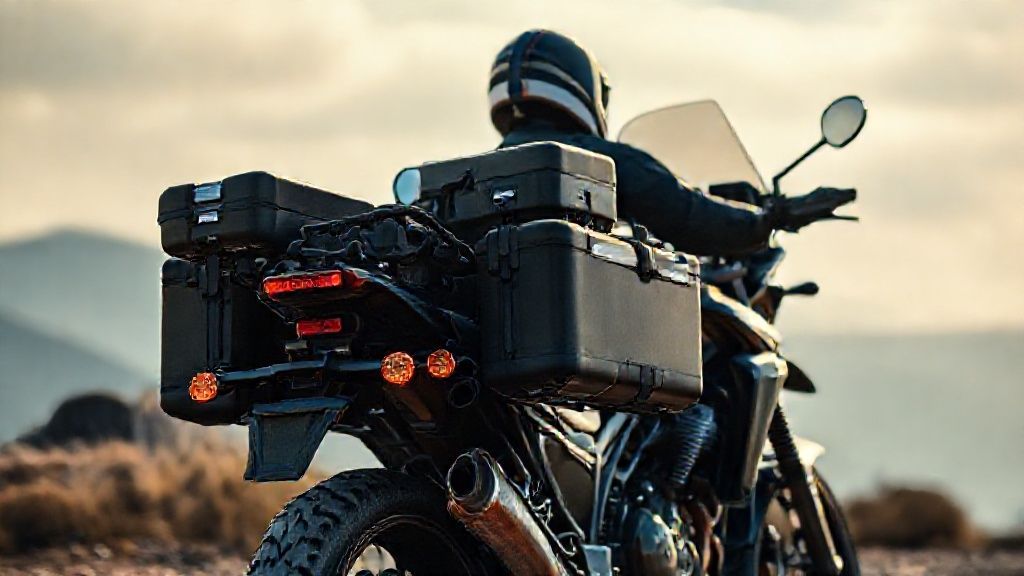
Choosing the right luggage for motorcycle touring can make or break your adventure. Whether you’re planning a weekend getaway or a cross-country expedition, having reliable, functional luggage is essential for carrying your gear safely and comfortably. The wrong choice can lead to damaged belongings, uncomfortable rides, and frustrating roadside adjustments.
In this comprehensive guide, we’ll explore the nine best luggage options for motorcycle touring, covering everything from hard-shell panniers to versatile tail bags. Each option has been selected based on durability, weather resistance, capacity, ease of installation, and overall value for money. We’ve considered feedback from experienced touring riders, tested products in various conditions, and evaluated how each option performs across different motorcycle types and touring styles.
Our selection criteria prioritize practicality over aesthetics, though many of these options look great too. We’ve focused on luggage that can withstand the rigors of long-distance travel while keeping your belongings secure and accessible when you need them most.
1. Hard-Shell Aluminum Panniers
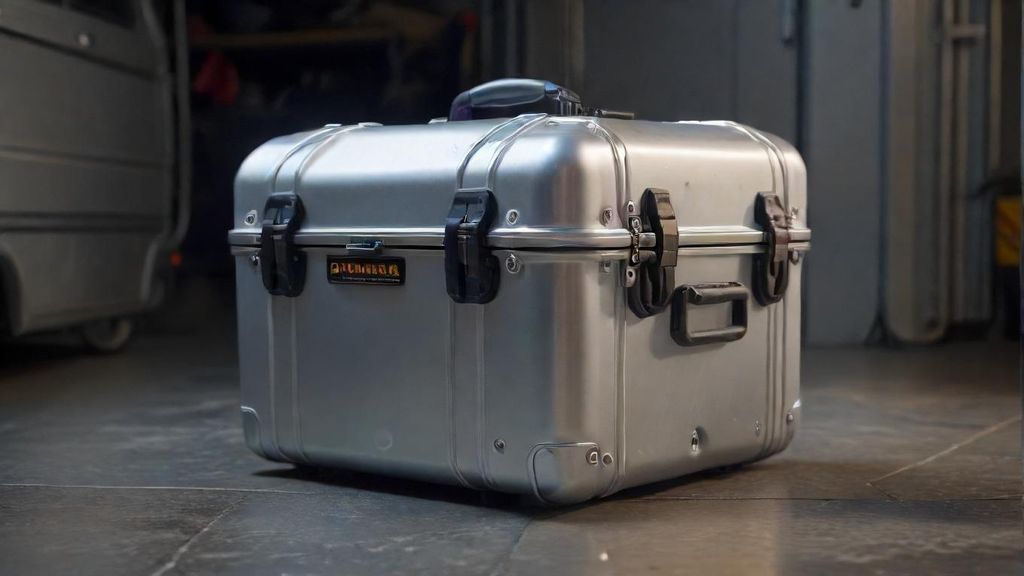
Hard-shell aluminum panniers represent the gold standard for serious motorcycle touring enthusiasts. These robust cases offer unmatched protection and security for your gear, making them ideal for riders who venture off-road or travel through challenging weather conditions.
Overview
Aluminum panniers are constructed from lightweight yet incredibly durable aluminum alloy, designed to withstand impacts, drops, and harsh environmental conditions. They typically mount to a dedicated rack system specific to your motorcycle model, ensuring a secure and stable fit. Most quality aluminum panniers feature waterproof seals, internal padding options, and lockable latches for security. They come in various sizes, typically ranging from 30 to 45 liters per side, providing ample storage for extended tours. The rigid construction protects fragile items like cameras and electronics, while the mounting system keeps weight distributed low and close to the bike for optimal handling. Many models include internal organizational pockets and can accommodate additional accessories like bottle holders or document pouches.
Pros and Cons
Pros:
- Exceptional durability and impact resistance that can last decades with proper care
- Completely waterproof and weatherproof, protecting contents in any conditions
- Lockable security keeps valuables safe when away from your motorcycle
- Maintains shape and structure, providing reliable protection for fragile items
Cons:
- Higher initial investment compared to soft luggage options
- Heavier than soft alternatives, adding significant weight to your motorcycle
- Can be noisy when riding over rough terrain or with loose contents
2. Soft Saddlebags
Soft saddlebags offer a versatile and budget-friendly alternative to hard luggage systems. These flexible bags appeal to riders who want expandable storage without the commitment of permanent mounting hardware.
Overview
Soft saddlebags are typically constructed from heavy-duty nylon, ballistic fabric, or weather-resistant canvas materials. They attach to your motorcycle using adjustable straps, buckles, or quick-release mounting systems that don’t require permanent modifications to your bike. Quality soft saddlebags feature reinforced stitching, water-resistant coatings, and often include removable rain covers for additional weather protection. They typically offer 20 to 40 liters of storage per side, with many models featuring expandable compartments that increase capacity when needed. The flexible nature allows them to conform to your motorcycle’s shape, and they’re easily removable when not needed. Most designs include reflective elements for visibility and multiple external pockets for organizing smaller items like tools, maps, or snacks.
Pros and Cons
Pros:
- Significantly more affordable than hard luggage systems
- Lightweight design minimally impacts motorcycle handling and fuel efficiency
- Easy to remove and carry, doubling as travel bags off the bike
- Expandable capacity adapts to varying load requirements
Cons:
- Less protection for contents compared to hard cases, vulnerable to impacts
- Require regular adjustment and maintenance of straps to prevent shifting
- Not completely waterproof without additional rain covers
3. Tank Bags
Tank bags provide convenient access to essential items while riding, positioning your most-needed gear within easy reach. They’re perfect for items you need to access frequently without stopping.
Overview
Tank bags attach to your motorcycle’s fuel tank using magnetic mounts, strap systems, or tank-specific mounting rings. They typically offer 5 to 20 liters of storage capacity and feature clear map pockets on top for navigation, though many riders now use these for tablets or phone mounts. Modern tank bags include multiple compartments for organizing electronics, wallets, sunglasses, and snacks. Many models are expandable, allowing you to increase capacity for longer trips. Quality tank bags feature waterproof construction or include rain covers, and some offer insulated compartments for keeping drinks cool. The positioning keeps weight centered on the motorcycle, minimally affecting handling. Most designs allow for easy removal using quick-release systems, and they often include shoulder straps for carrying off the bike.
Pros and Cons
Pros:
- Excellent accessibility to frequently needed items while riding
- Keeps weight centralized for minimal impact on motorcycle handling
- Clear map pocket or phone mount provides convenient navigation viewing
- Quick installation and removal for daily versatility
Cons:
- Limited capacity compared to saddlebags or panniers
- Magnetic mounts may scratch tank paint or not work with plastic tanks
- Can interfere with riding position on some motorcycle models
4. Tail Bags and Seat Bags
Tail bags mount to your motorcycle’s rear seat or luggage rack, offering additional storage without requiring side-mounted luggage. They’re ideal for solo riders or as supplementary storage for longer trips.
Overview
Tail bags secure to your motorcycle using adjustable straps that wrap around the passenger seat, grab handles, or dedicated luggage rack. They range from compact 20-liter options to massive 70-liter expedition bags that can swallow camping gear and clothing for extended tours. Most feature compression straps to secure loads and prevent shifting during riding. Quality tail bags include waterproof construction, reinforced bases to resist abrasion, and multiple access points for convenient packing and unpacking. Many models are expandable, allowing you to adjust capacity based on your needs. Some designs incorporate backpack straps, transforming them into carry bags when you reach your destination. The elevated positioning keeps contents away from road spray and heat from exhaust systems, while the centered weight distribution maintains good motorcycle handling characteristics.
Pros and Cons
Pros:
- Large capacity options available for extended touring needs
- Doesn’t occupy space needed for passenger seating
- Generally more affordable than pannier systems
- Easy to install and remove without tools or permanent modifications
Cons:
- Can block access to passenger seat entirely
- High mounting position may affect motorcycle stability if overloaded
- Straps require regular checking and adjustment during long rides
5. Hard-Shell Plastic Panniers
Hard-shell plastic panniers offer a middle ground between aluminum cases and soft luggage, providing solid protection at a more accessible price point. They’re popular among adventure riders and commuters alike.
Overview
Constructed from high-impact polypropylene or ABS plastic, these panniers deliver excellent durability while remaining lighter than aluminum alternatives. They mount to bike-specific rack systems and typically feature one-key locking mechanisms for security and convenience. Plastic panniers usually offer 25 to 40 liters of capacity per side and include weatherproof seals to protect contents from rain and road spray. The material resists corrosion, making them ideal for coastal riding or wet climates. Most designs include internal nets or compartments for organization and reflective elements for visibility. The molded construction allows for ergonomic shapes that fit closely to your motorcycle’s profile, reducing width and improving aerodynamics. Many manufacturers offer color-matching options or paintable surfaces to coordinate with your motorcycle’s aesthetics. The plastic construction absorbs minor impacts without denting, though severe crashes may crack the material.
Pros and Cons
Pros:
- More affordable than aluminum panniers while offering similar protection
- Lighter weight than metal alternatives improves fuel efficiency
- Corrosion-resistant material ideal for all weather conditions
- Quieter operation with less rattling than aluminum cases
Cons:
- Less durable than aluminum in severe impacts or crashes
- Can become brittle in extreme cold temperatures
- May fade or discolor with prolonged sun exposure
6. Roll-Top Dry Bags
Roll-top dry bags bring waterproof reliability borrowed from kayaking and rafting to motorcycle touring. These simple yet effective bags excel in wet conditions and off-road adventures.
Overview
Roll-top dry bags feature a cylindrical design with a closure system that rolls down and clips to create a waterproof seal. Made from heavy-duty PVC, TPU-coated fabric, or rubberized materials, they offer genuine waterproof protection rather than just water resistance. Sizes range from compact 10-liter options to massive 90-liter expedition bags. They attach to motorcycles using straps, bungee cords, or dedicated mounting systems, and their flexible nature allows them to fit various spaces on your bike. The simple construction means fewer failure points, and the bags can be compressed when partially full to reduce wind resistance. Many riders use multiple smaller dry bags to organize gear by category, making packing and unpacking more efficient. The material is easy to clean and maintain, and most quality bags include reinforced bases and welded seams for enhanced durability.
Pros and Cons
Pros:
- Truly waterproof protection keeps contents completely dry in any conditions
- Extremely lightweight and packable when not in use
- Versatile mounting options work with various motorcycle configurations
- Durable construction with minimal maintenance requirements
Cons:
- Offers no impact protection for fragile items
- Requires secure tie-down points and careful mounting to prevent shifting
- Limited organizational features compared to structured bags
7. Modular Luggage Systems

Modular luggage systems offer the ultimate flexibility, allowing riders to customize their storage configuration based on trip requirements. These systems combine various components that work together seamlessly.
Overview
Modular systems typically include a base platform or rack with attachment points for various luggage components including panniers, top cases, tank bags, and tail bags. The genius lies in the interchangeable nature – you can run minimal luggage for day trips or fully load up for transcontinental adventures. Components share common mounting interfaces, allowing quick reconfiguration without tools. Many systems use quick-release mechanisms that let you remove bags in seconds while leaving mounting hardware in place. The integrated design ensures components work together aesthetically and functionally, with matching materials, colors, and weatherproofing standards. Premium modular systems include features like internal power routing for heated gear or electronics, integrated lighting, and aerodynamic fairings. The investment in a quality modular system pays dividends in versatility, allowing one setup to serve multiple riding styles and trip lengths.
Pros and Cons
Pros:
- Maximum versatility adapts to any trip length or style
- Coordinated components ensure aesthetic cohesion and functional compatibility
- Quick-release systems allow rapid configuration changes
- Long-term value through adaptability to different motorcycles and needs
Cons:
- High initial investment for complete system setup
- Requires bike-specific mounting hardware that may limit future motorcycle choices
- Complex systems may require professional installation
8. Sissy Bar Bags
Sissy bar bags mount to the backrest behind the passenger seat, utilizing often-wasted vertical space. They’re perfect for cruiser riders or anyone with a tall backrest looking for additional storage.
Overview
These bags attach to sissy bars or backrests using adjustable straps, buckles, or quick-release clips. They typically feature a vertical orientation that maximizes the height of the backrest while keeping the bag’s footprint minimal. Capacity ranges from 15 to 35 liters, with some expandable models offering even more space. Quality sissy bar bags include multiple compartments for organization, water-resistant construction with rain covers, and reinforced mounting points to handle the stress of highway speeds. Many designs incorporate reflective elements and some include built-in cooler compartments for drinks. The positioning keeps weight centered and relatively low on the motorcycle, and the bags often include grab handles for easy carrying off the bike. Some models feature removable inserts that convert to backpacks, adding versatility for exploring once you’ve parked.
Pros and Cons
Pros:
- Utilizes otherwise unused space without adding motorcycle width
- Easy installation and removal without permanent modifications
- Provides passenger backrest padding while adding storage
- Generally affordable compared to pannier systems
Cons:
- Requires sissy bar or tall backrest, limiting compatibility
- Limited capacity compared to saddlebags or panniers
- May interfere with passenger comfort on some motorcycles
9. Top Cases and Trunk Boxes
Top cases mount to a rear luggage rack, providing secure, weatherproof storage in a convenient location. They’re especially popular among sport-touring and adventure riders who want quick-access storage.
Overview
Top cases are rigid boxes, typically made from plastic or aluminum, that mount to a dedicated rack or platform behind the seat. They range from compact 25-liter commuter sizes to massive 55-liter touring trunks that can accommodate full-face helmets. Most feature one-key locking systems that match your motorcycle’s ignition key for convenience. The rigid construction provides excellent protection for electronics, cameras, and other valuable or fragile items. Quality top cases include weatherproof seals, internal padding options, and mounting provisions for backrests to enhance passenger comfort. Many designs incorporate integrated brake lights or reflectors for improved visibility. The elevated mounting position keeps contents clean and dry while providing easy access without dismounting. Some premium models include features like built-in USB charging ports, interior lighting, or quick-release mounting systems that allow tool-free installation and removal.
Pros and Cons
Pros:
- Excellent security with lockable, rigid construction
- Completely weatherproof protection for valuable items
- Easy access without dismounting the motorcycle
- Ideal size for storing helmets and riding gear when parked
Cons:
- High mounting position can affect motorcycle handling if overloaded
- Adds height to motorcycle profile, potentially affecting aerodynamics and stability
- Requires dedicated mounting rack, adding cost and installation complexity
Conclusion
Selecting the best luggage for motorcycle touring ultimately depends on your specific needs, riding style, and budget. Hard-shell options like aluminum panniers and top cases offer maximum protection and security, ideal for riders who prioritize durability and weather resistance. Soft luggage solutions provide flexibility and value, perfect for occasional tourists or those who frequently switch between motorcycles.
Consider your typical trip length, the type of terrain you’ll encounter, and whether you need to carry fragile items or electronics. Many experienced riders combine multiple luggage types – perhaps hard panniers for main storage with a tank bag for accessibility and a tail bag for overflow. Start with your most critical needs and expand your system over time.
Remember that proper installation and weight distribution are crucial for safe handling. Always follow manufacturer guidelines for weight limits and mounting procedures. Invest in quality luggage from reputable brands, as it will serve you reliably for years of adventures. The right luggage transforms your motorcycle into a capable touring machine, opening up endless possibilities for exploration and adventure.
FAQs
What’s the difference between waterproof and water-resistant motorcycle luggage?
Waterproof luggage features sealed seams and closures that prevent any water penetration, keeping contents completely dry even when submerged. Water-resistant luggage repels water and handles rain and spray but may eventually allow moisture through during prolonged exposure or heavy downpours. For serious touring, especially in unpredictable weather, invest in truly waterproof options or use dry bags inside water-resistant luggage for critical items like electronics and clothing.
How much luggage capacity do I need for motorcycle touring?
For weekend trips, 40-60 liters total capacity typically suffices for clothing and essentials. Week-long tours generally require 60-90 liters, while extended expeditions or camping tours may need 90-120 liters or more. Consider your packing style and whether you’ll have laundry access. Start conservative and add capacity as needed – it’s better to have slightly less space and pack efficiently than to overload your motorcycle, which negatively affects handling and safety.
Can I install motorcycle luggage myself, or do I need professional help?
Soft luggage like saddlebags, tank bags, and tail bags typically installs easily without tools or professional help. Hard luggage systems requiring mounting racks usually need basic mechanical skills and tools but are manageable for most riders following manufacturer instructions. Complex modular systems or installations requiring frame modifications are best left to professionals. Always ensure luggage is properly secured and doesn’t interfere with motorcycle controls, suspension, or exhaust systems before riding.
How do I prevent motorcycle luggage from affecting my bike’s handling?
Keep weight as low and close to the motorcycle’s center as possible. Load heavier items in lower portions of bags and closer to the bike’s centerline. Distribute weight evenly between left and right sides to maintain balance. Never exceed manufacturer weight ratings for luggage or your motorcycle’s load capacity. Secure all luggage firmly to prevent shifting during riding, and adjust suspension settings if your motorcycle allows to compensate for added weight.
What’s the best luggage option for adventure and off-road touring?
Aluminum panniers are the gold standard for adventure touring, offering durability to withstand falls and impacts common in off-road riding. Look for designs with crash protection, reinforced corners, and easy-to-repair construction. Soft luggage works for lighter adventure touring but may not survive repeated drops. Many adventure riders combine aluminum panniers for main storage with a soft tail bag for overflow and a tank bag for accessibility, creating a versatile system that handles both on-road comfort and off-road capability.