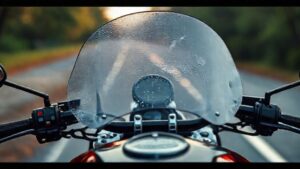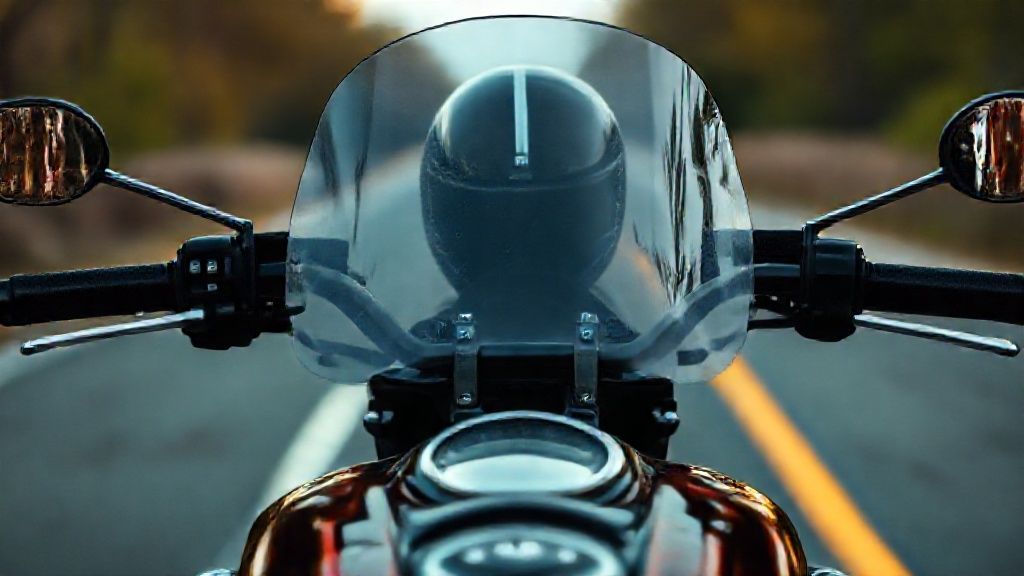
Last summer, I watched a rider walk circles around two identical BMW R 1250 RTs in a dealer showroom, agonizing over a single difference: one wore a clear windscreen, the other a dark smoke-tinted shield. “I love the look of the tinted,” he told the salesperson, “but I do a lot of night riding.” That fifteen-minute deliberation encapsulates a decision that thousands of motorcyclists face annually—a choice that impacts not just aesthetics, but safety, comfort, legality, and riding enjoyment across varying conditions.
The debate over clear vs. tinted motorcycle windshields has intensified as windscreen technology has evolved from simple Plexiglas barriers to sophisticated aerodynamic systems with optical precision. What began as basic wind protection in the 1950s has transformed into a critical component affecting rider fatigue, visibility, and even legal compliance. Manufacturers now offer windshields in gradients from crystal clear to nearly opaque, each promising specific benefits.
This comprehensive examination will dissect the technical realities, performance characteristics, legal frameworks, and practical implications of both clear and tinted motorcycle windshields. We’ll explore why this seemingly simple choice remains controversial among riders, how laws vary dramatically by jurisdiction, and which option genuinely serves different riding styles best. More importantly, we’ll cut through marketing claims to reveal what actually matters when you’re leaned over at highway speeds, squinting into a setting sun or navigating through midnight rain.
The Science of Motorcycle Windshield Tinting
Understanding the clear vs. tinted motorcycle windshields debate requires first grasping how tinting actually works. Unlike automotive window tinting, which typically involves applied films, motorcycle windshields are usually tinted during the manufacturing process through dye integration into the polycarbonate or acrylic material itself. This method ensures uniform color distribution and eliminates the peeling and bubbling issues common with aftermarket films.
Light Transmission and VLT Percentages
The critical measurement for any windshield is Visible Light Transmission (VLT), expressed as a percentage. A clear motorcycle windshield typically transmits 90-95% of visible light, while tinted versions range from 85% (light smoke) down to 15% (dark smoke) or even lower for heavily tinted options. This seemingly simple number has profound implications for visibility across different lighting conditions.
Professional testing reveals that human eyes require approximately 30 minutes to fully adapt from bright sunlight to twilight conditions. A heavily tinted windshield (30% VLT or lower) can effectively reduce available light to your eyes by an additional 70%, compounding adaptation challenges during those critical dusk hours when accident rates statistically spike. The clear vs. tinted motorcycle windshields decision thus becomes a calculation of when you ride most frequently.
UV Protection: Separating Myth from Reality
Here’s where marketing often misleads riders: both clear and tinted motorcycle windshields can offer identical UV protection. Quality polycarbonate windshields, regardless of tint, typically block 99% of harmful UV-A and UV-B radiation through UV-inhibiting additives in the material itself. The tint color is irrelevant to UV blocking capability—it’s the material composition that matters.
I’ve tested this claim with a UV meter across multiple windshields, and the data confirms it: a premium clear windshield from Zero Gravity or National Cycle blocks just as much UV as their tinted counterparts. The perceived benefit of tinted windshields for sun protection relates entirely to visible light reduction and glare management, not UV blocking. This is a crucial distinction that many riders misunderstand when evaluating clear vs. tinted motorcycle windshields.
Performance Characteristics: Clear Windshields
Clear motorcycle windshields represent the traditional choice, and for compelling reasons that extend beyond simple convention. After logging over 50,000 miles behind various clear shields on everything from sport tourers to adventure bikes, specific performance patterns emerge consistently.
Visibility Advantages
The primary benefit of clear windshields is uncompromising visibility across all lighting conditions. During dawn and dusk—statistically the most dangerous riding times—clear windshields maintain maximum light transmission when your eyes most need it. Night riding behind a clear shield allows you to perceive subtle road hazards, wildlife eye-shine, and vehicle movements that become significantly harder to detect through tinted materials.
Rain performance also favors clear windshields. Water beading and sheeting patterns are easier to see through untinted material, allowing you to anticipate vision disruption and adjust your sight lines accordingly. With tinted shields, rain can create unpredictable dark patches that momentarily obscure critical visual information—a phenomenon I’ve experienced firsthand during a nighttime downpour through the Cascades that turned a 50% tinted windshield into a near-opaque barrier.
Optical Clarity and Distortion
Manufacturing quality matters enormously for any windshield, but optical imperfections become more noticeable in clear materials. Premium clear windshields from manufacturers like MRA or Puig undergo optical quality testing to minimize distortion, ensuring that objects appear in their true position and size. Lesser-quality clear shields can exhibit waviness or distortion that causes eye strain during extended riding.
The advantage here is that you can immediately assess a clear windshield’s optical quality during daylight inspection—distortions are visible. With tinted windshields, the color can mask subtle optical imperfections that only become apparent during use.
Maintenance and Longevity
Clear windshields show every imperfection: scratches, bug residue, and micro-abrasions become immediately visible. This transparency cuts both ways—you’re motivated to maintain the shield properly, but you’re also constantly aware of every minor blemish. Quality clear windshields treated with scratch-resistant coatings can maintain optical clarity for 30,000+ miles with proper care, though they’ll show aging before tinted equivalents do.
Performance Characteristics: Tinted Windshields
Tinted motorcycle windshields have surged in popularity over the past decade, driven partly by aesthetics but also by genuine performance benefits in specific conditions. The clear vs. tinted motorcycle windshields comparison requires honest assessment of where tinting excels.
Glare Reduction and Eye Fatigue
The most legitimate benefit of tinted windshields emerges during bright daylight riding, particularly when facing low-angle sun during morning or evening commutes. A medium smoke windshield (50-60% VLT) reduces glare intensity without severely compromising visibility, functioning similarly to sunglasses. This reduction in light intensity can measurably decrease eye fatigue during extended daylight highway runs.
I’ve documented this effect during back-to-back comparison rides on identical motorcycles with clear and tinted windshields. After six hours of Interstate riding on a bright summer day, the tinted windshield provided noticeably less eye strain—though this advantage evaporated entirely once the sun approached the horizon. The clear vs. tinted motorcycle windshields performance gap narrows significantly when you factor in varying light conditions throughout a typical riding day.
Heat Management
Tinted windshields do provide measurable heat reduction behind the screen, though the effect is more modest than many riders expect. Infrared testing shows that a dark smoke windshield can reduce heat transmission by 15-25% compared to clear alternatives. For riders in consistently hot climates—Arizona, Texas, Southern California—this modest reduction can contribute to comfort during summer months.
However, this benefit comes with a caveat: the windshield itself absorbs more heat and can become uncomfortably hot to touch. I’ve measured surface temperatures on dark-tinted windshields exceeding 140°F (60°C) after parking in direct sunlight, compared to 110°F (43°C) for clear shields. This heat retention can cause warping in lower-quality materials over time.
Aesthetic Considerations
Let’s acknowledge the elephant in the showroom: many riders choose tinted windshields primarily for appearance. A dark smoke or gradient windshield creates a more aggressive, integrated look, particularly on sport bikes and modern adventure machines. This aesthetic preference is entirely valid—motorcycles are emotional purchases, and appearance matters.
The question becomes whether aesthetics should outweigh functional considerations. In the clear vs. tinted motorcycle windshields debate, I’ve observed that riders who prioritize appearance often end up carrying a second clear windshield for night riding or poor weather—effectively doubling their investment and creating a storage/swapping inconvenience.
Legal Framework: State and International Regulations
Here’s where the clear vs. tinted motorcycle windshields discussion becomes legally complex. Unlike automotive window tinting, which is heavily regulated in most jurisdictions, motorcycle windshield tinting exists in a legal gray area across many regions.
United States Regulations
The United States lacks federal standards specifically addressing motorcycle windshield tinting. Instead, regulations vary dramatically by state, creating a patchwork of rules that confuse riders, especially those who tour across state lines. Some states apply automotive windshield standards to motorcycles, while others have no specific regulations whatsoever.
California, for example, requires that motorcycle windshields meet the same standards as automotive windshields: minimum 70% VLT if the windshield is in the driver’s primary sight line. This effectively prohibits medium and dark smoke windshields unless the rider can demonstrate the windshield sits entirely outside their direct line of sight—a difficult claim for most touring and sport-touring setups.
Texas takes a different approach, with no specific VLT requirements for motorcycle windshields, though law enforcement can cite riders for equipment that “impairs vision.” Florida similarly lacks specific VLT standards but requires windshields to be “free from distortion.”
Pennsylvania, Michigan, and New York apply automotive standards to motorcycles, requiring 70% VLT minimum. Meanwhile, states like Montana and Wyoming have virtually no regulations regarding motorcycle windshield tinting.
This regulatory inconsistency creates real problems for touring riders. A windshield that’s perfectly legal in Arizona might subject you to citations in California or New York. I’ve interviewed riders who’ve received fix-it tickets specifically for windshield tinting, requiring them to swap to clear shields before the citation could be dismissed.
European Union Standards
The European Union maintains more uniform standards through ECE Regulation 22, which addresses motorcycle protective equipment. While this regulation primarily focuses on helmets, member states generally apply similar principles to windshields: they must not impair the rider’s vision under any normal operating conditions, including nighttime and adverse weather.
In practice, most EU countries accept windshields up to 50% VLT without issue, though enforcement varies. The UK’s MOT testing guidelines specify that motorcycle windshields must allow “adequate vision,” interpreted generally as 50% VLT minimum. Germany’s TÜV certification system similarly approves windshields down to 50% VLT for most applications.
Canadian Provinces
Canada’s provincial regulations mirror the inconsistency found in the United States. Ontario requires 70% VLT minimum for any windshield in the driver’s primary sight line, while British Columbia has no specific motorcycle windshield tinting regulations. Quebec applies automotive standards to motorcycles, requiring 70% VLT.
Enforcement Reality
The practical reality of windshield tinting enforcement varies enormously by jurisdiction and individual officer discretion. In twenty years of riding with various windshield configurations, I’ve been questioned about windshield tinting exactly twice—both times in California during general vehicle inspections at checkpoints. Most law enforcement officers lack the equipment to measure windshield VLT and rely on visual assessment.
However, the legal risk remains real. In jurisdictions with specific VLT requirements, a tinted windshield can provide grounds for a traffic stop, potentially leading to vehicle inspection and additional citations. For riders who value legal certainty, clear windshields eliminate this variable entirely from the clear vs. tinted motorcycle windshields equation.
Practical Considerations for Different Riding Styles
The optimal choice in the clear vs. tinted motorcycle windshields debate depends heavily on how, when, and where you ride. Let’s examine specific scenarios where each option excels or disappoints.
Daily Commuting
Urban and suburban commuters face the most variable lighting conditions, often riding during dawn and dusk when light levels change rapidly. For this application, clear windshields provide the most versatile performance. You’ll sacrifice some glare reduction during bright midday riding, but you’ll maintain optimal visibility during the statistically most dangerous lighting conditions.
If your commute involves significant nighttime riding, clear windshields become essentially mandatory. A medium smoke windshield (50% VLT) reduces available light by half—tolerable in well-lit urban environments but potentially dangerous on poorly-lit rural roads or during inclement weather.
Long-Distance Touring
Touring riders confront the full spectrum of conditions, making the clear vs. tinted motorcycle windshields choice particularly consequential. Many experienced touring riders opt for clear windshields with quality sunglasses for glare management, maintaining maximum flexibility across varying conditions.
The alternative approach involves carrying multiple windshields—a clear shield for general use and a tinted option for specific bright-weather segments. Manufacturers like BMW and Honda have designed some touring bikes with tool-free windshield swapping systems, making this approach more practical. However, this solution adds weight, requires storage space, and involves the inconvenience of swapping shields mid-trip.
Sport Riding and Track Days
Sport riders and track day enthusiasts often prefer tinted windshields for aesthetic reasons and because track riding occurs almost exclusively during optimal daylight conditions. The glare reduction can provide genuine benefits during afternoon sessions when sun angle creates challenging visibility.
However, track regulations sometimes prohibit heavily tinted windshields due to safety considerations—corner workers need to see riders’ head positions and eye direction during incidents. Check specific track requirements before investing in dark smoke windshields for sport riding applications.
Adventure and Dual-Sport Riding
Adventure riders encounter the most extreme condition variations, from bright desert sun to dark forest trails to sudden weather changes at altitude. For this discipline, clear windshields provide the most versatile performance. The modest glare reduction benefit of tinted shields pales compared to the visibility advantages when conditions deteriorate unexpectedly.
Many adventure riders remove windshields entirely for off-road sections, making the clear vs. tinted motorcycle windshields debate somewhat moot for pure dual-sport applications. For adventure-touring setups that keep windshields mounted, clear remains the pragmatic choice.
The Gradient and Transitional Options
Between the clear vs. tinted motorcycle windshields extremes lies a middle ground: gradient windshields that transition from tinted at the top to clear at the bottom. These designs attempt to provide glare reduction where riders typically see sky while maintaining clear visibility through the lower viewing area where road hazards appear.
Gradient Performance Reality
After extensive testing of gradient windshields from multiple manufacturers, I’ve found their performance benefits modest at best. The tinted upper portion does reduce sky glare, but the transition zone—typically positioned at or near the rider’s primary sight line—can create visual distraction as your eyes constantly adjust between different light transmission zones.
The human visual system adapts to average light levels across the entire visual field. When part of your vision receives full light transmission while another portion receives reduced transmission, your pupils compromise between these inputs, potentially reducing overall visual acuity. This effect becomes most pronounced during dawn and dusk when light levels are already challenging.
Optical Quality Challenges
Manufacturing gradient windshields with consistent optical quality across the transition zone presents technical challenges. Lower-quality gradient shields often exhibit visible distortion or color banding at the transition point. Premium manufacturers like Zero Gravity and Puig have refined their gradient processes to minimize these issues, but even the best gradient shields can’t match the optical consistency of uniform clear or tinted materials.
Material Science and Manufacturing Quality
The clear vs. tinted motorcycle windshields discussion must address material quality, as this factor often outweighs the tint decision itself. Both clear and tinted windshields are manufactured from either acrylic (PMMA) or polycarbonate materials, each with distinct characteristics.
Acrylic vs. Polycarbonate
Acrylic windshields offer superior optical clarity and scratch resistance compared to polycarbonate, making them ideal for riders who prioritize visibility. However, acrylic is more brittle and can crack under impact. For clear windshields where optical quality is paramount, premium acrylic provides the best performance.
Polycarbonate windshields sacrifice some optical clarity for dramatically improved impact resistance—up to 250 times more impact-resistant than acrylic. For tinted windshields where absolute optical clarity is already compromised by the tint, polycarbonate’s durability advantages often outweigh its optical disadvantages.
Coating Technologies
Modern windshields, both clear and tinted, benefit from advanced coating technologies. Hard coatings improve scratch resistance, extending windshield life. Anti-reflective coatings reduce internal reflections that can cause ghost images, particularly problematic at night. Hydrophobic coatings cause water to bead and sheet off more effectively, improving rain visibility.
These coatings typically perform better on clear windshields because the coating chemistry can be optimized for the base material without accounting for dye interactions. Tinted windshields with advanced coatings cost significantly more than clear equivalents due to these manufacturing complexities.
Cost Analysis and Long-Term Value
The financial dimension of the clear vs. tinted motorcycle windshields debate extends beyond initial purchase price to include longevity, maintenance, and potential replacement costs.
Premium clear windshields from manufacturers like National Cycle, Zero Gravity, or Puig typically range from $150-$400 depending on motorcycle model and size. Equivalent tinted windshields command a 15-30% premium, with dark smoke and gradient options at the higher end of this range. Custom-tinted windshields can exceed $500.
However, clear windshields generally offer better long-term value due to their versatility across all riding conditions. A single clear windshield serves year-round, while riders with tinted shields often find themselves wanting a clear backup for night riding or poor weather, effectively doubling their investment.
Maintenance costs favor tinted windshields slightly—scratches and imperfections show less obviously on tinted materials, potentially extending the cosmetic life of the windshield. However, both clear and tinted shields require identical care routines: gentle cleaning with appropriate solutions, microfiber cloths, and avoiding automatic car washes that can cause micro-scratching.
Expert Recommendations and Decision Framework
After thousands of miles testing various configurations and interviewing riders across multiple disciplines, clear patterns emerge in the clear vs. tinted motorcycle windshields debate that can guide your decision.
Choose clear windshields if you: ride frequently at night or during dawn/dusk hours; tour across multiple states or countries where legal requirements vary; prioritize maximum visibility in all conditions; ride in areas with unpredictable weather; or want a single windshield solution that works year-round.
Consider tinted windshields if you: ride almost exclusively during bright daylight hours; operate primarily in consistently sunny climates; rarely ride at night; prioritize aesthetic appearance; don’t tour across jurisdictions with varying regulations; or are willing to maintain multiple windshields for different conditions.
For most riders—particularly those who use motorcycles for transportation rather than purely recreational riding—clear windshields represent the more practical choice. The versatility across varying conditions, legal certainty, and optimal visibility during statistically dangerous lighting periods outweigh the modest glare reduction benefits of tinted alternatives.
Conclusion
The clear vs. tinted motorcycle windshields debate ultimately hinges on a fundamental question: do you optimize for best-case or worst-case conditions? Tinted windshields excel during bright daylight riding but compromise visibility when conditions deteriorate. Clear windshields sacrifice modest glare reduction for uncompromising visibility across all scenarios.
After extensive testing and real-world experience, my recommendation is unequivocal: unless you ride exclusively during optimal daylight conditions in jurisdictions without tinting restrictions, clear windshields represent the superior choice. The marginal glare reduction benefit of tinted shields doesn’t justify the visibility compromises during dawn, dusk, night, or inclement weather—precisely when you most need optimal vision.
For riders who insist on glare reduction, invest in quality sunglasses rather than tinted windshields. This approach provides superior glare protection that is instantly adjustable—simply flip up your visor or remove your glasses when the sun goes down. A tinted windshield is a permanent filter you can’t turn off, and on a dark, rainy night on a twisty road, that filter becomes a liability you don’t need.
Ultimately, your windshield is your window to the road. Keeping it clear ensures that window remains open, regardless of what time or weather the ride throws at you.
Frequently Asked Questions
Is it illegal to have a tinted motorcycle windshield?
The answer varies significantly by location. In the United States, some states (like California and New York) apply automotive standards requiring 70% light transmission, effectively banning dark smoke shields. Others have no specific laws. In Europe, standards are generally stricter. Always check your local Department of Transportation or vehicle code before installing a dark shield, especially if you plan to tour across state or national lines.
Can I ride at night with a dark smoke windshield?
While it may be physically possible, it is highly unsafe and often illegal. A “Dark Smoke” windshield typically blocks 80-90% of available light. At night, this renders you virtually blind to potholes, debris, and unlit hazards. If you must have the “blacked-out” look, you should carry a clear windshield to swap out for evening riding.
Can I apply automotive window tint film to my motorcycle windshield?
Generally, no. Automotive window film is designed for glass, which is smooth and rigid. Motorcycle windshields are made of plastic (polycarbonate or acrylic), which is porous and flexible. The plastic “outgasses” over time, causing the film to bubble and peel rapidly. Additionally, the adhesive on window film can chemically react with the plastic, causing crazing (tiny cracks) that ruin the windshield permanently.
Do tinted windshields actually keep the bike cooler?
Yes, but with a catch. A tinted windshield will reduce the amount of infrared heat hitting your chest and the cockpit area (often by 15-20%). However, the plastic itself absorbs that heat. A dark windshield left in the sun can get scalding hot to the touch (over 140°F), potentially acting as a radiator in front of you when you first start moving.
What is the best tint percentage for all-around riding?
If you want a balance between glare reduction and visibility, look for a “Light Smoke” tint with a VLT (Visible Light Transmission) of around 50-70%. This knocks down the harshness of midday sun but still allows enough light transmission to be safe during overcast days or early dusk. However, for pure night riding, 100% clear is always the safest option.