When the temperature drops and autumn winds start to bite, finding the perfect motorcycle jacket becomes crucial for both comfort and safety. Cool weather riding presents unique challenges—you need enough insulation to stay warm without overheating, protection from wind and light rain, and the flexibility to layer underneath. The right jacket can transform your riding experience from miserable to magnificent, allowing you to extend your riding season well into fall and early spring.
This comprehensive guide examines the best motorcycle jackets specifically designed for cool weather conditions, typically ranging from 40°F to 65°F. We’ve evaluated each jacket based on critical factors including thermal insulation, wind resistance, waterproofing capabilities, armor protection, build quality, versatility, and overall value.
Whether you’re a daily commuter, weekend warrior, or long-distance tourer, our selections cater to different riding styles and budgets. Each recommendation has been chosen for its ability to keep you comfortable and protected during those crisp riding days when summer gear is too light but winter gear would be overkill.
1. Alpinestars T-GP Plus R v3 Air Jacket
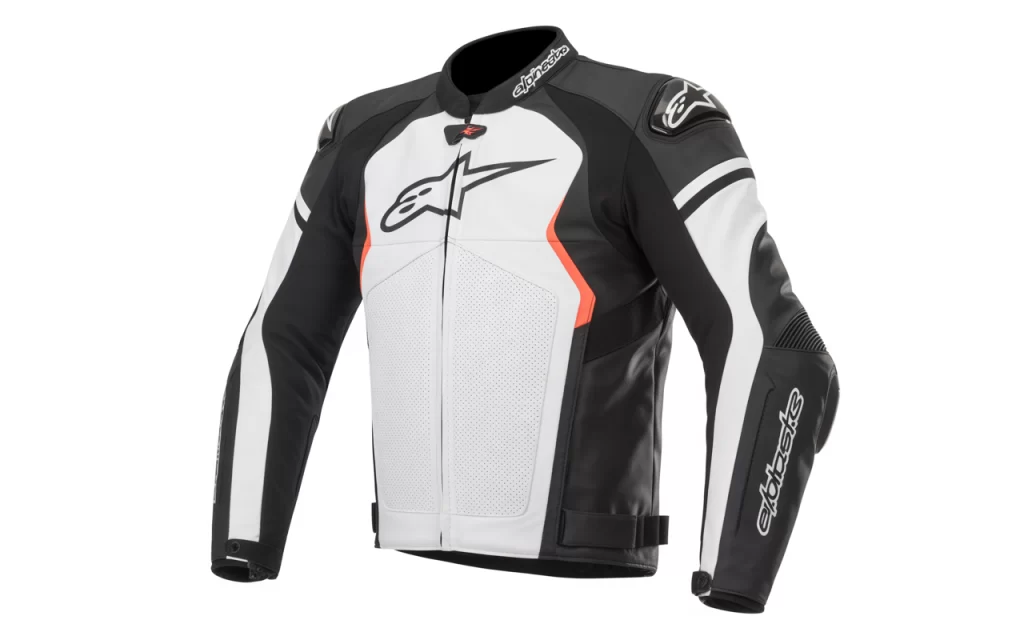
The Alpinestars T-GP Plus R v3 Air Jacket represents the perfect balance between ventilation and warmth, making it an exceptional choice for cool weather riding. This jacket’s innovative design allows riders to adapt to changing temperatures throughout the day.
Overview
Constructed with a durable poly-fabric shell combined with mesh panels, this jacket offers excellent breathability while maintaining wind resistance. The T-GP Plus R v3 comes equipped with CE-certified armor at the shoulders and elbows, with a pocket for an optional back protector. The jacket features a removable long-sleeve thermal liner that provides versatility across different temperature ranges. Its athletic fit reduces wind drag while maintaining comfort, and the multiple adjustment points at the waist, arms, and collar ensure a customized fit. The jacket includes reflective detailing for enhanced visibility during low-light conditions, which is particularly important during fall and spring when daylight hours are limited. The combination of mesh ventilation zones and the thermal liner makes this jacket adaptable to temperatures ranging from cool mornings to warmer afternoons.
Pros and Cons
Pros:
- Versatile thermal liner system allows easy adaptation to temperature changes throughout the day
- Excellent ventilation prevents overheating during more active riding or when temperatures rise
- CE-certified armor provides superior impact protection without compromising comfort
- Athletic fit reduces wind resistance and flapping at highway speeds
Cons:
- Premium pricing may be prohibitive for budget-conscious riders
- Limited waterproofing means you’ll need a separate rain layer for wet conditions
- Snug fit may not accommodate bulky layers underneath for extremely cold days
2. Rev’it Tornado 3 Jacket
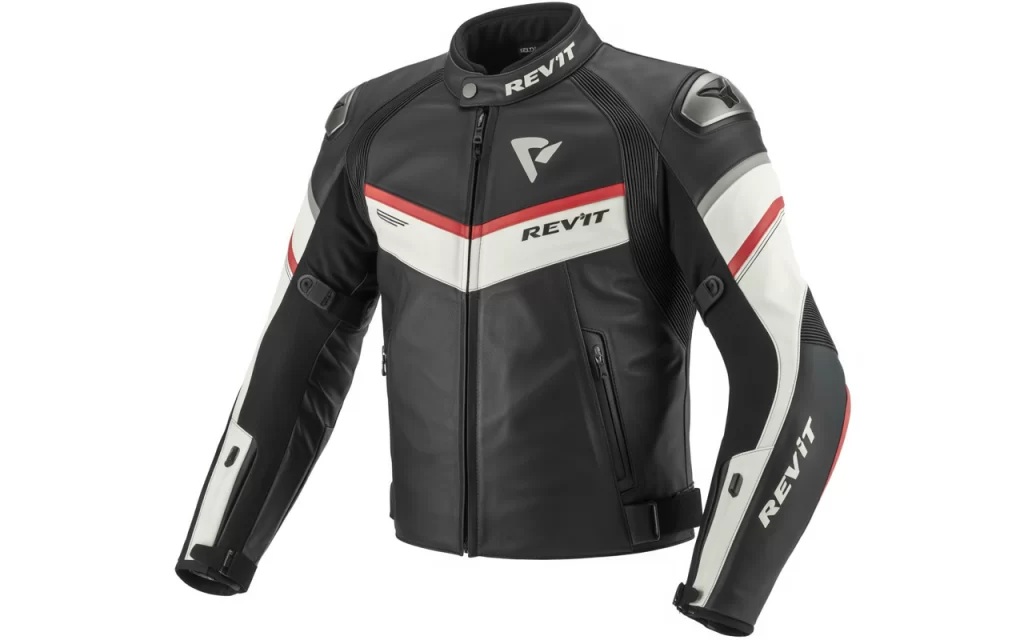
The Rev’it Tornado 3 has earned its reputation as one of the most versatile all-season jackets available. Its three-layer system makes it particularly effective for cool weather riding when conditions can change rapidly.
Overview
This jacket features a sophisticated three-layer construction: an outer shell with PWR|shell 500D and 600D fabric, a waterproof and breathable hydratex membrane, and a removable thermal liner. The Tornado 3 comes standard with SEESMART CE-level 1 protection at shoulders and elbows, with the option to add back protection. Multiple ventilation zippers allow for airflow control, essential when transitioning between shaded canyon roads and sunny highways. The jacket includes numerous pockets for storage, including waterproof compartments for electronics and valuables. Connection zippers allow attachment to Rev’it pants for a complete riding system. The adjustable fit at the waist, arms, and neck ensures the jacket stays secure without restricting movement. Reflective panels enhance visibility, and the collar design prevents wind from entering at highway speeds.
Pros and Cons
Pros:
- Three-layer system provides exceptional versatility for varying weather conditions
- Excellent waterproofing keeps you dry during unexpected rain showers
- Superior build quality ensures longevity and reliable performance over years of use
- Comprehensive ventilation system prevents overheating without compromising wind protection
Cons:
- Higher price point reflects premium quality but may exceed some budgets
- Multiple layers can feel bulky when all components are worn together
- Complex zipper system requires familiarization for quick adjustments
3. Joe Rocket Atomic 5.0 Jacket
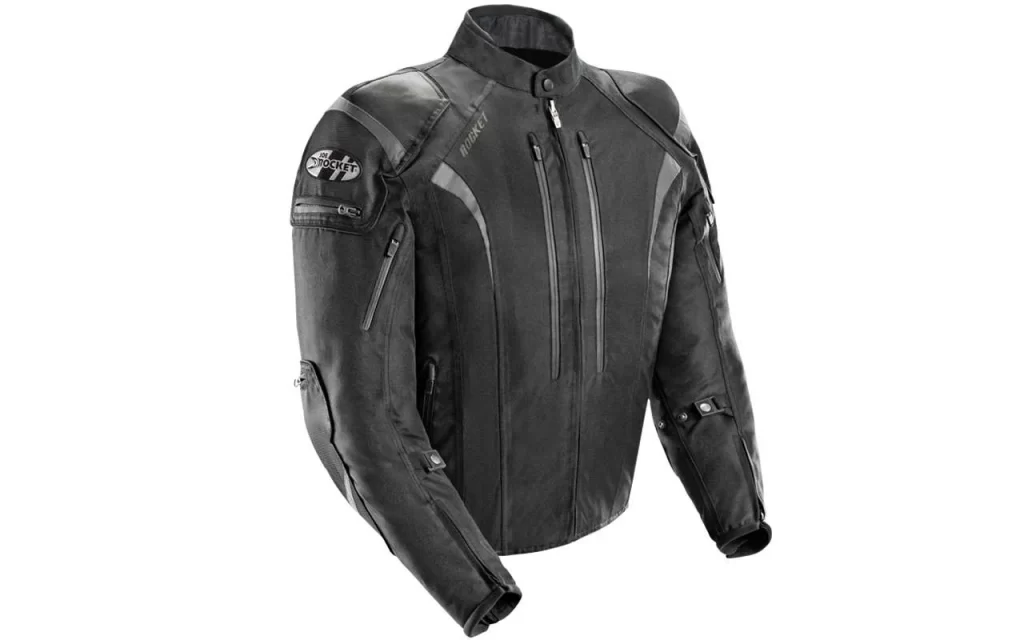
For riders seeking excellent value without sacrificing essential features, the Joe Rocket Atomic 5.0 delivers impressive performance at a mid-range price point. This jacket has become a favorite among commuters and casual riders.
Overview
The Atomic 5.0 features a 600-denier outer shell that provides excellent abrasion resistance and durability. It includes CE-approved armor at the shoulders and elbows, with a spine pad pocket for additional protection. The jacket comes with a removable waterproof liner and a separate quilted thermal liner, giving riders control over insulation levels. Large ventilation panels with zipper closures allow airflow adjustment, while the main zipper includes a storm flap to prevent water intrusion. Multiple pockets provide ample storage, including an internal pocket suitable for a phone or wallet. The jacket features a comfort collar that prevents neck chafing during long rides. Reflective piping enhances visibility, and adjustment straps at the waist and biceps ensure a secure fit. The straightforward design makes it easy to add or remove layers quickly during stops.
Pros and Cons
Pros:
- Excellent value proposition with features typically found on more expensive jackets
- Dual-liner system provides flexibility for different temperature ranges
- Durable construction withstands regular use and minor impacts
- Straightforward design makes operation and maintenance simple
Cons:
- Fit runs slightly larger than European brands, requiring careful size selection
- Ventilation system, while functional, is less sophisticated than premium alternatives
- Aesthetic design is more utilitarian than fashion-forward
4. Klim Induction Jacket
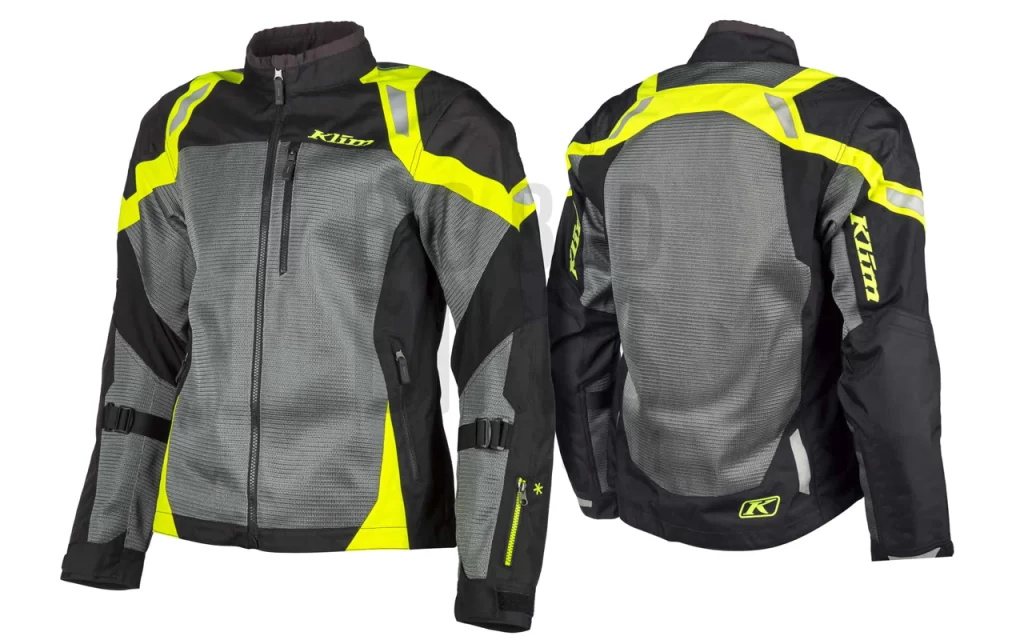
The Klim Induction Jacket represents cutting-edge technology in motorcycle apparel, designed specifically for riders who demand maximum versatility and performance across diverse conditions.
Overview
Klim’s Induction features their proprietary Karbonite mesh chassis combined with 840-denier Cordura panels in high-abrasion areas. The jacket includes D3O Viper Pro armor at the elbows and shoulders, representing some of the best impact protection available. What sets this jacket apart is its comprehensive ventilation system—the mesh construction provides airflow while the included waterproof liner blocks wind and rain. The removable thermal liner adds warmth for cool weather riding. The jacket’s modular design allows riders to configure it for specific conditions by adding or removing layers. Multiple adjustment points ensure a precise fit, and the jacket includes both external and internal pockets for storage. The Induction connects to Klim pants via a zipper system, creating a complete riding suit. Reflective materials are strategically placed for 360-degree visibility. The athletic cut reduces wind resistance while maintaining comfort during long rides.
Pros and Cons
Pros:
- Exceptional versatility allows use across three seasons with proper layer configuration
- Premium D3O armor provides superior impact protection with minimal bulk
- Outstanding build quality ensures the jacket withstands years of demanding use
- Comprehensive ventilation system prevents overheating even during active riding
Cons:
- Premium pricing places it among the most expensive options available
- Complex layer system requires time to master for optimal configuration
- Aggressive styling may not appeal to riders preferring classic aesthetics
5. Dainese Super Speed Tex Jacket
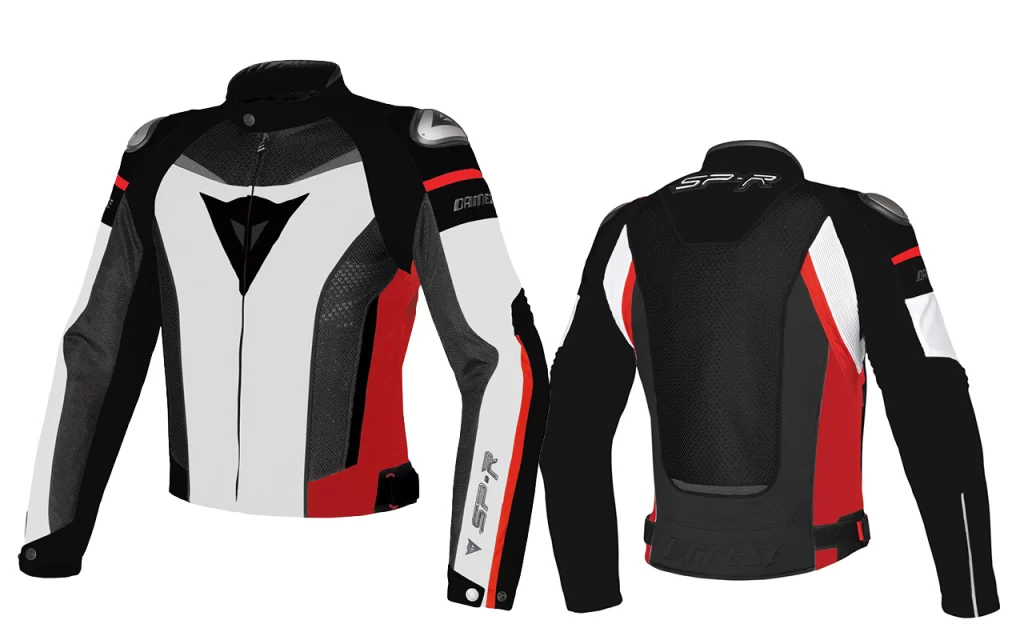
Italian manufacturer Dainese brings their racing heritage to the street with the Super Speed Tex, a jacket that combines sporty styling with practical features for cool weather riding.
Overview
The Super Speed Tex features a poly-fabric construction with strategically placed stretch panels for enhanced mobility. It includes a waterproof and breathable membrane that protects against wind and light rain while allowing perspiration to escape. Dainese’s composite protectors at the shoulders and elbows provide excellent impact protection with low-profile comfort. The jacket includes a removable thermal liner for temperature regulation. Large ventilation zippers on the chest and arms allow airflow control when conditions warm up. The ergonomic design follows the riding position, reducing fatigue during long journeys. Multiple adjustment straps at the waist, arms, and collar ensure a secure fit that doesn’t restrict movement. Reflective inserts enhance visibility from multiple angles. The jacket includes practical features like multiple pockets and a glasses pocket in the liner. The Italian styling makes this jacket suitable for both riding and casual wear.
Pros and Cons
Pros:
- Excellent fit and finish reflect Italian design excellence and attention to detail
- Ergonomic cut specifically designed for riding position reduces fatigue
- Effective waterproofing handles light to moderate rain without additional layers
- Stylish design transitions well from motorcycle to casual settings
Cons:
- European sizing may require adjustment for riders accustomed to American fits
- Limited ventilation compared to mesh-based alternatives for warmer days
- Higher price point reflects premium brand positioning
6. Tourmaster Transition Series 5 Jacket
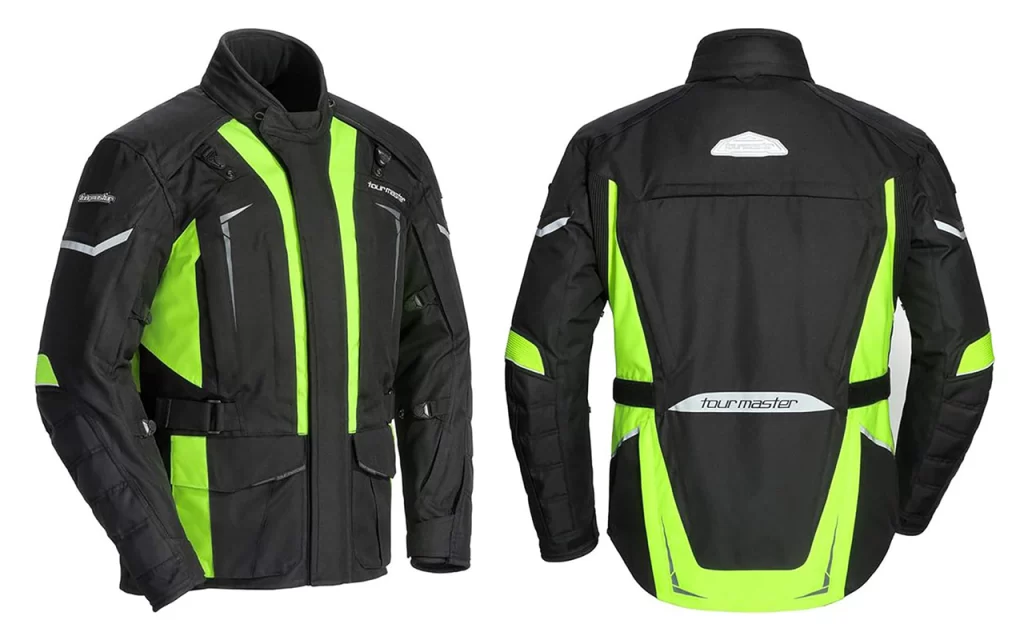
The Tourmaster Transition Series 5 is purpose-built for riders who need a reliable jacket that performs across varying conditions without breaking the bank. This jacket has become a staple among touring riders.
Overview
Constructed with a durable Ballistic polyester outer shell, the Transition Series 5 provides excellent abrasion resistance. The jacket features a waterproof and breathable liner that can be removed when conditions don’t require it. A separate insulated liner adds warmth for cool weather riding, and both liners can be worn together or independently based on conditions. CE-approved armor protects shoulders and elbows, with a pocket for optional back protection. Large ventilation panels with waterproof zippers allow airflow control without compromising weather protection. The jacket includes numerous pockets, including waterproof compartments for electronics. Reflective piping enhances visibility in low-light conditions. Adjustment straps at multiple points ensure a customized fit, and the jacket connects to Tourmaster pants for complete coverage. The straightforward design emphasizes functionality over fashion, making it ideal for serious touring riders who prioritize performance and reliability.
Pros and Cons
Pros:
- Outstanding value with comprehensive features at a reasonable price point
- Reliable waterproofing keeps you dry during extended rain exposure
- Versatile liner system adapts to wide temperature ranges
- Durable construction withstands the rigors of long-distance touring
Cons:
- Utilitarian styling lacks the aesthetic appeal of sportier alternatives
- Bulkier fit compared to more athletic designs may increase wind resistance
- Ventilation system, while functional, is less refined than premium options
7. Icon Merc Deployed Jacket
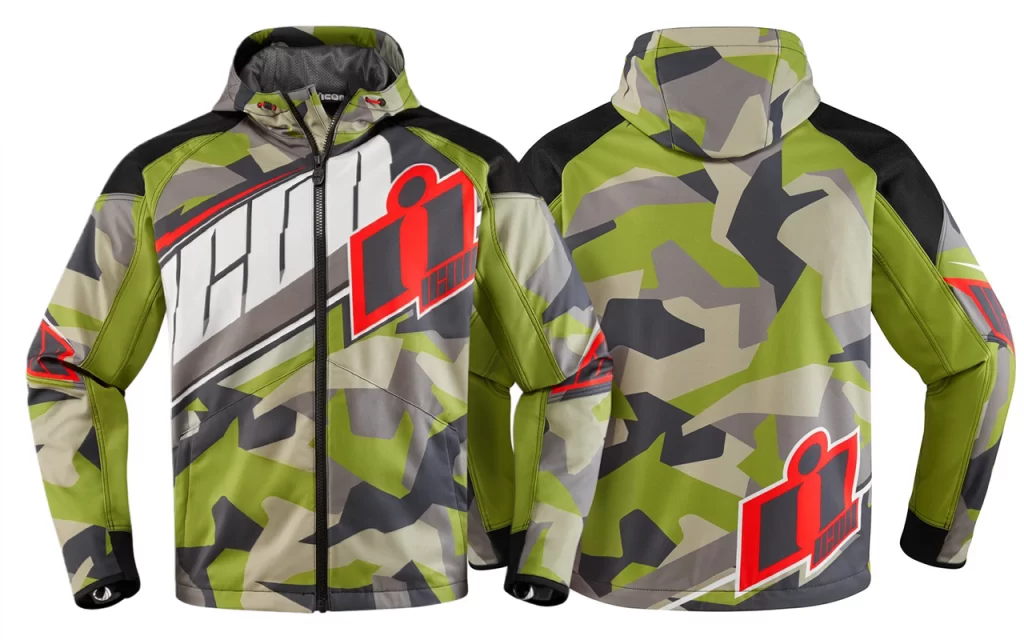
Icon’s Merc Deployed brings a unique aesthetic to motorcycle jackets while maintaining the protective features necessary for safe riding. This jacket appeals to riders who want to stand out from the crowd.
Overview
The Merc Deployed features a distinctive textile construction with military-inspired styling. The jacket includes D3O impact protectors at the shoulders and elbows, providing excellent protection with minimal bulk. A removable waterproof liner protects against wind and rain, while a separate quilted thermal liner adds insulation for cool weather. Multiple ventilation zippers allow airflow adjustment, though the jacket’s construction naturally provides less ventilation than mesh alternatives. The fit is relaxed, allowing room for layering underneath when temperatures drop further. Multiple pockets provide storage for essentials, and reflective details enhance visibility. The jacket includes adjustment straps at the waist and arms for fit customization. The unique styling makes this jacket suitable for riders who want their gear to make a statement. The construction quality reflects Icon’s commitment to combining style with substance, ensuring the jacket performs as well as it looks.
Pros and Cons
Pros:
- Distinctive styling sets you apart from generic motorcycle jackets
- D3O armor provides superior impact protection with excellent comfort
- Relaxed fit accommodates additional layers for colder conditions
- Versatile appearance works both on and off the motorcycle
Cons:
- Limited ventilation makes it less suitable for warmer cool-weather days
- Unique styling may not appeal to riders preferring traditional aesthetics
- Relaxed fit may create wind resistance at higher speeds
8. Firstgear Kilimanjaro Jacket
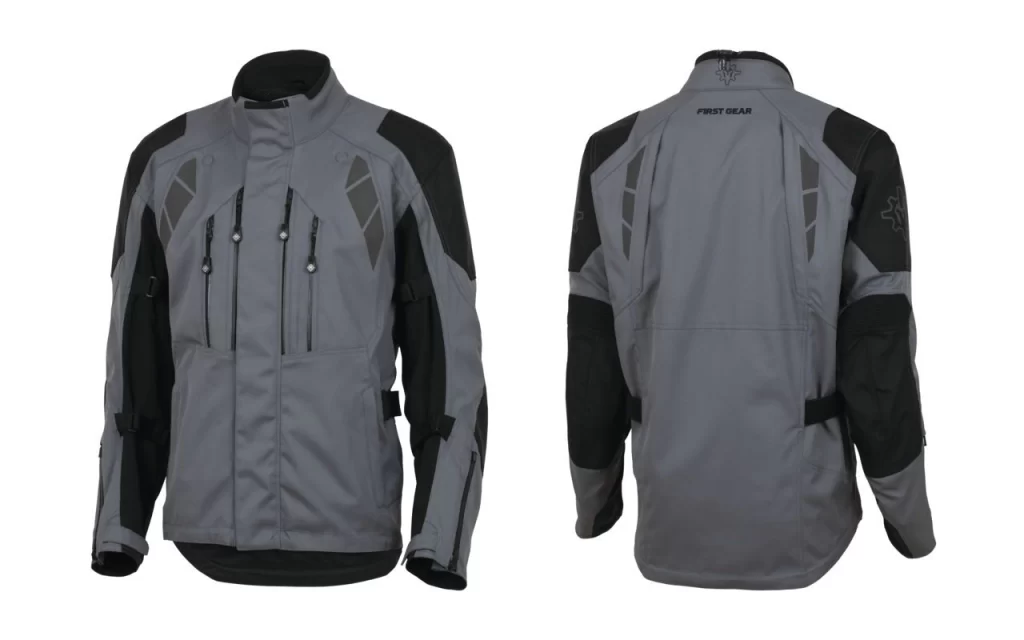
The Firstgear Kilimanjaro is designed for adventure riders and touring enthusiasts who need a jacket capable of handling diverse conditions and environments. Its rugged construction and comprehensive features make it ideal for cool weather adventures.
Overview
The Kilimanjaro features a heavy-duty Cordura outer shell that provides exceptional abrasion resistance and durability. The jacket includes a waterproof and breathable HiPora liner that effectively blocks wind and rain while allowing moisture to escape. A removable thermal liner provides insulation for cool weather, and both liners can be used independently or together. CE-approved armor protects shoulders and elbows, with a pocket for back protection. Large ventilation panels with waterproof zippers allow airflow control without compromising weather protection. The jacket includes numerous pockets, including large cargo pockets suitable for maps or snacks during long rides. High-visibility reflective materials enhance safety during dawn, dusk, and night riding. Multiple adjustment points at the waist, arms, and collar ensure a secure fit that doesn’t restrict movement. The jacket connects to compatible pants for complete coverage. The upright collar design protects the neck from wind without causing discomfort.
Pros and Cons
Pros:
- Rugged construction withstands demanding adventure riding conditions
- Excellent waterproofing keeps you dry during extended exposure to rain
- Comprehensive pocket system provides ample storage for touring essentials
- Versatile liner configuration adapts to wide temperature variations
Cons:
- Heavier weight compared to sportier alternatives may cause fatigue during long rides
- Adventure-focused styling may not appeal to street-oriented riders
- Bulkier fit increases wind resistance at highway speeds
9. Scorpion EXO Yosemite Hi-Viz Jacket
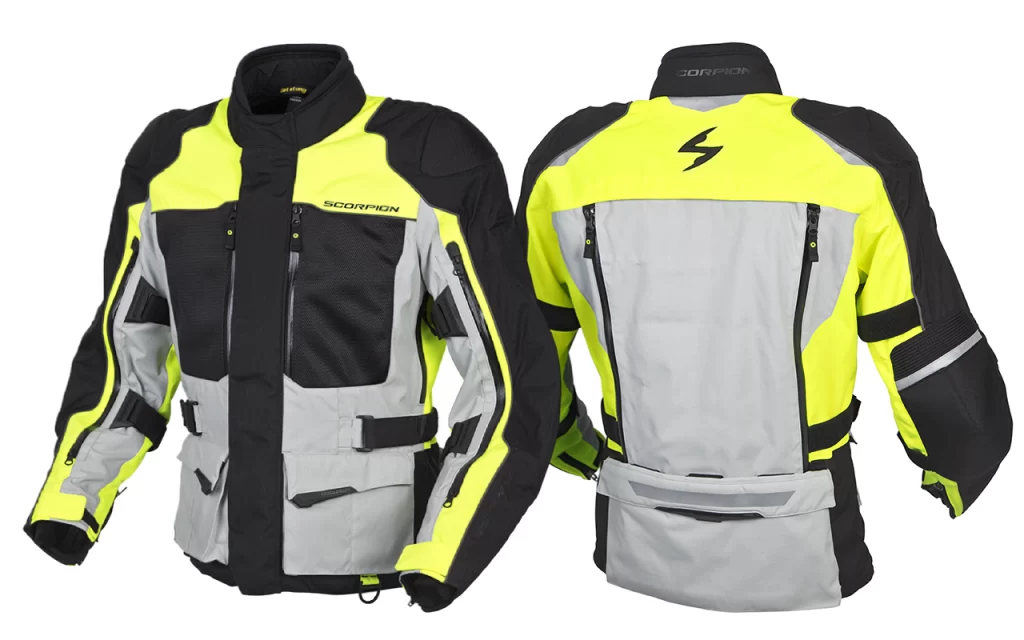
The Scorpion EXO Yosemite Hi-Viz represents an excellent entry point for riders new to motorcycling or those seeking affordable protection without compromising essential safety features. This jacket delivers impressive value for budget-conscious riders.
Overview
The Yosemite Hi-Viz features a durable poly-textile construction that balances abrasion resistance with comfort. CE-certified armor at the shoulders and elbows provides reliable impact protection, with a pocket for optional back armor. The jacket includes a removable waterproof liner that blocks wind and light rain, though it’s not designed for extended heavy rain exposure. A quilted thermal liner adds insulation for cool weather riding, and both liners can be removed as conditions change. Ventilation zippers on the chest and arms allow airflow adjustment, helping prevent overheating when temperatures rise. The jacket includes multiple pockets for storage, though fewer than more expensive alternatives. Reflective piping enhances visibility in low-light conditions. Adjustment straps at the waist and arms allow fit customization. The straightforward design makes the jacket easy to use, with clearly marked zippers and intuitive liner attachment systems. While it lacks some premium features, the Yosemite Hi-Viz provides solid protection and comfort for recreational riders and commuters.
Pros and Cons
Pros:
- Budget-friendly pricing makes quality protection accessible to more riders
- Simple design is easy to use and maintain for novice riders
- Adequate protection and weather resistance for typical riding conditions
- Lightweight construction reduces fatigue during shorter rides
Cons:
- Basic feature set lacks advanced ventilation and adjustment options
- Waterproofing is adequate for light rain but not extended exposure
- Construction quality, while acceptable, doesn’t match premium alternatives
Conclusion
Selecting the best motorcycle jacket for cool weather riding ultimately depends on your specific needs, riding style, and budget. The jackets featured in this guide represent the top options across different price points and feature sets, each excelling in particular areas. Premium options like the Klim Induction and Rev’it Tornado 3 offer exceptional versatility and durability for riders who demand the best, while value-oriented choices like the Joe Rocket Atomic 5.0 and Scorpion EXO Yosemite Hi-Viz provide solid protection without stretching your budget.
When making your decision, consider how you’ll primarily use the jacket. Daily commuters might prioritize convenience and quick adjustability, while touring riders need comprehensive weather protection and storage. Sport riders may prefer athletic fits that reduce wind resistance, whereas adventure riders require rugged construction and versatility. Remember that the best jacket is one you’ll actually wear consistently—it should fit well, feel comfortable, and suit your riding style. Investing in quality cool weather gear extends your riding season, enhances comfort, and most importantly, keeps you safe on the road. Whichever jacket you choose from this list, you’ll be well-equipped to handle the challenges and enjoy the pleasures of cool weather riding.
Frequently Asked Questions
What temperature range is considered “cool weather” for motorcycle riding?
Cool weather for motorcycle riding typically ranges from 40°F to 65°F (4°C to 18°C). This temperature range requires more insulation than summer gear but less than full winter equipment. At these temperatures, you’ll need wind protection and some insulation, but you’ll also want ventilation options to prevent overheating during active riding or when temperatures fluctuate throughout the day. Most cool weather jackets include removable liners that allow you to adapt to changing conditions within this range.
Should I size up to accommodate layers underneath my motorcycle jacket?
It depends on the jacket’s design and your layering strategy. Many modern motorcycle jackets are designed to fit snugly with their included liners, so sizing up may result in excessive wind flapping and reduced protection effectiveness. Instead, look for jackets with adjustable fit systems that allow you to tighten or loosen the jacket as needed. If you plan to wear bulky layers underneath, try the jacket on with those layers before purchasing. Generally, you should be able to move your arms freely and zip the jacket comfortably with your typical layers without sizing up.
How important is waterproofing in a cool weather motorcycle jacket?
Waterproofing is very important for cool weather jackets because rain is common during spring and fall riding seasons, and getting wet in cool temperatures can quickly lead to dangerous hypothermia. Look for jackets with waterproof membranes or liners rather than just water-resistant coatings, as these provide more reliable protection. Many riders prefer jackets with removable waterproof liners, allowing them to use the jacket in dry conditions without the extra bulk. If your jacket lacks adequate waterproofing, consider investing in a separate rain layer that can be added when needed.
Can I use a cool weather jacket year-round?
Many cool weather jackets with removable liners can function across three seasons—spring, fall, and mild winter days. By removing the thermal liner and maximizing ventilation, some models work adequately in warmer weather, though dedicated summer mesh jackets provide better airflow. For true winter riding in freezing temperatures, you’ll likely need additional insulation beyond what most cool weather jackets provide. The most versatile option is a jacket with both removable thermal and waterproof liners, allowing you to configure it for different conditions throughout the year.
How do I maintain my motorcycle jacket to ensure it lasts?
Proper maintenance extends your jacket’s life significantly. Always follow the manufacturer’s care instructions, but general guidelines include: regularly cleaning the outer shell with mild soap and water to remove dirt and road grime; treating waterproof membranes with appropriate reproofing products annually; removing and washing liners separately according to their care labels; inspecting and replacing armor if it shows signs of damage; storing the jacket in a cool, dry place away from direct sunlight; and avoiding machine washing unless explicitly recommended by the manufacturer. Check zippers, snaps, and velcro regularly, cleaning or replacing them as needed to maintain functionality.