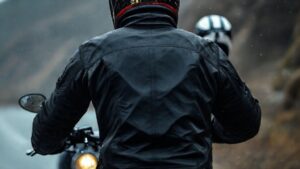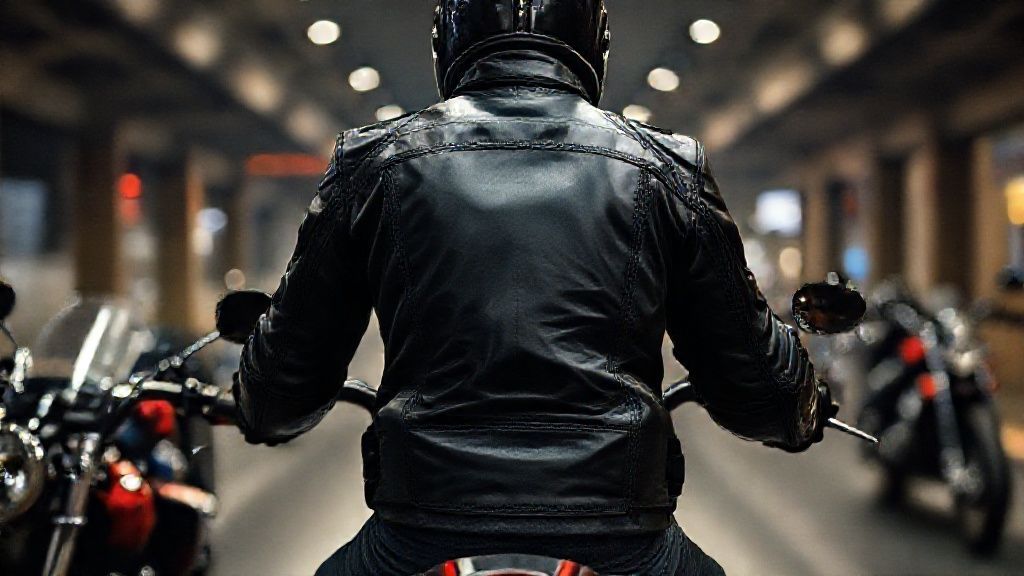
Finding the perfect motorcycle jacket when you’re taller than average can feel like searching for a needle in a haystack. Most standard jackets leave tall riders with exposed wrists, a riding-up back, and sleeves that barely reach past the forearms.
This comprehensive guide addresses these frustrations by highlighting the best motorcycle jackets specifically designed or well-suited for tall riders. We’ve carefully selected jackets that offer extended torso lengths, longer sleeves, and adjustable features that accommodate taller frames without compromising on safety, style, or comfort.
Our selection criteria focused on several key factors: sleeve length (minimum 26 inches for size large), torso length that prevents ride-up, CE-rated armor placement that aligns properly with taller body proportions, quality construction from reputable manufacturers, and real-world feedback from riders over 6’2″.
We’ve included options across various price points, riding styles, and seasonal needs to ensure every tall rider finds their perfect match. Whether you’re commuting through city streets or touring cross-country, these jackets will keep you protected and comfortable mile after mile.
1. Rev’It Sand 4 H2O Jacket
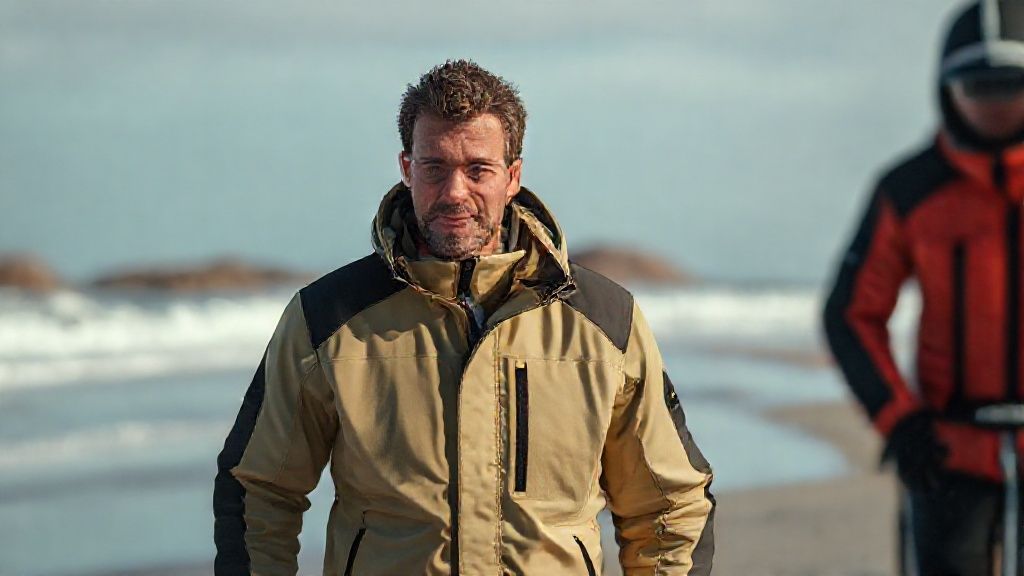
The Rev’It Sand 4 H2O stands as one of the most popular adventure touring jackets among tall riders, and for good reason. This jacket has earned its reputation through years of proven performance in diverse conditions and body types.
Overview
Rev’It designed the Sand 4 H2O with adventure riders in mind, and their sizing accommodations make it exceptional for taller individuals. The jacket features a laminated construction with a waterproof Hydratex membrane, ensuring you stay dry in unexpected downpours. The tall-specific sizing offers sleeves that extend well past the wrist even when reaching for the handlebars, and the adjustable waist and arms allow for a customized fit. Multiple ventilation panels provide excellent airflow during warm weather riding, while the removable thermal liner keeps you warm when temperatures drop. The jacket includes CE Level 1 armor at the shoulders and elbows, with a pocket for an optional back protector. The high collar with wind flap prevents drafts, and the numerous pockets provide ample storage for essentials.
Pros and Cons
Pros:
- Exceptional sleeve and torso length in tall sizes, with sleeves measuring up to 28 inches in XL-Tall
- True three-season versatility with removable liners and extensive ventilation options
- Premium waterproofing that actually works in sustained rain without a separate rain layer
- Highly adjustable fit with multiple connection points to Rev’It pants
Cons:
- Premium pricing at $600-700 may be prohibitive for budget-conscious riders
- Bulky appearance when wearing all layers simultaneously
- Break-in period required as the jacket initially feels stiff
2. Klim Badlands Pro Jacket
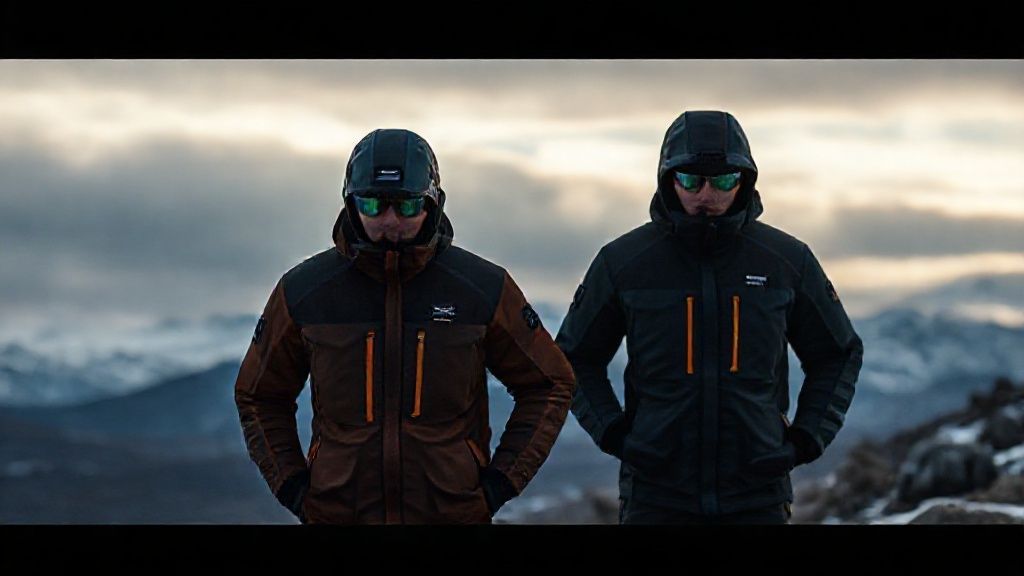
Klim has built a devoted following among adventure riders who demand the absolute best, and tall riders consistently praise the Badlands Pro for its exceptional fit. This jacket represents the pinnacle of adventure touring gear.
Overview
The Klim Badlands Pro is engineered for serious adventure riders who tackle everything from highway slabs to technical off-road trails. What sets this jacket apart for tall riders is Klim’s attention to proportional sizing—when you order a tall size, every measurement is scaled appropriately, not just the sleeves. The jacket uses Gore-Tex Pro Shell fabric, providing the highest level of waterproof-breathable protection available. The fit is deliberately designed for an athletic riding position, with pre-curved sleeves and an articulated back that prevents bunching. D3O armor at the shoulders, elbows, and back offers superior impact protection while remaining flexible during normal riding. The ventilation system is extensive, with chest, back, and arm vents that can dump serious heat. The jacket connects to Klim pants via a 360-degree zipper, creating a complete riding suit.
Pros and Cons
Pros:
- Best-in-class Gore-Tex Pro construction provides unmatched weather protection and durability
- Proportional tall sizing ensures proper armor placement and overall fit
- Exceptional build quality with reinforcements in high-wear areas
- Outstanding ventilation system for hot weather riding
Cons:
- Very expensive at $900+, representing a significant investment
- Styling is distinctly adventure-focused and may not suit street riders
- Complex feature set requires time to learn and optimize
3. Aerostich Roadcrafter Classic Suit
While technically a one-piece suit, the Aerostich Roadcrafter deserves inclusion for its legendary status among tall riders. This American-made suit has been refined over decades to accommodate virtually any body type.
Overview
The Roadcrafter represents a different approach to motorcycle gear—a one-piece suit you can wear over regular clothes and put on or remove in under a minute. For tall riders, Aerostich offers custom sizing at no additional charge, with inseam lengths up to 38 inches and sleeve lengths that accommodate the longest arms. The 500 Denier Cordura construction is virtually indestructible, with many riders reporting 10+ years of daily use. The suit includes TF armor at shoulders, elbows, hips, and knees, all adjustable for proper positioning. The high collar and storm flap seal out wind and rain, while the numerous pockets (eight total) provide storage equivalent to a small backpack. The suit is available in one-piece or two-piece configuration, with the latter offering more flexibility for different riding situations.
Pros and Cons
Pros:
- Custom sizing ensures perfect fit for even the tallest riders without extra cost
- Legendary durability with many suits lasting decades of regular use
- Quick-donning design makes it practical for daily commuting
- Made in USA with excellent customer service and repair options
Cons:
- Distinctive styling isn’t for everyone and looks utilitarian rather than sporty
- One-piece design requires planning for bathroom breaks on long rides
- Limited ventilation compared to modern mesh jackets makes it hot in summer
4. Alpinestars T-GP Plus R v3 Air Jacket
Alpinestars brings sport-oriented design to tall riders with the T-GP Plus R v3, offering aggressive styling without compromising on the extended fit that taller individuals require.
Overview
This jacket targets sport riders and those who prefer a more athletic aesthetic while still needing proper tall sizing. The T-GP Plus R v3 uses a combination of mesh and textile construction, with extensive perforation throughout the chassis for maximum airflow. The fit is race-inspired but not overly aggressive, making it suitable for both sport bikes and naked bikes. Alpinestars includes their proprietary Bio Armor at the shoulders and elbows, which offers excellent impact protection while remaining flexible. The tall sizes provide additional length in both the sleeves and torso, with the back cut longer to prevent exposure when leaning forward. Reflective detailing improves visibility, and the jacket includes a connection zipper for Alpinestars pants. The removable thermal liner extends the jacket’s usability into cooler months.
Pros and Cons
Pros:
- Sport-oriented styling appeals to riders who want aggressive aesthetics
- Excellent warm-weather ventilation through extensive mesh panels
- High-quality Alpinestars construction and armor at a mid-range price point
- Tall sizes provide proper coverage without excess bulk
Cons:
- Mesh construction limits cold weather usability even with liner installed
- Not waterproof—requires separate rain gear in wet conditions
- Snug sport fit may not accommodate layers underneath
5. Tourmaster Transition 5 Jacket
For tall riders seeking maximum value without sacrificing essential features, the Tourmaster Transition 5 delivers impressive performance at a fraction of the cost of premium competitors.
Overview
The Transition 5 proves that tall riders don’t need to spend a fortune for a properly fitting jacket. Tourmaster designed this jacket as a true four-season option, with a waterproof liner, removable thermal liner, and extensive ventilation. The tall sizes add approximately 2 inches to both sleeve and torso length, which makes a significant difference for riders over 6’2″. The jacket uses a combination of 600D and 1200D polyester for abrasion resistance in key areas. CE-rated armor protects shoulders and elbows, with a pocket for an optional back protector. The collar design includes a breath deflector and wind flap to seal out the elements. Multiple adjustment points at the waist, arms, and collar allow for fine-tuning the fit. The jacket includes six pockets, providing ample storage for daily essentials and longer tours.
Pros and Cons
Pros:
- Exceptional value at $250-300 with features rivaling much more expensive jackets
- True four-season capability with removable waterproof and thermal liners
- Tall sizes provide adequate length for riders up to 6’5″
- Good ventilation system for summer riding comfort
Cons:
- Build quality doesn’t match premium brands—expect 3-5 years rather than 10+
- Waterproof liner is adequate but not as reliable as laminated constructions
- Armor is basic CE Level 1 rather than advanced D3O or similar
6. BMW Rallye Jacket
BMW Motorrad’s Rallye Jacket brings German engineering to adventure gear, with sizing that accommodates European proportions including taller riders who often struggle with American-market jackets.
Overview
The BMW Rallye Jacket represents the brand’s premium adventure touring offering, designed to work seamlessly with their GS motorcycle line but suitable for any adventure bike. The jacket features a three-layer Gore-Tex construction that’s fully waterproof and highly breathable. BMW’s sizing runs longer in the torso and sleeves compared to many competitors, making their standard sizes work well for taller riders, with dedicated tall sizes available for those over 6’4″. The jacket includes NP2 protectors at shoulders, elbows, and back—BMW’s proprietary armor that offers excellent protection while remaining comfortable. The ventilation system is comprehensive, with large chest vents and back ventilation that can be operated while riding. The jacket connects to BMW pants via a full-circumference zipper. Reflective elements are strategically placed for 360-degree visibility.
Pros and Cons
Pros:
- Premium Gore-Tex construction provides excellent weather protection
- European sizing naturally accommodates taller, slimmer builds
- Excellent integration with BMW motorcycle ecosystem including heated gear
- Superior build quality with attention to detail throughout
Cons:
- Premium pricing at $800+ puts it out of reach for many riders
- BMW branding may not appeal to riders of other motorcycle brands
- Requires BMW dealer access for sizing and purchase in many areas
7. Joe Rocket Atomic 5.0 Jacket
Joe Rocket has long catered to riders seeking good protection at accessible prices, and the Atomic 5.0 continues this tradition with tall sizing options that actually work.
Overview
The Atomic 5.0 targets riders who want reliable protection and weather resistance without premium pricing. This jacket uses 600 denier polyester construction with ballistic nylon reinforcements in impact zones. The waterproof liner keeps you dry in rain, while the removable quilted liner provides warmth in cold conditions. Joe Rocket’s tall sizing adds 2-3 inches in sleeve and torso length, which accommodates most riders up to 6’6″. The jacket includes CE-approved armor at shoulders and elbows, with a spine pad pocket. The ventilation system features zippered chest and arm vents that provide decent airflow in warm weather. Reflective piping improves visibility at night, and the jacket includes a connection zipper for Joe Rocket pants. The fit is relaxed rather than sporty, allowing room for layering underneath.
Pros and Cons
Pros:
- Budget-friendly pricing around $200 makes it accessible to most riders
- Generous tall sizing works well for riders up to 6’6″
- Relaxed fit accommodates various body types and layering
- Widely available through multiple retailers for easy sizing and purchase
Cons:
- Material quality is adequate but not exceptional—expect shorter lifespan
- Waterproof liner can feel clammy in humid conditions
- Basic feature set lacks the refinements of premium jackets
8. Rukka Forsair Pro Jacket
Finnish manufacturer Rukka brings Scandinavian design sensibility to motorcycle gear, with sizing that naturally accommodates the taller stature common in Northern Europe.
Overview
The Forsair Pro represents Rukka’s premium sport-touring offering, combining advanced materials with thoughtful design. The jacket uses Gore-Tex laminated construction for reliable waterproofing and excellent breathability. Rukka’s sizing tends to run longer in torso and sleeves even in standard sizes, with dedicated tall sizes available for riders over 6’4″. The jacket features D3O armor at shoulders, elbows, and back, with all protectors easily adjustable for proper positioning. The ventilation system is sophisticated, with multiple intake and exhaust vents that create effective airflow. The jacket includes Rukka’s proprietary Air Curtain system, which uses aerodynamic shaping to reduce buffeting at highway speeds. Reflective elements are integrated into the design rather than added as afterthoughts. The build quality is exceptional, with Rukka offering a two-year waterproof guarantee.
Pros and Cons
Pros:
- Exceptional build quality with industry-leading waterproof guarantee
- Scandinavian sizing naturally accommodates taller, slimmer builds
- Sophisticated aerodynamic design reduces fatigue on long rides
- Premium materials and construction ensure long service life
Cons:
- Very expensive at $900-1000 depending on configuration
- Limited availability in North America requires specialty dealer or import
- Styling is understated and may not appeal to riders wanting bold aesthetics
9. FirstGear Kilimanjaro Jacket
FirstGear’s Kilimanjaro has earned a cult following among adventure and touring riders, particularly those with taller frames who appreciate its generous proportions and practical design.
Overview
The Kilimanjaro represents FirstGear’s flagship adventure touring jacket, designed for serious mile-munchers who need gear that performs day after day. The jacket uses a combination of Cordura and ballistic nylon construction, with a waterproof HiPora liner and removable insulated liner for temperature versatility. FirstGear’s sizing runs generously long, with tall sizes adding even more length for riders over 6’3″. The jacket includes CE-rated armor at shoulders and elbows, with a back protector pocket. The ventilation system features large chest vents and back exhaust vents that move significant air. Multiple pockets provide storage for everything from phones to full-size maps, with waterproof pockets for electronics. The collar design includes a fleece lining and wind flap for comfort. The jacket connects to FirstGear pants via a full-circumference zipper.
Pros and Cons
Pros:
- Excellent value at $350-400 with premium features
- Generous sizing with tall options accommodating riders up to 6’7″
- Proven reliability with many riders reporting 100,000+ mile use
- Practical pocket layout with waterproof options for electronics
Cons:
- Styling is purely functional rather than fashionable
- HiPora waterproofing is good but not quite Gore-Tex level
- Heavier than modern laminated jackets, which some riders notice on long days
Conclusion
Finding the right motorcycle jacket as a tall rider no longer means settling for exposed wrists and a riding-up back. The jackets featured in this guide prove that manufacturers are increasingly recognizing the needs of taller riders, offering extended sizing that provides proper protection and comfort. Whether you prioritize premium materials like the Klim Badlands Pro and Rukka Forsair Pro, seek exceptional value like the Tourmaster Transition 5 and Joe Rocket Atomic 5.0, or want custom fit like the Aerostich Roadcrafter, there’s an option that fits your needs and budget.
When selecting your jacket, remember that proper fit is paramount—a jacket that rides up or has short sleeves compromises both safety and comfort. Don’t hesitate to order multiple sizes to try at home, and pay attention to return policies. Consider your primary riding style, climate, and budget, but never compromise on safety features like CE-rated armor and abrasion-resistant materials. The investment in a properly fitting jacket pays dividends in comfort and protection for years to come. Take measurements of your current best-fitting jacket, compare them to manufacturer size charts, and don’t be afraid to contact customer service for sizing advice. Your perfect jacket is out there—these nine options provide an excellent starting point for your search.
FAQs
How much longer should a tall-sized motorcycle jacket be compared to standard sizing?
Tall-sized motorcycle jackets typically add 2-3 inches to both sleeve length and torso length compared to standard sizing. For sleeve length, you should look for measurements of at least 26-27 inches for a size large, with some manufacturers offering up to 28-29 inches in XL-Tall or XXL-Tall sizes. The torso should be long enough that when you’re in riding position with arms extended toward handlebars, your lower back remains covered with no gap between jacket and pants. A good rule of thumb is that the jacket should extend at least 2-3 inches below your belt line when standing upright.
Should tall riders size up in regular jackets or buy dedicated tall sizes?
Tall riders should always opt for dedicated tall sizes rather than simply sizing up in regular jackets. Sizing up increases all dimensions proportionally, giving you a wider jacket with longer sleeves and torso, but also excess width in the chest and shoulders that creates uncomfortable bulk and allows armor to shift out of position. Dedicated tall sizes maintain the proper chest and shoulder measurements while extending only the length dimensions. This ensures armor stays positioned correctly over your joints and vital organs, provides a cleaner appearance, and offers better aerodynamics and comfort while riding.
What’s the minimum sleeve length tall riders should look for?
Tall riders should look for minimum sleeve lengths of 26 inches for size large, 27 inches for XL, and 28+ inches for XXL in tall sizing. To determine your ideal sleeve length, measure from the center back of your neck, across your shoulder, and down to your wrist bone while your arm is slightly bent as it would be when holding handlebars. Add one inch to this measurement to account for the riding position. Remember that sleeve length should be measured with any removable liners installed, as these can affect the effective length. When trying on jackets, simulate your riding position—the sleeves should still cover your wrists completely when your arms are extended.
Are adventure/touring jackets better for tall riders than sport jackets?
Adventure and touring jackets often work better for tall riders because they’re typically designed with more upright riding positions in mind, which translates to longer torsos and less aggressive arm angles. Sport jackets are cut for extreme forward lean, which can make them feel shorter in the back for tall riders on standard or adventure bikes. However, if you ride a sport bike, you’ll want the sport-specific cut. The key is matching the jacket’s intended riding position to your actual riding position. Many tall riders find that adventure jackets offer the best combination of length, adjustability, and versatility across different bikes and riding styles.
How can I tell if a motorcycle jacket fits properly when I’m tall?
A properly fitting jacket for tall riders should meet several criteria: sleeves should reach your wrist bones or slightly beyond when your arms are extended in riding position; the back should extend at least 2-3 inches below your belt and not ride up when you lean forward; armor should sit centered over your shoulders, elbows, and spine without shifting; the collar should seal against your neck without gaps when closed; and you should be able to move your arms freely without feeling restricted. Test the fit by sitting in your riding position, reaching forward as if holding handlebars, and having someone check that your lower back remains covered. If you can comfortably wear appropriate layers underneath without the jacket becoming too tight across the chest or shoulders, the fit is correct.