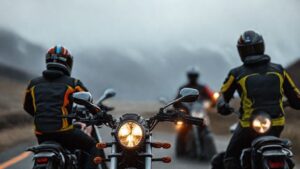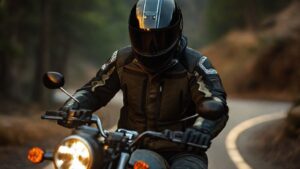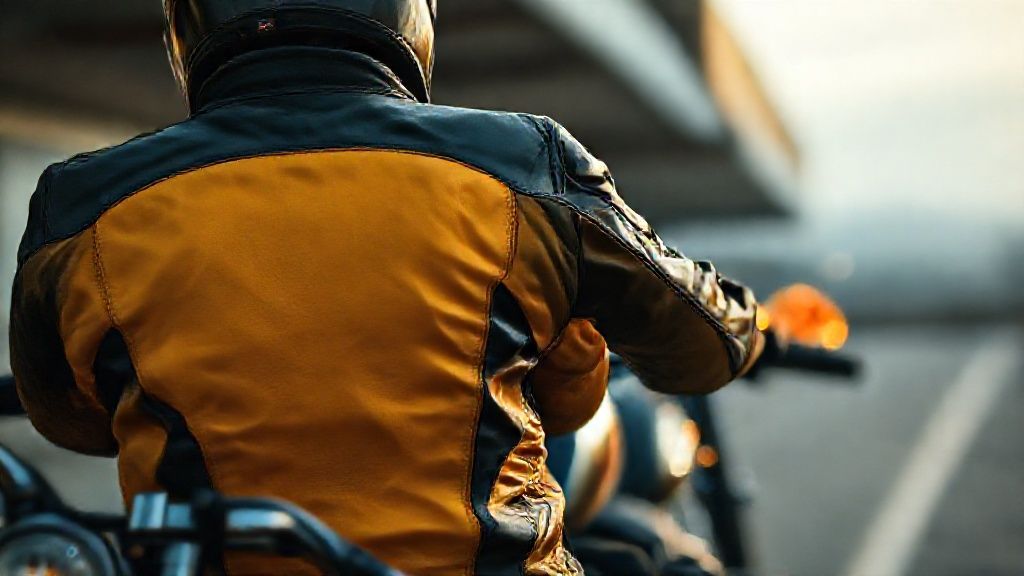
Riding a naked bike offers an unparalleled connection between rider and machine, but it also means you’re more exposed to the elements and road hazards. Unlike their fully-faired counterparts, naked bikes don’t provide wind protection, making your choice of motorcycle jacket even more critical. The right jacket needs to balance aerodynamics, protection, comfort, and style while complementing the aggressive, minimalist aesthetic of your naked bike.
In this comprehensive guide, we’ll explore the nine best motorcycle jackets specifically suited for naked bike riders. Whether you’re carving through canyons on a Yamaha MT-09, commuting on a Kawasaki Z900, or touring on a Triumph Street Triple, we’ve got you covered. Our selection criteria focus on abrasion resistance, impact protection (CE-certified armor), weather versatility, ventilation for those wind-blasted rides, and that essential style factor that matches your bike’s character.
We’ve tested and researched dozens of jackets across various price points, considering real-world feedback from naked bike enthusiasts. From textile versatility to leather’s classic protection, each recommendation addresses the unique demands of riding without a fairing.
1. Alpinestars T-GP Plus R V3 Air Jacket
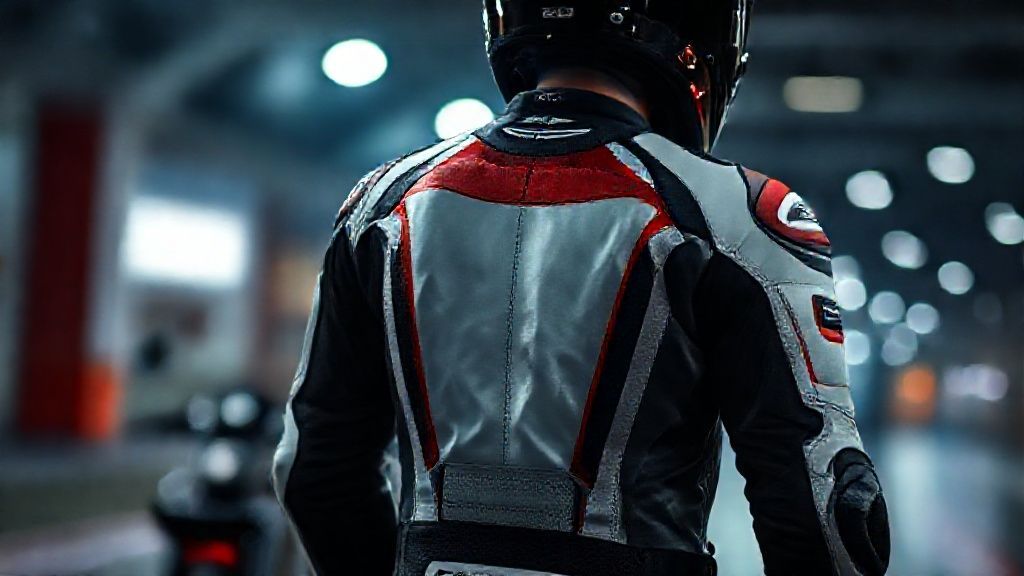
The Alpinestars T-GP Plus R V3 Air represents the pinnacle of textile jacket engineering for aggressive naked bike riders. This jacket perfectly balances track-inspired design with street practicality, making it ideal for spirited canyon runs or daily commuting.
Overview
Constructed from a combination of poly-fabric and mesh panels, the T-GP Plus R V3 Air delivers exceptional airflow without compromising protection. The jacket features CE-certified Bio Armor shoulder and elbow protectors, with a pocket for the optional Nucleon back protector. Alpinestars incorporated their proprietary stretch fabric in key areas, ensuring the jacket moves with you during aggressive riding positions common on naked bikes. The pre-curved sleeves and dynamic fit system accommodate the forward-leaning posture while maintaining comfort during upright city riding. Multiple adjustment points at the waist, arms, and collar allow you to dial in the perfect fit, crucial for aerodynamics when facing direct wind blast. The removable thermal liner extends versatility across three seasons, while the extensive mesh paneling keeps you cool during summer rides.
Pros and Cons
Pros:
- Exceptional ventilation system with strategically placed mesh panels that channel airflow effectively on naked bikes where wind hits directly
- Premium CE Level 1 armor with upgrade options provides comprehensive impact protection for shoulders, elbows, and back
- Sport-cut design complements the aggressive styling of modern naked bikes while providing aerodynamic benefits
- Removable liner system offers genuine three-season versatility without bulk
Cons:
- Premium pricing puts it out of reach for budget-conscious riders
- Aggressive fit may feel restrictive for riders preferring a more relaxed seating position
- Limited waterproofing means you’ll need to layer or seek shelter in heavy rain
2. REV’IT! Tornado 3 Jacket
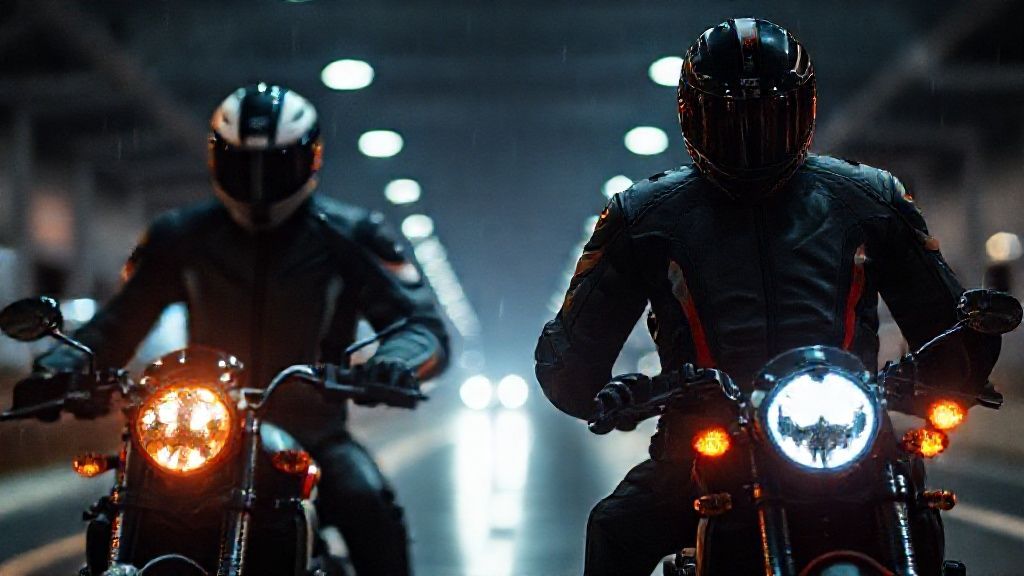
The REV’IT! Tornado 3 stands as one of the most versatile all-weather options for naked bike riders who refuse to let weather dictate their riding schedule. This jacket has earned legendary status among adventure and sport-touring riders.
Overview
REV’IT! engineered the Tornado 3 with a sophisticated three-layer laminated construction featuring a Hydratex waterproof membrane bonded directly to the outer shell. This design eliminates the bulky separate rain liner found in traditional jackets, maintaining a streamlined profile essential for naked bike aerodynamics. The jacket includes CE Level 1 SEESMART protectors at shoulders and elbows, with a prepared pocket for back protection. What sets the Tornado 3 apart is its impressive ventilation system—large zippered intake vents on the chest and arms, plus exhaust vents on the back, create a wind-tunnel effect that’s particularly effective when riding without a fairing. The detachable thermal liner can be removed independently from the waterproof layer, allowing four distinct configurations. Reflective panels enhance visibility during night rides, while the connection zipper integrates with REV’IT! pants for full-body protection.
Pros and Cons
Pros:
- True all-weather capability with laminated waterproof construction that performs in torrential conditions without compromising breathability
- Exceptional ventilation system rivals mesh jackets when fully opened, perfect for hot naked bike riding
- Four-season versatility through modular liner system adapts to temperature extremes
- Excellent build quality and attention to detail justify the investment for serious riders
Cons:
- Higher price point reflects premium features and construction
- Slightly heavier than pure summer jackets due to integrated waterproof layer
- Touring-oriented fit may appear bulkier compared to sport-cut alternatives
3. Dainese Super Speed Textile Jacket
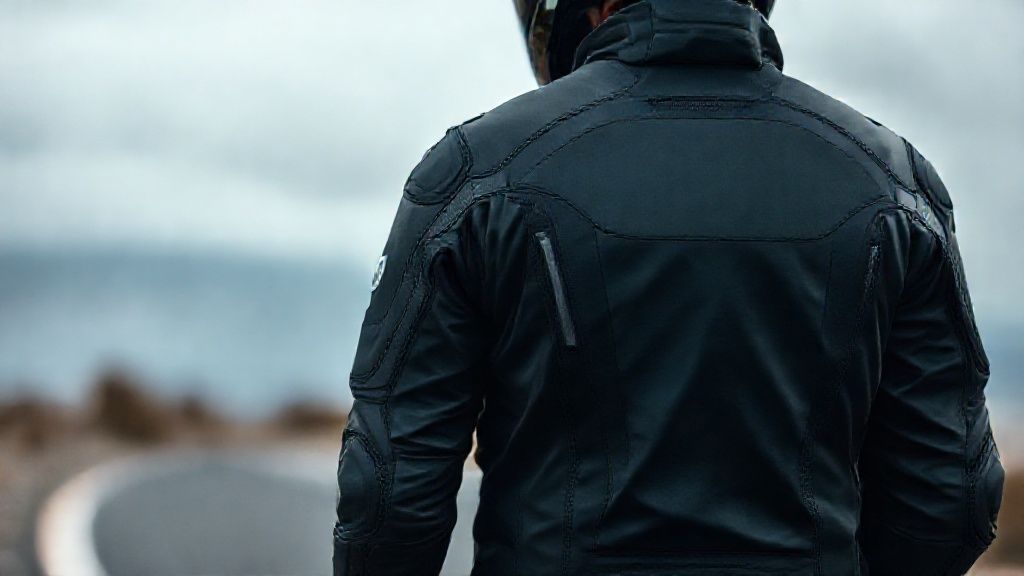
Dainese brings Italian style and racing heritage to the street with the Super Speed Textile Jacket. This option appeals to naked bike riders who prioritize aesthetics alongside protection, offering a sleek profile that complements modern streetfighters.
Overview
The Super Speed showcases Dainese’s commitment to combining fashion with function. The jacket’s outer shell utilizes durable nylon construction with strategically placed elasticated inserts that provide flexibility in riding positions. Dainese equipped this jacket with composite protectors at the shoulders and elbows, meeting CE Level 1 standards, while a pocket accommodates their Wave back protector. The jacket’s standout feature is its aerodynamic design—the trim fit and smooth exterior minimize wind resistance and flapping, issues particularly noticeable on naked bikes at highway speeds. Mesh linings enhance comfort against the skin, while perforated panels in the chest and back improve airflow. The jacket includes a removable thermal vest for cooler conditions, though it’s primarily designed for spring through fall riding. Multiple external pockets provide practical storage, and the aggressive styling with contrasting panels perfectly matches the bold aesthetics of modern naked bikes.
Pros and Cons
Pros:
- Sleek, sport-oriented design with Italian styling that complements aggressive naked bike aesthetics
- Trim fit reduces wind resistance and jacket flapping during high-speed naked bike riding
- Comfortable all-day wearability with quality materials and thoughtful ergonomics
- Reasonable pricing for a premium European brand with racing pedigree
Cons:
- Limited weather protection makes it unsuitable for cold or wet conditions without additional layers
- Ventilation is adequate but not exceptional compared to dedicated summer jackets
- Slim European sizing may require trying before buying for accurate fit
4. Klim Induction Jacket
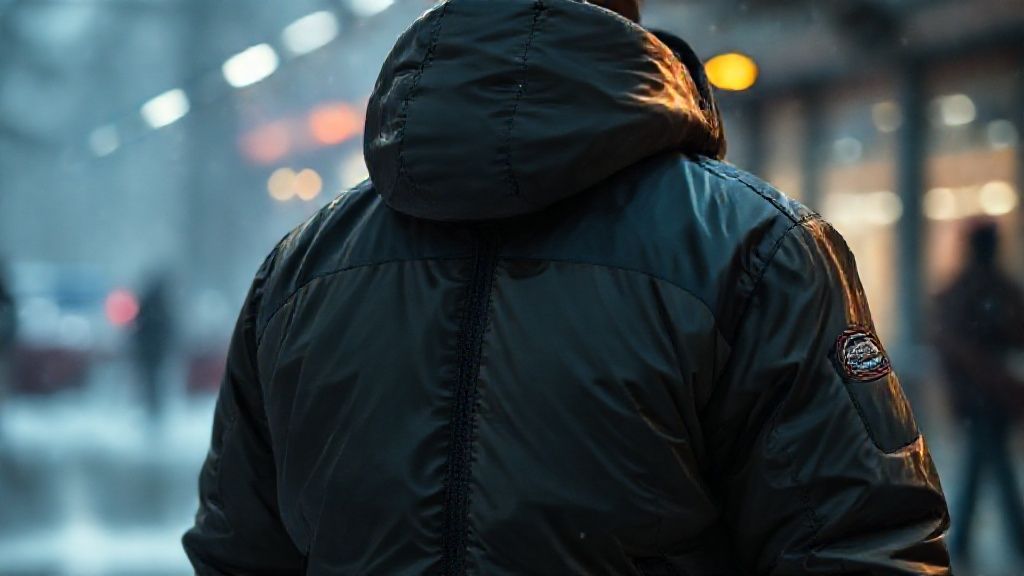
Klim’s Induction Jacket redefines what riders should expect from warm-weather motorcycle gear. Purpose-built for maximum airflow, this jacket addresses the primary challenge naked bike riders face: managing heat and wind during summer riding.
Overview
The Induction features an innovative construction using Karbonite mesh fabric that covers approximately seventy percent of the jacket’s surface area. This aggressive mesh design creates unparalleled ventilation—air flows through the jacket rather than around it, providing cooling relief during hot weather while maintaining structural integrity. Despite the extensive mesh, Klim didn’t compromise protection; the jacket includes D3O Viper Pro armor at the shoulders and elbows, representing some of the most advanced impact protection available. Strategic placement of abrasion-resistant panels in high-impact zones ensures crash protection where it matters most. The Induction’s athletic fit prevents excess material from flapping in the wind, crucial when riding naked bikes at speed. Reflective details enhance visibility, while the minimalist design aesthetic appeals to riders who appreciate functional simplicity. The jacket connects to Klim pants via a zipper, and numerous adjustment points allow fine-tuning the fit for different body types and riding positions.
Pros and Cons
Pros:
- Unmatched ventilation makes this the coolest jacket for hot-weather naked bike riding
- Premium D3O armor provides superior impact protection despite the lightweight construction
- Durable construction withstands the rigors of daily riding while maintaining structural integrity
- Athletic fit and streamlined design minimize wind resistance and buffeting
Cons:
- Strictly a warm-weather jacket with no thermal liner or weather protection
- Premium pricing reflects advanced materials and construction techniques
- Extensive mesh means you’ll feel every degree of temperature—great in heat, uncomfortable below 65°F
5. Scorpion EXO Clutch Leather Jacket
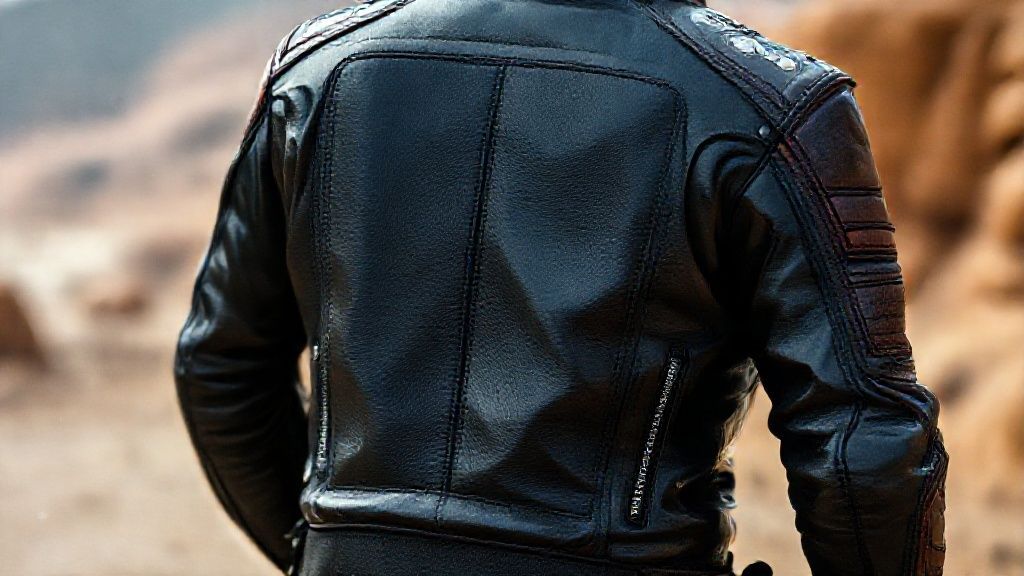
For riders who prefer traditional leather protection with modern features, the Scorpion EXO Clutch delivers exceptional value. This jacket proves you don’t need to spend a fortune to get quality leather protection suited for naked bike riding.
Overview
Constructed from premium cowhide leather with a thickness of 1.1-1.3mm, the Clutch offers excellent abrasion resistance in the event of a slide. Scorpion incorporated CE-certified armor at the shoulders, elbows, and back, providing comprehensive impact protection across critical areas. The leather is treated with a finish that resists water and staining while developing a desirable patina over time. Unlike many leather jackets that feel restrictive, the Clutch features action-cut sleeves and strategically placed stretch panels that accommodate the forward-leaning posture common on naked bikes. Perforated leather panels in the chest, back, and arms provide ventilation—essential because leather naturally insulates. The jacket includes a removable quilted liner for cooler weather, though it’s best suited for spring and fall riding. YKK zippers throughout ensure reliability, while multiple adjustment straps at the waist and arms allow customizing the fit. The classic styling with minimal branding appeals to riders who prefer understated aesthetics.
Pros and Cons
Pros:
- Excellent value proposition offering quality leather and CE armor at a competitive price point
- Superior abrasion resistance compared to textile alternatives provides confidence in crash protection
- Classic leather aesthetic pairs perfectly with the stripped-down look of naked bikes
- Perforated panels provide better ventilation than expected from leather construction
Cons:
- Heavier than textile alternatives, which becomes noticeable during long rides
- Limited weather versatility—leather performs poorly in rain and requires more maintenance
- Break-in period required before the jacket achieves optimal comfort and flexibility
6. Joe Rocket Phoenix Ion Jacket
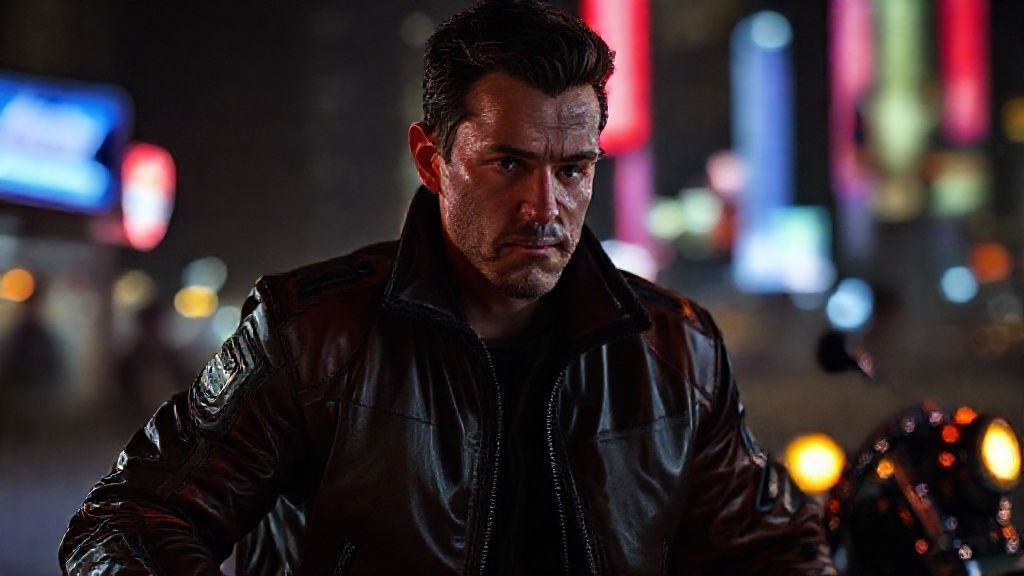
The Joe Rocket Phoenix Ion represents an outstanding entry-level option for new naked bike riders or those seeking affordable protection without sacrificing essential safety features. This jacket proves that budget-friendly doesn’t mean compromising on core protection.
Overview
Joe Rocket constructed the Phoenix Ion using a combination of 600-denier polyester and mesh panels, balancing durability with ventilation. The jacket includes CE-approved armor at the shoulders and elbows, with a foam back pad that can be upgraded to CE-certified protection. What makes this jacket particularly suitable for naked bikes is its aggressive mesh paneling—the chest, back, and arm sections feature large mesh zones that provide substantial airflow when facing direct wind. The Phoenix Ion includes a full-sleeve waterproof liner that can be deployed when weather turns nasty, adding versatility to the package. Reflective piping enhances visibility during night riding, while the action-cut sleeves reduce arm fatigue during longer rides. The jacket connects to Joe Rocket pants via a zipper, and adjustment straps at the waist and arms help dial in the fit. While the materials and construction aren’t as refined as premium options, the Phoenix Ion delivers solid protection and functionality for riders on a budget.
Pros and Cons
Pros:
- Exceptional value for money makes quality motorcycle protection accessible to budget-conscious riders
- Extensive mesh panels provide good ventilation for summer naked bike riding
- Included waterproof liner adds weather versatility without additional cost
- Widely available sizing accommodates various body types
Cons:
- Lower-grade materials and construction won’t withstand abuse as well as premium alternatives
- Basic armor provides adequate but not exceptional impact protection
- Bulkier fit compared to sport-cut jackets may increase wind resistance at higher speeds
7. Rukka Forsair Pro Jacket
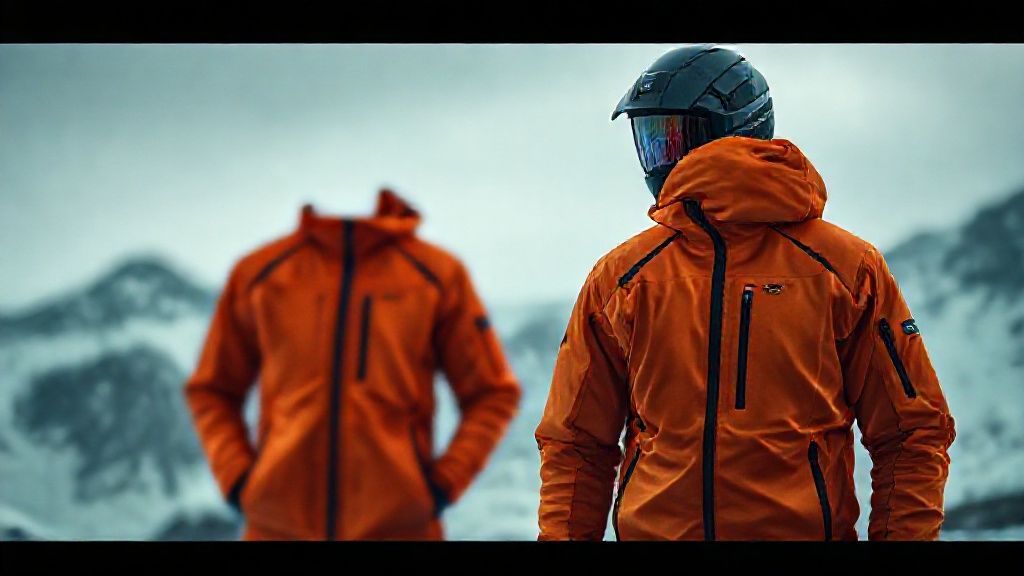
The Rukka Forsair Pro represents the ultimate investment for serious naked bike riders who demand the absolute best in protection, comfort, and versatility. This Finnish-engineered jacket sets the benchmark for what motorcycle gear can achieve.
Overview
Rukka’s Forsair Pro utilizes Gore-Tex laminated construction, integrating the waterproof-breathable membrane directly into the jacket’s structure for optimal performance. This three-layer system eliminates the need for separate liners while maintaining excellent breathability—crucial when riding naked bikes where you’re constantly battling wind. The jacket features D3O armor at the shoulders, elbows, and back, representing the highest level of impact protection available. Rukka’s attention to detail is evident in every aspect: laser-cut ventilation ports that can be opened or closed depending on conditions, magnetic collar closures for convenience, and a sophisticated adjustment system that allows precise fit customization. The jacket includes a removable thermal liner and removable sleeves, creating multiple configurations from full winter protection to a summer vest. Reflective elements are strategically placed for maximum visibility, while the understated Scandinavian design aesthetic appeals to riders who appreciate functional elegance. The Forsair Pro connects to Rukka pants, and the company backs their products with an industry-leading warranty.
Pros and Cons
Pros:
- Uncompromising quality and construction justify the premium investment for serious riders
- True four-season versatility through modular design adapts to any riding condition
- Gore-Tex lamination provides best-in-class waterproofing and breathability
- Premium D3O armor offers superior impact protection with minimal bulk
Cons:
- Extremely high price point puts it beyond reach for most riders
- Touring-oriented fit may feel less aggressive than sport-cut alternatives
- Overkill for riders in mild climates who don’t need extreme weather protection
8. Icon Overlord Resistance Jacket
Icon’s Overlord Resistance brings aggressive styling and solid protection at a mid-range price point. This jacket appeals to naked bike riders who want their gear to match the rebellious attitude of their machines.
Overview
The Overlord Resistance features a distinctive aesthetic with its textile construction accented by leather panels and bold graphics. Icon used their proprietary Reissa waterproof-breathable membrane integrated throughout the shell, providing weather protection without a separate liner. The jacket includes D3O impact protectors at the shoulders and elbows, with a pocket for optional back protection—premium armor at this price point is noteworthy. What makes this jacket work well for naked bikes is its athletic cut and streamlined profile that reduces wind resistance. The textile construction includes reinforced zones in high-abrasion areas, while stretch panels maintain flexibility. Ventilation comes via zippered intake ports on the chest and exhaust vents on the back, creating airflow when conditions allow. The jacket’s removable thermal liner extends usability into cooler months, though it’s optimized for spring through fall riding. Multiple pockets provide storage, while reflective details enhance visibility. The aggressive styling with Icon’s distinctive branding makes a statement that aligns with naked bike culture.
Pros and Cons
Pros:
- Bold styling and graphics complement the aggressive aesthetic of modern naked bikes
- D3O armor at this price point provides exceptional value for impact protection
- Integrated waterproof membrane eliminates the hassle of separate rain liners
- Athletic fit reduces wind resistance and jacket movement at speed
Cons:
- Styling may be too aggressive or branded for riders preferring understated aesthetics
- Ventilation is adequate but not exceptional for hot-weather riding
- Some riders report sizing inconsistencies requiring careful fit verification
9. Bering Cancun Jacket
The Bering Cancun rounds out our list as an excellent all-around option for naked bike riders seeking balanced performance across multiple criteria. This French brand delivers European quality at accessible pricing.
Overview
Bering constructed the Cancun using a combination of Polyamide 600D fabric and mesh panels, creating a durable yet breathable shell. The jacket features CE Level 1 armor at the shoulders and elbows, with a foam back protector that’s upgradeable to CE certification. What distinguishes the Cancun is its thoughtful design for versatility—the jacket includes both a waterproof liner and a thermal liner that can be used independently or together, creating multiple configurations for different conditions. The mesh panels are strategically placed to maximize airflow when riding naked bikes, where wind hits the rider directly. Bering incorporated adjustment straps at multiple points, allowing riders to customize the fit for their specific riding position. The jacket connects to Bering pants via a zipper, and reflective elements enhance visibility. The styling strikes a balance between sport and touring aesthetics, making it appropriate for various naked bike styles from streetfighters to standard nakeds. Build quality exceeds expectations for the price point, with attention to details like quality zippers and reinforced stitching in stress areas.
Pros and Cons
Pros:
- Excellent price-to-performance ratio offers premium features at mid-range pricing
- Genuine three-season versatility through dual liner system adapts to varying conditions
- Good ventilation for summer riding while maintaining weather protection capability
- Neutral styling works well across different naked bike styles and rider preferences
Cons:
- Limited brand recognition in some markets may affect resale value
- Standard CE Level 1 armor is adequate but not exceptional compared to premium alternatives
- Fit tends toward European sizing, which may require adjustment for some riders
Conclusion
Selecting the best motorcycle jacket for your naked bike ultimately depends on your specific riding style, climate, budget, and personal preferences. The jackets we’ve covered span the spectrum from budget-friendly options like the Joe Rocket Phoenix Ion to premium investments like the Rukka Forsair Pro, ensuring there’s an appropriate choice for every rider.
For maximum ventilation in hot climates, the Klim Induction stands unmatched. If all-weather versatility is your priority, the REV’IT! Tornado 3 or Rukka Forsair Pro deliver comprehensive protection. Riders seeking the classic look and superior abrasion resistance of leather should consider the Scorpion EXO Clutch. Those who prioritize sport-oriented fit and style will appreciate the Alpinestars T-GP Plus R V3 Air or Dainese Super Speed.
Remember that the best jacket is one that you’ll actually wear on every ride. It should fit properly, provide adequate protection, suit your local climate, and match your budget. Don’t compromise on safety features—CE-certified armor should be non-negotiable. Consider trying jackets on while sitting in your riding position, as fit changes dramatically between standing and the forward-leaning posture common on naked bikes. Invest in quality gear, maintain it properly, and it will protect you for years of enjoyable riding.
FAQs
Do I really need a motorcycle-specific jacket for riding a naked bike, or can I use a regular jacket?
You absolutely need a motorcycle-specific jacket. Regular jackets lack abrasion-resistant materials, impact-absorbing armor, and proper construction to protect you in a crash. Motorcycle jackets use materials like leather or high-denier textiles that can withstand sliding on asphalt, while regular jackets will shred almost immediately. CE-certified armor protects your shoulders, elbows, and back from impact injuries. Additionally, motorcycle jackets are designed to stay in place during a crash, keeping armor positioned correctly, whereas regular jackets can ride up or shift. The investment in proper gear is minimal compared to potential medical costs from injuries.
What’s the difference between textile and leather jackets for naked bike riding?
Leather jackets offer superior abrasion resistance and a classic aesthetic that many riders prefer, but they’re heavier, require more maintenance, and perform poorly in wet conditions. Textile jackets provide better versatility with features like waterproof liners, removable thermal layers, and superior ventilation systems. For naked bike riders who face direct wind and varying weather, textile jackets often make more practical sense due to their adaptability. However, if you primarily ride in dry conditions and prioritize maximum crash protection, quality leather remains an excellent choice. Many experienced riders own both types for different riding conditions.
How important is ventilation in a motorcycle jacket for naked bikes?
Ventilation is critically important for naked bike riders because you’re directly exposed to wind and sun without a fairing to deflect airflow. While you might think constant wind provides cooling, it actually creates heat buildup at lower speeds and in traffic. Look for jackets with large mesh panels or extensive zippered vents that allow air to flow through the jacket rather than just around it. Adjustable ventilation is ideal—you can open vents for hot weather and close them for cooler conditions or highway speeds. Poor ventilation leads to discomfort, distraction, and potentially dangerous dehydration on longer rides.
Should I size up or down when buying a motorcycle jacket?
Motorcycle jackets should fit snugly but not restrictively when wearing only a t-shirt underneath, as this represents the minimum layering. The armor should align with your joints—shoulder protectors over your shoulders, elbow protectors at your elbows. When you extend your arms forward in a riding position, the sleeves shouldn’t ride up your forearms. Most riders find their normal size works, but European brands often run smaller than American brands. Always check the manufacturer’s sizing chart and read reviews about fit. If between sizes, consider whether you’ll layer underneath—if you’ll wear hoodies or thermal layers, size up; if it’s primarily a summer jacket, stick with your normal size.
Can I wear a motorcycle jacket in the rain, or do I need separate rain gear?
This depends entirely on your jacket’s construction. Jackets with integrated waterproof membranes (laminated construction) like the REV’IT! Tornado 3 or Rukka Forsair Pro can handle rain without additional gear. Jackets with removable waterproof liners offer good rain protection when the liner is installed. However, basic textile or mesh jackets without waterproof features will soak through quickly, requiring separate rain gear. Leather jackets can handle light rain briefly but will absorb water and potentially stain in heavy rain. For naked bike riders who can’t hide behind a fairing, investing in a jacket with integrated or removable waterproof protection makes sense if you ride year-round or in variable climates.