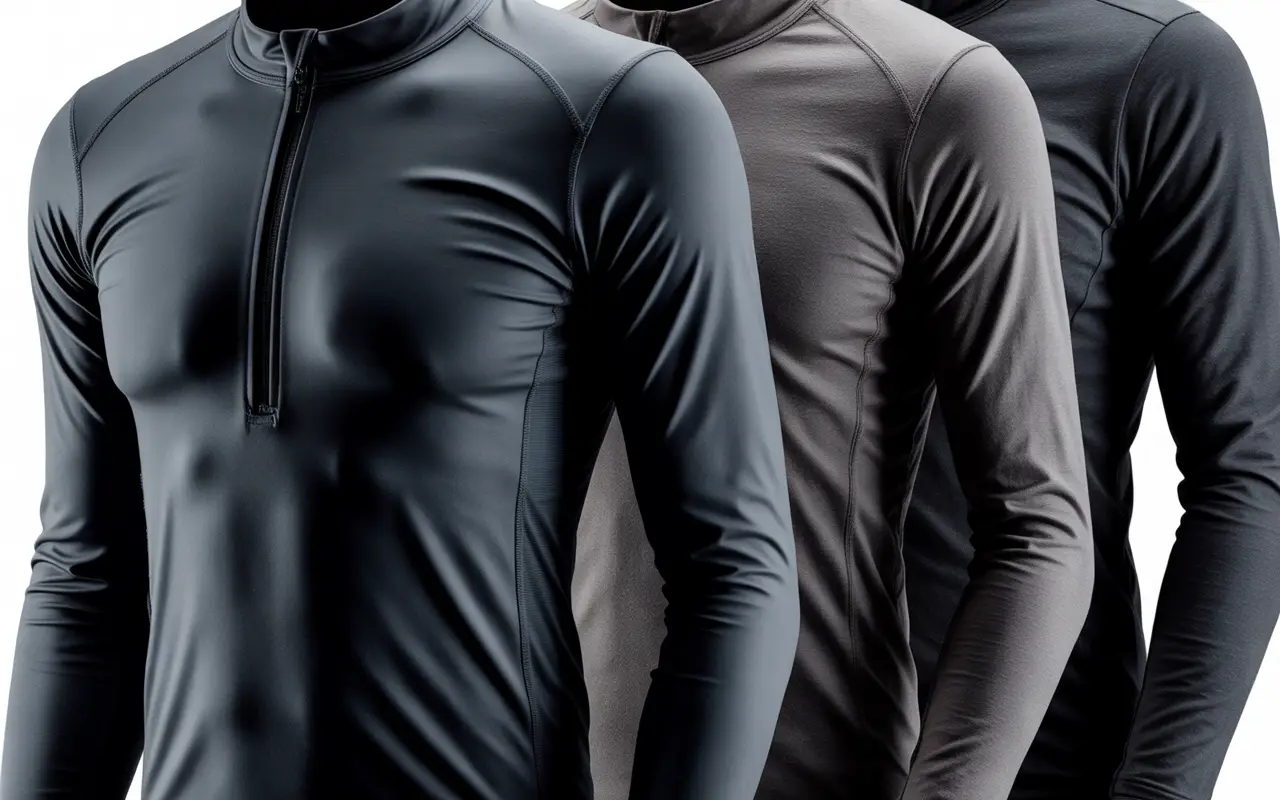
Perforated motorcycle jackets are fantastic for warm weather riding, but when temperatures drop or you’re cruising at highway speeds, those ventilation holes quickly become your worst enemy.
The cold wind cuts through like a knife, making even short rides uncomfortable and potentially dangerous as your body temperature plummets. Finding the right windproof under layer transforms your perforated jacket from a single-season piece into year-round gear.
In this comprehensive guide, we’ll explore the best windproof under layers specifically designed to work beneath perforated motorcycle jackets. These aren’t just any base layers—they’re engineered to block wind while managing moisture, fitting comfortably under your existing gear, and maintaining mobility on the bike.
We’ve selected these items based on windproof effectiveness, breathability, fit compatibility with motorcycle jackets, durability, and real-world rider feedback. Whether you’re commuting in unpredictable weather or extending your riding season into cooler months, the right under layer makes all the difference between an enjoyable ride and a miserable one.
1. Klim Tactical Base Layer Hoodie
The Klim Tactical Base Layer Hoodie has earned its reputation as a go-to choice for serious riders who refuse to let weather dictate their riding schedule. This technical piece bridges the gap between comfort and protection with remarkable efficiency.
Overview
Klim’s Tactical Base Layer Hoodie features a windproof front panel combined with breathable side and back panels, creating an intelligent zoned construction that blocks wind where you need it most while preventing overheating. The four-way stretch fabric moves with your body in riding positions without bunching or restricting movement. The integrated hood adds extra neck protection without bulk, and the extended tail keeps your lower back covered in aggressive riding positions. Flatlock seams prevent chafing during long rides, while the moisture-wicking treatment pulls sweat away from your skin. The slim profile fits easily under perforated jackets without creating pressure points or restricting the jacket’s fit. Available in multiple colors, this hoodie uses antimicrobial treatment to resist odor buildup during extended wear.
Pros and Cons
Pros:
- Strategically placed windproof panels block cold air without sacrificing breathability
- Four-way stretch fabric maintains excellent mobility in riding positions
- Integrated hood provides additional protection without bulk
- Flatlock seams eliminate chafing on long rides
Cons:
- Premium pricing may be prohibitive for casual riders
- Hood may not fit comfortably under all helmet types
- Requires careful sizing to achieve optimal fit under jackets
2. REV’IT! Windcatcher Under Jacket
REV’IT! brings decades of motorcycle gear expertise to this purpose-built windproof under layer. The Windcatcher is specifically engineered for motorcyclists who need reliable wind protection without compromising comfort or range of motion.
Overview
The REV’IT! Windcatcher utilizes a three-layer laminated construction with a windproof and water-resistant membrane sandwiched between a soft inner lining and durable outer shell. This under jacket features a high collar that seals against wind intrusion at the neck, while elasticated cuffs create a secure seal at the wrists. The athletic cut is specifically tailored for riding positions, with pre-curved sleeves and an extended back panel. Lightweight packability means you can stuff it into a tank bag when temperatures rise. The material blocks wind effectively while remaining breathable enough to prevent moisture buildup during active riding. Reflective detailing adds a safety element if worn alone. The full-length zipper includes an internal storm flap to eliminate wind penetration through the closure.
Pros and Cons
Pros:
- Purpose-built for motorcycle use with riding-specific cut and features
- Three-layer construction provides excellent wind and light rain protection
- Highly packable for easy storage when not needed
- High collar and elasticated cuffs seal out wind effectively
Cons:
- Can feel slightly restrictive in extremely hot weather
- Higher price point compared to general outdoor brands
- Limited color options may not suit all preferences
3. Under Armour ColdGear Infrared Shield
While not motorcycle-specific, Under Armour’s ColdGear Infrared Shield has won over countless riders with its exceptional wind-blocking capabilities and athletic fit that translates perfectly to motorcycle use.
Overview
Under Armour’s ColdGear Infrared Shield combines their signature heat-retention technology with a windproof front panel and breathable back construction. The infrared lining reflects body heat back to you without adding bulk or weight, while the soft interior fabric feels comfortable against skin or over a thin base layer. The fitted design hugs your body without compression, eliminating excess material that could bunch under a jacket. Zippered hand pockets provide secure storage for small items, and the full-length zipper includes a chin guard for comfort. The material has a slight stretch that accommodates reaching for handlebars without riding up. Moisture-wicking properties keep you dry even during spirited riding, and the anti-odor treatment keeps the garment fresh between washes. The athletic styling looks good enough to wear off the bike.
Pros and Cons
Pros:
- Infrared technology provides warmth without excessive bulk
- Widely available at various retailers with frequent sales
- Fitted athletic cut works perfectly under motorcycle jackets
- Excellent moisture management prevents clamminess
Cons:
- Not specifically designed for motorcycle use may lack some riding-specific features
- Durability may not match motorcycle-specific brands for abrasion resistance
- Sleeves can occasionally ride up without proper sizing
4. Dainese Windproof Inner Jacket
Dainese’s reputation for innovative motorcycle gear extends to their windproof under layers. This inner jacket represents Italian design meeting functional necessity with style and performance in equal measure.
Overview
The Dainese Windproof Inner Jacket features a completely windproof membrane throughout the entire garment, making it one of the most protective options available. The micro-perforated interior lining enhances breathability while maintaining wind protection, creating a microclimate that regulates temperature effectively. Ergonomic paneling follows the natural contours of a rider’s body in the tucked position, with differentiated stretch zones that allow movement where needed while maintaining structure in critical areas. The stand-up collar features a soft lining that’s comfortable against the neck, and the hem includes silicone gripper elastic to prevent ride-up. Minimal external seams reduce bulk and potential pressure points under outer jackets. The jacket compresses down small for storage, and the durable construction withstands repeated use and washing without degradation of windproof properties.
Pros and Cons
Pros:
- Complete windproof construction blocks all wind penetration
- Ergonomic paneling specifically designed for riding positions
- Premium Italian construction ensures durability and longevity
- Silicone hem gripper prevents jacket from riding up
Cons:
- Premium pricing reflects the Dainese brand positioning
- Complete wind blocking may be too warm for moderate conditions
- Sizing runs European, requiring careful measurement
5. Patagonia Houdini Air Jacket
Patagonia’s Houdini Air brings outdoor industry innovation to motorcycle riders seeking ultralight wind protection. This minimalist approach delivers maximum protection with minimal weight and bulk.
Overview
The Houdini Air Jacket weighs mere ounces but punches well above its weight class in wind protection. The ultra-thin ripstop nylon fabric with DWR finish blocks wind while resisting light precipitation. Patagonia’s engineering focuses on breathability, using a mechanical stretch fabric that moves with you and allows moisture vapor to escape, preventing the clammy feeling common with windproof layers. The jacket packs into its own chest pocket, becoming smaller than a water bottle for easy storage in any motorcycle bag or even a jacket pocket. The slim fit layers invisibly under perforated jackets without adding noticeable bulk. Raglan sleeves enhance mobility, and the adjustable hem drawcord allows you to seal out drafts. The minimalist design eliminates unnecessary features that could create pressure points or bulk. Patagonia’s commitment to durability means this lightweight jacket withstands regular use surprisingly well.
Pros and Cons
Pros:
- Exceptionally lightweight and packable for easy transport
- Excellent breathability prevents overheating
- Minimal bulk layers invisibly under any jacket
- Patagonia’s warranty and repair program extends product life
Cons:
- Thin material may not provide enough warmth in very cold conditions
- Delicate fabric requires careful handling to avoid snags
- Limited abrasion resistance compared to motorcycle-specific gear
6. Alpinestars Tech Layer
Alpinestars applies their racing heritage to everyday riding gear with the Tech Layer, a sophisticated under garment that balances wind protection with thermal regulation and comfort for serious riders.
Overview
The Alpinestars Tech Layer uses a multi-panel construction with varying fabric densities to provide wind protection where needed while maximizing breathability elsewhere. The chest and shoulder areas feature windproof panels that block the direct airflow you encounter while riding, while the sides and back use breathable stretch fabric that prevents moisture buildup. Seamless construction in key areas eliminates chafing and pressure points during long rides. The compression fit supports muscles without restricting movement, and the moisture-wicking treatment actively pulls sweat away from skin. Flatlock seams throughout ensure durability and comfort. The extended back panel stays tucked in riding positions, and the crew neck design layers comfortably under any collar style. Antimicrobial treatment prevents odor development, allowing multiple wears between washes. The Tech Layer’s design works equally well for sport riding and touring applications.
Pros and Cons
Pros:
- Strategic windproof paneling balances protection and breathability
- Seamless construction eliminates common chafing points
- Compression fit provides muscle support on long rides
- Versatile enough for various riding styles and conditions
Cons:
- Compression fit may not appeal to all riders
- Requires precise sizing for optimal performance
- Mid-range pricing without being the most affordable option
7. Arc’teryx Incendo Hoody
Arc’teryx brings premium outdoor performance to the motorcycle world with the Incendo Hoody. This technical piece represents the pinnacle of wind protection technology in an incredibly lightweight package.
Overview
The Arc’teryx Incendo Hoody utilizes Tyono fabric, an ultra-lightweight material that provides exceptional wind resistance while maintaining remarkable breathability. The fabric’s mechanical stretch moves naturally with your body, and the athletic fit is cut for active use, translating perfectly to motorcycle riding positions. The hood is helmet-compatible and stows away cleanly when not needed. Articulated patterning and gusseted underarms ensure unrestricted movement when reaching for controls. The DWR finish sheds light rain and road spray, adding versatility to the wind protection. Minimal seam construction reduces bulk and potential failure points. The jacket stuffs into its own pocket for compact storage, and the durable construction withstands the rigors of regular use. Reflective elements enhance visibility in low-light conditions. Arc’teryx’s attention to detail shows in every aspect, from the smooth-running zippers to the precisely placed ventilation zones.
Pros and Cons
Pros:
- Premium materials offer exceptional wind protection with minimal weight
- Excellent breathability prevents moisture buildup
- Articulated design provides outstanding mobility
- Helmet-compatible hood adds versatility
Cons:
- Premium pricing places it among the most expensive options
- Delicate fabric requires careful handling around motorcycle hardware
- May provide insufficient insulation for extremely cold conditions
8. Joe Rocket Windproof Liner Jacket
Joe Rocket offers riders a budget-friendly windproof solution that doesn’t compromise on essential features. This liner jacket proves that effective wind protection doesn’t require breaking the bank.
Overview
The Joe Rocket Windproof Liner Jacket takes a straightforward approach to wind protection with a simple but effective design. The windproof polyester shell blocks cold air while a soft tricot lining provides comfort against skin or over a base layer. The full-length front zipper includes a storm flap that prevents wind from penetrating through the closure. Elastic cuffs and hem create seals that keep cold air out, and the athletic cut fits comfortably under motorcycle jackets without excess bulk. The jacket includes two hand pockets for storing small items, and the lightweight construction allows easy packing when not in use. While it lacks some of the advanced features of premium options, it excels at its primary purpose: blocking wind. The durable construction withstands regular use and washing without deterioration. Available in multiple sizes, the liner accommodates various body types. The value proposition makes it an excellent choice for riders on a budget or those new to year-round riding.
Pros and Cons
Pros:
- Affordable pricing makes windproof layering accessible to all riders
- Simple, reliable design focuses on core functionality
- Durable construction withstands regular use
- Widely available through motorcycle gear retailers
Cons:
- Basic design lacks advanced features of premium options
- Breathability is adequate but not exceptional
- Bulkier than ultralight alternatives may affect jacket fit
9. Craft Active Extreme X Wind Base Layer
Craft brings Scandinavian performance textile expertise to motorcycle riders with the Active Extreme X Wind Base Layer. This piece represents serious cold-weather technology in a surprisingly versatile package.
Overview
The Craft Active Extreme X Wind combines a windproof front panel with highly breathable Coolmax Air fabric on the back and sides, creating optimal temperature regulation for active use. The windproof membrane blocks cold air penetration while the breathable zones prevent overheating and moisture accumulation. Body-mapped construction places different fabrics where they’re most effective, with insulating panels in key areas and ventilation zones where heat builds up. The close-to-body fit eliminates excess material without compression, and the stretchy fabric accommodates full range of motion. Flatlock seams prevent chafing, and the extended back panel maintains coverage in riding positions. The crew neck design layers comfortably under any jacket style. Craft’s expertise in base layer technology shows in the moisture management system that actively transports perspiration away from skin. The fabric dries quickly when wet, maintaining comfort even in changing conditions. Reflective details add safety when worn as an outer layer.
Pros and Cons
Pros:
- Body-mapped construction optimizes performance across different zones
- Excellent moisture management keeps you dry and comfortable
- Scandinavian cold-weather expertise translates to superior performance
- Close-to-body fit layers invisibly under jackets
Cons:
- Can be difficult to find at traditional motorcycle gear retailers
- Sizing may run small compared to motorcycle-specific brands
- Premium pricing reflects high-performance textile technology
Conclusion
Choosing the right windproof under layer transforms your perforated motorcycle jacket from a warm-weather-only piece into versatile year-round gear. The options we’ve explored range from budget-friendly basics to premium performance pieces, but they all share the essential quality of blocking wind while maintaining breathability and comfort. Your ideal choice depends on your specific riding style, climate conditions, and budget constraints. Sport riders might prioritize the compression fit and seamless construction of the Alpinestars Tech Layer, while touring riders may appreciate the packability of the Patagonia Houdini Air for variable conditions.
Remember that the best windproof layer is the one you’ll actually wear, so consider factors like fit, comfort, and ease of use alongside pure performance metrics. Many riders find success with multiple options for different conditions—an ultralight layer for cool mornings that warm up, and a more substantial option for genuinely cold weather. Investing in quality windproof under layers extends your riding season, increases comfort, and ultimately makes every ride more enjoyable. Don’t let your perforated jacket’s ventilation holes limit when you can ride; layer up and keep the wind where it belongs—outside your gear.
Frequently Asked Questions
Can I use regular outdoor windbreakers under my perforated motorcycle jacket?
Yes, you can use outdoor windbreakers, but motorcycle-specific options often work better. Regular windbreakers may bunch up in riding positions, have bulky seams that create pressure points under armor, or lack the extended back panels that keep you covered when leaning forward. However, quality outdoor brands like Patagonia and Arc’teryx make excellent options that work well for motorcycle use, especially models designed for active pursuits. The key is ensuring the fit works with your riding position and doesn’t add excessive bulk under your jacket.
How do I determine the right size for a windproof under layer?
For windproof under layers, you generally want a close-to-body fit that eliminates excess material without being restrictive. The layer should fit comfortably over your base layer but under your jacket without creating tightness or pressure points. Try the combination together if possible—wear your base layer and windproof layer, then put on your perforated jacket to ensure everything layers comfortably. Your jacket should close normally without straining, and you should maintain full range of motion. If you’re between sizes, consider how you’ll use it; size down for a sleeker fit under tight jackets, size up if you want versatility to wear it over thicker base layers.
Will a windproof layer make me too hot when temperatures rise during a ride?
Quality windproof layers are designed with breathability to prevent overheating, but you may still get warm if temperatures rise significantly. This is why packability is such an important feature—choose options that stuff into a small package you can store in a tank bag, tail bag, or even a jacket pocket. Many riders start morning commutes with a windproof layer and remove it for the warmer afternoon ride home. Layers with ventilation zones or partial windproof construction (like windproof front panels with breathable backs) offer more temperature versatility than fully windproof designs.
Do windproof under layers provide any rain protection?
Most windproof layers offer some water resistance through DWR (Durable Water Repellent) treatments that cause light rain to bead up and roll off. However, they’re not waterproof and won’t keep you dry in sustained rain. They’ll handle light drizzle or road spray effectively, but you’ll need dedicated rain gear for wet weather riding. Think of the water resistance as a bonus feature rather than a primary function. The advantage is that this light water resistance doesn’t compromise breathability the way fully waterproof membranes can.
How should I care for my windproof under layer to maintain its effectiveness?
Follow the manufacturer’s care instructions, but general guidelines include washing in cold water with technical fabric detergent, avoiding fabric softeners (which can clog breathable membranes), and tumble drying on low heat or air drying. Many windproof treatments benefit from periodic reactivation—the heat from a dryer or iron (on low, through a towel) can restore DWR coatings. Avoid harsh detergents, bleach, or dry cleaning unless specifically recommended. Store the garment loosely rather than compressed for long periods to maintain the fabric’s loft and breathability. With proper care, quality windproof layers maintain their effectiveness for many seasons of riding.