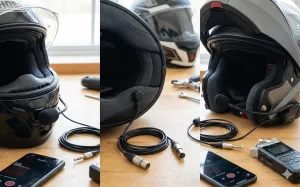
Finding the perfect helmet speakers can transform your riding experience, whether you’re commuting through city traffic or embarking on long-distance touring adventures. Quality helmet speakers allow you to enjoy music, take calls, receive GPS directions, and communicate with fellow riders without compromising safety or comfort. However, with countless options flooding the market, choosing the right speakers for your helmet can be overwhelming.
In this comprehensive guide, we’ll explore the best helmet speakers available for motorcyclists in 2024. We’ve carefully evaluated each product based on several critical criteria: sound quality, ease of installation, battery life, connectivity range, durability, and overall value for money. Whether you’re a casual weekend rider or a dedicated touring enthusiast, our selection covers options for various budgets and preferences. We’ve also considered compatibility with different helmet types, water resistance ratings, and advanced features like noise cancellation and voice command capabilities to help you make an informed decision.
1. Cardo Packtalk Bold JBL Edition
The Cardo Packtalk Bold JBL Edition represents the pinnacle of motorcycle communication technology, combining premium audio quality with robust connectivity features. This flagship model has earned its reputation as a favorite among serious riders who demand the best performance.
Overview
Featuring 45mm JBL speakers, the Packtalk Bold delivers exceptional sound quality that rivals high-end headphones. The system utilizes Dynamic Mesh Communication (DMC) technology, allowing up to 15 riders to connect simultaneously over a range of up to 5 miles in open terrain. The speakers are specifically engineered to provide crystal-clear audio even at highway speeds, with powerful bass response and crisp highs. The unit boasts an impressive 13-hour talk time and includes natural voice operation, allowing you to control functions hands-free. The waterproof design ensures reliable performance in all weather conditions, while the magnetic mounting system makes installation and removal incredibly convenient. The device also features automatic volume adjustment that adapts to your riding speed and ambient noise levels.
Pros and Cons
Pros:
- Exceptional JBL audio quality with deep bass and clear treble, even at high speeds
- Industry-leading DMC technology enables seamless group communication with up to 15 riders
- Long battery life of 13 hours with quick charging capability
- Natural voice commands and intuitive controls make operation effortless while riding
Cons:
- Premium price point may be prohibitive for budget-conscious riders
- Larger unit profile compared to some competitors may not suit all helmet styles
- Learning curve for accessing all advanced features and settings
2. Sena 50S Mesh Intercom System
The Sena 50S represents the latest evolution in motorcycle communication systems, offering cutting-edge technology in a sleek package. Known for reliability and innovation, Sena has created a system that balances performance with user-friendly operation.
Overview
The 50S features Harman Kardon speakers that deliver premium sound quality with enhanced clarity and depth. This system utilizes both Mesh Intercom and Bluetooth connectivity, providing flexibility in how you connect with other riders. The Mesh 2.0 technology supports public and private group modes, accommodating up to 24 riders in an open mesh network. With a communication range of up to 1.2 miles and Bluetooth range of 1 mile, you’ll maintain connection in most riding scenarios. The device includes an intuitive jog dial and voice commands for easy operation, while the Sound By Harman Kardon audio system ensures music and conversations come through with exceptional fidelity. The speakers are designed to fit comfortably in most helmet types, and the system offers impressive battery performance with up to 14 hours of talk time.
Pros and Cons
Pros:
- Dual connectivity options with both Mesh and Bluetooth for maximum compatibility
- Harman Kardon speakers provide superior audio quality for music and communication
- Extended 14-hour battery life supports all-day riding adventures
- User-friendly interface with both physical controls and voice commands
Cons:
- Higher price point compared to basic communication systems
- Mesh technology requires other Mesh-compatible devices for group riding
- Firmware updates occasionally needed to maintain optimal performance
3. UClear AMP Go Bluetooth Helmet Audio System
The UClear AMP Go offers an excellent balance of performance and affordability, making premium helmet audio accessible to more riders. This system has gained popularity for its impressive sound quality despite its mid-range pricing.
Overview
UClear’s proprietary speaker technology delivers surprisingly powerful audio with enhanced bass response and clear vocals. The AMP Go features a slim profile control unit that mounts discreetly on most helmet types, while the speakers fit comfortably without creating pressure points during extended rides. The system provides reliable Bluetooth 5.0 connectivity for music streaming, GPS navigation, and phone calls, with support for connecting to another rider for bike-to-bike communication. The battery delivers approximately 8 hours of talk time, which is sufficient for most day trips. The speakers utilize acoustic chamber technology that maximizes sound quality while minimizing external noise interference. Installation is straightforward with included adhesive mounts and hook-and-loop fasteners, and the system is designed to work with both full-face and modular helmets.
Pros and Cons
Pros:
- Excellent sound quality at a competitive mid-range price point
- Slim, lightweight design doesn’t add bulk to your helmet
- Simple installation process with comprehensive mounting hardware included
- Reliable Bluetooth connectivity with good range for solo riding and navigation
Cons:
- Limited to one-to-one rider communication rather than group mesh networks
- Battery life is shorter compared to premium competitors
- Lacks advanced features like automatic volume adjustment
4. FreedConn R1 Plus Motorcycle Bluetooth Headset
The FreedConn R1 Plus delivers impressive functionality at a budget-friendly price, making it an ideal choice for riders new to helmet communication systems or those seeking basic connectivity without breaking the bank.
Overview
This system features upgraded speakers with improved bass and clarity compared to earlier FreedConn models. The R1 Plus supports Bluetooth 5.0 for reliable connectivity with smartphones and GPS devices, and it can pair with up to 6 riders simultaneously for group communication over a range of approximately 1000 meters. The unit includes FM radio functionality, adding entertainment options during solo rides. With approximately 10 hours of talk time, the battery performance exceeds expectations for its price category. The speakers are designed to fit most helmet types, and the installation process is simplified with adhesive backing and Velcro attachments. The control buttons are large and glove-friendly, making operation easy even with thick winter gloves. The system also features noise reduction technology that helps minimize wind noise at moderate speeds.
Pros and Cons
Pros:
- Exceptional value for money with features typically found in more expensive systems
- Decent battery life of 10 hours supports full-day riding
- FM radio provides additional entertainment options
- Large, easy-to-operate buttons work well with riding gloves
Cons:
- Sound quality, while good for the price, doesn’t match premium systems
- Intercom range is limited compared to mesh-based systems
- Build quality feels less robust than higher-priced competitors
5. Lexin B4FM Motorcycle Bluetooth Headset
The Lexin B4FM has carved out a niche as a reliable mid-range option that doesn’t compromise on essential features. This system appeals to riders who want solid performance without paying premium prices.
Overview
Lexin’s B4FM features enhanced speakers with improved audio drivers that deliver clear sound reproduction across all frequencies. The system supports universal intercom connectivity, meaning it can pair with most other Bluetooth headset brands, making it versatile for group rides with friends using different systems. The communication range extends up to 2000 meters between riders in ideal conditions, which is impressive for a non-mesh system. Battery performance is solid with approximately 15 hours of standby time and 8 hours of active talk time. The unit includes FM radio with RDS functionality, allowing you to scan and save your favorite stations. The waterproof rating ensures the system continues functioning in rain and wet conditions. Installation is tool-free with included adhesive mounts, and the speakers are designed with a low profile to minimize helmet fit issues.
Pros and Cons
Pros:
- Universal intercom compatibility works with most Bluetooth headset brands
- Extended communication range of up to 2000 meters
- FM radio with RDS adds entertainment value
- Competitive pricing with solid build quality and reliability
Cons:
- Audio quality is adequate but not exceptional compared to premium options
- Battery life is shorter than some competitors in similar price range
- User interface can be confusing initially with multiple button combinations
6. Fodsports FX8 Pro Motorcycle Helmet Speakers
The Fodsports FX8 Pro brings advanced features to the mid-range market segment, offering impressive specifications that challenge more expensive systems. This model has gained recognition for its robust feature set and reliable performance.
Overview
The FX8 Pro features high-fidelity speakers with 40mm drivers that produce rich, balanced audio suitable for both music enjoyment and clear communication. This system utilizes Bluetooth 5.0 technology and supports connecting up to 8 riders simultaneously over a maximum range of 2000 meters. One standout feature is the impressive battery capacity, providing up to 20 hours of talk time on a single charge, making it ideal for long-distance touring. The system includes CVC noise cancellation technology that effectively reduces wind and engine noise, ensuring clear communication even at highway speeds. The control unit features a large LCD screen that displays connection status, battery level, and other useful information at a glance. The waterproof design meets IP67 standards, providing excellent protection against the elements. Installation is straightforward with multiple mounting options to accommodate different helmet styles and preferences.
Pros and Cons
Pros:
- Exceptional 20-hour battery life outlasts virtually all competitors
- LCD screen provides clear visual feedback on system status
- Effective CVC noise cancellation improves communication clarity
- Supports up to 8-rider groups with reliable connectivity
Cons:
- Larger control unit due to LCD screen may not suit minimalist preferences
- Audio quality, while good, doesn’t quite match premium JBL or Harman Kardon systems
- User manual could be more comprehensive for accessing advanced features
7. EJEAS Q7 Motorcycle Bluetooth Intercom
The EJEAS Q7 represents an interesting proposition in the helmet speaker market, combining affordability with a respectable feature set. This system works particularly well for riders who prioritize group communication capabilities.
Overview
The Q7 features upgraded audio drivers that provide clear sound quality with decent bass response for music playback and communication. This system can connect up to 6 riders simultaneously with an intercom range of approximately 1000 meters in open terrain. The unit utilizes Bluetooth 5.0 for stable connections with smartphones and GPS devices, and it includes voice prompt functionality that announces system status and incoming calls. Battery performance is respectable with about 12 hours of talk time, sufficient for most riding scenarios. The speakers are designed with a ultra-thin profile, measuring just 7mm thick, which helps them fit comfortably in helmets with limited speaker pocket depth. The system includes both button controls and voice command options for hands-free operation. Weather resistance is adequate with an IPX6 waterproof rating, protecting against rain and splashes but not full submersion.
Pros and Cons
Pros:
- Ultra-thin speaker design fits comfortably in most helmet types
- Good battery life of 12 hours supports full-day riding
- Voice prompts provide helpful feedback on system status
- Budget-friendly pricing makes it accessible for new riders
Cons:
- Audio quality is basic compared to premium systems
- Limited intercom range may be insufficient for large group rides
- Button placement can be awkward on some helmet styles
8. SENA 10S Bluetooth Communication System
The SENA 10S has been a reliable workhorse in the motorcycle communication market for years, offering proven performance and compatibility. While not the newest model, it remains a solid choice for riders seeking dependable functionality.
Overview
The 10S features quality speakers that deliver clear audio for music, GPS directions, and intercom communication. This system supports four-way intercom conversations over a range of up to 1.6 kilometers, making it suitable for small to medium-sized riding groups. The unit utilizes Bluetooth 4.1 technology, which, while not the latest standard, provides stable and reliable connections with smartphones and other devices. Battery life is impressive at approximately 13 hours of talk time, ensuring you won’t run out of power during long rides. The system includes universal intercom functionality, allowing it to connect with non-SENA Bluetooth headsets, which adds versatility when riding with friends using different brands. The jog dial control is intuitive and easy to operate with gloves, and the system features Audio Multitasking, allowing you to listen to music while maintaining intercom connectivity. The speakers and microphone are designed to minimize wind noise effectively.
Pros and Cons
Pros:
- Proven reliability with years of positive user feedback
- Excellent battery life of 13 hours supports extended riding sessions
- Universal intercom works with other Bluetooth headset brands
- Audio Multitasking feature allows simultaneous music and intercom use
Cons:
- Uses older Bluetooth 4.1 technology rather than newer standards
- Intercom range is shorter than newer mesh-based systems
- Limited to four-way conversations compared to newer models supporting more riders
9. THOKWOK T9 Motorcycle Bluetooth Headset
The THOKWOK T9 rounds out our list as an entry-level option that provides basic functionality for budget-conscious riders. While it lacks premium features, it delivers essential communication capabilities at an attractive price point.
Overview
The T9 features basic but functional speakers that provide adequate sound quality for calls, GPS navigation, and casual music listening. This system supports Bluetooth connectivity with smartphones and can pair with one other rider for bike-to-bike communication over a range of approximately 800 meters. The battery provides about 8 hours of talk time, which covers most day rides without needing a recharge. The unit is compact and lightweight, adding minimal bulk to your helmet, and the installation process is simplified with adhesive mounting pads. Controls consist of three buttons that handle all functions, including power, volume, and call management. The system includes basic noise reduction to help minimize wind interference, though it’s not as sophisticated as premium models. The waterproof rating of IPX5 provides protection against rain and splashes. While the T9 doesn’t offer advanced features like mesh networking or premium audio drivers, it fulfills the basic needs of riders who want simple connectivity without complexity.
Pros and Cons
Pros:
- Very affordable entry point for riders new to helmet communication systems
- Lightweight and compact design doesn’t add noticeable weight to helmet
- Simple operation makes it easy for anyone to use without extensive setup
- Adequate battery life for day rides and commuting
Cons:
- Basic audio quality lacks depth and clarity of more expensive options
- Limited to one-to-one communication with short range
- Minimal noise reduction struggles with wind noise at highway speeds
Conclusion
Selecting the best helmet speakers for your motorcycle depends on your specific needs, riding style, and budget. If you’re a serious rider who frequently participates in group rides and demands premium audio quality, investing in top-tier systems like the Cardo Packtalk Bold JBL Edition or Sena 50S will provide exceptional performance and reliability. These premium options offer advanced features like mesh networking, superior sound quality, and extended battery life that justify their higher price tags.
For riders seeking a balance between performance and affordability, mid-range options like the UClear AMP Go, Lexin B4FM, or Fodsports FX8 Pro deliver solid functionality without breaking the bank. These systems provide reliable communication, decent audio quality, and essential features that satisfy most riders’ needs. Budget-conscious riders or those new to helmet communication systems will find adequate performance in entry-level options like the FreedConn R1 Plus or THOKWOK T9, which cover basic connectivity needs at accessible prices. Regardless of which system you choose, any of these helmet speakers will enhance your riding experience by keeping you connected, entertained, and informed on the road.
Frequently Asked Questions
Can helmet speakers damage my hearing?
When used responsibly at reasonable volume levels, helmet speakers should not damage your hearing. However, it’s important to keep the volume at a level where you can still hear important ambient sounds like sirens, horns, and traffic. Most modern helmet speaker systems include automatic volume adjustment features that adapt to your riding speed. As a general rule, if you need to increase the volume significantly to hear over wind noise, consider investing in a helmet with better noise reduction or speakers with superior noise cancellation technology.
Will helmet speakers work with my existing helmet?
Most helmet speakers are designed to be universally compatible with full-face, modular, and open-face helmets that have speaker pockets or sufficient space near the ears. Before purchasing, check your helmet’s interior for speaker recesses or removable ear pads. The speaker thickness is crucial—most speakers range from 7mm to 12mm thick. If your helmet lacks dedicated speaker pockets, ultra-thin speakers or external mounting options may be necessary. Some high-end helmets come with proprietary communication system integration, so verify compatibility before purchasing aftermarket speakers.
How difficult is it to install helmet speakers?
Installation difficulty varies by system and helmet type, but most modern helmet speakers are designed for tool-free installation. Typically, the process involves positioning the speakers in your helmet’s ear pockets using adhesive pads or hook-and-loop fasteners, attaching the microphone near your mouth, and mounting the control unit on the helmet’s exterior. Most installations take 15-30 minutes and come with detailed instructions. Some helmets with pre-wired speaker pockets make installation even simpler. If you’re uncomfortable with the installation process, many motorcycle shops offer installation services for a small fee.
Can I use helmet speakers for making phone calls while riding?
Yes, virtually all modern helmet speaker systems include hands-free calling functionality through Bluetooth connectivity with your smartphone. Most systems feature voice-activated controls or easy-to-access buttons that allow you to answer, reject, or end calls without removing your hands from the handlebars. Advanced noise cancellation technology in premium systems ensures clear call quality even at highway speeds. However, always check your local laws regarding phone use while riding, as some jurisdictions have specific regulations about communication device use on motorcycles.
What’s the difference between Bluetooth intercom and Mesh technology?
Bluetooth intercom creates direct peer-to-peer connections between devices, typically supporting 2-8 riders depending on the system. When riders exceed the range or encounter obstacles, connections can drop and require manual reconnection. Mesh technology, available in premium systems like Cardo and Sena’s latest models, creates a dynamic network where all connected riders form a mesh that automatically routes communication through the strongest available connections. This means if one rider moves out of range, the system automatically reconnects through other riders in the group, maintaining communication for groups of up to 15-24 riders without manual intervention. Mesh technology generally provides more reliable group communication over longer distances and varied terrain.