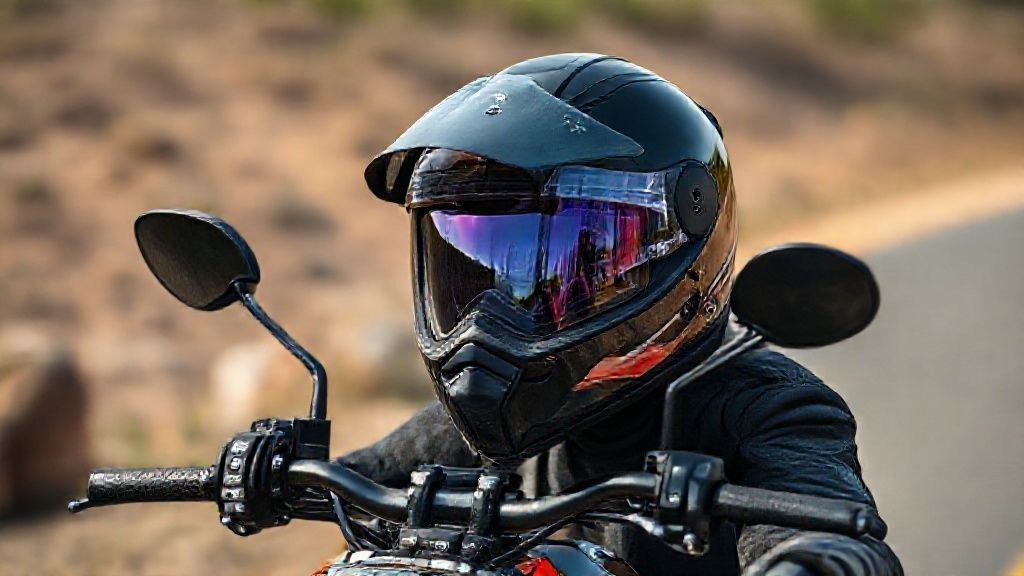
Capturing your motorcycle adventures on camera has become an essential part of the riding experience. Whether you’re documenting scenic routes, recording your track days, or simply wanting evidence for safety purposes, having the right GoPro mount for your helmet is crucial. The wrong mount can result in shaky footage, aerodynamic drag, or worse—a lost camera on the highway.
With countless mounting options flooding the market, choosing the perfect one can be overwhelming. Some mounts excel at providing stable footage but add significant wind resistance, while others are streamlined but may not offer the viewing angle you need. The ideal mount depends on your riding style, helmet type, and the kind of footage you want to capture.
In this comprehensive guide, we’ve evaluated the best GoPro mounts specifically designed for motorcycle helmets. Our selection criteria focused on stability, aerodynamics, ease of installation, durability, versatility, and overall value for money. We’ve tested these mounts across various riding conditions to bring you honest, practical recommendations that will help you make an informed decision.
1. GoPro Helmet Front and Side Mount
The official GoPro Helmet Front and Side Mount remains one of the most popular choices among motorcyclists worldwide. This versatile mounting solution offers the flexibility to position your camera exactly where you need it, making it an excellent starting point for riders new to action camera mounting.
Overview
This mount features a curved adhesive base that conforms to the rounded surface of most motorcycle helmets, providing a secure attachment point. The package includes both flat and curved adhesive mounts, along with a quick-release buckle system that allows you to easily detach your GoPro without removing the base. The three-way adjustability enables you to fine-tune your camera angle for perfect shot composition. The mount uses industrial-strength 3M VHB adhesive that’s designed to withstand high speeds and various weather conditions. It’s compatible with all GoPro models and works equally well on full-face, modular, and half helmets. The low-profile design minimizes wind resistance, though it’s still noticeable at highway speeds. The mount comes with mounting instructions and alcohol prep pads to ensure proper adhesion to your helmet surface.
Pros and Cons
Pros:
- Official GoPro product ensures guaranteed compatibility with all GoPro cameras and accessories
- Strong adhesive provides reliable attachment even at high speeds and in extreme weather conditions
- Quick-release buckle system allows for easy camera removal without tools
- Versatile positioning options work on various helmet types and locations
Cons:
- Creates noticeable wind noise and drag at speeds above 60 mph
- Adhesive is permanent, making repositioning difficult without purchasing new adhesive pads
- Slightly bulky profile may not appeal to riders seeking a minimalist aesthetic
2. Sena Prism Tube WiFi Camera with Helmet Clamp Mount
The Sena Prism Tube represents a different approach to helmet-mounted cameras, combining the camera and mount into an integrated system. This sleek, tube-shaped camera is specifically designed for motorcycle use and comes with a proprietary helmet clamp mount.
Overview
While technically not a GoPro mount, the Sena Prism Tube deserves mention for riders considering alternatives to traditional action cameras. The system includes a low-profile clamp mount that attaches to the helmet’s ventilation slots or edge, eliminating the need for adhesives. The tube design is remarkably aerodynamic, producing minimal wind resistance compared to traditional box-shaped action cameras. It features built-in WiFi for wireless control and video preview through your smartphone. The camera records in 1080p at various frame rates and includes a waterproof housing rated to 1 meter. The mount system allows for 360-degree rotation and easy angle adjustments. Battery life extends to approximately 2.5 hours of continuous recording, and the camera includes built-in Bluetooth connectivity for integration with Sena communication systems. The entire setup weighs significantly less than a GoPro with traditional mounting hardware.
Pros and Cons
Pros:
- Extremely aerodynamic tube design creates minimal wind resistance and noise
- No adhesive required—clamp mount won’t damage your helmet and allows for easy repositioning
- Integrated design eliminates compatibility concerns between camera and mount
- Seamless integration with Sena Bluetooth communication systems for audio recording
Cons:
- Not compatible with GoPro cameras, requiring investment in a separate camera system
- Limited mounting positions compared to adhesive-based systems
- Higher initial cost compared to basic GoPro mounts
3. Telesin Chin Mount for Full-Face Helmets
The Telesin Chin Mount has gained a devoted following among motorcyclists who prefer the unique perspective that chin-mounted cameras provide. This mounting position offers a view that closely mimics what the rider actually sees while minimizing the camera’s presence in the wind stream.
Overview
This innovative mount attaches to the chin bar of full-face helmets using strong adhesive pads specifically contoured for this curved surface area. The chin mounting position provides several advantages, including reduced wind resistance since the camera sits in the helmet’s aerodynamic shadow. The resulting footage captures the road ahead from a natural viewing angle while also showing the motorcycle’s instruments and handlebars in the frame, adding context to your videos. The mount features a multi-angle adjustment system that lets you dial in the perfect upward tilt to compensate for the rider’s head position. It’s constructed from durable ABS plastic with a reinforced mounting bracket to handle vibrations and impacts. The adhesive system uses the same 3M VHB tape found in professional applications, ensuring the camera stays put even during aggressive riding. Installation requires careful positioning to ensure the camera doesn’t interfere with the helmet’s chin vent or your ability to fully close the face shield.
Pros and Cons
Pros:
- Provides the most natural viewing perspective that closely matches the rider’s actual line of sight
- Significantly reduced wind noise and resistance compared to top-mounted cameras
- Captures dashboard and handlebar controls in the frame for added context
- Less noticeable to the rider, reducing neck strain on long rides
Cons:
- Only compatible with full-face helmets that have a suitable chin bar
- Installation requires precise positioning to avoid interference with helmet ventilation
- May capture the rider’s hands or arms in the frame during certain maneuvers
4. SHOOT Rotary Helmet Mount with Safety Tether
The SHOOT Rotary Mount stands out for its emphasis on both functionality and safety. This mount includes a backup safety tether system that provides peace of mind during high-speed riding or off-road adventures where vibrations and impacts are more severe.
Overview
This mount system combines a rotating base plate with a secure locking mechanism and an additional safety tether that prevents your expensive GoPro from becoming road debris if the adhesive fails. The base features a 360-degree rotation capability with positive click stops every 30 degrees, making it easy to switch between landscape and portrait orientations or adjust angles on the fly. The mount uses a dual-layer adhesive system with both permanent and semi-permanent options, allowing you to test positioning before committing to a permanent installation. The safety tether attaches to a separate adhesive point on your helmet and connects to your GoPro’s frame or housing with a durable cord that’s designed to be unobtrusive but strong enough to catch a falling camera. The mount is constructed from aircraft-grade aluminum and reinforced polymer, offering excellent durability without excessive weight. It includes all necessary hardware, multiple adhesive pads for repositioning, and detailed installation instructions with helmet-specific recommendations.
Pros and Cons
Pros:
- Safety tether system provides crucial backup protection for your expensive camera equipment
- 360-degree rotation with positive click stops enables quick angle adjustments without tools
- Dual-layer adhesive system allows for testing before permanent installation
- Premium construction materials ensure long-term durability and reliability
Cons:
- Slightly higher profile than basic mounts increases wind resistance
- Safety tether, while valuable, adds a visible element that some riders may find aesthetically unappealing
- Higher price point compared to basic adhesive mounts
5. Drift Rotating Mount for Streamlined Cameras
The Drift Rotating Mount is engineered specifically for the unique form factor of tube-style action cameras, though it can accommodate GoPros with the right adapter. This mount prioritizes aerodynamics and adjustability for riders who demand the cleanest possible installation.
Overview
This mounting system features a low-profile base that minimizes its footprint on your helmet while providing exceptional adjustability. The mount uses a unique rotating mechanism that allows for 360 degrees of rotation plus 180 degrees of tilt adjustment, giving you virtually unlimited positioning options to capture the perfect angle. The base plate uses a contoured design that follows the natural curve of motorcycle helmets, distributing stress across a wider area for improved adhesion. While designed for Drift cameras, the mount can accommodate GoPros when used with the appropriate adapter plate (sold separately). The construction utilizes high-impact polymer materials that flex slightly to absorb vibrations while maintaining rigidity where needed for stable footage. The adhesive system is pre-applied to the base plate and features a protective backing that’s removed during installation. The mount weighs just 28 grams, making it one of the lightest options available. It includes a hex key for adjusting the rotation tension to your preference—tighter for set-it-and-forget-it stability or looser for quick angle changes.
Pros and Cons
Pros:
- Exceptionally low profile reduces wind resistance and noise to minimal levels
- Extensive adjustability with 360-degree rotation and 180-degree tilt capabilities
- Lightweight construction adds minimal weight to your helmet
- Adjustable tension allows customization of rotation stiffness to match your preferences
Cons:
- Requires separate adapter for GoPro compatibility, adding cost and complexity
- Smaller adhesive base may not provide the same level of security as larger mounts on textured helmet surfaces
- Limited availability compared to more mainstream mounting options
6. VGSION Helmet Strap Mount System
For riders who are hesitant to permanently attach anything to their expensive helmets, the VGSION Helmet Strap Mount offers a completely non-invasive alternative. This strap-based system wraps around your helmet, providing a secure mounting point without adhesives.
Overview
The VGSION mount consists of adjustable elastic straps that wrap around your helmet in a cross pattern, creating a stable platform for your GoPro on the top or side of the helmet. The straps are made from high-quality elastic webbing with silicone grips on the inside to prevent slippage during riding. The mounting plate attaches to the strap intersection point and includes the standard GoPro three-prong mount interface. This system is completely removable and transferable between helmets, making it ideal for riders who own multiple helmets or frequently upgrade. The straps are adjustable to fit virtually any helmet size and shape, from compact half helmets to large modular designs. Installation takes just a few minutes and requires no preparation of the helmet surface. The mount includes additional padding pieces that can be inserted under the straps to level the camera on helmets with complex shapes or ventilation patterns. While not as low-profile as adhesive mounts, the strap system distributes load across the entire helmet structure rather than relying on a single adhesive point, which some riders prefer from a safety perspective.
Pros and Cons
Pros:
- Completely non-permanent installation preserves your helmet’s resale value and appearance
- Easily transferable between multiple helmets without additional purchases
- No surface preparation or adhesive curing time required—install and ride immediately
- Distributes mounting stress across the entire helmet structure rather than a single point
Cons:
- More visible and less streamlined than adhesive mounts, creating additional wind resistance
- Straps may shift slightly over time, requiring periodic adjustment and tightening
- Not suitable for use with certain helmet designs featuring complex ventilation or aerodynamic features
7. Sametop Magnetic Mount System
The Sametop Magnetic Mount represents cutting-edge mounting technology that uses powerful neodymium magnets to secure your GoPro. This innovative approach offers the quick-detach convenience that traditional mounts can’t match while maintaining impressive holding power.
Overview
This mount system consists of two components: an adhesive base plate containing powerful neodymium magnets and a magnetic adapter that attaches to your GoPro. The magnetic connection is strong enough to hold your camera securely at highway speeds while still allowing you to remove the camera with a simple twisting motion. The base plate is thin and aerodynamic, adding minimal bulk to your helmet profile. The magnetic adapter replaces your standard GoPro mounting buckle and maintains compatibility with all standard GoPro accessories. The system includes multiple base plates, allowing you to set up mounting points on different helmets or various positions on the same helmet. The magnets are encased in a weatherproof housing that protects them from moisture and corrosion. The mount provides a small amount of rotational adjustment through the magnetic interface, allowing minor angle corrections without tools. Installation of the base plate follows the same process as traditional adhesive mounts, but once installed, you gain the ability to attach and detach your camera in seconds. The system works with GoPro Hero 5 through Hero 11 models and requires the use of a frame or case that accommodates the magnetic adapter.
Pros and Cons
Pros:
- Lightning-fast camera attachment and removal without fumbling with buckles or screws
- Strong magnetic hold provides security while still allowing intentional removal
- Multiple base plates included enable mounting points on several helmets or positions
- Low-profile design minimizes aerodynamic impact and wind noise
Cons:
- Magnetic system may not inspire confidence for riders concerned about camera security at extreme speeds
- Requires specific GoPro housing or frame for magnetic adapter attachment
- Higher cost compared to traditional mounting systems
8. Foretoo Side Mount with Extension Arm
The Foretoo Side Mount takes a different approach by positioning your camera away from your helmet using an adjustable extension arm. This configuration offers unique filming perspectives and reduces the aerodynamic impact on your head position.
Overview
This mount features a robust adhesive base that attaches to the side of your helmet, coupled with an adjustable extension arm that positions the camera 3-5 inches away from the helmet surface. The extension arm is constructed from reinforced aluminum with multiple articulation points, allowing you to position your camera at virtually any angle relative to your helmet. This side-offset positioning provides several advantages: it captures a wider field of view that includes more of your motorcycle and surroundings, reduces the camera’s impact on helmet aerodynamics by positioning it in a less critical airflow zone, and creates a unique third-person perspective that many viewers find more engaging than standard helmet-cam footage. The arm includes vibration-dampening joints that reduce the high-frequency vibrations common with rigid mounts. The base plate is larger than standard mounts to provide additional stability given the extended lever arm created by the offset camera position. The mount folds flat against the helmet when not in use, though it remains somewhat prominent. All adjustment points use tool-free thumb screws for easy angle changes, though most riders set their preferred position and leave it. The system is compatible with all GoPro models and includes a safety lanyard attachment point.
Pros and Cons
Pros:
- Extension arm creates unique filming angles and third-person perspectives impossible with direct mounts
- Positions camera away from critical aerodynamic zones, reducing impact on helmet stability
- Vibration-dampening joints produce smoother footage than rigid mounting systems
- Highly adjustable with multiple articulation points for precise camera positioning
Cons:
- Extended profile creates significant wind resistance and may cause neck fatigue on long rides
- More complex installation and adjustment compared to simple adhesive mounts
- Higher weight due to extension arm adds noticeable mass to one side of helmet
9. Motorcycle Helmet Chin Mount Bracket by iSportgo
The iSportgo Chin Mount Bracket offers another take on chin mounting with an emphasis on adjustability and compatibility across different helmet brands and styles. This mount is engineered specifically for motorcycle use, with features that address common issues riders face.
Overview
This specialized chin mount uses a multi-piece design that conforms to the varying chin bar shapes found across different helmet manufacturers. The mount consists of a flexible base section that curves to match your helmet’s chin bar profile, a reinforced center mounting plate, and an adjustable camera platform. The installation process involves carefully cleaning the chin bar surface, then applying the flexible base pieces that create a level mounting surface even on curved or irregular chin bars. The adhesive system uses an industrial-strength bonding agent that’s specifically formulated to handle the unique stress patterns of chin mounting, where the camera experiences both forward wind pressure and upward lifting forces. The camera platform includes 30 degrees of adjustment range to compensate for different helmet designs and rider head positions. The mount is designed to position the camera as close to the chin bar as possible, minimizing aerodynamic disruption while still providing clearance for the face shield to open and close freely. It includes detailed templates for popular helmet models to simplify the installation process. The construction uses a combination of rigid ABS plastic for structural areas and flexible TPU for conforming sections, creating a mount that’s both strong and adaptable.
Pros and Cons
Pros:
- Flexible design adapts to various helmet chin bar shapes and sizes
- Positions camera optimally for natural viewing perspective with minimal wind resistance
- Includes helmet-specific templates that simplify installation and positioning
- Engineered specifically for motorcycle use with appropriate adhesive and stress management
Cons:
- More complex installation process compared to simple top-mount systems
- Requires precise positioning to avoid interference with face shield operation
- Limited to full-face helmets with suitable chin bar designs
Conclusion
Selecting the best GoPro mount for your motorcycle helmet ultimately depends on your specific needs, riding style, and priorities. If you value simplicity and reliability, the official GoPro Helmet Front and Side Mount remains an excellent choice that works in virtually any situation. For riders seeking minimal aerodynamic impact, chin mounts like the Telesin or iSportgo options provide superior wind performance and natural viewing angles. Those who prefer non-permanent solutions will appreciate the flexibility of the VGSION strap system or the Sametop magnetic mount.
Remember that regardless of which mount you choose, proper installation is critical for both safety and performance. Always follow manufacturer instructions carefully, ensure your helmet surface is thoroughly cleaned before applying adhesive mounts, and consider using a safety tether as backup protection for your expensive camera equipment. Take time to test your setup at lower speeds before heading out on extended rides or high-speed runs.
The right mount transforms your GoPro from a simple camera into a powerful tool for documenting your motorcycle adventures, improving your riding through video analysis, and sharing your passion with others. By considering factors like aerodynamics, mounting position, ease of use, and footage quality, you can select a mount that perfectly suits your needs and enhances your overall riding experience. Whichever option you choose from this list, you’ll be well-equipped to capture stunning footage of your two-wheeled journeys.
FAQs
Will mounting a GoPro on my helmet affect its safety rating?
Technically, any modification to a helmet, including adding a camera mount, can void its safety certification. However, the actual safety impact of a properly installed camera mount is debatable. Adhesive mounts add minimal weight and are designed to break away under significant impact rather than transferring force to your head. Some safety experts argue that the benefits of having video evidence in case of an accident outweigh the theoretical risks. If you’re concerned, consider using a strap-based mount that doesn’t permanently modify the helmet, or check with your helmet manufacturer about their policy on camera mounts.
How do I prevent wind noise when recording with a helmet-mounted GoPro?
Wind noise is one of the biggest challenges with helmet-mounted cameras. To minimize it, position your camera in a location that’s sheltered from direct wind flow—chin mounts typically perform better than top mounts in this regard. Use your GoPro’s foam wind filter or invest in aftermarket wind noise reduction solutions. Some riders have success with strategically placed tape to redirect airflow away from the microphone. For the best audio, consider using an external microphone system that can be positioned inside your helmet or connected to a Bluetooth communication system that records audio separately from the camera.
Can I use these mounts with action cameras other than GoPro?
Most mounts designed for GoPro cameras use the standard three-prong mounting interface that has become an industry standard. Many other action camera brands, including DJI, Akaso, and Campark, either use this same mounting system or include adapters that make them compatible with GoPro mounts. However, some brands like Sony and Garmin use proprietary mounting systems that require specific adapters. Always check your camera’s mounting compatibility before purchasing a helmet mount, and be aware that camera weight and dimensions vary between brands, which can affect mount performance and stability.
How often should I replace the adhesive on my helmet mount?
The adhesive on quality helmet mounts is designed to be permanent and should last the lifetime of your helmet under normal conditions. However, exposure to extreme temperatures, UV radiation, cleaning chemicals, and physical stress can degrade adhesive over time. Inspect your mount regularly for signs of lifting or weakening adhesion. If you notice any separation or if the mount feels less secure, it’s time to replace it. Most manufacturers sell replacement adhesive pads separately. As a general rule, if your helmet is more than 3-5 years old and the mount has been in place the entire time, consider replacing the adhesive as preventive maintenance, especially before long trips or track days.
What’s the best mounting position for capturing the most engaging motorcycle footage?
The “best” position depends on your goals, but chin mounts generally produce the most engaging footage for motorcycle videos. They provide a natural viewing angle that closely matches what the rider sees, include the motorcycle’s instruments and controls in the frame for context, and minimize the sky in the shot while maximizing road and scenery. Side mounts offer a unique perspective that shows more of the motorcycle and rider, creating a third-person effect that many viewers find compelling. Top mounts work well for capturing the overall environment and are excellent for touring videos where you want to showcase scenery. Many professional motorcycle videographers use multiple cameras in different positions and edit between angles for the most dynamic results.