Riding a motorcycle in the Philippines comes with unique challenges—from tropical heat and sudden rain showers to heavy traffic and varying road conditions. Your helmet is your most critical piece of safety equipment, and choosing the right one can literally save your life.
With the Philippine government enforcing stricter helmet standards and more riders taking to the roads daily, finding a helmet that balances safety, comfort, and value has never been more important.
For a complete guide on safety standards and fitment, check out our Ultimate Guide to Motorcycle Helmets.
This comprehensive guide examines the best motorcycle helmets available in the Philippine market today. We’ve evaluated helmets across different price points, styles, and features to help you make an informed decision.
Our selection criteria include safety certifications (particularly DOT, ECE, or DTI approval), ventilation systems suitable for tropical climates, build quality, comfort for extended wear, and overall value for money.
Whether you’re a daily commuter navigating Metro Manila traffic or a weekend rider exploring provincial highways, this list will help you find the perfect helmet for your needs.
1. AGV K3 SV
The AGV K3 SV represents Italian engineering excellence at a mid-range price point, making it one of the most sought-after helmets among Filipino riders who prioritize both safety and style.
This full-face helmet brings MotoGP-inspired technology to everyday riders, offering exceptional protection without breaking the bank.
Overview
The AGV K3 SV features a thermoplastic resin shell construction that meets multiple international safety standards including DOT and ECE 22.05 certification.
Its aerodynamic design was developed in MotoGP wind tunnels, reducing wind noise and buffeting at highway speeds.
The helmet incorporates an integrated ventilation system with multiple intake and exhaust vents that work efficiently even in Philippine heat.
The interior features a removable and washable liner made from moisture-wicking fabric, essential for tropical riding conditions.
The optically correct visor provides a wide field of vision and comes with a Pinlock vs. Anti-Fog Sprays ready system (insert often included) to prevent fogging during the rainy season.
Key Features
- HIR-TH Shell: High Resistance Thermoplastic Resin.
- Integrated Sun Visor: Easy operation for sunny days.
- IVS Ventilation: 5 front vents, 2 rear extractors.
- Dry-Comfort Fabric: Removable and washable interior.
Pros and Cons
Pros:
- Excellent ventilation system that performs well in hot, humid Philippine weather.
- Multiple international safety certifications providing peace of mind.
- Wide variety of graphics and designs to suit different aesthetic preferences.
- Pinlock-ready visor system effectively prevents fogging during sudden rain.
Cons:
- Mid-range pricing may be steep for budget-conscious riders.
- Sizing runs slightly small compared to other brands, requiring careful fitting.
- Replacement parts and visors can be expensive and sometimes hard to source locally.
Pricing The AGV K3 SV typically retails between ₱13,000 and ₱16,000.
Best For Style-conscious commuters who want Rossi-inspired looks and reliable ventilation.
2. Shoei J-Cruise II
The Shoei J-Cruise II is a premium open-face helmet that perfectly balances the convenience of a jet-style helmet with enhanced safety features. This Japanese-engineered helmet has gained popularity among Filipino riders who prefer the open-face experience without compromising too much on protection.
Overview
Shoei’s J-Cruise II utilizes an advanced AIM shell (Advanced Integrated Matrix) constructed from multiple layers of fiberglass and organic fibers, creating a lightweight yet incredibly strong protective shell.
The helmet features an internal drop-down sun visor—a particularly useful feature for Philippine riding where you frequently transition between bright sunlight and shaded areas.
The main shield is a QR-E base plate system that allows for tool-free removal. The ventilation system includes four intake vents and two exhaust vents strategically positioned for maximum airflow.
The interior is fully removable and washable, featuring 3D Max-Dry System II lining. It is also prepared for Sena SRL communication systems.
Key Features
- AIM Shell: Premium multi-ply matrix.
- QSV-2 Sun Shield: Lengthened internal visor.
- CJ-2 Face Shield: Distortion-free clarity.
- Micro-Ratchet System: Stainless steel interlocking mechanism.
Pros and Cons
Pros:
- Exceptional build quality and premium materials justify the investment.
- Internal sun visor eliminates the need to carry separate sunglasses.
- Superior comfort for all-day wear with excellent weight distribution.
- Communication system-ready for riders who use Bluetooth devices.
Cons:
- Premium pricing places it beyond many riders’ budgets.
- Open-face design provides less protection than full-face alternatives.
- Limited availability in the Philippines requires ordering from authorized dealers.
Pricing The Shoei J-Cruise II retails for approximately ₱28,000 to ₱35,000.
Best For Touring riders who prioritize premium comfort and open-air freedom.
3. HJC RPHA 11 Pro
The HJC RPHA 11 Pro brings race-track technology to street riders at a competitive price point. This Korean manufacturer has established itself as a leader in producing high-quality helmets that don’t command premium European prices, making it extremely popular in the Philippine market.
Overview
The RPHA 11 Pro features HJC’s Premium Integrated Matrix (P.I.M.) shell construction, combining carbon fiber, aramid, and fiberglass for an optimal strength-to-weight ratio. The result is a remarkably light helmet weighing just 1,400 grams.
Its aerodynamic shell design was refined through extensive wind tunnel testing. The advanced channeling ventilation system features adjustable chin and top vents that channel air through the EPS liner.
It is often cited as the best full-face motorcycle helmet for the money in the premium segment. Emergency quick-release cheek pads allow medical personnel to safely remove the helmet if needed.
Key Features
- P.I.M. Plus Shell: Carbon fiber and hybrid fiberglass.
- RapidFire Shield: Quick, tool-less replacement.
- ACS Ventilation: Front-to-back airflow.
- Emergency Kit: Safe cheek pad removal.
Pros and Cons
Pros:
- Lightweight construction reduces neck fatigue during long rides.
- Excellent price-to-performance ratio compared to European brands.
- Superior aerodynamics minimize wind noise and buffeting.
- Emergency release system adds an extra layer of safety consideration.
Cons:
- Intermediate oval head shape may not fit all Filipino riders comfortably.
- Some users report that the visor mechanism can become stiff over time.
- Limited service centers in the Philippines for warranty claims.
Pricing The HJC RPHA 11 Pro typically retails between ₱20,000 and ₱26,000.
Best For Track day enthusiasts and sport riders seeking lightweight performance.
4. LS2 FF320 Stream Evo
The LS2 FF320 Stream Evo represents exceptional value in the entry to mid-range segment, offering features typically found in more expensive helmets. This Spanish brand has gained significant traction in the Philippines for delivering quality safety equipment at accessible prices.
Overview
The FF320 Stream Evo features a High Performance Fiberglass Composite (HPFC) shell (Note: Some Stream models are HPTT thermoplastic; ensure you check the specific spec available locally, though the “Evo” usually implies an upgrade). It meets ECE 22.05 safety standards and carries DTI approval for the Philippine market.
The helmet’s ventilation system includes a large front air intake, two brow vents, and a rear exhaust vent. The interior uses hypoallergenic, removable, and washable padding. The optically correct class-A visor is scratch-resistant and Pinlock-ready. LS2 also includes a breath deflector and chin curtain to minimize fogging.
Key Features
- HPTT Shell: High Pressure Thermoplastic Technology.
- Twin Shield System: Integrated sun visor.
- Quick Release Strap: Reinforced chin strap.
- Magna-Tech Liner: Secure neck roll hold.
Pros and Cons
Pros:
- Outstanding value for money with features exceeding its price point.
- Wide availability across the Philippines with good dealer network.
- Effective ventilation system handles tropical heat admirably.
- Affordable replacement parts and accessories readily available locally.
Cons:
- Build quality, while good, doesn’t match premium brands.
- Some users find the padding breaks down faster with heavy use.
- Graphics and paint quality may fade with prolonged sun exposure.
Pricing The LS2 FF320 Stream Evo retails for approximately ₱4,000 to ₱5,500.
Best For Daily commuters looking for a solid workhorse helmet on a budget.
5. Arai XD4
The Arai XD4 is a dual-sport helmet that excels in versatility, making it ideal for Filipino riders who encounter both urban streets and off-road conditions. Arai’s legendary commitment to safety and quality shines through in this adventure-ready design.
Overview
The XD4 utilizes Arai’s proprietary Peripherally Belted Complex Laminate Construction (PB-cLc), creating an incredibly strong yet smooth outer shell designed to glance off impacts rather than catching on surfaces. See our guide on helmet safety ratings explained to understand why this matters.
This dual-sport helmet features a distinctive peaked visor that provides sun protection while maintaining aerodynamic efficiency. The ventilation system is exceptional, with large intake vents and multiple exhaust ports. The interior features Arai’s 5mm peel-away cheek pads for a custom fit.
Key Features
- PB-cLc Shell: Super fiber laminate strength.
- FCS Cheek Pads: Facial Contour System.
- High-Flow Peak: Channels air into vents.
- Dry-Cool Interior: Moisture management.
Pros and Cons
Pros:
- Exceptional versatility for riders who tackle varied terrain.
- Superior ventilation system ideal for Philippine climate.
- Legendary Arai build quality and safety engineering.
- Peak visor provides excellent sun protection without sunglasses.
Cons:
- Premium pricing makes it one of the most expensive options.
- Heavier weight can cause fatigue during very long rides.
- Peak can catch wind at highway speeds, requiring adjustment period.
Pricing The Arai XD4 retails between ₱35,000 and ₱45,000.
Best For Serious adventure riders traversing the Philippine archipelago.
6. Scorpion EXO-R1 Air
The Scorpion EXO-R1 Air brings race-replica performance to the street at a surprisingly accessible price. This helmet has found favor among Filipino sportbike riders and track day enthusiasts who demand high performance without ultra-premium pricing.
Overview
The EXO-R1 Air features a TCT (Thermodynamic Composite Technology) shell construction that combines aerospace composite fibers with a multi-density EPS liner. The helmet’s aerodynamic profile was developed through actual racing experience.
Its advanced AirFit pump system allows riders to customize cheek pad pressure for a personalized fit—particularly useful given the varying head shapes of Filipino riders. The ventilation system features large, easily adjustable front vents. It is a great option for those interested in the best lightweight carbon fiber helmet categories (check for the Carbon variant locally).
Key Features
- Ultra-TCT Shell: Proprietary 5-layer blend.
- AirFit System: Inflatable cheek pads.
- Ellip-Tec II: Quick-change shield mechanism.
- KwikWick III: Antimicrobial interior.
Pros and Cons
Pros:
- Race-level performance and features at mid-range pricing.
- AirFit system allows customization for different head shapes.
- Excellent aerodynamics reduce rider fatigue at speed.
- Wide field of vision beneficial for aggressive riding and traffic awareness.
Cons:
- Aggressive fit may feel tight for riders preferring relaxed comfort.
- Limited availability requires purchasing from specialized dealers.
- Sport-focused design may be excessive for casual commuters.
Pricing The Scorpion EXO-R1 Air retails for around ₱20,000 to ₱25,000.
Best For
Riders who need a custom fit (AirFit) for high-speed stability.
7. Bell Qualifier DLX MIPS
The Bell Qualifier DLX MIPS incorporates cutting-edge MIPS (Multi-directional Impact Protection System) technology at a mid-range price point, making advanced safety features accessible to more riders.
Overview
The Qualifier DLX features a lightweight polycarbonate shell combined with MIPS technology—a low-friction liner that allows the helmet to rotate slightly during angled impacts. The helmet includes an integrated Transitions adaptive shield that automatically darkens in sunlight and clears in low light.
The ventilation system features velocity flow ventilation with channeled EPS. The contoured cheek pads are designed to accommodate eyeglasses comfortably. Bell’s Click Release shield system allows for tool-free visor changes in seconds.
Key Features
- MIPS Technology: Rotational impact management.
- Transitions Shield: Photochromic adaptive visor.
- Velocity Flow Ventilation: Adjustable cooling.
- Integrated Speaker Pockets: Ready for comms.
Pros and Cons
Pros:
- MIPS technology provides enhanced protection against rotational impacts.
- Transitions shield eliminates need for multiple visors.
- Excellent dealer network and customer support in the Philippines.
- Eyeglass-friendly design accommodates riders who wear prescription glasses.
Cons:
- Polycarbonate shell less premium than composite alternatives.
- Slightly heavier than comparable helmets in its class.
- Transitions shield replacement is expensive if damaged.
Pricing The Bell Qualifier DLX MIPS typically retails between ₱14,000 and ₱16,000.
Best For
Safety-conscious riders who want adaptive vision technology included.
8. Shark Spartan GT Carbon
The Shark Spartan GT Carbon represents French engineering excellence with a focus on sport-touring capabilities. This helmet has gained popularity among Filipino riders who frequently take long-distance trips and value both performance and comfort.
Overview
The Spartan GT Carbon features a carbon fiber shell construction that achieves an impressive weight of just 1,350 grams. The helmet incorporates Shark’s Autoseal system—a self-adjusting visor mechanism that automatically creates a tight seal at higher speeds to reduce wind noise.
The helmet comes with both a clear visor and an internal drop-down sun visor. The interior padding is hypoallergenic, removable, and machine washable, using bamboo-based fabric. The helmet is prepared for Sharktooth communication system integration.
Key Features
- Carbon Skin: Lightweight shell layers.
- Shark Skin: Side mechanism reduces wind noise.
- Auto-Seal Visor: Better soundproofing.
- Easy Fit System: Glasses channels.
Pros and Cons
Pros:
- Lightweight carbon construction reduces neck fatigue significantly.
- Autoseal visor system effectively reduces wind noise at speed.
- Internal sun visor provides convenience for varied lighting conditions.
- Premium materials and construction justify the investment.
Cons:
- Higher price point limits accessibility for many riders.
- Limited dealer network in the Philippines affects availability.
- Replacement parts can be expensive and require ordering.
Pricing The Shark Spartan GT Carbon retails for approximately ₱24,000 to ₱28,000.
Best For
Sport-touring riders who want a quiet, lightweight carbon helmet.
9. Index Helmet I-906
The Index I-906 represents the best of Filipino-designed (or locally adapted) helmets, offering excellent value and features specifically tailored for local riding conditions. This brand has earned respect by understanding exactly what Filipino riders need.
Overview
The Index I-906 features a thermoplastic shell construction that meets DTI safety standards for the Philippine market. While it may not carry international certifications, it’s designed and tested specifically for local conditions. The helmet incorporates a well-designed ventilation system with multiple intake and exhaust vents positioned to maximize airflow in tropical heat.
The interior uses moisture-wicking fabric that’s removable and washable. The visor is optically correct and includes a quick-release mechanism. What sets Index apart is their extensive dealer network across the Philippines, making warranty service and replacement parts easily accessible.
Key Features
- Thermoplastic Shell: Durable and affordable.
- High-Flow Vents: Optimized for tropical heat.
- Washable Liner: Essential for daily commuting.
- DTI Approved: Meets local regulations.
Pros and Cons
Pros:
- Excellent value proposition with features matching more expensive imports.
- Extensive dealer network throughout the Philippines ensures easy service.
- Designed specifically for Filipino head shapes and local climate.
- Strong local customer support and readily available replacement parts.
Cons:
- Lacks international safety certifications (DOT, ECE, Snell).
- Build quality and materials not quite at international brand levels.
- Resale value lower compared to established international brands.
Pricing The Index I-906 retails for approximately ₱1,500 to ₱2,500.
Best For
Budget riders who need immediate, accessible, DTI-compliant protection.
Important Buying Guide for the Philippines
1. Look for the “ICC” and “PS” Mark
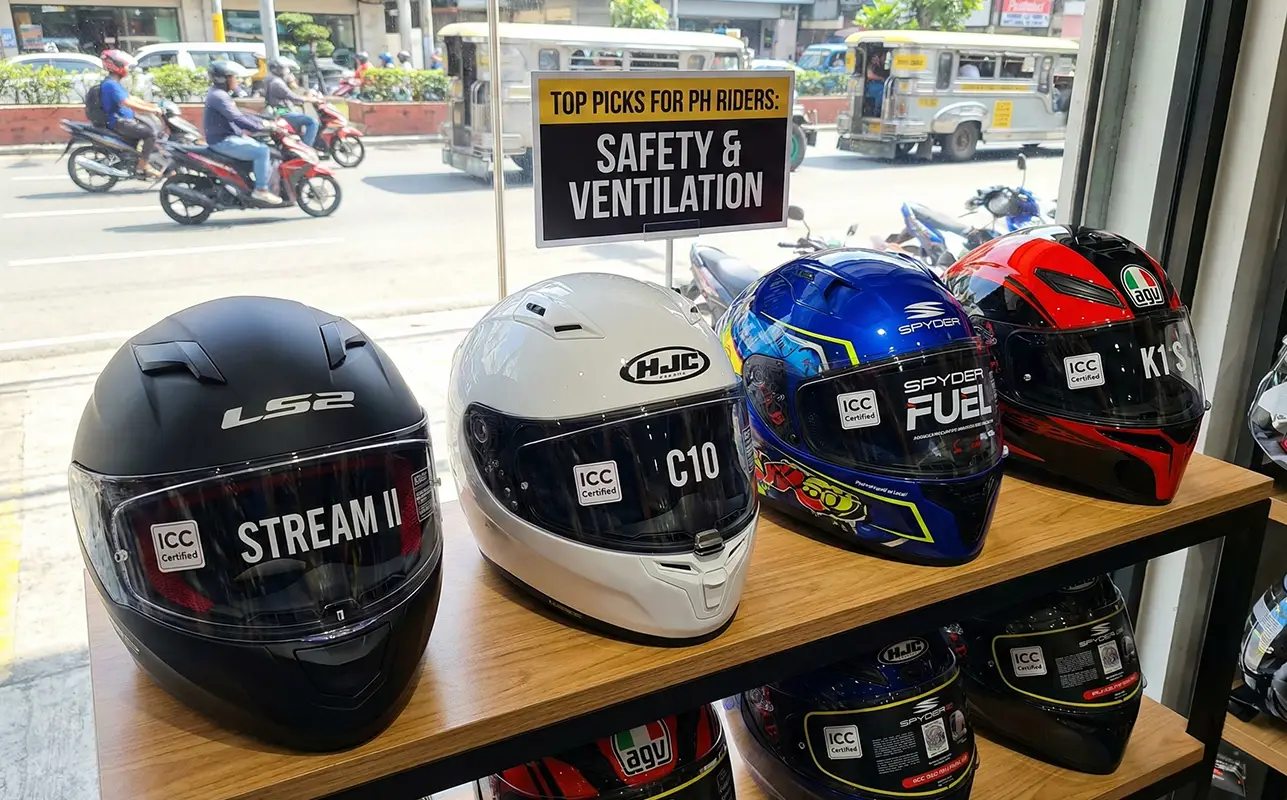
In the Philippines, it is legally required for helmets to have the ICC sticker (Import Commodity Clearance) or PS mark (Philippine Standard). Riders are frequently flagged at checkpoints for not having this.
- Tip: Buying from reputable shops (Motoworld, MotoMarket) ensures you get a legitimate ICC sticker. Online “gray market” imports might be cheaper but won’t have the sticker, risking a penalty.
2. Ventilation is King
Riding in Metro Manila traffic or long provincial rides requires airflow.
- Look for helmets with large top vents and exhaust ports at the back.
- Avoid: “Vintage” style helmets with no vents (unless for short cafe racer rides) or cheap knock-offs with fake vents that don’t actually open.
3. The “Local” vs. “International” Brand Debate
- International Brands (HJC, LS2, AGV, Shoei, etc.): rigorous testing (ECE, Snell) and global quality control. Recommended for expressway and high-speed riding.
- Local/Rebranded Brands (EVO, Gille, SEC): Very popular due to marketing and designs. While many have ICC/DOT stickers, safety purists often recommend international brands (like LS2/HJC) because they are subjected to stricter independent global testing for roughly the same price.
4. Where to Buy (Legit Sources)
Avoid buying helmets on random FB Marketplace listings to prevent getting fakes.
- Motoworld / MotoMarket / MotoStyle: The largest distributor. Carries LS2, Shoei, AGV, GIVI, RJAYS, SMK.
- Triumph JT: Distributor for HJC.
- Spyder Physical Stores: Found in most SM Malls.
- Official Lazada/Shopee Malls: Ensure it is the “Flagship Store” of the brand.
Conclusion
Choosing the best motorcycle helmet in the Philippines requires balancing safety, comfort, features, and budget.
While premium options like the Arai XD4 and Shoei J-Cruise II offer exceptional quality, mid-range choices like the HJC RPHA 11 Pro and LS2 FF320 provide excellent value.
For riders on tighter budgets, local favorites like Index prove that protection is accessible.
Remember that the best helmet is ultimately the one that fits your head properly.
Always try helmets in person when possible. Invest in the best helmet you can afford, as it’s the single most important piece of safety equipment you’ll own.
Frequently Asked Questions
What safety certifications should I look for when buying a helmet in the Philippines?
Look for helmets with DOT, ECE 22.05/22.06, or Snell certifications. In the Philippines, helmets must carry the ICC (Import Commodity Clearance) sticker or PS (Philippine Standard) mark from DTI to be legal on the road. International certifications provide additional assurance of rigorous testing.
How often should I replace my motorcycle helmet?
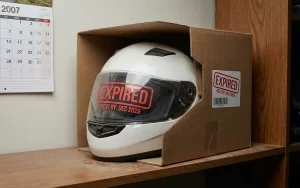
Replace your helmet every 5 years under normal use, as materials degrade from UV exposure, sweat, and wear. Replace it immediately after any significant impact. For more signs on when to toss it, read when to replace your motorcycle helmet.
What’s the difference between full-face, modular, and open-face helmets?
Full-face helmets offer the most protection, covering the entire head and chin. Modular helmets feature a flip-up chin bar for convenience. Open-face helmets cover the top and sides but leave the face exposed, offering better airflow but less protection.
How can I prevent my helmet visor from fogging during the rainy season?
Install a Pinlock insert if your helmet is compatible—this creates a dual-pane barrier against fog. Use anti-fog sprays if Pinlock isn’t an option. Ensure your breath deflector is installed to direct breath away from the visor.
Is it worth buying an expensive helmet, or are budget options sufficient?
Expensive helmets typically offer superior materials, better comfort, lighter weight, and advanced safety features. However, a properly fitting budget helmet with proper certifications (DTI/ECE/DOT) is infinitely better than an expensive helmet that doesn’t fit.