When it comes to self-defense training, protection is paramount. Whether you’re practicing Krav Maga, MMA sparring, or tactical combat scenarios, having the right head protection can mean the difference between productive training and serious injury.
Motorcycle helmets offer a unique advantage in self-defense practice—they’re designed to withstand high-impact collisions and provide full-head coverage that traditional martial arts headgear simply can’t match.
For a comprehensive look at how helmet safety standards translate to real-world impacts, check out our Ultimate Guide to Motorcycle Helmets.
In this comprehensive guide, we’ll explore the best motorcycle helmets specifically suited for self-defense practice. We’ve evaluated dozens of helmets based on critical factors including impact absorption, visibility, weight distribution, and mobility.
Our selection criteria focused on helmets that balance maximum protection with the flexibility needed for dynamic combat training.
1. Shoei RF-1400
The Shoei RF-1400 represents the pinnacle of Japanese engineering and has become a favorite among self-defense practitioners who demand both premium protection and exceptional comfort. Its advanced shell construction and superior ventilation system make it ideal for high-intensity combat drills.
Overview
The RF-1400 features a multi-ply matrix AIM+ shell construction that provides outstanding impact resistance while maintaining a relatively lightweight profile. Weighing approximately 3.7 pounds, this helmet incorporates an advanced ventilation system with multiple intake and exhaust ports that keep you cool during intense sparring sessions.
The emergency quick-release cheek pads are particularly valuable for self-defense training, allowing instructors or training partners to safely remove the helmet if needed. The 3D Max-Dry interior lining wicks away moisture effectively. It meets SNELL safety certifications, which you can read more about in our helmet safety ratings explained guide.
Key Features
- AIM+ Shell: Rigid, elastic, and lightweight.
- Emergency Quick Release System (E.Q.R.S.): Essential for safety drills.
- 3D Max-Dry System II: Moisture-wicking liner.
- Wide Eye Port: Enhanced peripheral vision.
Pros and Cons
Pros:
- Exceptional impact protection with SNELL certification, providing confidence during full-contact drills.
- Superior ventilation system prevents overheating during extended training sessions.
- Lightweight construction reduces neck fatigue during prolonged practice.
- Wide field of vision allows for better awareness of multiple opponents.
Cons:
- Premium price point may be prohibitive for casual practitioners or beginners.
- Full-face design can limit verbal communication during partner drills.
- May feel restrictive for ground-fighting techniques requiring maximum head mobility.
Pricing The Shoei RF-1400 retails between $500 and $600.
Best For Instructors and serious practitioners demanding premium impact protection.
2. Bell Qualifier DLX MIPS
The Bell Qualifier DLX MIPS brings cutting-edge brain protection technology to self-defense training at a mid-range price point. The integrated MIPS (Multi-directional Impact Protection System) makes this helmet particularly valuable for training scenarios involving rotational forces and takedowns.
Overview
This helmet features Bell’s proprietary what is MIPS in motorcycle helmets technology, which adds a low-friction layer that allows the helmet to rotate slightly upon impact, reducing rotational forces transmitted to the brain.
The polycarbonate shell is impact-resistant and comes in multiple sizes for optimal fit. The Velocity Flow ventilation system includes adjustable vents that can be modified based on training intensity. The Contour cheek pad system provides a secure, comfortable fit that won’t shift during rapid head movements.
Key Features
- MIPS Equipped: Rotational impact management.
- Polycarbonate Shell: Durable and cost-effective.
- Velocity Flow Ventilation: FlowAdjust system.
- Contoured Cheek Pads: Secure fit during movement.
Pros and Cons
Pros:
- MIPS technology provides enhanced protection against rotational brain injuries common in combat sports.
- Excellent value proposition with premium features at a moderate price.
- Adjustable ventilation allows customization for different training intensities.
- Removable, washable liner maintains hygiene during frequent use.
Cons:
- Slightly heavier than premium alternatives, which may increase neck strain.
- Polycarbonate shell, while durable, isn’t as impact-resistant as composite materials.
- Some users report the fit runs slightly large, requiring careful sizing.
Pricing The Bell Qualifier DLX MIPS retails around $280.
Best For Training involving rotational forces, throws, and takedowns.
3. AGV K6
Italian manufacturer AGV brings racing pedigree to self-defense training with the K6, a helmet that prioritizes agility and rapid head movement without compromising protection. This helmet is particularly popular among practitioners who focus on striking arts and need maximum mobility.
Overview
The AGV K6 utilizes a carbon-aramid-fiberglass shell construction that achieves an impressive weight of just 3.3 pounds. It is one of the best lightweight carbon fiber helmets (composite) available, which significantly decreases neck fatigue during extended training sessions.
The helmet includes five front vents and two rear extractors for excellent airflow. The 190-degree horizontal field of view is among the best in class, providing superior peripheral vision for tracking multiple training partners. The Ritmo fabric interior is highly breathable and removable for cleaning.
Key Features
- Carbon-Aramid Shell: Ultra-lightweight protection.
- Collarbone Safe Profile: Reduces injury risk during grappling.
- Ultravision Visor: 190° horizontal field of view.
- Ritmo Fabric: Sweat-wicking interior.
Pros and Cons
Pros:
- Exceptionally lightweight design reduces neck fatigue and allows faster head movements.
- Superior peripheral vision helps maintain awareness during multi-opponent scenarios.
- Premium composite shell provides excellent impact protection.
- Sleek design minimizes grab points.
Cons:
- Higher price point reflects the premium materials and construction.
- Racing-oriented design may include features unnecessary for self-defense training.
- Tighter fit may feel restrictive to some users during intense exertion.
Pricing The AGV K6 retails between $500 and $600.
Best For Striking arts requiring maximum agility and head movement.
4. HJC RPHA 11 Pro
The HJC RPHA 11 Pro offers professional-grade protection with features specifically beneficial for self-defense training, including advanced shell construction and an innovative ventilation system.
Overview
HJC’s Premium Integrated Matrix Plus (PIM+) shell combines carbon fiber, aramid, and fiberglass to create a lightweight yet incredibly strong structure. We often cite this as the best full-face motorcycle helmet for the money in the premium category due to its value-to-performance ratio.
It features an advanced channeling ventilation system with multiple adjustable vents that can be operated even while wearing gloves. The moisture-wicking interior includes antibacterial fabric, crucial for maintaining hygiene during regular training. The helmet includes emergency release cheek pads for safety.
Key Features
- PIM+ Shell: Carbon/Glass hybrid.
- MultiCool Interior: Antibacterial and fast-drying.
- ACS Ventilation: Front-to-back airflow.
- Emergency Kit: Safe cheek pad removal.
Pros and Cons
Pros:
- Excellent protection-to-price ratio makes it accessible for serious practitioners.
- Advanced ventilation system keeps you cool during intense training sessions.
- Antibacterial interior helps prevent odor and bacterial growth with frequent use.
- Multiple shell sizes ensure proper fit across different head sizes.
Cons:
- Some users report the interior padding compresses over time, affecting fit.
- Not as refined as premium European or Japanese alternatives.
- Replacement parts and accessories may be harder to source than major brands.
Pricing The HJC RPHA 11 Pro retails between $400 and $500.
Best For Practitioners looking for high-performance protection on a budget.
5. Arai Corsair-X
Arai’s Corsair-X represents the gold standard in helmet safety and has earned a devoted following among serious self-defense practitioners who prioritize protection above all else. This helmet’s round shell design and hand-assembled construction reflect Arai’s uncompromising approach.
Overview
The Corsair-X features Arai’s signature smooth, round shell design that’s engineered to glance off impacts rather than catch and rotate. This “glancing off” philosophy makes it ideal for managing unpredictable impacts in combat scenarios.
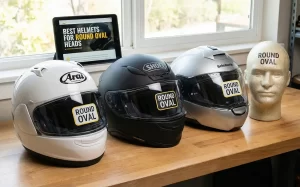
The complex laminate construction (CLC) shell uses multiple layers of different fiber types. The fully removable, washable interior uses moisture-wicking materials and includes facial contour pads for a custom fit. It is a top choice for those with a round head shape.
Key Features
- PB-SNC2 Shell: Super fiber laminate.
- Glancing Off Shape: Deflects impact energy.
- Eco-Pure Liner: Antimicrobial comfort.
- VAS Shield Mechanism: Variable Axis System.
Pros and Cons
Pros:
- Industry-leading safety standards with a focus on real-world impact protection.
- Round shell design optimizes glancing impact performance.
- Exceptional build quality ensures long-term durability and reliability.
- Customizable fit system allows for personalized comfort.
Cons:
- Premium pricing reflects the hand-assembly and quality materials.
- Arai’s round shell design may not fit all head shapes equally well.
- Conservative styling may not appeal to those seeking modern aesthetics.
Pricing The Arai Corsair-X retails between $850 and $1,050.
Best For Maximum safety and impact absorption for high-intensity training.
6. Scorpion EXO-R1 Air
The Scorpion EXO-R1 Air brings race-proven technology to self-defense training with an emphasis on ventilation and visibility. This helmet has gained popularity among practitioners who train in warmer climates.
Overview
The EXO-R1 Air features a TCT (Twin Shell Technology) construction. The standout feature for training is the AirFit inflation system, which allows for on-the-fly fit adjustments—particularly useful as facial swelling can occur during intense sparring. This acts as an adjustable motorcycle helmet fitment guide built right into the helmet.
The Kwikwick III anti-microbial fabric liner wicks moisture effectively and resists bacterial growth. The face shield offers a wide field of view.
Key Features
- AirFit System: Inflatable cheek pads.
- Ultra-TCT Shell: Proprietary 5-layer blend.
- KwikWick III: Antimicrobial liner.
- Ellip-Tec II: Secure shield mechanism.
Pros and Cons
Pros:
- Exceptional ventilation system ideal for high-intensity training in warm environments.
- AirFit inflation system allows fit adjustments during training sessions.
- Competitive pricing makes advanced features accessible to more practitioners.
- Anti-microbial liner helps maintain hygiene with regular use.
Cons:
- Aggressive vent design may allow more dust or debris entry in outdoor training.
- Some users report the shield mechanism feels less robust than premium alternatives.
- Sporty graphics may not suit those preferring understated designs.
Pricing The Scorpion EXO-R1 Air retails between $400 and $460.
Best For Hot climates and intense cardio drills where fit adjustment is needed.
7. LS2 Challenger F
The LS2 Challenger F offers budget-conscious self-defense practitioners a reliable entry point into full-face helmet protection without sacrificing essential safety features.
Overview
The Challenger F utilizes a kinetic polymer alloy shell (HPFC) that provides solid impact protection. The helmet features a multi-density EPS liner for energy absorption and includes a moisture-wicking, removable, and washable interior.
The ventilation system includes adjustable chin and brow vents adequate for most training environments. The wider eye port provides decent peripheral vision, and the helmet includes multiple shell sizes to accommodate different head dimensions.
Key Features
- HPFC Shell: High Performance Fiberglass Composite.
- Laser-Cut Foam: Precise fit.
- Class A Visor: Optically correct.
- Breath Deflector: Reduces fogging.
Pros and Cons
Pros:
- Highly affordable price point makes full-face protection accessible.
- Solid basic protection meets safety certification standards.
- Simple design means fewer components to malfunction.
- Good value for occasional training or backup helmet purposes.
Cons:
- Heavier weight may cause more neck fatigue during extended training sessions.
- Basic ventilation system may not keep pace with intense training demands.
- Less refined fit and finish compared to premium alternatives.
Pricing The LS2 Challenger F retails between $200 and $250.
Best For Beginners and budget-conscious practitioners.
8. Icon Airflite
The Icon Airflite takes a unique approach to helmet design with its distinctive “fliteshield” and robust construction, making it particularly suitable for practitioners who prioritize durability and a wider field of view.
Overview
The Airflite features Icon’s injection-molded polycarbonate shell construction. The standout feature is the large “fliteshield” face shield that wraps around further than traditional designs, providing an exceptionally wide field of view.
The rugged construction makes it particularly suitable for realistic training scenarios that might involve incidental contact with walls, floors, or equipment. The Hydradry moisture-wicking interior is removable and washable.
Key Features
- Polycarbonate Shell: Tough and durable.
- Fliteshield: Extended peripheral vision.
- Hydradry Liner: Moisture-wicking comfort.
- Internal DropShield: Sun protection (useful for outdoor drills).
Pros and Cons
Pros:
- Exceptionally wide field of view enhances peripheral awareness during training.
- Rugged construction withstands the rigors of intensive training environments.
- Distinctive styling appeals to practitioners seeking unique aesthetics.
- Reasonable price point for the features and build quality offered.
Cons:
- Polycarbonate shell is heavier and less impact-resistant than composite alternatives.
- Larger shield area may be more susceptible to scratching or damage.
- Unconventional design may not appeal to traditionalists.
Pricing The Icon Airflite retails between $250 and $350.
Best For Durability and peripheral vision for multi-opponent scenarios.
9. Shark Evo-One 2
The Shark Evo-One 2 brings modular versatility to self-defense training, allowing practitioners to quickly convert between full-face and open-face configurations.
Overview
The Evo-One 2 features a unique modular design where both the chin bar and shield can be rotated back, transforming the helmet from full-face to open-face configuration in seconds. It is one of the best motorcycle modular helmets for aerodynamic balance when open.
The auto-up/auto-down shield system allows one-handed operation, useful when wearing training gloves. The modular design is particularly valuable for training scenarios where you need full protection for striking drills but want to open the helmet for verbal instruction or communication between rounds.
Key Features
- Auto-Up/Auto-Down: Automatic visor lifting.
- Dual Homologation: Certified for full and open face use.
- Bamboo Fiber Interior: Hypoallergenic.
- Integrated Sun Shield: UV protection.
Pros and Cons
Pros:
- Modular design offers flexibility for different training scenarios and drill types.
- Easy conversion between configurations without removing the helmet.
- Maintains safety certifications in full-face mode for legitimate protection.
- Excellent for instructors who need to communicate clearly.
Cons:
- Modular mechanism adds weight and complexity compared to fixed helmets.
- Moving parts require more maintenance and may develop play over time.
- Higher price point reflects the engineering complexity.
Pricing The Shark Evo-One 2 retails between $430 and $480.
Best For Instructors and scenario-based training requiring communication.
Conclusion
Selecting the right motorcycle helmet for self-defense practice is a critical decision that impacts both your safety and training effectiveness. The helmets featured in this guide represent the best options across various price points. Whether you prioritize the lightweight agility of the AGV K6, the uncompromising safety of the Arai Corsair-X, or the instructional versatility of the Shark Evo-One 2, there’s a helmet here for you.
Remember that the best helmet is one that fits properly. Invest in quality protection—your brain is irreplaceable.
Frequently Asked Questions
Can I use a motorcycle helmet for all types of self-defense training?
Motorcycle helmets are excellent for striking-based training (Krav Maga, boxing) and weapons defense. However, they are less suitable for grappling arts (BJJ, wrestling) as the rigid structure and weight can restrict movement and pose a hazard to training partners on the ground.
How often should I replace my training helmet?
Replace your helmet immediately after any significant impact. For regular training use, replace every 3-5 years due to material degradation from sweat and wear.
What’s the difference between DOT, ECE, and SNELL certifications?
DOT is the minimum U.S. standard. ECE is the European standard with rigorous testing. SNELL is a strict private standard recommended for high-intensity training.
How do I ensure proper helmet fit for training?
The helmet should feel snug but not painful. When you shake your head vigorously, the helmet should move with your head, not slide around. Cheek pads should touch firmly without pressure points.
Should I choose a modular or full-face helmet for self-defense training?
Full-face helmets offer superior protection for hard sparring. Modular helmets provide versatility for communication and hydration, making them ideal for instructors or variable intensity drills.