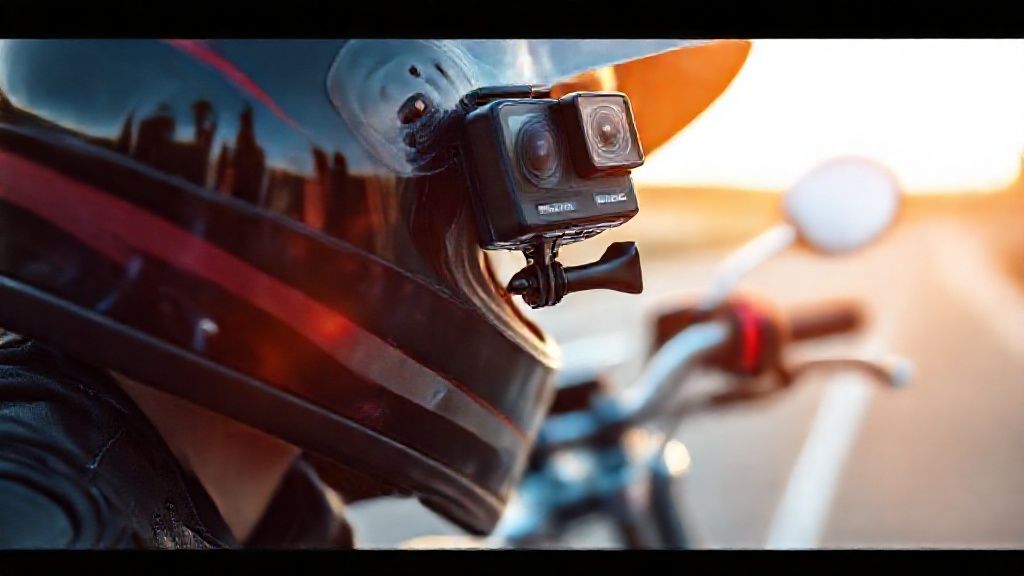
Capturing your motorcycle adventures requires more than just a great camera—you need a rock-solid mounting solution that can withstand high speeds, vibrations, and unpredictable weather conditions. The right GoPro adhesive mount setup for your motorcycle helmet can mean the difference between stunning footage and a lost camera on the highway. Whether you’re documenting scenic rides through mountain passes, recording track days, or simply want evidence for insurance purposes, choosing the correct adhesive mount is crucial for both safety and video quality.
In this comprehensive guide, we’ll explore the nine best GoPro adhesive mount setups specifically designed for motorcycle helmets. We’ve evaluated each option based on adhesive strength, aerodynamics, versatility, ease of installation, and overall value for money. Our selection criteria prioritize mounts that maintain helmet integrity, provide stable footage, and offer reliable performance across various riding conditions. From side-mounted options that capture your perspective to chin mounts that replicate your line of sight, we’ve covered every angle to help you make an informed decision.
1. GoPro Curved + Flat Adhesive Mounts (Official)
The official GoPro adhesive mounts remain the gold standard for helmet mounting, offering both curved and flat options to accommodate different helmet surfaces. These mounts come directly from GoPro and are specifically engineered to work seamlessly with all GoPro camera models.
Overview
GoPro’s official adhesive mounts feature industrial-strength 3M VHB (Very High Bond) tape that creates a permanent bond with your helmet surface. The package typically includes both curved and flat mount options, giving you flexibility depending on your helmet’s geometry. The curved mount is ideal for the rounded top or sides of most motorcycle helmets, while the flat mount works perfectly for the smoother areas. These mounts are made from durable polycarbonate plastic that can withstand extreme temperatures ranging from -20°F to 140°F. The low-profile design minimizes wind resistance, and the quick-release buckle system allows you to easily attach and detach your GoPro. Installation is straightforward—simply clean the surface with the included alcohol prep pad, apply the mount, and wait 24 hours before attaching your camera. The adhesive bond actually strengthens over time, providing long-term reliability for your expensive camera equipment.
Pros and Cons
Pros:
- Official GoPro product ensures perfect compatibility with all GoPro cameras and accessories
- Industrial-strength 3M VHB adhesive provides exceptional bonding strength that improves over time
- Low-profile design reduces wind noise and aerodynamic drag at highway speeds
- Temperature-resistant construction maintains bond integrity in extreme weather conditions
Cons:
- Permanent adhesive makes repositioning difficult without purchasing new mounts
- Higher price point compared to third-party alternatives
- Limited mounting angle adjustability once installed
2. Helmet Chin Mount with Curved Adhesive Base
Chin mounts have become increasingly popular among motorcycle vloggers and riders who want footage that closely mimics their actual line of sight. This mounting position provides the most natural perspective of your riding experience.
Overview
The helmet chin mount setup typically consists of a curved adhesive base plate specifically designed to conform to the chin bar area of full-face helmets. This mounting position places the camera lower and more forward than top-mounted options, resulting in footage that captures both the road ahead and your motorcycle’s instruments. The curved adhesive base uses heavy-duty acrylic adhesive that bonds securely to the textured surfaces common on helmet chin bars. Most quality chin mounts include an adjustable extension arm that allows you to fine-tune the camera angle and distance from the helmet. The position minimizes wind buffeting since the camera sits in the helmet’s aerodynamic shadow. Installation requires careful surface preparation and precise positioning to ensure the camera doesn’t obstruct your vision or interfere with helmet ventilation. Many riders prefer this setup because it provides stable footage with minimal camera shake, and the lower mounting position reduces the leverage effect that can cause neck strain during long rides.
Pros and Cons
Pros:
- Provides the most natural point-of-view perspective that matches rider’s vision
- Protected position reduces wind noise and camera shake significantly
- Lower center of gravity minimizes neck strain compared to top-mounted options
- Captures dashboard instruments and road simultaneously for better context
Cons:
- Only compatible with full-face helmets that have sufficient chin bar space
- Can interfere with some helmet ventilation systems if not positioned carefully
- May obstruct peripheral vision if mounted too far forward
3. Side Mount Adhesive Setup with Swivel Arm
Side-mounted GoPro setups offer a unique perspective that captures both the rider and the surrounding environment, making them ideal for creating engaging content that shows your reactions and the scenery simultaneously.
Overview
The side mount adhesive setup attaches to the left or right side of your helmet, typically just above ear level. This configuration includes a flat or curved adhesive base paired with a swivel arm mechanism that allows 360-degree rotation and multiple angle adjustments. The swivel functionality is crucial because it lets you point the camera forward for standard riding footage, angle it toward your face for vlogging content, or even rotate it backward to capture following riders. Quality side mounts use reinforced adhesive pads that distribute stress across a larger surface area, which is important because side-mounted cameras experience more wind resistance than other positions. The extended arm design does increase aerodynamic drag, so riders should be aware of additional wind noise and slight pulling sensation at highway speeds. However, this trade-off is often worthwhile for content creators who value versatility. The side mount position also makes it easy to check camera status, change settings, and swap batteries without removing your helmet, which is a significant convenience factor during long rides or multi-location shoots.
Pros and Cons
Pros:
- Highly versatile with adjustable angles for multiple shooting perspectives
- Easy access to camera controls and battery compartment without helmet removal
- Creates engaging content by capturing both rider and environment
- Compatible with all helmet types including modular and open-face designs
Cons:
- Increased wind resistance can cause neck fatigue on long highway rides
- Extended arm creates more leverage, potentially weakening adhesive bond over time
- More noticeable aesthetically, which some riders may find unappealing
4. Dual Adhesive Mount System with Safety Tether
For riders who prioritize security above all else, dual adhesive mount systems with integrated safety tethers provide peace of mind by offering redundant attachment points and a backup retention system.
Overview
The dual adhesive mount system uses two separate adhesive mounting points connected by a rigid or semi-rigid frame, distributing the camera’s weight and stress across a larger helmet surface area. This configuration significantly reduces the risk of mount failure, especially important when riding at high speeds or in rough conditions. The system includes a safety tether—typically a strong nylon cord or steel cable—that attaches to your helmet’s D-ring or another secure point. If the adhesive mounts somehow fail, the tether prevents your expensive GoPro from becoming road debris. The dual-point design also provides exceptional stability, virtually eliminating camera wobble even on rough roads or during aggressive riding. Installation is more complex than single-mount options, requiring careful measurement to ensure both adhesive points are level and properly aligned. The added security comes with slightly increased weight and bulk, but most riders find this acceptable given the protection it provides for cameras that can cost several hundred dollars. This setup is particularly popular among adventure riders who tackle unpaved roads and extreme conditions where single-mount reliability might be questionable.
Pros and Cons
Pros:
- Redundant mounting points dramatically reduce risk of camera loss
- Safety tether provides final backup if adhesive fails
- Superior stability results in smoother footage with less vibration
- Distributes stress across larger area, potentially extending mount lifespan
Cons:
- More complex installation process requires precise alignment
- Bulkier profile increases aerodynamic drag and weight
- Higher cost due to additional hardware and components
5. Top-Mount Adhesive with Vertical Recording Capability
Top-mounted setups represent the classic GoPro helmet configuration, placing the camera at the highest point for an elevated perspective that showcases the full riding experience and surrounding landscape.
Overview
The top-mount adhesive setup positions your GoPro at the crown of your helmet, providing a commanding view that captures wide expanses of scenery and gives viewers a sense of speed and elevation. Modern top-mount systems often include vertical recording capability, which is increasingly important for social media content on platforms like Instagram Reels and TikTok. The mount typically features a rotating base that allows you to switch between landscape and portrait orientations without removing the camera. The elevated position maximizes the field of view, capturing everything from the road ahead to the horizon, making it ideal for scenic rides through mountains or coastal highways. However, this height advantage comes with increased wind resistance, which becomes noticeable above 50 mph and can cause neck fatigue during extended highway riding. The top position also places the camera farthest from your natural sight line, so the footage perspective differs significantly from what you actually see while riding. Quality top-mount systems use extra-large adhesive pads to counteract the leverage created by the camera’s weight and wind pressure. Some riders also appreciate that top mounts are highly visible, potentially deterring aggressive drivers who notice they’re being recorded.
Pros and Cons
Pros:
- Provides the widest field of view and most dramatic perspective
- Vertical recording capability perfect for modern social media formats
- Highly visible to other drivers, potentially improving road behavior
- Works with all helmet styles and doesn’t interfere with helmet functionality
Cons:
- Significant wind resistance causes neck strain at highway speeds
- Elevated position creates maximum leverage on adhesive bond
- Perspective differs noticeably from rider’s actual point of view
6. Offset Adhesive Mount with Vibration Dampening
Vibration can ruin otherwise perfect footage, especially when riding motorcycles with high-revving engines or on rough road surfaces. Offset mounts with integrated vibration dampening technology address this common problem.
Overview
Offset adhesive mounts with vibration dampening incorporate rubber isolators or spring-loaded mechanisms between the adhesive base and camera mounting point. These dampening systems absorb the high-frequency vibrations transmitted through your helmet from engine buzz, road imperfections, and wind turbulence. The offset design positions the camera slightly away from the helmet surface, which also improves aerodynamics by allowing air to flow more smoothly around the camera body. The vibration dampening technology typically uses specialized rubber compounds engineered to absorb specific frequency ranges most problematic for video quality. Some advanced systems use multi-stage dampening with different rubber durometers to handle both high and low-frequency vibrations. The result is noticeably smoother footage, particularly important when riding sport bikes or adventure motorcycles known for engine vibration. Installation follows standard adhesive mount procedures, but the added dampening mechanism increases the overall profile and weight slightly. The offset design also means the camera sits farther from your helmet, which can increase wind resistance compared to flush-mounted options. However, for riders who have struggled with jittery footage, the improvement in video quality typically justifies these minor drawbacks.
Pros and Cons
Pros:
- Significantly reduces video shake and vibration artifacts
- Improves footage quality especially on sport bikes and rough roads
- Offset design can improve aerodynamics around camera body
- Protects camera’s internal stabilization system from excessive vibration
Cons:
- Larger profile increases wind resistance and drag
- Additional weight may stress adhesive bond over time
- Higher price point due to specialized dampening components
7. Modular Adhesive Base with Interchangeable Arms
Versatility is key for riders who want to experiment with different camera angles and mounting positions without committing to multiple permanent adhesive installations on their helmet.
Overview
The modular adhesive base system uses a single permanent adhesive mounting point that accepts various interchangeable arms and extensions. Once you’ve installed the base plate, you can quickly swap between different arm lengths, angles, and configurations depending on your riding conditions or content goals. The base plate typically features a quick-release mechanism compatible with multiple arm types—short arms for low-profile mounting, extended arms for vlogging angles, or offset arms for side perspectives. This flexibility is particularly valuable for riders who create different types of content or who ride various motorcycles that benefit from different camera positions. The modular system also means you only need to commit one area of your helmet to permanent adhesive mounting, preserving the rest of the helmet’s surface for other uses or simply maintaining its appearance. Quality modular systems use robust locking mechanisms to ensure arms stay securely attached even during aggressive riding or in rough conditions. The base plate adhesive must be exceptionally strong since it needs to handle the stress of various arm configurations, so manufacturers typically use premium adhesive materials and larger surface areas. While the initial investment is higher, the long-term versatility often makes modular systems more cost-effective than purchasing multiple dedicated mount types.
Pros and Cons
Pros:
- Maximum versatility with one permanent adhesive installation
- Quickly change mounting configurations for different riding scenarios
- Cost-effective long-term solution compared to multiple dedicated mounts
- Preserves helmet aesthetics by minimizing permanent mounting points
Cons:
- Higher initial cost for base and multiple arm options
- Quick-release mechanisms add potential failure points
- Requires carrying extra arms if you want to change configurations during rides
8. Low-Profile Adhesive Mount for Aerodynamic Helmets
Sport bike riders and those with high-end aerodynamic helmets need mounting solutions that don’t compromise their helmet’s carefully engineered wind-cheating design or create dangerous instability at speed.
Overview
Low-profile adhesive mounts are specifically engineered to minimize aerodynamic disruption while providing secure camera attachment. These mounts feature streamlined designs that sit as close to the helmet surface as possible, reducing the frontal area exposed to wind. The mounting plates are often contoured to match common helmet shapes, and some premium options are even helmet-specific, designed to integrate seamlessly with popular models from manufacturers like AGV, Shoei, or Arai. The reduced profile comes with trade-offs in adjustability—these mounts typically offer limited angle adjustment compared to more versatile options—but the aerodynamic benefits are substantial for riders who regularly exceed 100 mph. The adhesive pads on low-profile mounts are often larger to compensate for the increased stress from high-speed wind pressure, and the materials used are selected for their strength-to-weight ratio. Installation requires meticulous surface preparation because the larger adhesive area must bond uniformly for maximum strength. These mounts are popular among track day enthusiasts, sport touring riders, and anyone who has experienced the neck strain and helmet lifting that can occur with bulkier camera mounts at high speeds. The streamlined design also produces less wind noise, resulting in cleaner audio recordings if you’re using your GoPro’s built-in microphone.
Pros and Cons
Pros:
- Minimal aerodynamic disruption maintains helmet stability at high speeds
- Reduces neck strain by minimizing wind resistance and drag
- Lower wind noise improves audio quality in recordings
- Sleek appearance maintains helmet’s aesthetic design
Cons:
- Limited angle adjustability compared to more versatile mounts
- May not accommodate larger GoPro models or accessories
- Helmet-specific options require purchasing new mounts if you change helmets
9. Adhesive Mount Kit with Multiple Position Options
For riders who want comprehensive mounting flexibility or who are still determining their preferred camera position, complete adhesive mount kits provide everything needed to experiment with various configurations.
Overview
Comprehensive adhesive mount kits bundle multiple mounting solutions in one package, typically including curved mounts, flat mounts, extension arms, swivel bases, and various adapters. These kits are designed to give riders the freedom to try different mounting positions and angles before committing to a permanent setup. Most quality kits include enough adhesive mounts to outfit multiple helmets or to provide backup options if you want to change positions later. The variety of included components means you can mount cameras on the top, side, chin, or even rear of your helmet, depending on your content goals and riding style. These kits often come with additional accessories like tether straps, anti-fog inserts, and cleaning supplies to ensure proper installation. The value proposition is strong for new GoPro users who haven’t yet determined their preferred mounting style, as purchasing components individually would cost significantly more. However, the abundance of options can be overwhelming, and you’ll likely find that you consistently use only one or two configurations from the kit. The included adhesive mounts vary in quality depending on the manufacturer, so it’s important to research whether the kit uses genuine 3M VHB tape or inferior alternatives that may fail under stress.
Pros and Cons
Pros:
- Comprehensive solution provides all necessary mounting options in one purchase
- Cost-effective compared to buying individual components separately
- Allows experimentation to find optimal mounting position before committing
- Includes backup mounts and accessories for long-term use
Cons:
- May include components you never use, reducing overall value
- Quality varies significantly between kit manufacturers
- Can be overwhelming for users who prefer simple, straightforward solutions
Conclusion
Selecting the best GoPro adhesive mount setup for your motorcycle helmet ultimately depends on your specific riding style, content goals, and personal preferences. Whether you prioritize the natural perspective of a chin mount, the versatility of a modular system, or the aerodynamic efficiency of a low-profile design, there’s a solution that meets your needs. Remember that proper installation is just as important as choosing the right mount—always thoroughly clean the mounting surface, allow adequate curing time for the adhesive, and perform regular inspections to ensure your expensive camera remains securely attached.
The mounts we’ve covered represent the best options currently available, each excelling in different areas. For most riders, we recommend starting with official GoPro curved and flat mounts or a chin mount system, as these provide the best balance of reliability, video quality, and ease of use. As you gain experience and refine your content creation approach, you can explore more specialized options like vibration-dampening mounts or modular systems. Whichever setup you choose, always prioritize safety—both your own and that of other road users—by ensuring your camera mount doesn’t compromise helmet integrity or obstruct your vision. With the right adhesive mount setup, you’ll be well-equipped to capture stunning footage of every ride.
FAQs
How long should I wait after installing an adhesive mount before attaching my GoPro?
You should wait at least 24 hours after installing an adhesive mount before attaching your GoPro and riding. The 3M VHB adhesive used in quality mounts requires this curing time to reach full bonding strength. For optimal results, install mounts in temperatures between 70-100°F, as cold temperatures can prevent proper adhesion. Some riders prefer to wait 48-72 hours before high-speed riding to ensure maximum bond strength. If possible, apply light pressure to the mount during the first few hours after installation to improve adhesive contact with the helmet surface.
Will adhesive mounts damage my motorcycle helmet?
Adhesive mounts will leave residue when removed and may damage certain helmet finishes, but they won’t compromise the helmet’s structural safety. The adhesive bonds to the helmet’s outer shell, not the impact-absorbing liner. When removing mounts, use heat from a hair dryer to soften the adhesive, then slowly peel away. Remaining residue can be removed with adhesive remover or isopropyl alcohol. Matte finishes are more susceptible to damage than glossy finishes. If you’re concerned about helmet appearance, consider using a helmet with a replaceable outer shell or applying mounts to areas that won’t be visible when not in use.
Can I reuse adhesive mounts if I change helmets?
Adhesive mounts are designed for single-use installation and cannot be reliably reused. Once removed, the 3M VHB adhesive loses its bonding strength and won’t provide adequate security for your camera. Attempting to reuse mounts risks camera loss and potential injury from a detached GoPro at speed. Instead, purchase replacement adhesive mounts, which are relatively inexpensive compared to the cost of a lost camera. Some modular systems allow you to transfer the arm components to a new base plate, which can save money when switching helmets. Always use fresh adhesive mounts when installing on a new helmet or changing mounting positions.
What’s the best mounting position for reducing wind noise in recordings?
Chin mounts typically produce the least wind noise because they position the camera in the helmet’s aerodynamic shadow, protected from direct wind blast. Side-mounted cameras experience moderate wind noise, while top-mounted cameras generate the most noise due to direct wind exposure. To further reduce wind noise regardless of position, use a GoPro windslayer foam cover over the microphone ports, ensure the camera is mounted as close to the helmet surface as possible, and consider using an external microphone placed inside your helmet. Some riders also report that slightly angling the camera to prevent wind from hitting the microphone ports directly can significantly improve audio quality.
Are third-party adhesive mounts as reliable as official GoPro mounts?
Third-party adhesive mounts vary significantly in quality and reliability. Reputable brands that specifically mention using genuine 3M VHB adhesive tape can be just as reliable as official GoPro mounts at a lower price point. However, cheap alternatives using inferior adhesive may fail unexpectedly, potentially causing camera loss. When considering third-party mounts, research customer reviews specifically mentioning long-term reliability and high-speed performance. Look for mounts with larger adhesive surface areas and robust construction materials. For maximum peace of mind, especially when using expensive GoPro models, official GoPro mounts or premium third-party options from established action camera accessory manufacturers are worth the investment. Always use a safety tether as backup regardless of which mount you choose.