
9 Best Beginner Motorcycles for Shorter Riders Who Want Confidence
 Jake Miller
13 min read
Jake Miller
13 min read
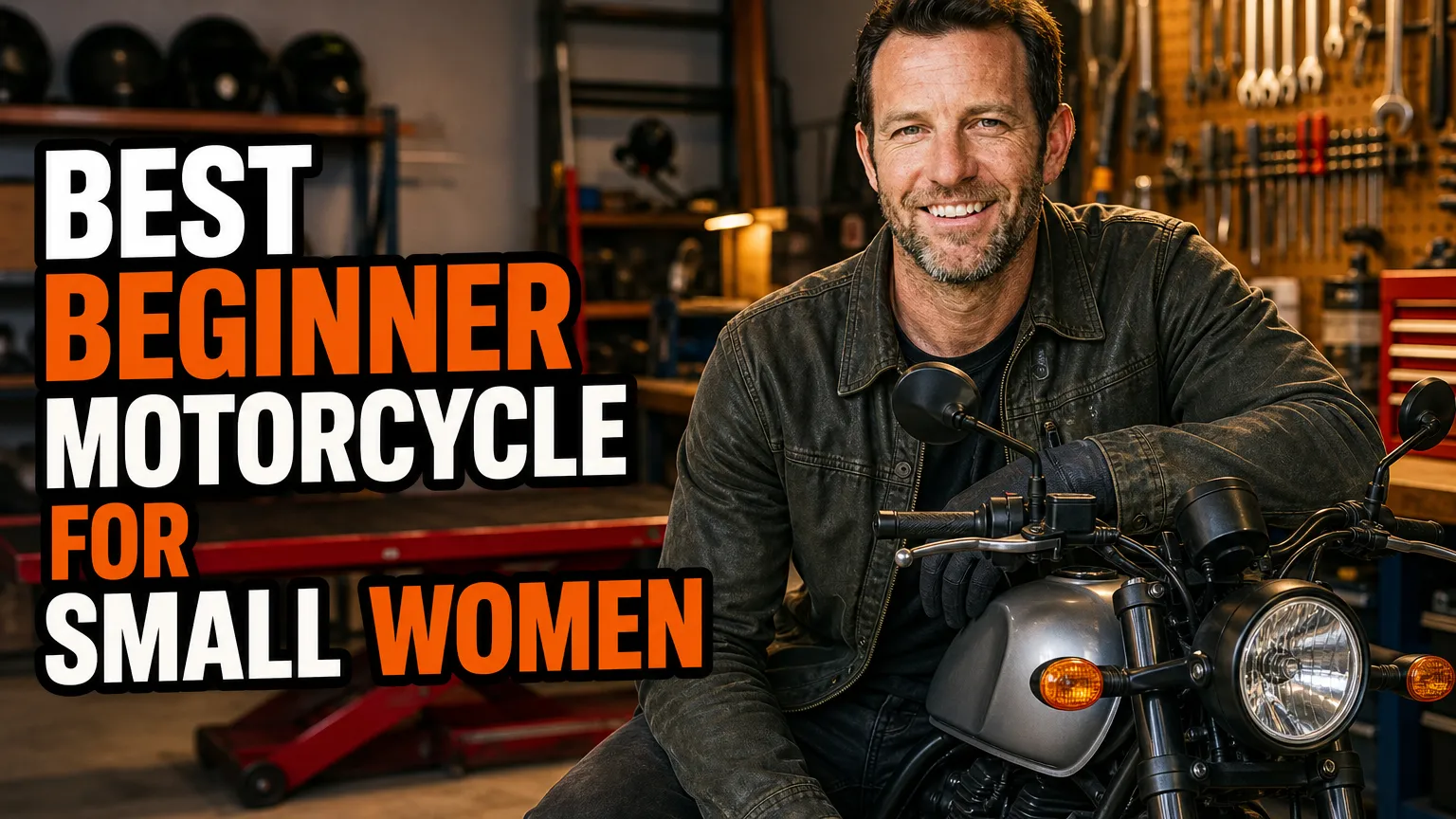
Finding the best beginner motorcycle for small women is less about chasing the lowest seat-height figure and more about finding a bike I can balance, control, and enjoy. A narrow seat, a manageable center of gravity, smooth power delivery, and a comfortable reach to the controls can matter just as much as overall weight.
I’d use the bikes below as a shortlist, then sit on several in person before deciding. Motorcycle specifications and availability can vary by model year and market, so I’d confirm current details with a local dealer and, whenever possible, take a supervised test ride.
- I’d begin my search with the low, approachable Honda Rebel 300 or Kawasaki Eliminator.
- I’d compare seat shape, curb weight, and balance, not just advertised seat height.
- I’d consider the Rebel 500 or Kawasaki Z500 if I wanted room to grow into a little more power.
- I’d take a rider-training course and try each bike at a dealer before buying.
1. Honda Rebel 300 — My Low-Seat Starting Point
The Honda Rebel 300 is the first bike I’d ask to sit on if I wanted a lightweight-feeling, approachable street motorcycle with a notably low seat. Honda lists a seat height of about 27.2 inches and a curb weight around 364 pounds for the ABS version; figures can vary by model year. That combination can help a newer rider feel more settled when coming to a stop.
Its 286cc liquid-cooled single-cylinder engine is sized for everyday street riding, and the relaxed cruiser layout gives me a fairly low, feet-forward posture. I’d still pay attention to whether the reach to the bars feels natural: a low seat does not automatically mean every part of the bike will fit every rider.
Why I’d put it on my shortlist
I like the Rebel 300 as a first-bike candidate because its ergonomics and modest engine size make it less intimidating to approach than many full-size motorcycles. The available ABS version is the one I’d prioritize, since anti-lock braking can help reduce the chance of wheel lockup during a hard stop.
If my riding plans included frequent highway travel or carrying a passenger, I’d assess whether the 300’s power and size would suit those needs. For a broader look at low-seat options, I’d also compare this list with the best motorcycle for small women.
2. Kawasaki Eliminator — My Ergonomic Cruiser Alternative
The Kawasaki Eliminator gives me another low-seat option in a modern, approachable package. Its seat is about 28.9 inches high, and Kawasaki lists a curb weight of roughly 386 pounds, depending on version and model year. Its 451cc parallel-twin engine provides more displacement than the Rebel 300, so I’d be deliberate about learning its throttle and clutch response.
I’d look closely at the Eliminator’s low, stretched-out cruiser stance. It may suit someone who prefers a relaxed position, but the best fit depends on whether the bars, pegs, and seat work together for my proportions rather than on the seat height alone.
What I’d check before buying
I’d ask to sit on the bike with both hands on the bars and feet on the pegs, then see how easily I can put a foot down while keeping the bike upright. I’d also check whether the bike’s weight feels comfortable when I’m walking it backward or turning it in a parking space.
The Eliminator could be a sensible choice if I wanted a little more engine than a small-displacement starter while still valuing a low seat. I’d compare its feel directly with the Rebel 300 and 500 rather than assuming that one cruiser must fit me better than another.
3. Honda Rebel 500 — My Pick for More Room to Grow
The Honda Rebel 500 keeps the familiar low cruiser layout while adding a 471cc parallel-twin engine. Honda lists a seat height of approximately 27.2 inches and a curb weight around 414 pounds for the ABS version. For me, that low seat is appealing, but the extra weight compared with the Rebel 300 is something I’d want to feel in person.
I’d consider the Rebel 500 if I expected to ride beyond short local trips or wanted a motorcycle with more flexibility as my skills developed. Its engine size alone does not make it unsuitable for a beginner, but I’d treat smooth throttle control and low-speed practice as essential rather than optional.
How I’d decide between the two Rebels
I’d choose the 300 if lightness and gentler power were my priorities, and I’d lean toward the 500 if its added capability better matched my regular routes. Both models have low seats, but neither guarantees that I can easily lift, park, or maneuver the bike without first checking my own comfort and technique.
If I planned to ride with a passenger, I’d also compare passenger comfort and the extra load’s effect on handling. I’d use a guide to the best beginner motorcycle for 2 people as another reference before buying for two-up use.
4. Royal Enfield Meteor 350 — My Relaxed, Easygoing Option
The Royal Enfield Meteor 350 is a small-displacement cruiser with a 349cc air-oil-cooled single-cylinder engine. Its seat height is about 30.1 inches, and its curb weight is roughly 421 pounds, depending on trim and market. That seat is taller than the Rebels’, but the upright cruiser shape may still feel approachable to some riders.
I’d consider the Meteor 350 if I wanted relaxed ergonomics and an unhurried style of riding rather than a sporty, high-revving feel. I would not judge it by engine capacity alone; I’d sit on it and check whether I can support the weight comfortably when the bike is stationary.
Where it makes sense for me
The Meteor’s appeal is its easygoing character and practical road-bike format. I’d look at the version and equipment available locally, since features and specifications can differ between trims and model years.
For a shorter rider, the wider seat and the way the bike’s weight sits can affect the ground reach as much as the published height. I’d try a few slow turns and controlled stops with a qualified instructor before deciding the Meteor is the right fit.
5. Royal Enfield Hunter 350 — My Compact Standard-Style Choice
The Royal Enfield Hunter 350 uses the same general 349cc engine family as the Meteor, but its more compact roadster styling gives it a different feel. Its seat height is around 31.1 inches, and its curb weight is approximately 399 pounds, with details varying by market and version. I’d compare it with the Meteor rather than assuming one is automatically easier because it looks smaller.
I like that the Hunter 350 offers a straightforward, upright riding position and a modest engine for everyday use. The seat is not especially low on paper, so it may not be the first model I’d recommend to someone who needs both feet flat, but a narrower seat or different leg position could make it feel more accessible.
What I’d pay attention to
I’d check the reach to the ground, the bar position, and how secure I feel when leaning the bike slightly from side to side while stationary. If I could manage the Hunter comfortably, I’d then assess whether its power delivery and intended use fit my commute and local roads.
This is a reminder I keep in mind: the best-fitting beginner bike is personal. A bike with a taller seat may still suit me better than a lower one if its seat shape, balance, and controls work more naturally with my body.
6. Kawasaki Z500 — My Lightweight-Feeling Standard With Extra Pace
The Kawasaki Z500 is a naked-style motorcycle with a 451cc parallel-twin engine. Kawasaki lists a seat height near 30.9 inches and a curb weight around 370 pounds for the ABS version, although exact specifications depend on the model year. Its seat is taller than the Rebel’s, but its relatively modest weight for a full-size street bike may make it worth trying.
I’d consider the Z500 if I wanted a more upright, standard riding position and anticipated progressing beyond short neighborhood rides. Its power is a step up from a small beginner bike, so I’d make sure I could operate the clutch smoothly and manage the throttle before taking it into busy traffic.
Why I’d test its fit in person
The Z500’s relatively narrow, sporty shape may help some riders reach the ground, but seat height by itself does not tell me how the bike will feel. I’d also test how confidently I can hold it at a stop and whether I can move it around without straining.
I would not choose a larger engine just to avoid outgrowing a starter bike. If my real question were about high-displacement models, I’d read a separate guide to the best 1000cc motorcycle for beginner, then carefully weigh the extra size and power against my actual experience level.
7. Yamaha MT-03 — My Lightweight Naked-Bike Candidate
The Yamaha MT-03 is a small-displacement naked motorcycle powered by a 321cc parallel-twin engine. Its seat height is about 30.7 inches, and its wet weight is roughly 373 pounds, depending on year and market. I’d include it on my shortlist if I wanted a compact, upright bike rather than a cruiser.
I like the idea of a manageable engine in a street-focused chassis, but the MT-03’s seat height is noticeably higher than the Rebel’s. I’d sit on it before deciding whether its shape allows a comfortable reach to the ground, especially if I have a shorter inseam.
Who I think should consider it
I’d look at the MT-03 if I wanted a nimble-feeling machine for local roads, commuting, and learning basic street skills. I’d also consider whether the riding position and suspension feel comfortable for my usual routes, since an upright naked bike can feel quite different from a low cruiser.
I’d compare it with the Z500, too. The Yamaha has a smaller engine, while the Kawasaki offers more displacement; I’d choose based on how each bike responds to my hands and feels under me, not on a spec-sheet contest.
8. Triumph Speed 400 — My Premium-Feeling Small-Capacity Option
The Triumph Speed 400 is powered by a 398cc liquid-cooled single-cylinder engine. Its seat height is around 31.1 inches, and its wet weight is about 375 pounds, though specifications can vary slightly by market and model year. I’d see it as a stylish, standard-style option for a new rider who wants a modern street bike with moderate displacement.
The Speed 400 is not the lowest bike here, so I’d pay close attention to how its seat narrows toward the tank and how much of my foot I can plant at a stop. I’d also ask the dealer about the exact version’s equipment, warranty, service schedule, and availability where I live.
My fit and learning checklist
I’d take time to assess the clutch engagement, throttle response, and brake feel in a controlled setting before using the bike for a busy commute. A new rider benefits from manageable controls and practice, regardless of whether the motorcycle feels premium or has more power than a small single.
If I were choosing a bike for shared weekend rides, I’d compare passenger needs separately from my own fit. My guide to the best beginner motorcycle for couples can help me think through that second set of priorities.
9. Honda Grom — My Playful Low-Speed Practice Bike
The Honda Grom is a mini motorcycle with a 124cc air-cooled single-cylinder engine. Its seat height is about 30 inches and its curb weight is roughly 223 pounds, which makes it dramatically lighter than the full-size street motorcycles on this list. I’d consider it for local rides, low-speed practice, and riders who want a compact machine.
That low weight can make the Grom less daunting to maneuver in a driveway or parking lot, but its small size also defines its limits. I would not treat it as a direct substitute for a full-size motorcycle if I needed sustained highway use, frequent passenger riding, or stronger acceleration in fast-moving traffic.
When I’d choose it
I’d choose the Grom if my riding plans suited its small-bike character and I valued easy handling over highway capability. It can also be a fun way to build fundamental skills, but I’d still wear proper protective gear and follow the licensing and training requirements where I ride.
For a young rider, I’d be especially careful to match the motorcycle to their age, training, and local rules rather than choosing by looks or engine size alone. I’d use this guide to the best beginner motorcycle for teenager when considering a bike for a teen.
How I’d Choose the Right Fit
I’d test more than seat height
I use seat-height figures to narrow my search, not to make the final call. Seat width, where the bike’s mass sits, handlebar reach, footpeg position, and suspension sag all affect how comfortable I feel at a stop.
At a dealer, I’d sit on each candidate in my normal riding boots and ask whether I can place one foot securely while holding the bike upright. I’d also check that I can reach and operate the controls without stretching, twisting, or feeling cramped.
I’d practice low-speed control before traffic
A manageable motorcycle is one I can control at walking pace, not just one that feels comfortable while parked. I’d take a certified motorcycle safety course, practice starts and stops in a safe area, and learn how to make tight turns before tackling heavy traffic or steep slopes.
I’d budget for a properly fitted helmet, gloves, jacket, pants, boots, insurance, and maintenance along with the motorcycle. ABS is a feature I’d favor when available, and I’d ask about training requirements and licensing rules in my area before riding on public roads.
My Final Shortlist
If I wanted the lowest seat and a gentle starting point, I’d begin with the Honda Rebel 300. If I wanted a low cruiser with a bigger engine, I’d compare the Kawasaki Eliminator and Honda Rebel 500. For an upright standard, I’d sit on the Yamaha MT-03, Kawasaki Z500, and Triumph Speed 400, while keeping their taller seats in mind.
My best advice is to try several real bikes before deciding. I’d choose the one I can operate smoothly, support confidently, and enjoy practicing on, rather than buying solely by displacement, styling, or a single seat-height measurement.
Frequently Asked Questions
What is the best beginner motorcycle for a shorter woman?
I’d start by sitting on the Honda Rebel 300 or Kawasaki Eliminator. Their low seats can make stopping and steadying the bike easier, but a test sit matters more than the number alone.
What seat height should I look for as a shorter new rider?
I use seat height as a starting point, not a pass-or-fail rule. Reach to the ground, seat width, bike weight, balance, and confidence at a stop all affect how manageable a motorcycle feels.
Is a 500cc motorcycle too big for a beginner?
Not automatically. I’d judge the bike by its throttle response, weight, and ergonomics as well as its engine size, then take a safety course and practice before riding in traffic.
Can a short rider safely ride a motorcycle without flat-footing both feet?
Yes. Many riders stop with one foot firmly planted, but I recommend practicing controlled stops and low-speed maneuvers in a safe area before relying on that technique in traffic.

Related Articles

8 Best Motorcycles for 5’4″ Riders, From Easygoing Cruisers to Agile Roadsters
Find the best motorcycle for a 5'4" woman with my picks, seat-height advice, real-world fit tips, and beginner-friendly options for…
Jake Miller
12 min read

8 Best Motorcycles for Short Riders: Comfortable Picks for a 5’1″ Rider
Compare eight approachable motorcycles for shorter riders, with seat heights, weight, handling notes, and practical tips for finding a confident…
Jake Miller
13 min read

8 Best Beginner Motorcycles for a 5’10” Woman Seeking a Comfortable, Confident Fit
Compare eight beginner-friendly motorcycles for a 5-foot-10, 260-pound woman, with seat heights, handling notes, fit checks, and practical buying advice…
Jake Miller
12 min read