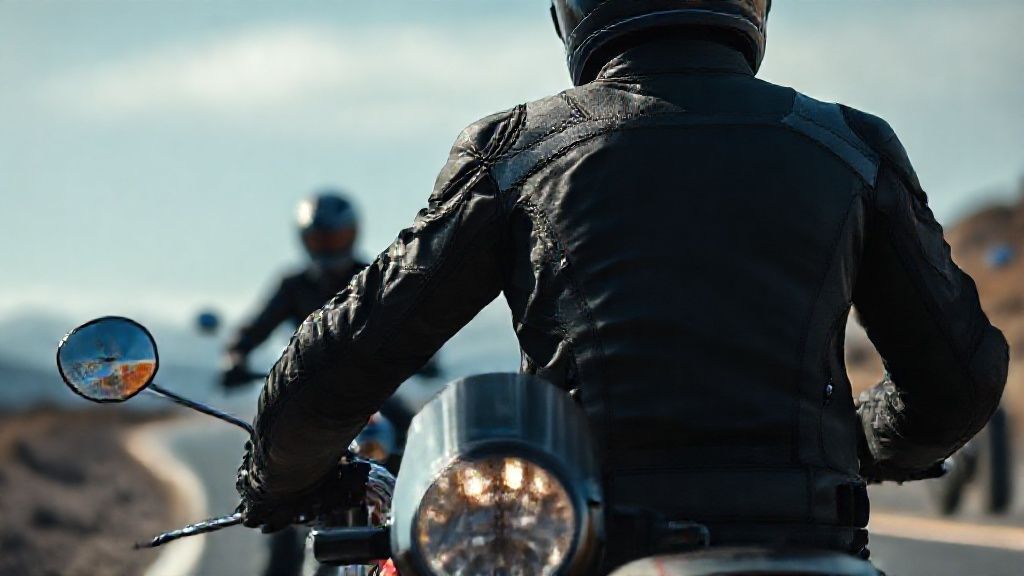
Long-distance motorcycle touring demands gear that can handle anything the road throws at you. Whether you’re crossing state lines or continents, your touring jacket serves as your primary defense against the elements, road hazards, and fatigue. The right jacket doesn’t just protect—it enhances your entire riding experience through superior comfort, ventilation, and versatility across changing weather conditions.
In this comprehensive guide, we’ve tested and evaluated the top touring jackets available in 2026, focusing on real-world performance over thousands of miles. Our selection criteria prioritized all-weather protection, comfort during extended rides, safety features including armor and abrasion resistance, storage capacity, and overall value.
We’ve considered jackets across various price points to ensure there’s an option for every touring enthusiast, from weekend warriors to full-time adventure riders. Each jacket on this list has proven itself capable of handling the unique demands of long-distance motorcycle touring.
1. Klim Badlands Pro GTX Adventure Jacket
The Klim Badlands Pro GTX represents the pinnacle of adventure touring jacket technology in 2026. This premium option has become the gold standard for serious long-distance riders who refuse to compromise on protection or comfort.
Overview
Built with Gore-Tex Pro fabric, the Badlands Pro GTX offers exceptional waterproofing while maintaining impressive breathability for multi-climate touring. The jacket features Klim’s proprietary D3O armor at shoulders, elbows, and back, providing CE Level 2 protection without the bulk of traditional armor. The modular design includes removable thermal liners and ventilation panels that adapt to temperatures ranging from below freezing to desert heat. Premium YKK zippers throughout ensure reliability after years of use, while the jacket’s 1680-denier Cordura construction in high-impact zones delivers outstanding abrasion resistance. Multiple adjustment points at the waist, arms, and collar allow riders to dial in the perfect fit, reducing fatigue during all-day riding sessions.
Pros and Cons
Pros:
- Exceptional weather protection with Gore-Tex Pro keeping you completely dry in torrential rain
- Superior ventilation system with large zippered panels that actually work in hot conditions
- Premium D3O armor offers maximum protection while remaining comfortable during long rides
- Extensive pocket system including waterproof compartments for electronics and documents
Cons:
- Premium price point makes it inaccessible for budget-conscious riders
- Heavier than textile alternatives, which some riders notice during off-bike activities
- Complex layer system requires learning curve for optimal configuration
2. Rev’it Cayenne Pro Textile Jacket
Rev’it’s Cayenne Pro has earned its reputation as the versatile workhorse of touring jackets. It’s designed specifically for riders who encounter diverse weather conditions and need a single jacket that truly does it all.
Overview
The Cayenne Pro utilizes Rev’it’s proprietary Hydratex membrane, delivering reliable waterproofing with excellent breathability at a more accessible price point than Gore-Tex alternatives. The jacket’s standout feature is its climate control system, incorporating large ventilation zippers on the chest and back that create genuine airflow, not just marketing hype. The removable thermal liner provides warmth for cold-weather touring, while the jacket remains comfortable in temperatures up to 95°F with vents open. SEESMART CE Level 2 armor comes standard at all impact zones, and the jacket includes preparation for the optional SEESOFT back protector. Reflective paneling is strategically placed for 360-degree visibility during night riding. The connection zipper is compatible with most Rev’it pants, creating a complete riding system.
Pros and Cons
Pros:
- Excellent value proposition offering premium features at a mid-range price
- Highly effective ventilation system that genuinely cools during hot weather riding
- Versatile three-season capability handles spring through fall touring effortlessly
- Comfortable fit straight out of the box with minimal break-in period required
Cons:
- Hydratex membrane, while good, doesn’t quite match Gore-Tex performance in extreme conditions
- Pocket placement could be more ergonomic for accessing items while riding
3. BMW Rallye Suit Jacket
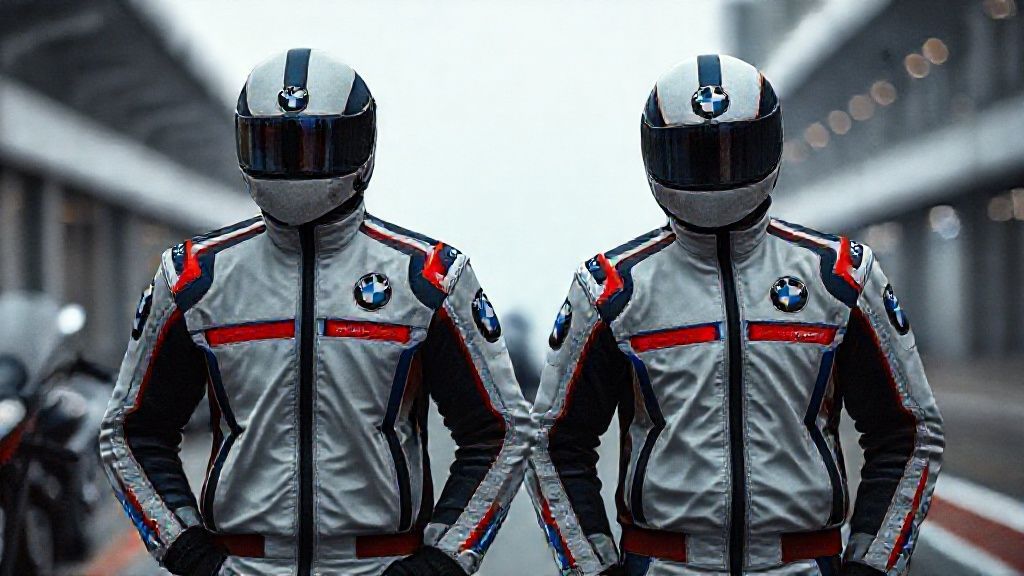
BMW Motorrad’s Rallye Suit Jacket brings decades of adventure touring experience into a single, purpose-built garment. This jacket is engineered for riders planning serious long-distance expeditions.
Overview
The Rallye Suit Jacket features BMW’s NP2 protector system, offering exceptional impact protection that exceeds CE Level 2 standards while remaining surprisingly comfortable during all-day wear. The jacket’s construction uses a combination of 500D and 630D Cordura in a strategic pattern that balances abrasion resistance with weight savings. The integrated Gore-Tex membrane ensures complete waterproofing, and the jacket has been tested in everything from Arctic conditions to tropical downpours. What sets the Rallye apart is its attention to touring-specific details: a dedicated hydration system pocket, cable routing for communication devices, and a document pocket sized perfectly for border crossing paperwork. The ventilation system includes not just zippers but mesh panels that promote airflow even when vents are closed. Adjustment straps at six points allow precise fitting over various layers.
Pros and Cons
Pros:
- Exceptional build quality with attention to detail that justifies the BMW premium
- Thoughtful touring-specific features that demonstrate real-world riding experience
- Superior armor system provides confidence-inspiring protection without compromising comfort
- Excellent integration with BMW’s pants and other gear for a complete system
Cons:
- Premium pricing puts it among the most expensive options available
- Styling is distinctly BMW-branded, which may not appeal to all riders
- Heavier construction compared to some ultralight alternatives
4. Alpinestars Andes v4 Drystar Jacket
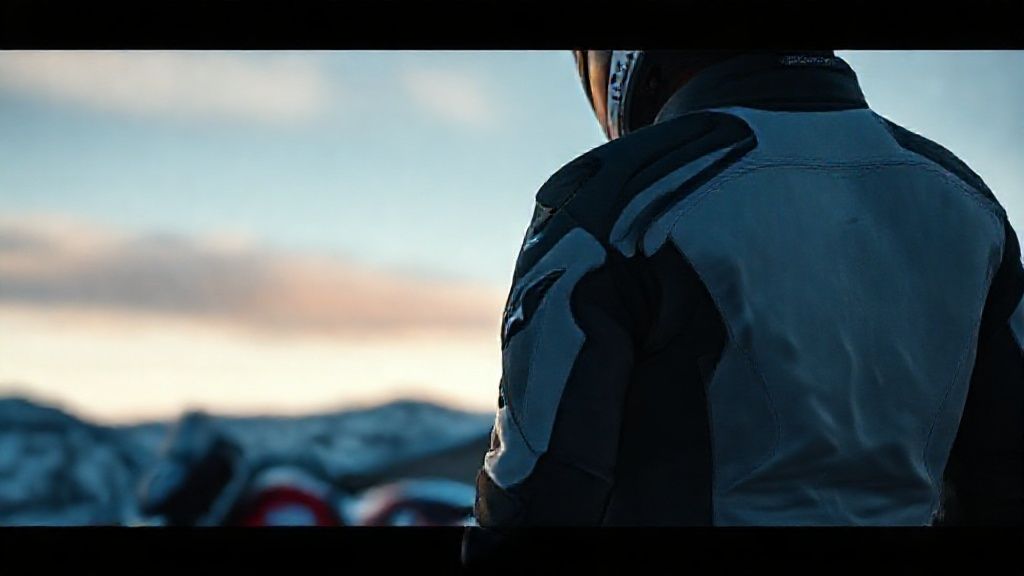
The Alpinestars Andes v4 has become a favorite among touring riders who prioritize comfort and adaptability. This fourth generation represents years of refinement based on real rider feedback.
Overview
Featuring Alpinestars’ Drystar waterproof and breathable membrane, the Andes v4 keeps riders dry without the premium price of Gore-Tex equipped jackets. The jacket’s modular construction includes a removable waterproof liner and thermal vest, allowing configuration for virtually any weather condition. Bio Armor at shoulders and elbows provides CE Level 1 protection as standard, with pockets ready for upgraded Level 2 protectors or the Alpinestars Nucleon back protector. The fit is designed specifically for the touring position, with pre-curved sleeves and an extended back panel that eliminates gaps when reaching for handlebars. Large cargo pockets provide ample storage for essentials, while smaller waterproof pockets protect electronics. Reflective details enhance visibility, and the jacket includes a connection zipper compatible with Alpinestars touring pants. Ventilation zippers on chest and back are backed by mesh panels for genuine cooling.
Pros and Cons
Pros:
- Excellent comfort during extended riding sessions with ergonomic touring-specific cut
- Highly adaptable layering system transitions seamlessly between seasons
- Strong value proposition with features typically found on more expensive jackets
- Proven reliability with the Andes line having years of positive user reviews
Cons:
- Standard CE Level 1 armor is adequate but not class-leading
- Drystar membrane performs well but breathability decreases in high humidity
5. Rukka Nivala Gore-Tex Jacket
Rukka’s Nivala represents Scandinavian engineering at its finest, built for riders who demand absolute reliability in the harshest conditions. This jacket is designed for those who ride regardless of weather.
Overview
The Nivala uses Gore-Tex Pro Shell technology combined with Rukka’s proprietary Air Curtain ventilation system, creating a jacket that excels in both waterproofing and temperature regulation. The construction emphasizes durability, with critical seams triple-stitched and high-wear areas reinforced with Superfabric. D3O armor comes standard at all impact points, providing CE Level 2 protection. What distinguishes the Nivala is its focus on long-term durability—Rukka designs their gear to last decades, not just seasons. The jacket features Rukka’s unique Outlast temperature-regulating fabric in the liner, which actively manages body heat rather than simply insulating. Multiple pockets include a chest pocket sized for modern smartphones and a back pocket perfect for a hydration bladder. The fit runs slightly larger than Italian brands, accommodating layering for cold-weather touring. Reflective elements are woven into the fabric rather than applied, ensuring they won’t peel or fade over time.
Pros and Cons
Pros:
- Exceptional durability with construction quality that outlasts most competitors
- Superior waterproofing that handles multi-day rain without any moisture penetration
- Outlast temperature regulation technology genuinely improves comfort across varying conditions
- Comprehensive safety features including high-visibility options and premium armor
Cons:
- Very high price point reflects Scandinavian manufacturing and premium materials
- Conservative styling may appear plain compared to more aggressive designs
- Limited availability in some regions requires ordering directly from specialized dealers
6. Tourmaster Transition 5 Jacket
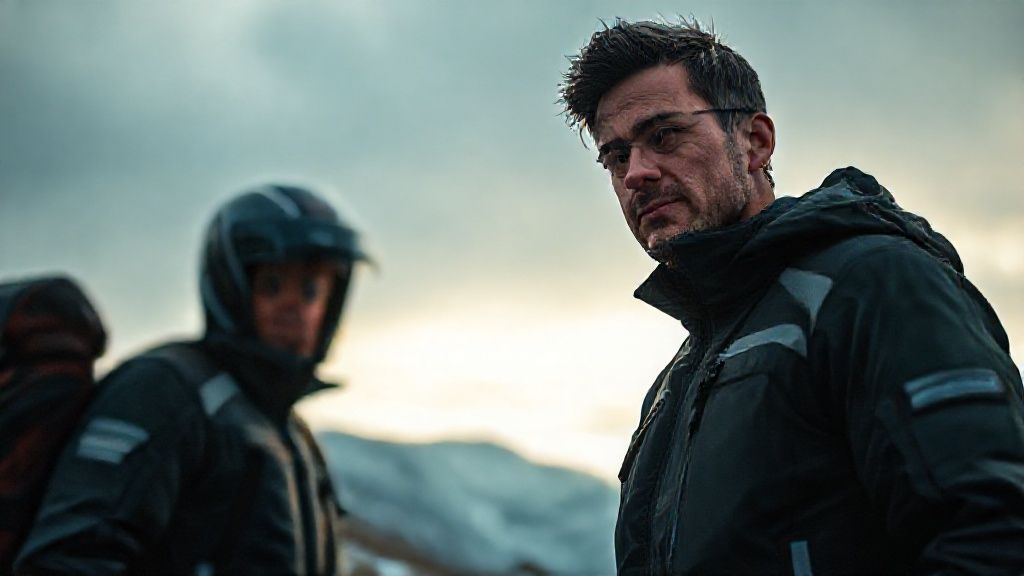
The Tourmaster Transition 5 proves that effective touring gear doesn’t require a premium price tag. This jacket delivers essential features and reliable performance for budget-conscious riders.
Overview
Built with a waterproof and breathable liner, the Transition 5 keeps riders dry in typical rain conditions while remaining affordable. The jacket features removable CE Level 1 armor at shoulders, elbows, and back, providing adequate protection for touring applications. The modular design includes a zip-out waterproof liner and removable quilted thermal liner, allowing three-season versatility. Ventilation zippers on the chest and back help manage temperature, though they’re not as extensive as premium alternatives. The jacket includes multiple pockets for storage, with one waterproof pocket for electronics. Reflective piping enhances visibility, and adjustment straps at the waist and arms allow fit customization. The Transition 5 uses 600-denier polyester construction, offering reasonable abrasion resistance at its price point. A connection zipper works with Tourmaster pants to create a complete riding suit and prevent the jacket from riding up.
Pros and Cons
Pros:
- Outstanding value with essential touring features at an accessible price point
- Effective modular system provides genuine three-season versatility
- Comfortable fit works well for a variety of body types without extensive adjustments
- Proven reliability with the Transition line having strong long-term user satisfaction
Cons:
- Materials and construction don’t match premium jackets in durability or weather resistance
- Limited ventilation compared to higher-priced alternatives can be uncomfortable in extreme heat
- CE Level 1 armor provides basic protection but lacks the advanced impact absorption of premium options
7. Dainese Carve Master 3 Gore-Tex Jacket
Dainese brings Italian style and racing heritage to the touring segment with the Carve Master 3. This jacket appeals to riders who want performance-oriented features in a touring package.
Overview
The Carve Master 3 incorporates Gore-Tex waterproofing with Dainese’s sport-touring fit philosophy, creating a jacket that feels at home both on highway slogs and spirited mountain passes. The jacket features Dainese’s Pro-Armor at shoulders and elbows, offering CE Level 2 protection with exceptional ergonomics that don’t restrict movement. A pocket accommodates Dainese’s Wave back protector for comprehensive protection. The construction uses a combination of polyester and elasticated fabric panels, providing both durability and comfort during active riding. Ventilation is managed through large zippered panels on the chest and back, with internal air channels that direct airflow across the body. The removable thermal liner provides warmth for cold mornings, while the jacket remains comfortable in warm weather with vents open. Multiple pockets include a waterproof media pocket with cable routing. The Italian fit runs slightly slimmer than German or American brands, suiting athletic builds particularly well.
Pros and Cons
Pros:
- Excellent fit and finish with Italian attention to detail and styling
- Superior ergonomics that reduce fatigue during spirited riding
- Effective ventilation system keeps riders comfortable in warm conditions
- Gore-Tex waterproofing provides reliable protection in wet weather
Cons:
- Slimmer Italian fit may not accommodate larger builds or extensive layering
- Premium pricing reflects the Dainese brand and Gore-Tex membrane
8. Olympia Airglide 5 Mesh Tech Jacket
The Olympia Airglide 5 takes a different approach to touring, prioritizing airflow for riders who primarily tour in warm climates. This mesh-focused design excels where traditional jackets struggle.
Overview
Unlike conventional touring jackets, the Airglide 5 uses a mesh outer shell with waterproof and thermal liners that zip in when conditions demand. This design philosophy prioritizes cooling during hot weather while maintaining versatility for changing conditions. The mesh construction uses reinforced high-density mesh in impact zones, providing both abrasion resistance and maximum airflow. CE Level 1 armor protects shoulders, elbows, and back, with the open mesh design keeping the armor cool against your body. The waterproof liner is a complete jacket unto itself, using a waterproof breathable membrane that can be worn independently or zipped into the mesh shell. A separate thermal liner adds warmth for cold-weather riding. The jacket includes multiple pockets in both the mesh shell and waterproof liner, ensuring storage regardless of configuration. Reflective elements enhance visibility, and adjustment straps allow fit customization. This modular approach creates essentially three jackets in one system.
Pros and Cons
Pros:
- Exceptional cooling in hot weather with genuine mesh construction throughout
- Versatile three-jacket system adapts to virtually any weather condition
- Excellent value considering you’re essentially getting multiple jackets
- Waterproof liner can be worn independently as a lightweight rain jacket
Cons:
- Mesh construction offers less abrasion resistance than solid textile in a crash
- Bulkier when carrying all components compared to integrated all-weather jackets
- Not ideal for cold-weather focused touring where warmth is the priority
9. Held Carese APS Gore-Tex Jacket
Held’s Carese APS represents German engineering focused on all-weather touring performance. This jacket is built for riders who refuse to let weather dictate their riding schedule.
Overview
The Carese APS uses Gore-Tex waterproofing combined with Held’s Air Pump System (APS), which actively circulates air through channels in the jacket for enhanced cooling and moisture management. This innovative system sets the Carese apart from conventional ventilation approaches. The jacket features Held’s SAS-TEC armor at all impact points, providing CE Level 2 protection with exceptional comfort and flexibility. Construction uses Held’s proprietary textile blend that balances abrasion resistance with weight savings. The modular design includes a removable waterproof liner and thermal vest, though the APS system means the jacket performs better than expected even with minimal layering. Multiple adjustment points at the collar, waist, and arms allow precise fitting. The pocket system is extensive, including a dedicated GPS pocket on the sleeve and a back pocket for hydration systems. Reflective elements are strategically placed for visibility from all angles. The jacket connects to Held pants via a full-circumference zipper.
Pros and Cons
Pros:
- Innovative APS ventilation system provides superior temperature regulation
- Excellent build quality with German engineering and attention to detail
- Gore-Tex waterproofing ensures complete protection in severe weather
- Comprehensive touring features demonstrate real-world riding experience
Cons:
- Premium pricing reflects advanced technology and Gore-Tex membrane
- APS system adds slight bulk compared to conventional jackets
- Limited availability outside Europe requires specialized dealers or direct ordering
Conclusion
Selecting the best touring motorcycle jacket for 2026 ultimately depends on your specific riding style, typical conditions, and budget. For riders seeking the absolute best regardless of cost, the Klim Badlands Pro GTX and BMW Rallye Suit Jacket deliver uncompromising performance. Those wanting excellent value should consider the Rev’it Cayenne Pro or Alpinestars Andes v4, which offer premium features at more accessible prices. Budget-conscious riders will find the Tourmaster Transition 5 provides essential functionality without breaking the bank, while warm-weather specialists should examine the Olympia Airglide 5’s innovative mesh design.
Remember that the best jacket is one you’ll actually wear consistently. Consider trying multiple options if possible, as fit and comfort vary significantly between manufacturers. Pay attention to sizing—European brands typically run slimmer than American options. Don’t compromise on safety features; quality armor and abrasion-resistant materials are non-negotiable for serious touring. Finally, think about your complete gear system, as jackets that connect to pants and integrate with other equipment enhance overall comfort and protection. Whichever jacket you choose from this list, you’ll be well-equipped for thousands of miles of touring adventures ahead.
FAQs
What’s the difference between touring and sport motorcycle jackets?
Touring jackets prioritize all-weather protection, comfort during extended wear, and versatile layering systems over the aerodynamic fit and aggressive styling of sport jackets. Touring jackets typically feature more pockets, better ventilation systems, removable liners for various conditions, and a more upright fit that reduces fatigue during long days in the saddle. Sport jackets focus on a tight, aerodynamic fit and maximum abrasion resistance for high-speed riding but often lack the weather versatility and comfort features essential for multi-day tours.
Is Gore-Tex worth the extra cost in a touring jacket?
Gore-Tex generally offers superior waterproofing and breathability compared to proprietary membranes, maintaining performance over years of use and multiple wash cycles. For serious touring riders who frequently encounter rain or diverse weather conditions, Gore-Tex’s reliability justifies the premium. However, modern alternatives like Rev’it’s Hydratex or Alpinestars’ Drystar perform admirably for most touring applications at lower price points. If you tour extensively in wet climates or demand absolute reliability, Gore-Tex is worth the investment. For occasional touring or primarily dry-weather riding, quality alternatives provide excellent value.
How should a touring motorcycle jacket fit?
A properly fitted touring jacket should feel comfortable in the riding position with arms extended toward handlebars, not standing upright. The sleeves should reach your wrists when arms are extended, and the back should be long enough to prevent gaps when leaning forward. You should be able to wear a thermal layer underneath without restriction, but the jacket shouldn’t be so loose that armor shifts out of position. Check that you can move your arms freely, turn your head without the collar restricting movement, and that adjustment straps allow you to fine-tune the fit. Remember that touring jackets are designed for all-day comfort, so prioritize comfort over an aggressive sport fit.
Can I use a three-season touring jacket in winter?
Most three-season touring jackets can handle mild winter conditions when layered properly with thermal base layers and mid-layers. However, for serious cold-weather touring below freezing, you’ll need either a dedicated winter jacket or significant additional layering. The key is whether the jacket can accommodate bulky layers while maintaining proper armor positioning and freedom of movement. Some riders successfully use three-season jackets year-round by adding heated gear layers, which provides warmth without bulk. Consider your coldest typical riding conditions when selecting a jacket—if you regularly ride in temperatures below 40°F, look for jackets with substantial thermal liners or plan to invest in supplementary heated gear.
How often should I replace my touring motorcycle jacket?
Replace your touring jacket when the waterproof membrane fails and cannot be restored through proper washing and treatment, when abrasion-resistant materials show significant wear in critical areas, or when armor no longer meets current safety standards. High-quality touring jackets from premium manufacturers can last 5-10 years with proper care, while budget options typically need replacement after 3-5 years. Regular maintenance including proper washing, reproofing treatments, and storing out of direct sunlight extends jacket life significantly. Also consider replacement if the jacket no longer fits properly due to body changes or if safety technology has advanced substantially—armor and materials have improved considerably in recent years, and your safety is worth the investment in updated protection.