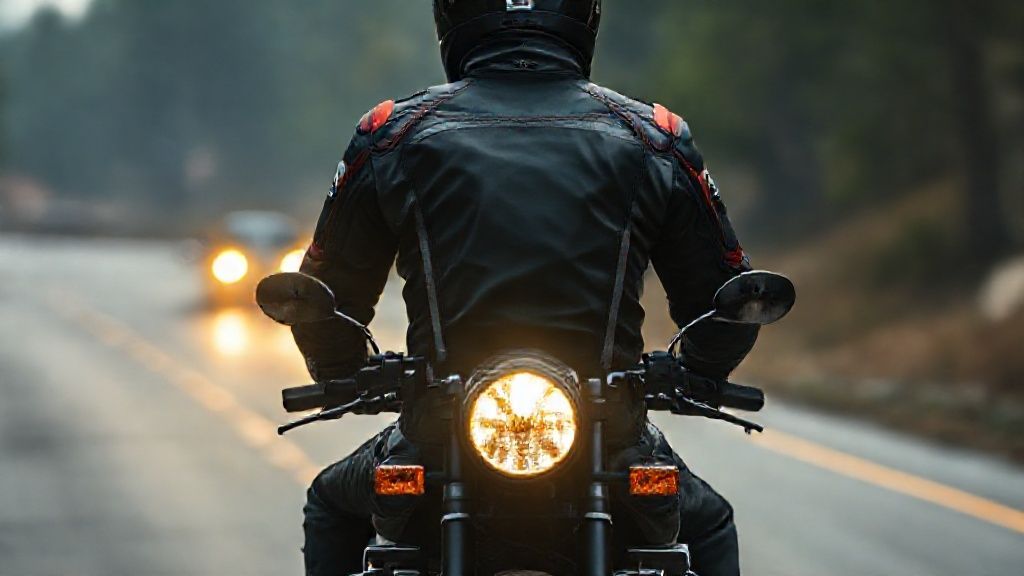
Riding a motorcycle in 100-degree weather presents a unique challenge: you need protection from road rash, UV rays, and impacts, but you also need to stay cool enough to remain comfortable and alert. Many riders make the mistake of either overdressing and suffering heat exhaustion or underdressing and risking serious injury. The right motorcycle jacket designed for extreme heat can make the difference between an enjoyable summer ride and a miserable, potentially dangerous experience.
In this comprehensive guide, we’ll explore the best motorcycle jackets specifically engineered for triple-digit temperatures. We’ve evaluated each jacket based on several critical criteria: ventilation efficiency, breathable materials, safety certifications, moisture-wicking properties, and overall comfort in extreme heat. Whether you’re commuting through scorching city streets or embarking on a cross-country summer adventure, these jackets will keep you protected without turning into a mobile sauna. Let’s dive into the top options that successfully balance safety with cooling performance.
1. Alpinestars Viper Air Textile Jacket
The Alpinestars Viper Air has earned its reputation as one of the most breathable motorcycle jackets on the market. Designed specifically for hot weather riding, this jacket combines aggressive ventilation with serious protection, making it a favorite among riders who refuse to compromise on safety despite the heat.
Overview
The Viper Air features an innovative poly-fabric construction with large mesh panels covering approximately 60% of the jacket’s surface area. These strategically placed mesh zones span across the chest, back, and arms, creating a wind tunnel effect that channels air directly onto your body. The jacket comes equipped with CE-certified Bio Armor protection at the shoulders and elbows, with a pocket for an optional back protector. The pre-curved sleeves and adjustable waist tabs ensure a comfortable riding position, while the moisture-wicking liner helps manage sweat during extended rides. Available in multiple colorways, the Viper Air maintains a sporty aesthetic without sacrificing functionality in temperatures that would make most textile jackets unbearable.
Pros and Cons
Pros:
- Exceptional airflow with 60% mesh construction that provides immediate cooling relief at any speed above 20 mph
- CE-certified armor comes standard, offering excellent protection without adding excessive bulk or heat retention
- Lightweight design at just 2.2 pounds won’t fatigue you during long rides in the heat
- Reflective detailing enhances visibility during dawn and dusk rides when temperatures are slightly cooler
Cons:
- Mesh construction offers minimal insulation, making it unsuitable for cooler morning rides or sudden temperature drops
- Not waterproof, so unexpected rain showers will soak through immediately
- Premium price point may be prohibitive for budget-conscious riders
2. Joe Rocket Phoenix Ion Mesh Jacket
For riders seeking maximum ventilation without breaking the bank, the Joe Rocket Phoenix Ion represents an excellent value proposition. This jacket has become a staple recommendation for summer riding, offering impressive cooling capabilities at a mid-range price point.
Overview
The Phoenix Ion features a full mesh chassis construction that prioritizes airflow above all else. The 600 denier mesh material provides surprising durability while allowing air to pass through virtually unobstructed. Joe Rocket includes CE-approved armor at the shoulders, elbows, and back, ensuring you don’t sacrifice protection for comfort. The jacket incorporates a moisture-wicking, removable liner that can be washed separately, addressing the hygiene concerns that come with sweaty summer rides. Adjustable straps at the biceps, forearms, and waist allow you to customize the fit, which is crucial for ensuring armor stays in the proper position. The Phoenix Ion also features a zippered connection system that attaches to compatible Joe Rocket pants, preventing the jacket from riding up during aggressive riding positions.
Pros and Cons
Pros:
- Outstanding value with full mesh construction and complete armor package at a competitive price
- Excellent ventilation that works even at low speeds, making it ideal for city commuting in traffic
- Removable, washable liner makes maintenance easy and keeps the jacket fresh despite heavy use
- Wide range of sizes including options for shorter and taller riders
Cons:
- Mesh material shows wear more quickly than textile alternatives, especially in high-friction areas
- Minimal abrasion resistance compared to leather or heavy-duty textile options
- Styling is purely functional without the premium aesthetic some riders prefer
3. REV’IT! Tornado 3 Jacket
The REV’IT! Tornado 3 represents the pinnacle of hot weather motorcycle jacket design, combining European styling with cutting-edge ventilation technology. This jacket is for riders who want the best performance and are willing to invest in premium quality.
Overview
REV’IT! engineered the Tornado 3 with a sophisticated ventilation system that includes multiple intake and exhaust vents throughout the jacket. The main body uses a combination of lightweight PWR|Shell 500D and 3D air mesh, creating distinct zones for protection and breathability. Large mesh panels on the chest and back work in conjunction with ventilation zippers on the arms to create a chimney effect that pulls hot air away from your body. The jacket comes with SEESMART CE-level 1 protectors that are remarkably thin and flexible, reducing bulk while maintaining safety standards. The Tornado 3 also features a detachable thermal liner for versatility, though most riders in 100-degree weather will leave this at home. The fit is distinctly European—more tailored than American brands—which enhances aerodynamics and reduces flapping at high speeds.
Pros and Cons
Pros:
- Sophisticated multi-zone ventilation system provides targeted cooling where you need it most
- Premium construction quality ensures durability and longevity even with daily use in harsh conditions
- SEESMART armor is incredibly low-profile while meeting CE standards, reducing heat buildup from bulky padding
- Versatile design allows for three-season use with the addition or removal of liners
Cons:
- Significantly higher price point than most competitors in this category
- European sizing can be confusing for American buyers; careful measurement and possibly sizing up is necessary
- Some riders find the tailored fit too snug for comfort, especially when wearing additional layers
4. Bilt Blaze Waterproof Jacket
The Bilt Blaze offers a unique proposition: a jacket that can handle both extreme heat and unexpected rain showers. This versatility makes it ideal for riders in regions where summer thunderstorms appear suddenly in the afternoon heat.
Overview
Unlike most hot weather jackets that sacrifice water resistance for breathability, the Bilt Blaze incorporates a waterproof membrane with strategically placed ventilation panels. The jacket features large zippered vents on the chest and back that can be opened for maximum airflow in dry conditions or closed when rain threatens. The outer shell uses 600D polyester with reinforced panels at impact zones, while mesh sections on the sides and underarms provide continuous air circulation. CE-approved armor at the shoulders, elbows, and back comes standard, and the jacket includes a removable thermal liner for cooler conditions. The Blaze is designed with an American fit that accommodates a wider range of body types without the snug European tailoring. Multiple pockets, including waterproof options, add practical utility for touring riders who need to carry essentials.
Pros and Cons
Pros:
- Waterproof construction provides weather versatility without completely sacrificing breathability
- Excellent value proposition with comprehensive features typically found on more expensive jackets
- Generous American sizing fits comfortably without feeling restrictive
- Multiple storage options make it practical for commuting and touring applications
Cons:
- Waterproof membrane reduces overall breathability compared to full mesh alternatives
- Heavier than pure mesh jackets, which can contribute to fatigue on very long rides
- Ventilation system, while adequate, doesn’t match the cooling power of dedicated hot weather jackets
5. Dainese Air Frame D1 Textile Jacket
Dainese brings Italian design sensibility and racing heritage to the hot weather jacket category with the Air Frame D1. This jacket appeals to riders who want aggressive styling combined with serious ventilation performance.
Overview
The Air Frame D1 uses Dainese’s proprietary air-permeable fabric technology that allows air to flow through the material itself, not just through mesh panels. This creates more uniform cooling across your entire torso rather than concentrated airflow in specific zones. The jacket features a racing-inspired cut with pre-curved sleeves and an extended back panel to maintain coverage in an aggressive riding position. Composite protectors at the shoulders and elbows are soft and flexible at rest but stiffen upon impact, providing protection without the rigid feel of traditional armor. The jacket’s construction emphasizes ergonomic comfort with stretch panels at key articulation points, ensuring freedom of movement without excess material that could flap in the wind. Reflective inserts are strategically placed to maximize visibility from multiple angles, an important safety consideration for summer evening rides.
Pros and Cons
Pros:
- Innovative air-permeable fabric provides more consistent cooling than traditional mesh panel designs
- Racing-derived fit and styling appeal to sport bike riders seeking performance-oriented gear
- Soft, flexible armor is comfortable in hot weather while meeting CE safety standards
- Excellent build quality ensures the jacket maintains its shape and function over years of use
Cons:
- Premium pricing reflects the Italian brand heritage and advanced materials
- Athletic, race-inspired fit may not accommodate all body types comfortably
- Limited color options compared to more mainstream brands
6. Scorpion EXO Drafter II Mesh Jacket
The Scorpion Drafter II delivers professional-grade features at an accessible price point, making it one of the best value options for riders who need serious hot weather protection without premium pricing.
Overview
Scorpion designed the Drafter II with a full mesh outer shell that maximizes airflow while maintaining structural integrity. The jacket uses a combination of 300D and 600D poly-mesh in different zones, with heavier material at impact areas and lighter mesh where maximum breathability is desired. EVA foam padding at the shoulders and elbows provides basic impact protection, though riders can upgrade to CE-certified armor if desired. The jacket features a removable windproof vest liner that seems counterintuitive for hot weather gear, but it’s useful for early morning rides before temperatures climb. Adjustment straps at multiple points allow you to dial in the fit, which is crucial for keeping armor positioned correctly and preventing excess material from flapping. The Drafter II includes a zippered connection system for pants, multiple pockets for storage, and reflective piping for visibility.
Pros and Cons
Pros:
- Aggressive pricing makes this accessible to newer riders or those on tight budgets
- Full mesh construction provides excellent cooling performance in extreme heat
- Versatile design with removable liner extends usability into shoulder seasons
- Available in both men’s and women’s specific cuts for better fit options
Cons:
- Standard foam padding is less protective than CE-certified armor found on premium jackets
- Mesh material quality is adequate but not as durable as higher-priced alternatives
- Fit can be inconsistent between sizes; trying before buying is recommended
7. Klim Induction Jacket
Klim’s Induction jacket brings adventure riding expertise to the hot weather category, offering a jacket that can handle both scorching pavement and dusty off-road trails with equal competence.
Overview
The Induction features Klim’s proprietary Karbonite mesh construction, which provides exceptional tear resistance while maintaining maximum airflow. This makes it ideal for riders who might encounter branches, brush, or other hazards that would shred typical mesh jackets. The jacket incorporates D3O armor at the shoulders, elbows, and back—some of the best impact protection available in a hot weather jacket. Multiple adjustment points allow you to customize the fit, and the chassis is designed to accommodate a hydration pack underneath, recognizing that staying hydrated is crucial when riding in extreme heat. The Induction uses a longer cut that provides coverage when standing on the pegs, a consideration borrowed from Klim’s off-road heritage. Ventilation is enhanced by large mesh panels and strategic vent placements that work at both high speeds on pavement and lower speeds on trails.
Pros and Cons
Pros:
- Superior mesh durability makes this suitable for adventure and dual-sport applications
- Premium D3O armor provides excellent impact protection that remains flexible and comfortable in heat
- Design accommodates hydration systems, addressing a critical need for hot weather riding
- Longer cut and standing-friendly design works well for various riding styles
Cons:
- Premium pricing reflects the specialized design and high-quality materials
- Styling is distinctly adventure-oriented, which may not appeal to street or sport bike riders
- Additional features add slight weight compared to minimalist mesh jackets
8. Fly Racing Flux Air Jacket
The Fly Racing Flux Air represents an excellent middle ground between budget and premium options, offering solid performance and features without extreme pricing in either direction.
Overview
Fly Racing constructed the Flux Air with a 600D poly-mesh chassis that balances durability with breathability effectively. The jacket features large mesh panels covering the chest, back, and arms, ensuring comprehensive airflow across your entire upper body. CE-level 1 armor comes standard at the shoulders and elbows, with a pocket for an optional back protector. The Flux Air incorporates a moisture-wicking liner that can be removed for washing, helping manage the inevitable sweat that comes with hot weather riding. Adjustment straps at the biceps, forearms, and waist allow you to fine-tune the fit, preventing the jacket from ballooning at speed while ensuring armor stays properly positioned. The jacket includes a connection zipper for compatible pants and features reflective details for low-light visibility. Available in several color schemes, the Flux Air offers some style variety within the functional mesh jacket category.
Pros and Cons
Pros:
- Well-balanced price-to-performance ratio offers good value without compromise
- Comprehensive ventilation system provides reliable cooling in extreme temperatures
- CE-certified armor comes standard, eliminating the need for aftermarket upgrades
- Removable, washable liner maintains freshness throughout the riding season
Cons:
- Brand recognition is lower than industry giants, which may concern some buyers
- Armor, while certified, is somewhat bulky compared to premium low-profile options
- Limited availability in some regions requires online ordering without trying on first
9. Icon Airflite Pleasuredome Jacket
Icon’s Airflite Pleasuredome brings distinctive styling and youth-oriented design to the hot weather jacket category, appealing to riders who want to make a statement while staying cool.
Overview
The Airflite Pleasuredome features Icon’s signature bold graphics and aggressive styling, making it stand out in a category often dominated by conservative designs. Beneath the eye-catching exterior, the jacket delivers solid hot weather performance with extensive mesh paneling across the chest, back, and arms. Icon includes D3O impact protectors at the shoulders and elbows, offering premium protection in a slim, flexible package that doesn’t trap heat. The jacket uses a combination of 300D and 600D poly-fabric in different zones, with heavier material at high-wear areas and lighter mesh where cooling is prioritized. Multiple adjustment points allow you to customize the fit, and the jacket includes a connection zipper for compatible pants. The Airflite features a slightly relaxed fit compared to European sport jackets, accommodating a wider range of body types comfortably. Reflective elements are integrated into the graphics rather than appearing as separate panels, maintaining the aesthetic while providing visibility.
Pros and Cons
Pros:
- Distinctive styling and graphics options appeal to riders seeking individualistic gear
- Premium D3O armor provides excellent protection without adding bulk or heat retention
- Comprehensive ventilation system delivers reliable cooling performance in extreme heat
- Relaxed fit is comfortable for various body types without feeling oversized
Cons:
- Bold graphics may not appeal to riders preferring understated, classic styling
- Mid-to-premium pricing reflects the brand positioning and quality materials
- Some color schemes have limited reflective elements, potentially compromising visibility
Conclusion
Choosing the right motorcycle jacket for 100-degree weather requires balancing protection, ventilation, comfort, and budget. The jackets featured in this guide represent the best options currently available, each excelling in different areas. For maximum airflow on a budget, the Joe Rocket Phoenix Ion and Scorpion Drafter II deliver excellent value. Riders seeking premium performance should consider the REV’IT! Tornado 3 or Dainese Air Frame D1, which offer sophisticated ventilation systems and top-tier construction. Adventure riders will appreciate the Klim Induction’s durability, while those needing weather versatility should examine the Bilt Blaze.
Remember that even the best hot weather jacket works optimally only when properly fitted and maintained. Ensure armor stays positioned correctly, stay hydrated during rides, and take breaks in shade when temperatures become extreme. The right jacket makes riding in 100-degree heat not just tolerable but genuinely enjoyable, allowing you to extend your riding season and explore during the beautiful summer months. Invest in quality gear that matches your riding style and climate conditions—your comfort and safety depend on it.
FAQs
Do I really need to wear a jacket when riding in 100-degree weather?
Absolutely. In an accident, even at low speeds, unprotected skin can suffer severe road rash that requires painful skin grafts and months of recovery. Modern hot weather jackets are specifically designed to provide protection while allowing sufficient airflow to keep you comfortable. Additionally, a light-colored mesh jacket can actually keep you cooler than riding in just a t-shirt by providing shade and allowing sweat to evaporate more efficiently while protecting you from direct sun exposure and UV radiation.
How do I maintain and clean my mesh motorcycle jacket?
Most mesh jackets can be hand-washed in cold water with mild detergent. Remove all armor and protectors first, then gently scrub any soiled areas with a soft brush. Rinse thoroughly and hang to air dry—never use a dryer, as heat can damage the mesh material and armor. For jackets with removable liners, wash these separately and more frequently, as they absorb most of the sweat. Avoid harsh chemicals or bleach, which can degrade the protective materials and compromise the jacket’s integrity.
Will a mesh jacket protect me adequately in a crash?
A quality mesh jacket with CE-certified armor provides substantial protection, though it offers less abrasion resistance than leather or heavy textile jackets. The armor protects against impact injuries to shoulders, elbows, and back, which are the most common crash injuries. However, the mesh material itself will provide minimal slide protection compared to leather or Kevlar-reinforced textiles. For hot weather riding, this trade-off is generally acceptable, as the alternative—riding without protection due to heat—is far more dangerous.
Can I use a hot weather mesh jacket in light rain?
Most mesh jackets offer virtually no water resistance and will soak through immediately in rain. If you frequently encounter unexpected showers, consider a jacket with waterproof capabilities like the Bilt Blaze, or carry a lightweight rain jacket that can be worn over your mesh jacket. Some riders keep a compact rain shell in their saddlebags or backpack for emergency use. Remember that riding in rain requires reduced speeds and increased caution regardless of your gear.
What should I wear under my motorcycle jacket in extreme heat?
Wear a moisture-wicking base layer designed for athletic or motorcycle use rather than cotton, which absorbs sweat and stays wet. Synthetic materials or merino wool pull moisture away from your skin and dry quickly, keeping you cooler. Some riders prefer wearing nothing under their mesh jacket for maximum airflow, but a thin technical base layer actually improves comfort by managing sweat and preventing the armor from rubbing directly on skin. Avoid thick or dark-colored undershirts, which trap heat and reduce the cooling benefits of your mesh jacket.