
What Is the Best Engine Oil for 4-Stroke Motorcycles? My Complete Guide to Choosing Right
 Jake Miller
13 min read
Jake Miller
13 min read
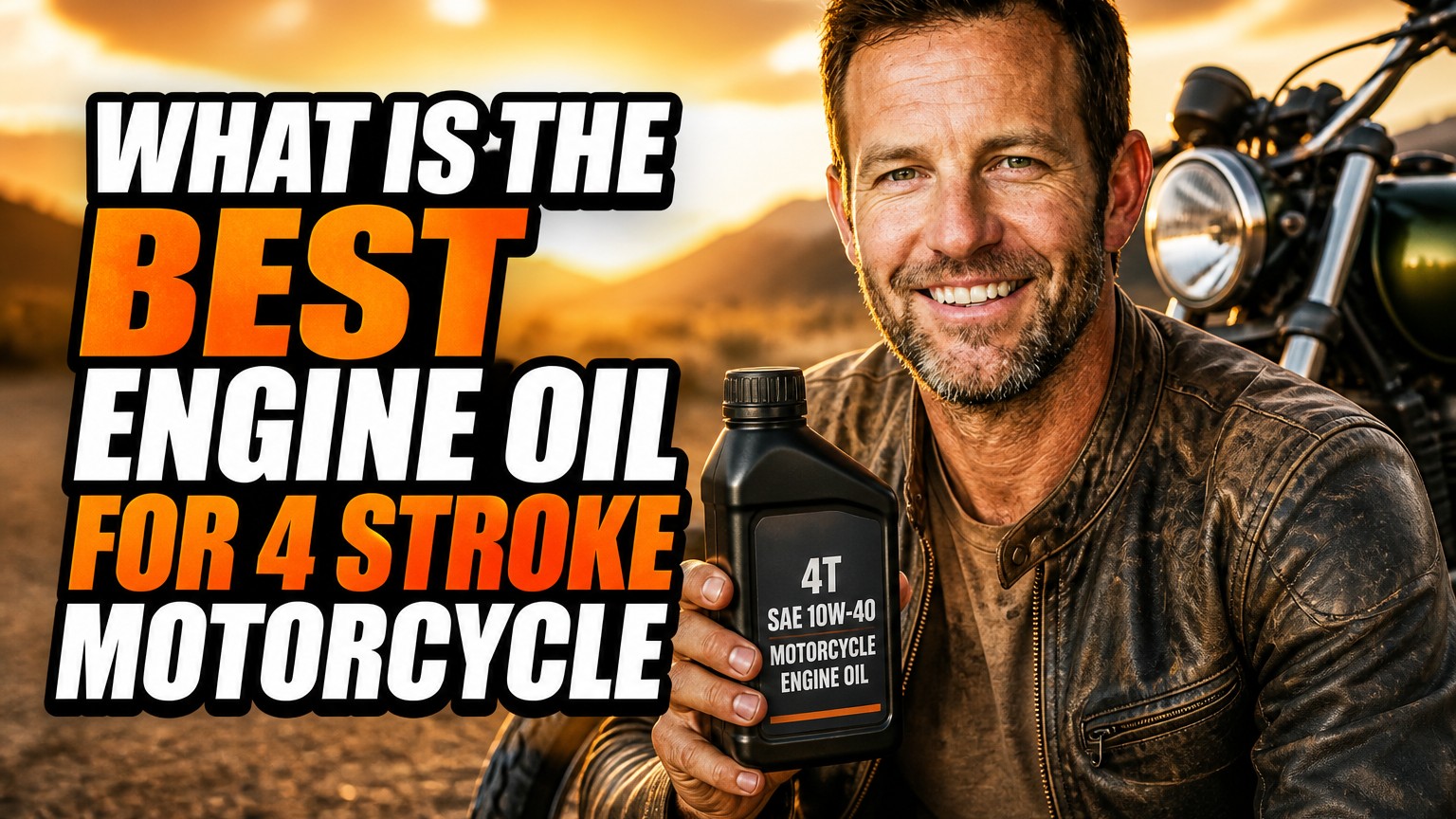
I’ve been riding motorcycles for over a decade, and if there’s one question I hear constantly from fellow riders, it’s this: what is the best engine oil for a 4-stroke motorcycle? It’s a simple question with a surprisingly complex answer, because the “best” oil depends on your specific bike, riding style, and conditions.
After testing dozens of oils across different bikes—from my daily commuter to track-day sportbikes—I’ve learned what actually matters. In this guide, I’m sharing everything I’ve discovered about choosing the right engine oil, including my personal top picks and the critical factors you can’t afford to ignore.
- Motorcycle-specific oils with JASO MA/MA2 ratings are essential for wet-clutch bikes—car oils will cause clutch slippage
- Synthetic oils offer superior protection and performance, while conventional oils work fine for budget-conscious riders with older bikes
- Viscosity matters: 10W-40 is most common, but always check your owner’s manual for your bike’s specific requirements
- My top picks: Motul 7100 for performance, Castrol Power1 for value, and Mobil 1 Racing for track use
Why Motorcycle-Specific Oil Actually Matters
When I first started riding, I made the rookie mistake of thinking engine oil was just engine oil. I grabbed a bottle of car oil from my garage and poured it into my first bike. Within a few hundred miles, I noticed my clutch starting to slip—especially when pulling away from stoplights.
That expensive lesson taught me why motorcycle-specific oil is non-negotiable for most bikes. Unlike cars, most motorcycles have wet clutches that run in the same oil as the engine. Car oils contain friction modifiers designed to improve fuel economy, but these additives create a slippery surface that prevents clutch plates from gripping properly.
This is where JASO (Japanese Automotive Standards Organization) ratings come in. I always look for oils rated JASO MA or MA2, which guarantee the oil has the right friction characteristics for motorcycle clutches. MA2 oils have even higher friction performance, which I prefer for sportier riding.
The Exception: Bikes with Dry Clutches
If you ride a bike with a dry clutch—like many Ducatis or some BMWs—you have more flexibility. Since the clutch doesn’t bathe in engine oil, you can potentially use car oils. That said, I still prefer motorcycle oils because they’re formulated for the higher RPMs and transmission loads that motorcycle engines experience.
Synthetic vs. Conventional: My Real-World Experience
I’ve run both synthetic and conventional oils in various bikes, and I have strong opinions based on actual performance. Here’s what I’ve learned through thousands of miles and multiple oil changes.
Why I Prefer Synthetic Oil
Synthetic oils have consistently outperformed conventional oils in my experience. My engines run smoother, shifts feel crisper, and I’ve noticed better protection during aggressive riding. The molecular structure of synthetic oil is more uniform, which means it maintains viscosity better under extreme heat and stress.
I’ve also found that synthetic oils stay cleaner longer. When I drain synthetic oil at change intervals, it looks noticeably cleaner than conventional oil drained at the same mileage. This tells me it’s doing a better job suspending contaminants and resisting breakdown.
The temperature stability is another major advantage. I ride in both scorching summers and cold winters, and synthetic oil maintains consistent protection across that temperature range. Conventional oils tend to thin out more in heat and thicken excessively in cold weather.
When Conventional Oil Makes Sense
That said, conventional oil isn’t worthless. I still use it in my older bike with 50,000+ miles because the cost difference adds up, and that engine isn’t as demanding. If you’re on a tight budget or riding an older, lower-performance motorcycle, quality conventional oil with the right JASO rating works perfectly fine.
Some riders also prefer conventional oil during break-in periods for new engines. The theory is that conventional oil allows slightly more friction for proper ring seating, though this is debatable and manufacturer-dependent.
Understanding Viscosity: The Numbers That Matter
The viscosity rating—those numbers like 10W-40 or 20W-50—confused me initially. Now I understand it’s one of the most critical specifications for your engine’s health.
Decoding the Numbers
The first number (like “10W”) indicates how the oil flows in cold temperatures—the lower the number, the better it flows when cold. The “W” stands for winter. The second number (like “40”) indicates the oil’s thickness at operating temperature—higher numbers mean thicker oil.
I’ve learned that 10W-40 is the most common viscosity for modern 4-stroke motorcycles, and it’s what I run in most of my bikes. It provides excellent cold-start protection while maintaining proper film strength at operating temperature.
Matching Viscosity to Your Climate and Riding
In hot climates or during summer track days, I sometimes switch to 15W-50 for extra protection under extreme heat. The thicker oil maintains better protection when my engine is working hardest. Conversely, in winter, I stick with 10W-40 or even 10W-30 for easier cold starts and faster oil circulation.
Your owner’s manual will specify the recommended viscosity range. I always start there and only deviate based on specific conditions or manufacturer-approved alternatives. Using oil that’s too thin can lead to insufficient protection; too thick can cause increased engine wear during cold starts and reduced performance.
My Top Engine Oil Recommendations
After testing numerous brands across different bikes and conditions, these are the oils I trust and regularly use. Each excels in specific scenarios, so I match them to my bike and riding style.
Best Overall: Motul 7100 4T Synthetic
This is my go-to oil for my primary sportbike. Motul 7100 offers exceptional protection and smooth shifting that I can actually feel. It’s a full synthetic with JASO MA2 rating, and I’ve used it through 15,000+ miles without any issues.
The 10W-40 viscosity works perfectly for my riding, which includes spirited canyon runs and occasional track days. Yes, it’s pricey at around $15-18 per quart, but my engine is worth the investment. The smooth engagement and excellent heat resistance justify the cost for me.
Best Value: Castrol Power1 4T
When I need to stretch my budget—especially for my commuter bike—I reach for Castrol Power1. It’s a synthetic blend that costs roughly half what premium full synthetics do, yet delivers solid performance. I’ve run it through multiple change intervals with great results.
The JASO MA2 rating ensures proper clutch function, and my bike runs cleanly with smooth shifts. It’s not quite as refined as Motul, but for everyday riding and older bikes, it offers excellent value without compromising protection.
Best for High Performance: Mobil 1 Racing 4T
For track days and aggressive riding, I switch to Mobil 1 Racing 4T. This full synthetic is specifically formulated for high-stress conditions, and I’ve pushed it hard without any protection concerns. The 10W-40 viscosity maintains film strength even when I’m wringing out every RPM.
It’s expensive at around $16-20 per quart, but when I’m riding at 10/10ths, I want absolute confidence in my oil. The peace of mind is worth every penny when I’m pushing my bike to its limits.
Best Budget Option: Shell Rotella T6
Here’s a controversial pick: Shell Rotella T6 diesel oil. While it’s marketed for diesel engines, it carries JASO MA rating and I’ve successfully used it in older bikes and dual-sports. At roughly $6-8 per quart, it offers incredible value for budget-conscious riders.
I only use this in bikes without high-performance demands, and I always verify the JASO rating on the bottle. It’s not my first choice for modern sportbikes, but for older cruisers or adventure bikes, it performs admirably.
Critical Factors Beyond Brand Names
Choosing oil isn’t just about picking a popular brand. I’ve learned to evaluate several factors that significantly impact real-world performance and engine longevity.
API and JASO Ratings Explained
I always check for proper API (American Petroleum Institute) ratings like SJ, SL, SM, or SN. These indicate the oil meets specific performance standards. For motorcycles, I look for SL or higher combined with JASO MA or MA2.
Never use oils rated for energy conservation (API labels with “Resource Conserving” or “Energy Conserving”). These contain the friction modifiers that will destroy your clutch. I check every bottle carefully before purchasing.
Additives: What Actually Works
Engine oils include various additives—detergents, anti-wear agents, antioxidants, and viscosity modifiers. Premium oils typically have better additive packages, which is partly why they cost more. I’ve found that quality base stock plus good additives equals longer engine life and cleaner operation.
Some riders add aftermarket oil additives, but I don’t. Modern motorcycle oils are already optimized, and adding extra chemicals can upset the carefully balanced formula. I trust the manufacturers’ engineering over marketing hype.
Change Intervals: When I Actually Change Oil
Most manufacturers recommend oil changes every 3,000 to 6,000 miles, depending on the bike. I change mine every 3,500 miles regardless of what the manual says. Oil is cheap compared to engine repairs, and I’d rather err on the side of caution.
For severe conditions—track days, lots of short trips, dusty environments—I change even more frequently, sometimes as often as 2,000 miles. Fresh oil is the cheapest insurance policy you can buy for your engine.
Common Mistakes I See Riders Make
Through years of riding and wrenching, I’ve watched countless riders make preventable mistakes with their engine oil. Here are the ones that concern me most.
Mixing Oil Types and Brands
I’ve seen riders top off synthetic oil with conventional, or mix different brands. While it won’t immediately destroy your engine, it compromises the additive package and performance characteristics. When I change oil, I drain everything completely and refill with a single type and brand.
If you absolutely must top off between changes, use the same brand and type you already have. Better yet, carry a small bottle of your preferred oil for emergencies.
Ignoring Oil Condition
I check my oil regularly—not just the level, but also its condition. Fresh oil is typically amber or light brown. When it turns black and gritty, it’s working hard but approaching the end of its service life. If it smells like gasoline or appears milky, you have contamination issues that need immediate attention.
Regular oil checks have saved me from potential engine damage more than once. I make it part of my pre-ride routine, especially before long trips.
Trusting Marketing Over Specifications
Flashy marketing claims don’t impress me anymore. I ignore phrases like “maximum power” or “race-proven” and instead look at actual specifications—viscosity ratings, JASO certifications, and API standards. The technical details matter more than the bottle design.
How Riding Style Influences Oil Choice
Not all riding is created equal, and I’ve learned to match my oil choices to how I actually use each bike. Your riding style should influence your decision just as much as your bike’s specifications.
Daily Commuting and Casual Riding
For my commuter bike that sees mostly short trips in traffic, I use quality synthetic blend oil and change it more frequently. Short trips don’t allow oil to reach full operating temperature and burn off moisture and contaminants, so more frequent changes with mid-grade oil work better than extended intervals with premium oil.
Sport Riding and Track Days
When I’m pushing hard on twisty roads or at the track, only premium full synthetic gets the job done. High RPMs, sustained loads, and extreme temperatures demand oil that won’t break down. I also change oil immediately after track days, even if it’s not due, because that severe stress degrades oil rapidly.
Long-Distance Touring
For long tours, I want oil I can trust for extended intervals. Full synthetic offers the best protection over thousands of miles, and I always carry a small bottle as backup. Before major trips, I install fresh oil even if I’m only 1,000 miles into a change interval.
Regional and Climate Considerations
Living in an area with dramatic seasonal temperature swings has taught me that climate significantly impacts oil choice. What works in Arizona summer won’t be ideal for Montana winter.
Hot Climate Riding
In extreme heat, oil thins out more readily. When I ride in summer heat or desert conditions, I sometimes bump up to 15W-50 for extra protection. The thicker oil maintains better film strength when operating temperatures soar. Heat is one of oil’s biggest enemies, so extra viscosity provides peace of mind.
Cold Weather Challenges
Cold starts are hard on engines because oil doesn’t flow freely until it warms up. In winter, I stick with 10W-40 or even 10W-30 for easier cranking and faster oil circulation. Synthetic oil’s superior cold-flow properties make it especially valuable in freezing conditions.
The Bottom Line: My Personal Approach
After years of testing and thousands of miles, here’s my actual approach to choosing engine oil. I match the oil to the bike and riding conditions, always starting with the owner’s manual specifications as my baseline.
For my sportbikes and bikes I ride aggressively, I use premium full synthetic with JASO MA2 rating, typically Motul 7100 or Mobil 1 Racing 4T in 10W-40. I change it every 3,000-3,500 miles or after any track day.
For my commuter and older bikes, I run Castrol Power1 synthetic blend or occasionally Rotella T6. These provide excellent value while maintaining proper protection. I change these every 3,000 miles due to the short-trip nature of commuting.
The best engine oil for your 4-stroke motorcycle is the one that meets your manufacturer’s specifications, matches your riding style, and fits your budget. Don’t overthink it, but don’t cheap out either. Fresh, quality oil is the foundation of engine longevity.
My Final Recommendations
Start with your owner’s manual specifications—viscosity grade and any specific requirements. Choose a motorcycle-specific oil with JASO MA or MA2 rating. If your budget allows, go synthetic for superior protection and performance.
Change your oil regularly based on miles and riding conditions, not just time intervals. Check your oil level and condition frequently. And remember: no oil, regardless of brand or price, can overcome neglect or improper maintenance.
The right oil keeps your engine running smoothly, shifts feeling crisp, and your bike performing at its best. After testing everything from budget conventional oils to premium racing synthetics, I’m confident these guidelines will help you make the best choice for your specific situation.
Frequently Asked Questions
What type of oil should I use in my 4-stroke motorcycle?
For most 4-stroke motorcycles, I recommend using a motorcycle-specific oil rated JASO MA or MA2. Synthetic oils like 10W-40 offer excellent protection, though your owner’s manual will specify the exact viscosity grade for your bike.
Can I use car engine oil in my 4-stroke motorcycle?
I strongly advise against using car oil in motorcycles. Car oils contain friction modifiers that can cause clutch slippage in wet-clutch motorcycles. Always use motorcycle-specific oil with proper JASO ratings.
How often should I change oil in my 4-stroke motorcycle?
In my experience, most 4-stroke bikes need oil changes every 3,000 to 6,000 miles, depending on riding conditions. I change mine every 3,500 miles for optimal engine protection, but always check your owner’s manual for manufacturer recommendations.
Is synthetic oil better than conventional for motorcycles?
Yes, synthetic oil offers superior protection, especially in extreme temperatures. I’ve used both, and synthetic provides better engine cleanliness, longer oil life, and more consistent performance, though it costs more upfront.

Related Articles
7 Best Batteries for Motorcycles I’ve Tested and Trust in 2026
I've tested dozens of motorcycle batteries to find the best performers. From AGM to lithium, here are my top picks…
Jake Miller
15 min read

The Perfect Battery for Your Harley Davidson Softail: A Rider’s Complete Guide
Discover the perfect battery for your Harley Davidson Softail. I've tested multiple options and share real-world performance data, maintenance tips,…
Jake Miller
14 min read

The Best Battery for Your Harley Davidson: My Complete Guide After Years of Testing
Discover which battery truly performs best for Harley Davidson motorcycles. Real rider experience with AGM, lithium, and OEM options to…
Jake Miller
12 min read