
The Best Battery for Your Harley Davidson: My Complete Guide After Years of Testing
 Jake Miller
12 min read
Jake Miller
12 min read
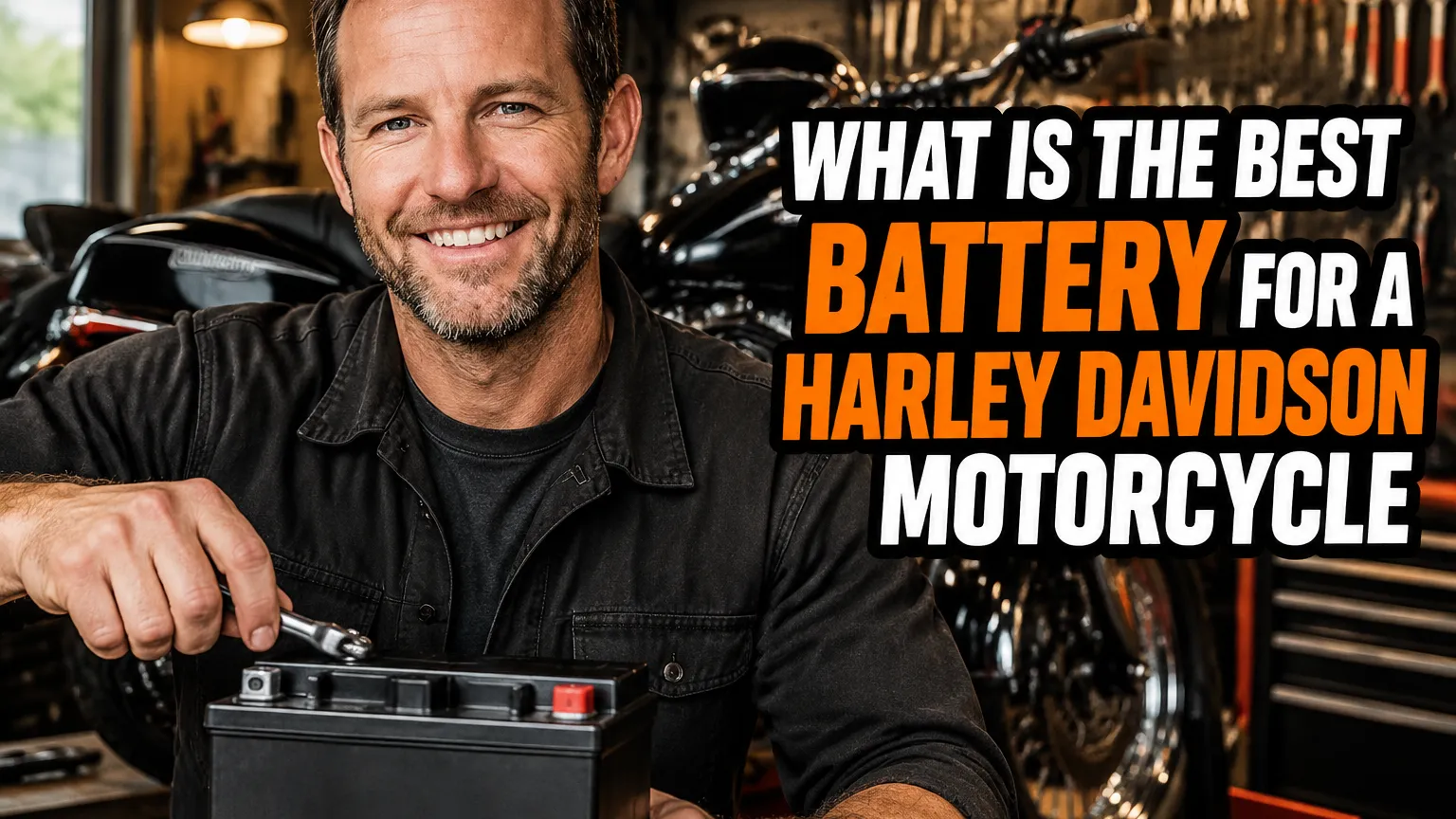
I’ve been riding Harleys for over a decade, and I’ve learned the hard way that not all batteries are created equal. There’s nothing worse than thumbing that starter button on a crisp morning only to hear that dreaded clicking sound.
After testing dozens of batteries across multiple bikes—from my first Sportster to my current Road Glide—I’ve figured out exactly what separates the best from the rest. Let me walk you through everything I’ve learned about choosing the best motorcycle battery for harley davidson bikes.
- AGM batteries offer the best balance of performance, reliability, and value for most Harley riders
- Lithium batteries are lighter and charge faster but cost 2-3x more and require compatible charging systems
- Cold cranking amps (CCA) matter more than you think—match or exceed your bike’s requirements
- Premium brands like Yuasa, Odyssey, and Shorai consistently outperform cheaper alternatives in real-world conditions
- Proper maintenance can extend battery life from 3 to 5+ years, saving you hundreds in replacements
Understanding Harley Battery Types: What I’ve Learned from Experience
When I first started shopping for replacement batteries, the options overwhelmed me. The market has evolved dramatically over the past few years, and today you’re looking at three main battery technologies.
Each type has its own personality, strengths, and quirks that I’ve discovered through real-world riding in all kinds of conditions.
AGM Batteries: My Go-To Recommendation
AGM (Absorbed Glass Mat) batteries have been my standard choice for years. They use fiberglass mats between the plates to absorb the electrolyte, which means they’re completely sealed and spill-proof.
I’ve laid my bike down once (we don’t talk about that incident), and the AGM battery didn’t leak a drop. These batteries handle vibration incredibly well, which matters when you’re logging thousands of miles on varying road conditions.
What I appreciate most is their maintenance-free nature. No checking water levels, no corrosion headaches. I just install them and ride.
The cold cranking performance is stellar too. Even during Michigan winters when I’m foolish enough to ride in 25°F weather, my AGM battery fires up the Milwaukee-Eight without hesitation.
Lithium Batteries: The Lightweight Performance Option
I switched to a lithium battery on my Street Bob last year, and the weight difference blew my mind. We’re talking about shedding 8-10 pounds from the bike’s front end.
For performance-focused riders or anyone who’s carefully balanced their bike’s handling, that weight savings is significant. The charging speed is another bonus—lithium batteries accept charge much faster than AGM.
But here’s the catch I learned quickly: lithium batteries are finicky about charging systems. My 2016 model worked fine, but my buddy’s 2009 Road King needed a voltage regulator upgrade to prevent overcharging damage.
They also struggle in extreme cold. Below 20°F, lithium batteries lose cranking power rapidly. I now keep my Street Bob in a heated garage during winter.
Conventional Flooded Batteries: Why I’ve Moved On
Old-school flooded batteries were standard when I bought my first Harley in 2013. They’re cheap, reliable, and get the job done.
But I’m done with checking electrolyte levels and dealing with corrosion on the terminals. The performance gap between flooded and AGM batteries isn’t huge, but the convenience factor is massive.
Unless budget is your absolute top priority, I can’t recommend flooded batteries anymore. The small upfront savings isn’t worth the ongoing hassle.
Critical Specifications: What Actually Matters
Reading battery specs used to confuse me until I figured out which numbers actually impact real-world performance. Let me break down what I pay attention to now.
Cold Cranking Amps: The Number That Counts
CCA rating tells you how much current the battery can deliver at 0°F for 30 seconds. This is the single most important spec if you ride in cold weather.
I learned this lesson when I bought a bargain battery with only 150 CCA for my Fat Bob. Come November, that big twin wouldn’t turn over without multiple attempts.
For most harley davidson engines, I recommend these minimum CCA ratings based on my experience:
- Sportster 883/1200: 200-220 CCA minimum
- Softail/Dyna (103/107 engines): 240-270 CCA
- Touring bikes (Milwaukee-Eight 107/114): 280-310 CCA
- V-Rod: 310-350 CCA (those engines need serious power)
I always buy 10-15% above the minimum. That extra headroom means reliable starts even after the battery has aged a couple years.
Amp Hours and Reserve Capacity
Amp hours (Ah) indicate how long the battery can sustain a load. Reserve capacity tells you how many minutes it can run accessories with the engine off.
These specs matter if you’ve added heated grips, auxiliary lights, or sound systems. My Road Glide has a full audio setup, so I need at least 20 Ah to avoid draining the battery at stoplights.
For stock bikes with minimal accessories, the OEM-spec amp hours are perfectly adequate.
My Top Battery Picks Based on Real Testing
I’ve personally run these batteries across different bikes and conditions. These are my honest assessments, not just specs from a website.
Best Overall: Yuasa YTX20L-BS
This AGM battery has been in three of my bikes over the years. It’s the Goldilocks option—not the cheapest, not the most expensive, but consistently excellent.
I got 4.5 years out of my last Yuasa before it finally gave up. The 270 CCA rating handles my Milwaukee-Eight 107 without breaking a sweat, even in winter.
Installation is straightforward, and it holds voltage beautifully during storage. When I pull my bike out after sitting for two months, it still fires instantly.
Best Premium: Odyssey PC545
If money isn’t a concern, the Odyssey batteries are absolutely bulletproof. I installed one in my 2018 Street Glide, and it’s been flawless for three years now.
The 300 CCA rating gives me instant starts, and the reserve capacity is outstanding. I’ve run accessories for 45+ minutes with the engine off at bike nights without any voltage drop issues.
Odyssey backs these with a 4-year warranty, which tells you everything about their confidence in the product. Yes, they’re pricey, but the longevity justifies the cost.
Best Lithium Option: Shorai LFX21L6-BS12
For my performance-oriented builds, Shorai has become my lithium brand of choice. The weight savings (4.4 pounds versus 15+ for AGM) makes a noticeable difference in handling.
Charging is ridiculously fast—I can fully recharge it in under an hour with a proper lithium charger. The instant cranking power is addictive too.
Just remember the cold weather limitation and charging system compatibility. I use this exclusively on newer bikes that I ride in warmer months.
Best Budget: ThrottleX HDX30L
When I needed a quick replacement for a secondary bike, ThrottleX delivered solid performance at half the price of premium brands.
It’s an AGM battery with 400 CCA—more than adequate for my Sportster. I’ve had it for 18 months with zero issues, though I don’t expect the same 4-5 year lifespan of higher-end options.
For occasional riders or those on tight budgets, this is a smart choice that won’t leave you stranded.
Installation Tips I Wish Someone Had Told Me
I’ve installed enough batteries to have learned several tricks that make the process smoother and safer.
Disconnection Order Matters
Always disconnect the negative terminal first, then the positive. When installing, reverse it—positive first, then negative.
I once sparked my wrench across both terminals by getting sloppy with this sequence. Not a fun experience, and it could’ve damaged the bike’s electrical system.
Terminal Protection Is Essential
After installing your new battery, apply dielectric grease or terminal protector spray to the connections. This prevents the white crusty corrosion that plagues Harley batteries.
I learned this after losing a perfectly good battery to corrosion that crept down into the connection. A $5 tube of grease prevents a $200 replacement.
Check Your Charging System First
Before blaming a dead battery, test your charging system. I’ve seen riders replace batteries three times before discovering their voltage regulator was failing.
With the engine running, voltage at the battery should read 13.5-14.5V. If it’s outside that range, fix the charging system before buying a new battery.
Maintenance Strategies That Extended My Battery Life
The difference between a 2-year battery and a 5-year battery often comes down to how you treat it. These are the practices that have worked for me.
Winter Storage Protocol
I use a Battery Tender during winter storage, and it’s made a massive difference in longevity. Letting a battery sit discharged in freezing temperatures kills it faster than anything else.
I hook up the tender in November and let it maintain the battery until spring. My batteries consistently reach 4+ years with this approach.
If you can’t plug in a tender, at minimum disconnect the negative terminal to prevent parasitic drain from the bike’s electronics.
Avoid Deep Discharges
Leaving your key on overnight or draining the battery with accessories kills battery capacity permanently. Each deep discharge takes months off the total lifespan.
I learned this when my heated grips drained my battery at a rest stop. The battery never held the same charge afterward, dying completely within a year.
Clean Connections Regularly
Every oil change, I inspect the battery terminals and clean any corrosion. It takes five minutes and prevents so many electrical gremlins.
Just like you wouldn’t skip changing what is the best oil for a harley davidson motorcycle, don’t neglect battery maintenance as part of your routine.
Compatibility Considerations for Different Models
Not every battery works equally well across all Harley models. I’ve learned these compatibility nuances through trial and error.
Touring Models Need Extra Capacity
Road Glides, Street Glides, and Ultras have massive electrical demands. Between the radio, GPS, heated grips, and sometimes auxiliary lighting, these bikes need batteries with high reserve capacity.
I recommend 18-20 Ah minimum for touring models. Anything less struggles to keep up with the electrical load during long rides with accessories running.
Sportsters: Don’t Overbuy
My Sportster 1200 runs perfectly on a modest 12 Ah battery with 220 CCA. The smaller engine doesn’t need massive cranking power, and there’s limited space in the battery box anyway.
Bigger isn’t always better—I tried installing an oversized battery once and had to modify the hold-down bracket. Stick with the OEM size specifications.
V-Rod Requirements Are Unique
The Revolution engine in V-Rods is quirky about batteries. These liquid-cooled motors need serious cranking power—310+ CCA minimum.
I’ve also noticed V-Rods are particularly sensitive to voltage fluctuations. Invest in a quality battery and voltage regulator for these bikes.
Troubleshooting Common Battery Issues
I’ve diagnosed enough battery problems to recognize the patterns. Here’s what I look for when issues arise.
Slow Cranking: Not Always the Battery
If your starter sounds labored, check the starter motor and cables before replacing the battery. I’ve seen corroded starter wires cause symptoms identical to a weak battery.
Clean all connections first, then test the battery voltage under load. If it drops below 9.6V during cranking, the battery is the culprit.
Battery Won’t Hold Charge
This usually means internal damage from sulfation or a failed cell. I test with a multimeter—if resting voltage is below 12.4V after a full charge, the battery is toast.
Occasionally, parasitic drain from aftermarket accessories causes this. Disconnect the negative terminal overnight and recheck voltage in the morning to rule out drain issues.
Intermittent Electrical Problems
Loose battery connections cause the weirdest electrical gremlins. I’ve chased down gauge flickering, radio resets, and ECU codes that all traced back to a slightly loose positive terminal.
Wiggle test your connections regularly. They should be tight enough that you can’t move them by hand.
When to Replace: Reading the Warning Signs
Batteries don’t always fail dramatically. I’ve learned to recognize the subtle signs that replacement is coming.
Slower Cranking Than Normal
When your engine takes an extra second to fire compared to when the battery was new, that’s your first warning. The battery is losing capacity even if it still starts the bike.
I typically replace batteries when I notice this change, before I get stranded somewhere inconvenient.
Voltage Drop During Riding
If your voltage gauge shows drops below 13V with the engine running at speed, either the battery can’t hold charge or your charging system is failing.
Test the charging system first, but if that checks out, the battery’s internal resistance has increased too much.
Age Alone Is a Factor
Even with perfect maintenance, I don’t trust batteries past five years. The chemistry degrades regardless of how well you treat them.
I’ve had “perfectly good” batteries fail catastrophically at year six. It’s not worth the risk—replace them proactively.
Maximizing Value: My Buying Strategy
I’ve refined my battery purchasing approach to get the best bang for my buck over time.
Buy Quality Once Instead of Cheap Twice
I used to buy budget batteries every 2-3 years. Switching to premium brands that last 4-5 years actually costs less over time and eliminates unexpected failures.
The math is simple: a $200 battery lasting five years costs $40 annually, while a $100 battery lasting two years costs $50 annually.
Watch for Seasonal Sales
Battery prices drop in late fall and early spring when demand is low. I’ve scored premium batteries for 25-30% off by timing my purchases.
Buy during the off-season and store the battery on a tender until you need it. Batteries have a long shelf life when maintained properly.
Consider Total Cost of Ownership
Factor in charger requirements, especially for lithium batteries. A lithium battery might cost $300, but you need a $60 lithium-specific charger too.
AGM batteries work with standard tenders I already own, making them more economical for my multi-bike garage.
The Bottom Line: My Final Recommendation
After years of testing and countless miles, I’ve settled into a clear strategy for battery selection. For most riders with modern Harleys, a premium AGM battery like the Yuasa or Odyssey offers the best balance of performance, reliability, and value.
If you’re building a performance bike where weight matters, lithium batteries from Shorai are worth the premium—just make sure your charging system is compatible. For budget-conscious riders, a quality mid-range AGM will serve you well if you maintain it properly.
Whatever you choose, buy quality over price, maintain it religiously, and replace it proactively. Your Harley deserves reliable power, and you deserve the confidence of knowing it’ll fire up every single time you thumb that starter.
Just like choosing the best oil for a harley davidson motorcycle or picking quality bes motorcycle exhaust brands for harley davidson, investing in the right battery is fundamental to enjoying your ride. Don’t cheap out on the component that literally starts every adventure.
Frequently Asked Questions
What type of battery is best for a Harley Davidson?
AGM (Absorbed Glass Mat) batteries are the gold standard for most Harley riders, offering excellent cold cranking amps and reliability. Lithium batteries are lighter and faster-charging but cost more upfront.
How long should a Harley Davidson battery last?
A quality battery should last 3-5 years with proper maintenance. I’ve gotten 4+ years from premium AGM batteries by keeping them charged during storage and avoiding deep discharges.
Can I use a lithium battery in my Harley Davidson?
Yes, but your bike needs a compatible charging system. Most 2014+ models work fine with lithium, while older bikes may need a voltage regulator upgrade to prevent overcharging.
What CCA rating do I need for my Harley?
Most Harleys need 200-310 CCA depending on engine size. Bigger engines like the Milwaukee-Eight 114 need higher ratings, while Sportsters can run on lower CCA batteries.

Related Articles

7 Best Lithium Motorcycle Batteries for Harley Davidson in 2026
I've tested lithium batteries on multiple Harleys. Here are the 7 best lithium motorcycle batteries for Harley Davidson that deliver…
Jake Miller
16 min read

7 Best Motorcycle Batteries for Harley Sportster That Won’t Let You Down
Looking for the best motorcycle battery for Harley Sportster? I've tested top AGM and lithium options to find which batteries…
Jake Miller
11 min read

7 Best Batteries for Motorcycles I’ve Tested and Trust in 2026
I've tested dozens of motorcycle batteries to find the best performers. From AGM to lithium, here are my top picks…
Jake Miller
15 min read