
10 Best Jeans for Riding a Motorcycle: Real-World Picks I’ve Actually Worn
 Jake Miller
10 min read
Jake Miller
10 min read
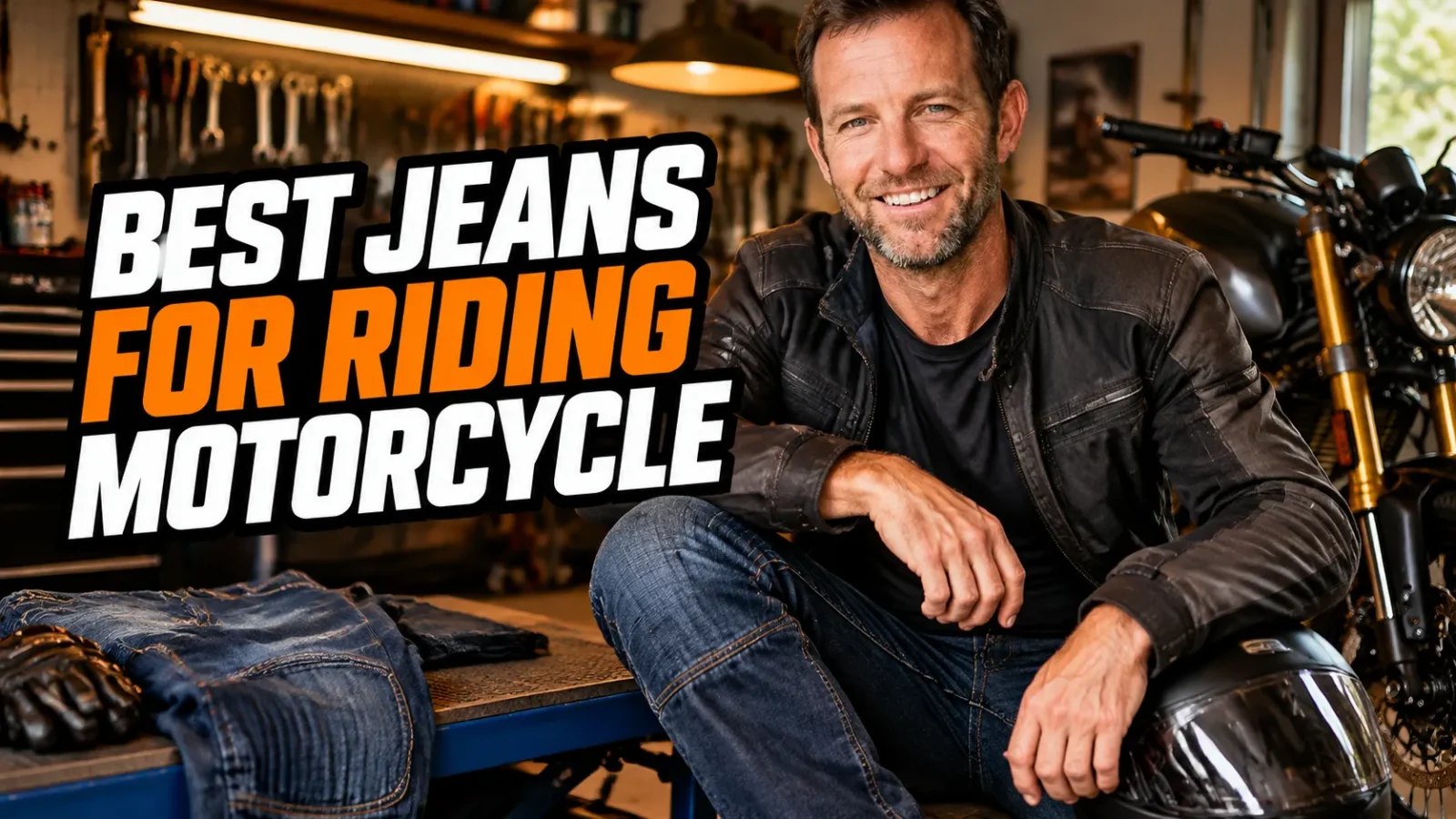
I still remember the first time I went down in a pair of regular Levi’s. It was a low-speed slide on a wet roundabout, maybe 30 km/h, and by the time I picked myself up there was a hole in the knee the size of my palm and road rash underneath it.
That was the day I stopped pretending that “jeans are jeans” on a motorcycle. Since then I’ve ridden through roughly a dozen pairs of dedicated riding jeans — commuting daily, touring 5,000 km trips, and the odd track day where I probably shouldn’t have been wearing denim at all.
What follows is my honest, personal ranking of the best jeans for riding a motorcycle that you can actually buy right now. I’ve worn most of these, borrowed or borrowed-and-returned the rest, and I’ll tell you exactly where each one shines and where it annoys me.
- Best overall: Rokker Rokkertech Slim — single-layer UHMWPE, no scratchy liner, looks like a normal jean.
- Best value: Alpinestars Copper v2 Denim and Bull-it Icon II both deliver real CE-rated protection under $250.
- Best for touring: Klim K Fifty 2 — relaxed fit, D3O armour, Cordura denim that survives long days.
- Skip anything without a CE EN 17092 rating. “Kevlar lined” alone means nothing without an abrasion class.
- Always check that the knee armour sits on your kneecap when you’re actually seated on the bike.
What I Actually Look For in a Riding Jean
Before the list, let me explain the filter I use. It matters, because the market is full of jeans that look the part but fall apart in a slide.
The CE EN 17092 Rating
This is the European standard for motorcycle clothing, and it’s the single most useful number on the label. Class AAA is the toughest, AA is the sweet spot for most riders, and A is entry-level protection.
If a pair of jeans doesn’t quote a rating, I don’t buy it. Simple as that.
Single Layer vs. Lined
Lined jeans — the classic Draggin-style design — sew an aramid panel inside a cotton denim shell. They work, but they’re heavy, hot, and the liner feels weird against your skin.
Single-layer jeans weave the abrasion-resistant fibre (UHMWPE, Dyneema, Covec) directly into the denim itself. They cost more, but they breathe, they weigh less, and I can actually wear them all day in summer.
Armour and Fit
Almost every jean on this list ships with knee armour and pockets for hip armour. My advice: buy the hips too. I’ve never once regretted it.
Fit is where people go wrong. Put the jeans on and sit on a chair with your knees bent. If the armour floats above your kneecap, the jeans are wrong for you, no matter how good the specs are.
1. Rokker Rokkertech Slim — Best Overall Riding Jean
If I could only own one pair of riding jeans for the rest of my life, this is it. The Rokker Rokkertech Slim is a single-layer jean woven with UHMWPE fibres, which means there’s no aramid liner rubbing against your legs on a hot day.
Mine are rated to the top of the CE EN 17092 scale depending on the version you buy, and they ship with removable knee armour plus hip pockets. The denim has a slight stretch, so they break in fast and stay comfortable on long rides.
Downsides? They’re expensive — expect somewhere between $350 and $450 depending on where you shop — and the slim cut won’t suit riders who prefer room to move. But the Rokkertech Slim genuinely looks like a normal high-end jean. Nobody at the pub has ever guessed mine are protective.
2. Saint Unbreakable Straight Cut — Best Single-Layer Dyneema
Saint is an Australian brand, and the Unbreakable Straight Cut was one of the first single-layer UHMWPE jeans that really convinced me the technology works. It’s AA rated, and the fabric is remarkably light for how strong it is.
The trade-off is stiffness. When new, these feel like heavy raw denim and take a couple of weeks to soften up. After that, they’re brilliant.
Saint also offers a Slim version for riders who want a closer cut. Pricing lands around $250 to $300 USD depending on the exchange rate, which is honestly fair for a genuine single-layer jean.
3. REV’IT! Philly 3 — Best Everyday Commuter Jean
The Philly 3 is the pair I recommend most often to friends who commute daily. It uses 12.5oz Cordura denim, comes with REV’IT!’s own SEESMART CE Level 1 knee protectors, and has pockets ready for hip armour.
It’s AA certified and sits in that lovely middle ground where it looks casual but doesn’t scream “motorcycle gear”. I wore mine to the office every day for a year without anyone batting an eye.
At roughly $230 to $270, it’s the best balance of price, protection and subtle styling on this list. My only gripe is that the hip armour is sold separately, which always feels like a bit of a nickel-and-dime move.
4. Alpinestars Copper v2 Denim — Best Budget Entry Point
Not everyone wants to spend $400 on their first pair of riding jeans, and I get that. The Alpinestars Copper v2 Denim is where I’d point a new rider.
It’s a 13oz denim with an aramid fibre lining over the impact zones, Nucleon CE Level 1 knee armour included, and hip pockets. It carries an A rating, which is the lower tier — but it’s still a genuine CE-certified garment, and that’s a massive upgrade over street denim.
Price is usually $180 to $220. The fit is slightly roomier than the European brands, which I actually prefer for riding, and the aramid liner isn’t as scratchy as some older designs.
Who it’s for
Commuting, weekend rides, and anyone who isn’t ready to commit four figures to gear. If you’re doing serious highway miles, I’d step up.
5. Knox Richmond MKII — Best Armour Setup Out of the Box
Knox is a British brand best known for making the armour that other companies use, so it’s no surprise their own jeans are so well equipped. The Richmond MKII ships with Knox’s own CE-rated knee armour and is abrasion tested to AA standard.
What I love about these is that the armour is genuinely wearable. There’s none of that sensation of having two plastic plates strapped to your shins.
They’re built on a 10oz denim shell with reinforcement in the right places, so they feel lighter than their protection level suggests. Expect to pay around £180 to £220, or roughly $260 in the US. Sizing runs a touch small, so try before you buy if you can.
6. Klim K Fifty 2 — Best for Long-Distance Touring
Klim builds gear for people who ride far, and the K Fifty 2 reflects that. It’s a relaxed straight fit with Cordura denim construction, D3O knee armour, and pockets for hip armour. It’s AA rated.
This is the pair I reach for on multi-day trips. The cut gives me room to move on the pegs, there’s no binding across the thighs after eight hours in the saddle, and the denim holds its shape instead of sagging.
They run about $290 to $330. That’s not cheap, but I’ve had mine for three seasons and they still look presentable. The K Fifty 1 is Klim’s slimmer alternative if you want the same build in a tighter cut.
7. Pando Moto Mark Kev 01 — Best Stretch Comfort
Pando Moto is a Slovenian brand that quietly makes some of the most comfortable riding jeans I’ve worn. The Mark Kev 01 is a single-layer design with UHMWPE woven into the denim, and it’s AA rated.
The standout is the stretch. I can wear these all day, sit through a meeting, and still feel fine. D3O armour at the knees comes as standard on most versions.
Pricing sits around €230 to €270. They’re slightly harder to find in North American stores, so you may need to order direct or from a European retailer.
8. Bull-it Icon II — Best Value Single-Layer Jean
Bull-it uses a fabric called Covec, which is a single-layer abrasion-resistant material made partly from recycled content. The Icon II is their straight-fit staple, and it’s AA rated.
What makes it my value pick is that Bull-it offers versions with upgraded armour, so you can get a properly protected pair for a lot less than the premium European brands. Prices start around £130 and climb with the armour option you pick.
The denim itself is decent rather than luxurious. It won’t win any fashion awards, but it does the job and I’ve never felt underdressed or under-protected in them.
9. Draggin Slix — Best Classic Aramid-Lined Jean
Draggin Jeans more or less invented this category in Australia, and the Slix is their slim-cut classic. It’s built on a cotton denim shell with an aramid (Kevlar) liner bonded across the seat, hips and knees.
The upside is that it feels like an old, familiar pair of jeans. The downside is weight and heat — the liner makes them noticeably warmer than a single-layer jean, and I wouldn’t want to wear them in a hot European summer.
They come with knee armour pockets and usually cost $180 to $230 AUD, which makes them one of the cheapest genuinely protective options out there. If you’re riding in a cooler climate, they’re a solid call.
10. Resurgence Gear Pioneer PEKEV — Best Abrasion Resistance
Resurgence Gear uses a fabric called PEKEV, and the Pioneer line is built around it. PEKEV is a para-aramid and UHMWPE blend that has tested well beyond the minimum requirements of the AA standard in independent abrasion tests.
In other words, this is the pair I’d choose if my riding involves a lot of fast, open road and I want the most abrasion resistance I can get without wearing leather.
They include CE Level 2 knee armour and come in around $230 to $280. The fit is a classic straight leg and the fabric softens nicely after a few washes.
How I’d Choose Between Them
If you only ride short city hops, buy the Alpinestars Copper v2 or the Bull-it Icon II and put the money you saved toward a better jacket.
If you commute daily and want one pair that does everything, the REV’IT! Philly 3 is my pick. If you want the best and don’t mind paying for it, the Rokker Rokkertech Slim is in a different league.
Three Things I Wish I’d Known Earlier
First: always buy the hip armour. It’s cheap, it takes two minutes to fit, and your pelvis is not a part of your body you want to test on tarmac.
Second: wash riding jeans cold and inside out, and never use fabric softener. It breaks down the abrasion-resistant fibres over time, which quietly reduces the protection you paid for.
Third: replace jeans after a serious crash, even if they look fine. Aramid and UHMWPE fibres lose strength after impact, and a jean that has already done its job once may not do it twice.
My Honest Takeaway
There is no single best pair of motorcycle jeans — only the best pair for your body, your bike and your riding. The gap between a $180 CE-rated jean and a $400 one is real, but the gap between any CE-rated jean and a pair of ordinary denim is enormous.
Buy the highest rating you can afford, get the armour fitted properly, and go ride. That’s the advice I’d give anyone who asked me, and it’s the same advice I wish someone had given me before that wet roundabout.
Frequently Asked Questions
Are motorcycle jeans actually safer than normal jeans?
Yes, significantly. Regular denim can shred in well under a second of sliding, while a CE EN 17092 AA rated riding jean is tested to survive a slide at around 70 km/h. The difference is the fabric: aramid, UHMWPE (Dyneema) or Covec liners resist abrasion far longer than cotton.
What is the difference between single-layer and lined riding jeans?
Lined jeans use a separate aramid or Kevlar panel sewn inside a denim shell. Single-layer jeans weave the abrasion-resistant fibre directly into the denim, so they breathe better, weigh less and don’t have a scratchy liner. Single-layer costs more but is much more comfortable in summer.
Do I need to upgrade the knee armour in riding jeans?
Most jeans ship with CE Level 1 armour, which is fine for commuting. If you do a lot of highway riding or track days, swapping to Level 2 or a flexible armour like D3O Ghost or Knox Micro-Lock makes a noticeable difference without ruining the fit.
How should riding jeans fit?
Snug but not tight. The knee armour needs to sit over your kneecap when your leg is bent on the pegs, so always try jeans sitting on a bike or crouched. If the armour floats above your knee when seated, size down or adjust the pocket height.

Related Articles

8 Best Motorcycle Pants for Street Riding (Tested & Reviewed)
After years of street riding, I've tested the top motorcycle pants for comfort, protection, and style. Here are my 8…
Jake Miller
6 min read
8 Best Motorcycle Overpants for Commuting in a Suit: Ride to Work Without Wrinkles
I tested the best motorcycle overpants for commuting in suits. From waterproof shells to mesh summer options, these picks keep…
Jake Miller
8 min read
8 Best Motorcycle Pants for Women Who Wear a US Size 18
After years of squeezing into gear that never fit, I rounded up the 8 best motorcycle pants for women in…
Jake Miller
9 min read