
9 Triumph Motorcycles I’d Recommend for Different Riders and Riding Styles
 Jake Miller
13 min read
Jake Miller
13 min read
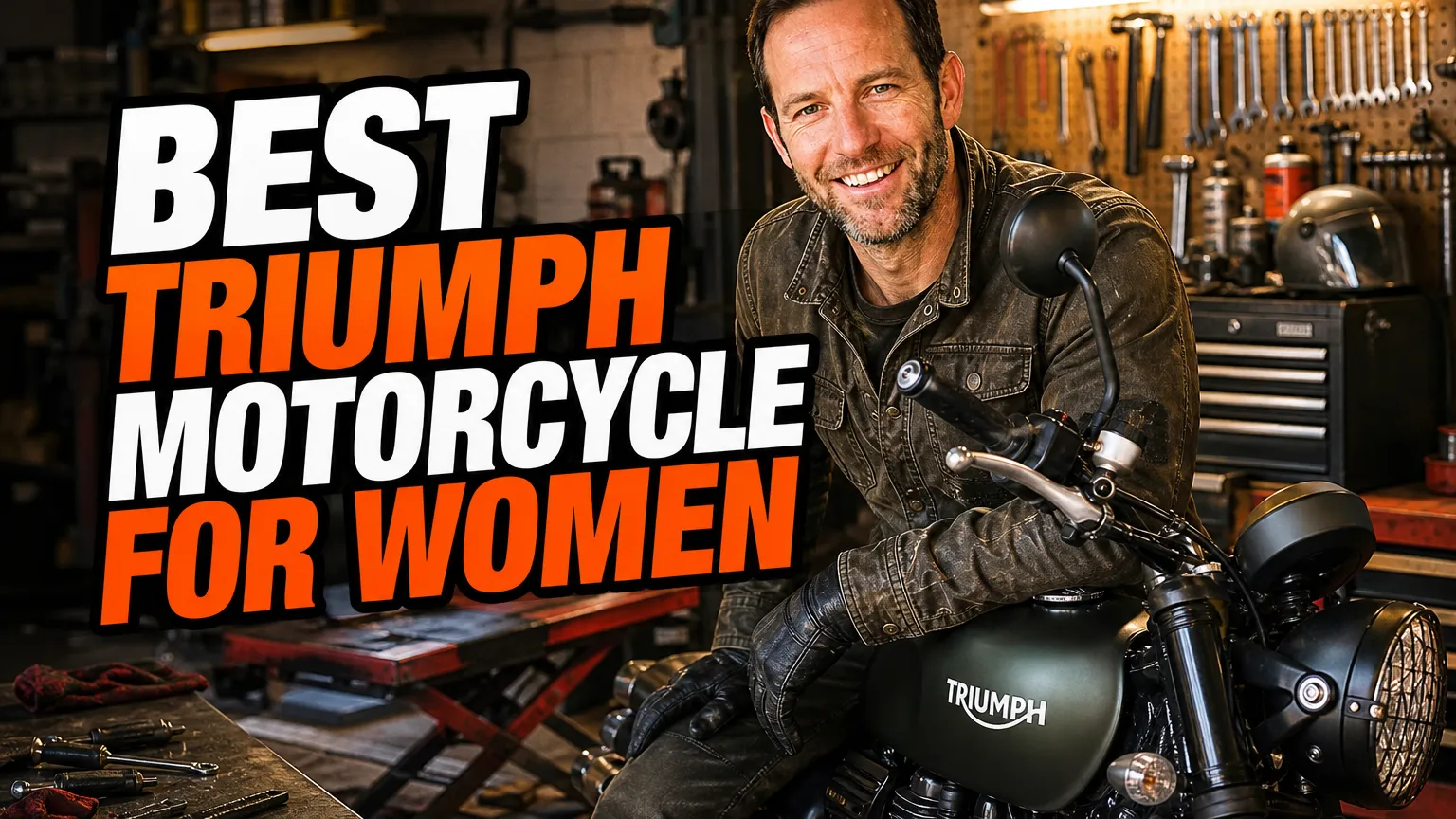
When I help someone choose a Triumph, I start with how the motorcycle fits and feels, not with a label about who it is “for.” Seat height, overall weight, reach to the bars, throttle response, and the kind of riding I plan to do all matter more than gender. The best Triumph motorcycle for women is the one that gives a particular rider confidence and suits her real-life needs.
Triumph’s range includes approachable 400cc models, middleweight roadsters, classic standards, and adventure tourers. Below, I’ve narrowed down nine real models I’d consider for different riding styles, with practical notes on comfort and handling to help you make a shortlist.
- I’d start with the Speed 400 if I wanted an approachable, lightweight roadster.
- I’d compare the Trident 660 and Tiger Sport 660 for a versatile middleweight.
- A low seat does not automatically mean an easy motorcycle: I always consider weight and balance, too.
- I’d test the riding position and try slow-speed maneuvers before choosing any model.
1. Triumph Speed 400 — My Pick for an Approachable First Triumph
The Speed 400 is where I’d begin if I wanted Triumph character in a compact, manageable roadster. Its 398cc single-cylinder engine makes about 40 horsepower, and the bike’s uncomplicated, upright layout feels less intimidating than a larger, heavier machine. For a newer rider, I like that the power is useful without being overwhelming.
Triumph lists a seat height of about 31.1 inches, which is approachable for many riders, though I wouldn’t assume it will suit everyone. The Speed 400’s relatively compact proportions also make it easier to consider for commuting and urban use. I’d still check how comfortably I can reach the ground and whether the handlebar position works for my arms and back.
What I’d weigh up before buying
I see the Speed 400 as a strong choice for everyday roads, short trips, and building confidence. Its smaller engine is also a useful reminder that I don’t need a big displacement to enjoy riding. If I’m still comparing engine sizes, I’d read this guide to the best motorcycle engine size for beginners before deciding.
My main caveat is that a light, friendly roadster is not automatically a long-distance comfort machine. I’d pay attention to wind exposure, seat comfort, and how the bike feels after an hour in the saddle. For an accessible first step into the Triumph range, though, the Speed 400 would be near the top of my list.
2. Triumph Trident 660 — My All-Round Middleweight Roadster
I’d look at the Trident 660 if I wanted a bike that could grow with my skills and still feel useful for regular rides. Its 660cc triple gives it a different character from the smaller single-cylinder Triumphs, with a lively, flexible feel that suits both city streets and open roads. The roadster layout keeps the overall riding experience direct and uncomplicated.
The Trident’s seat is around 31.7 inches high, but I’d assess the bike in person rather than rely on that figure alone. Reach to the ground depends on inseam, seat shape, suspension setup, and how the bike settles under my weight. I’d also test the clutch and handlebar reach, particularly if I expect to spend a lot of time in stop-and-go traffic.
Why I’d choose it
For me, the Trident 660 makes sense when I want a balanced motorcycle rather than a dedicated touring machine or a very small beginner bike. It has room for skills to develop, while its upright roadster stance remains approachable. If everyday commuting is my priority, I’d compare it with Triumph’s other road-focused options in this guide to the best triumph motorcycle for daily road riding.
I’d choose the Trident over a 400 if I wanted more performance for faster roads and longer rides. In exchange, I’d expect more engine response and a little more weight to manage at low speeds. A supervised test ride would tell me whether that tradeoff feels exciting or tiring.
3. Triumph Speed Twin 900 — My Choice for Classic Style and Daily Use
The Speed Twin 900 appeals to me when I want traditional Triumph styling without choosing a large-displacement classic. It pairs a 900cc parallel-twin engine with a road-focused, upright riding position. The engine’s character and the bike’s clean design make it feel special, while the format remains practical enough for everyday rides.
Its seat height is about 31.1 inches, a useful number for riders who prefer a lower seat, but the bike is still heavier than the Speed 400. I’d check whether I can comfortably push it backward, turn it around, and hold it steady on uneven ground. Those simple tasks can tell me more about fit than a spec sheet can.
Where it fits in my shortlist
I’d consider the Speed Twin 900 for commuting, weekend rides, and relaxed trips on paved roads. It isn’t a lightweight beginner bike, but I find its classic standard layout less specialized than a sport-focused motorcycle. If I like the look of a Bonneville but want a slightly more contemporary roadster presentation, this is one I’d sit on.
My advice is to choose it because the fit and feel work for me, not just because the styling is attractive. I’d also check local versions and available accessories, since details and pricing can vary by market and model year.
4. Triumph Bonneville T100 — My Classic Standard for Relaxed Riding
The Bonneville T100 is the Triumph I’d consider when I want a familiar classic-bike silhouette and an unhurried riding position. Its 900cc parallel twin and traditional proportions suit relaxed road riding, while features such as modern fuel injection and rider aids bring it into contemporary use. I like the balance between heritage styling and everyday usability.
The seat is approximately 31.1 inches high, which can make the T100 feel accessible for a classic of this size. But it weighs considerably more than a 400-class motorcycle, so I’d be especially attentive to balance when parking or maneuvering slowly. I’d test the bike on a slight slope if possible, rather than judging it only while standing beside it.
What I’d want from a test ride
I’d take the T100 out on the kind of roads I use most and notice how the engine responds at low speeds, how the bars feel, and whether the seat stays comfortable. The classic stance can be appealing for a wide range of riders, but I’d still check for wrist, knee, and back comfort. A short ride around a dealership block may not reveal those details.
The T100 would be my pick for someone who values timeless styling and a calm, road-focused experience over light weight or sporty handling. I’d compare it directly with the Speed Twin 900, since choosing between them is partly a matter of fit, equipment, and the classic look I prefer.
5. Triumph Scrambler 400 X — My Versatile Small-Capacity Option
I’d shortlist the Scrambler 400 X if I wanted the approachable 400cc engine in a taller, more versatile package. It shares its basic engine family with the Speed 400, but its scrambler styling, wider handlebar, and longer-travel suspension give it a different feel. It’s suited to paved roads and light, well-maintained gravel rather than demanding off-road trails.
The Scrambler 400 X has a seat height of around 32.9 inches, noticeably taller than the Speed 400. That extra height can help with visibility and a more spacious stance, but it may make stopping and backing up less comfortable for some riders. I’d check whether the seat width lets me reach the ground securely, rather than judging by the measurement alone.
Who I think it suits
I’d consider this model if I wanted a light-feeling, smaller-capacity Triumph and liked an upright riding position. The higher seat means I wouldn’t recommend it blindly to a shorter rider. For more ideas on comparing reach, weight, and seat height, I’d use this guide to the best motorcycle for small women as a fit-focused starting point.
I’d keep my expectations realistic about the “scrambler” label. The Scrambler 400 X can handle occasional easy gravel, but I’d select proper tires and protective gear for the conditions and avoid treating it like a dedicated adventure motorcycle.
6. Triumph Tiger Sport 660 — My Road-Touring Middleweight
The Tiger Sport 660 is the Triumph I’d investigate if my rides regularly included longer distances, highway stretches, or a passenger. It uses a 660cc triple and adds a taller, more protective fairing and a more touring-oriented riding position than the Trident 660. I like that it keeps a road-focused character rather than becoming a large adventure bike.
Its seat height is roughly 32 inches, depending on version and setup, so I’d test the reach carefully. The fairing and windscreen can make a noticeable difference on faster roads, but comfort still depends on my torso length and how the screen directs airflow. I’d also check how much luggage I can carry with the accessories available in my market.
My touring and commuting take
I’d choose the Tiger Sport 660 over the Trident when wind protection and longer-day comfort matter more than a compact roadster feel. It is still a substantial motorcycle, and I’d make sure the weight feels manageable at walking pace. For broader touring comparisons, I’d also consult this guide to the best long distance motorcycle for women.
For a rider who wants one motorcycle for commuting, weekend trips, and occasional touring, the Tiger Sport 660 makes a persuasive case. I’d check passenger comfort and luggage capacity in person, because those are the details that decide whether a touring-friendly bike works for my actual plans.
7. Triumph Street Triple 765 R — My Sportier Road Choice
The Street Triple 765 R is the one I’d consider if sporty handling and strong performance are high on my list. Its 765cc triple, sharp roadster chassis, and more purposeful riding position make it a very different proposition from the Speed 400 or Bonneville T100. I find the appeal clear: it’s built for riders who enjoy lively acceleration and precise cornering.
This is not the model I’d select simply because it has a manageable-looking seat height. The seat is around 32.5 inches, and the bike’s performance and sporty geometry call for confidence and thoughtful control. I’d want experience on a less powerful motorcycle first if I were still learning, and I’d take time to understand its throttle response and braking feel.
When I’d pick the Street Triple
I’d choose the Street Triple 765 R for spirited paved-road rides, not as my first recommendation for a nervous beginner or a rider whose priority is plush touring. Its ergonomics may work well for many body types, but I’d check the bend at my knees and the reach to the bars during an extended test ride.
For the right rider, it can be an exciting and capable everyday motorcycle. I’d treat protective equipment, training, and a careful test ride as essential parts of the decision rather than afterthoughts.
8. Triumph Tiger 900 GT Pro — My Premium Adventure-Touring Pick
The Tiger 900 GT Pro would be on my list if I wanted a more powerful, feature-rich motorcycle for serious road touring and occasional unpaved detours. Its 888cc triple and adjustable seat-height range give it a broad touring brief. The GT Pro is the road-oriented Tiger version I’d examine first if I expected most of my miles to be on pavement.
The seat can be adjusted to roughly 31.9 or 32.7 inches, depending on position, but that doesn’t make the bike small. It remains a heavy, tall adventure-tourer compared with the 400s and roadsters above. I’d try it fully upright, with the suspension set appropriately, and make sure I can manage the bike at low speed before committing.
My practical caution
I’d pick the Tiger 900 GT Pro for long trips, substantial touring capability, and the comfort of a larger machine. I would not choose it just because it has a low seat setting or because I like the adventure-bike look. Weight, reach, confidence on uneven ground, and loaded luggage handling matter a great deal on a touring bike.
If its size suits me, it offers room to travel in comfort and carry useful gear. I’d compare its features and equipment with the Tiger Sport 660 before spending more, especially if I don’t need the extra capacity or adventure-tourer format.
9. Triumph Bonneville Bobber — My Low-Seat Cruiser-Style Option
The Bonneville Bobber stands out for its very low seat, around 27.2 inches, and distinctive stripped-back styling. If I feel more secure with a lower seat, I’d be tempted to try it. Its 1200cc parallel twin offers substantial road-going performance, and the relaxed, feet-forward character creates a very different experience from Triumph’s upright roadsters.
But I would never judge the Bobber on seat height alone. It is a heavy motorcycle, and its low seat does not remove the challenge of moving that weight around a parking lot or managing a tight turn. I’d pay close attention to the riding position, foot controls, steering feel, and how easily I can catch the bike if it begins to lean.
Why I’d test before deciding
I’d choose the Bobber for its style and distinctive riding feel, not as a default beginner bike. A lower seat can increase my sense of security at stops, but a heavier motorcycle may still feel demanding. I’d practice slow-speed control in a safe setting and make sure I’m comfortable with the bike’s balance before taking it into traffic.
For riders who love the Bobber’s look and have the experience to handle its weight, it can be a memorable choice. I’d also check the local model’s specifications and available seat options, as equipment and details can vary across markets.
How I’d Make My Final Choice
I’d narrow the list by deciding what I actually ride: weekday commutes, weekend back roads, longer tours, or some combination. Then I’d compare engine response, weight, reach, seat comfort, and wind protection against those needs. If I’m choosing from outside the United States, I’d check local dealer availability and pricing; riders shopping in Southeast Asia may also find this best motorcycle for women philippines guide useful.
At a dealership, I’d sit on each shortlisted bike in my usual riding boots and ask for help setting the suspension for my weight. I’d check whether I can operate the controls comfortably, move the motorcycle backward, and hold it steady with the bars turned. If possible, I’d take a proper test ride and practice a few slow turns in a safe area.
My personal shortlist would start with the Speed 400 for an approachable roadster, the Trident 660 for a versatile middleweight, and the Tiger Sport 660 for more wind protection and touring potential. I’d choose a Bonneville or Bobber for its distinctive character, and move to the larger Tigers or Street Triple only if their size, performance, and riding position genuinely fit my experience and plans.
There isn’t one Triumph that fits every woman, or every rider. I’d focus on the motorcycle that feels controlled when I stop, comfortable when I ride, and right for the routes I’ll actually take. That’s the choice I’d trust over a recommendation based on gender alone.
Frequently Asked Questions
Which Triumph motorcycle is easiest to manage for a newer rider?
I’d start by sitting on the Triumph Speed 400 or Scrambler 400 X. Both have approachable 400cc engines, but seat height and riding position differ.
Which Triumph has the lowest seat height?
The Triumph Bonneville Bobber has a notably low 27.2-inch seat, but its substantial weight means I’d assess slow-speed handling as carefully as seat reach.
Is a Triumph 660 suitable for everyday riding?
Yes. I find the Trident 660 and Tiger Sport 660 versatile middleweights, with the Trident favoring roadster riding and the Tiger Sport adding touring comfort.
Should I choose a motorcycle based on being a woman?
I’d choose based on fit, weight, controls, riding experience, and intended use rather than gender. A test ride and careful stationary fit check matter most.

Related Articles

9 Best Beginner Motorcycles for Shorter Riders Who Want Confidence
Compare nine beginner-friendly motorcycles for shorter riders, with seat heights, weights, features, and my practical tips for choosing a bike…
Jake Miller
13 min read

8 Best Motorcycles for 5’4″ Riders, From Easygoing Cruisers to Agile Roadsters
Find the best motorcycle for a 5'4" woman with my picks, seat-height advice, real-world fit tips, and beginner-friendly options for…
Jake Miller
12 min read

8 Best Motorcycles for Short Riders: Comfortable Picks for a 5’1″ Rider
Compare eight approachable motorcycles for shorter riders, with seat heights, weight, handling notes, and practical tips for finding a confident…
Jake Miller
13 min read