
Your First Ride: A Step-by-Step Guide to Getting a Motorcycle Licence in Victoria
 Jake Miller
10 min read
Jake Miller
10 min read
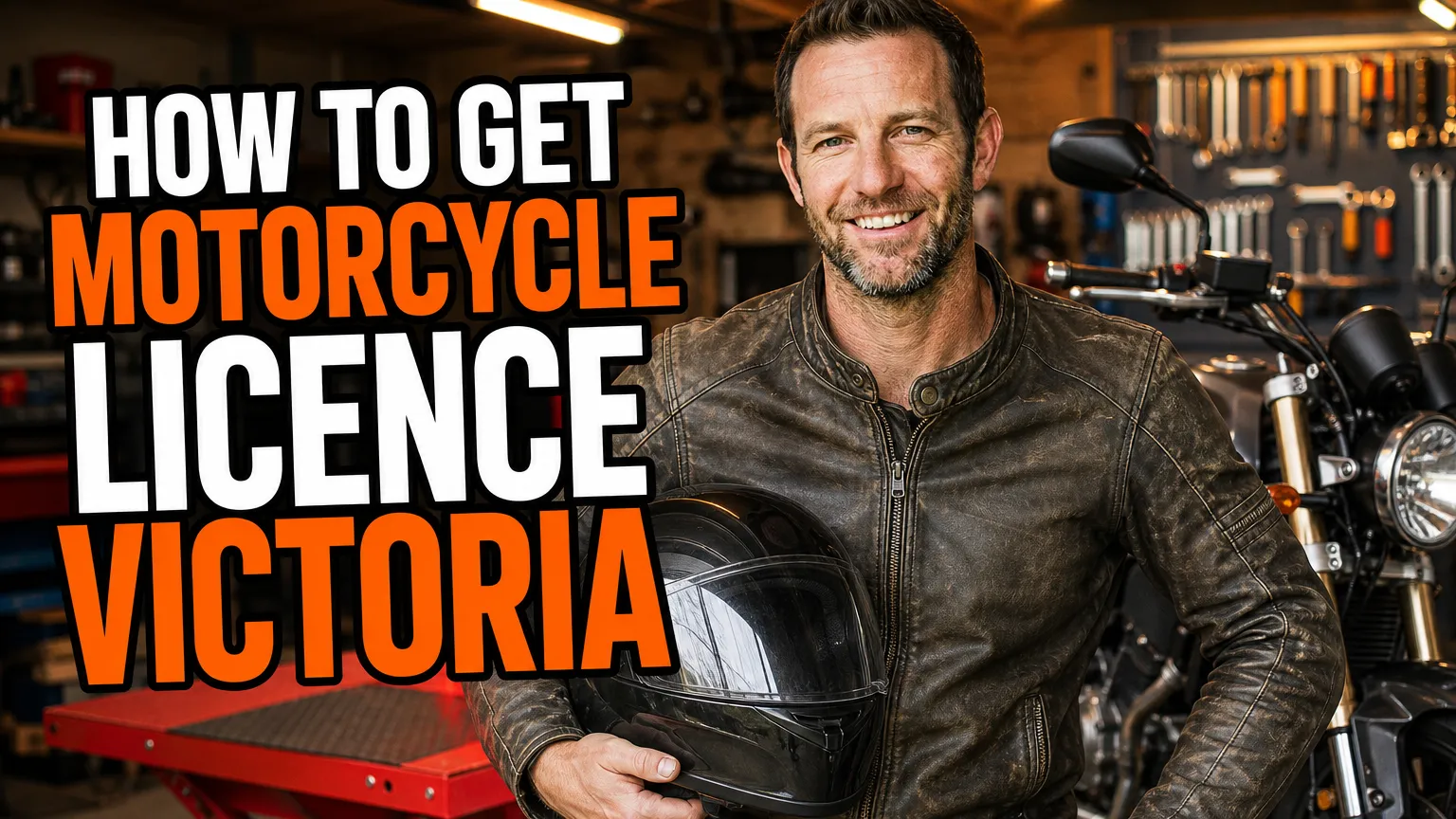
If you’re working out how to get a motorcycle licence in Victoria, the process can feel like a lot of steps before you’ve even turned a wheel. I find it much easier to approach it as a clear progression: train, get your learner permit, practise within the rules, then complete the assessment required for your licence.
I’ve put the process into plain English below, with practical tips for choosing training, preparing for the tests and avoiding common learner mistakes. Licensing requirements can change, so I always recommend confirming the latest details with VicRoads’ motorcycle licence information before booking.
- Start with the required pre-learner training from an approved motorcycle training provider.
- Pass the motorcycle learner permit test and meet VicRoads’ eligibility requirements.
- Practise on a learner-approved motorcycle while following your permit conditions.
- When eligible, complete the required motorcycle licence assessment and check current rules with VicRoads.
How I think about the Victorian licensing pathway
I see the licensing process as a safety progression rather than just a set of tests. Each stage is there to help me build core control, road awareness and confidence before I take on more demanding rides.
In broad terms, I start with a pre-learner course, apply for a motorcycle learner permit, practise under learner conditions and then complete the relevant assessment to move on to a motorcycle licence. Your exact steps and timing can depend on your age, permit status and current Victorian rules.
Step 1: Check that you’re eligible
Before I spend money on a course, I check that I meet the current eligibility requirements. In Victoria, you generally need to be at least 18 to apply for a motorcycle learner permit, but I would confirm the latest age, identity and application requirements directly with VicRoads.
I also check whether I need to bring particular documents or meet any other conditions when I apply. It’s a small bit of preparation that can save a frustrating extra trip or a missed appointment.
Step 2: Complete the pre-learner training
In Victoria, motorcycle learner permit applicants need to complete the required pre-learner training through an approved provider. I think this is one of the most valuable parts of the pathway because it gives a new rider supervised time to learn basic control before practising alone on the road.
Training usually introduces the fundamentals: getting familiar with the controls, moving away smoothly, braking, turning and balancing at low speeds. Your provider will explain the course structure and what you need to bring, so I’d read their instructions carefully rather than assuming every venue runs exactly the same schedule.
How I’d choose a training provider
I’d start by checking that the provider is approved for the required Victorian training. Then I’d compare available dates, location, course details and what is included in the fee. If I’m unsure, I’d ask whether the training motorcycle and protective gear are supplied or whether I need to bring my own.
I’d also be honest about my experience level when booking. If I’ve never ridden before, I want a provider that clearly explains what happens on the day and what support is available if I need more practice with a particular skill.
Step 3: Pass the learner permit test and apply
After completing the required training, I move on to the motorcycle learner permit test and application steps set by VicRoads. I prepare using the current official study information rather than relying on old practice questions shared online, which may not reflect today’s road rules or test format.
I focus on the rules that matter to safe riding: road signs, intersections, following distance, lane positioning and how to respond to hazards. I also make sure I understand motorcycle-specific requirements, because being comfortable with the controls is only one part of riding safely.
VicRoads explains current application steps and testing arrangements through its licensing information. I check that page before making plans, especially if I’m booking a test or travelling to an appointment.
What I do once I have my learner permit
Getting the permit is a milestone, but I treat it as the beginning of the learning stage, not a sign that I’m ready for every road or condition. I build up gradually, practise the skills I was taught and keep my rides within the limits on my permit.
Follow every learner condition
Victoria sets conditions for motorcycle learner permit holders. These can include displaying L plates, riding only a learner-approved motorcycle and not carrying a passenger. Alcohol limits and other road rules also apply, and I never assume that a condition has changed just because I’ve seen another rider doing something different.
I check the current rules on the VicRoads motorcycle licence page and read the conditions attached to my own permit. That’s the safest way to know exactly what applies to me rather than relying on a mate’s memory.
Choose a suitable learner-approved motorcycle
I make sure the motorcycle I use meets Victoria’s learner-approved requirements before I ride it. A bike that looks manageable or has a modest engine size isn’t automatically suitable, so I check the official list or current eligibility information first.
For a first bike, I value predictable handling, a comfortable riding position and manageable weight more than impressive performance. I’d rather feel relaxed enough to practise smooth braking and accurate turns than struggle with a machine that feels intimidating at low speed.
Practise the basics before chasing distance
When I practise, I focus on being smooth and consistent instead of covering lots of kilometres. Quiet, suitable locations and low-traffic routes can give me room to build control, but I only practise where it is legal and safe to do so.
I work on starting, stopping, slow turns, looking through corners and using the brakes progressively. I also practise checking mirrors and scanning for hazards, because good observation needs to become part of my riding routine rather than something I remember only when I’m nervous.
My approach to building confidence
I increase the challenge in small steps. I might first get comfortable with the motorcycle’s controls, then practise quiet streets, and only later ride busier routes or unfamiliar roads when I feel ready and my permit conditions allow it.
If a particular manoeuvre feels awkward, I slow down and work out what’s going wrong instead of repeating it in a panic. A qualified instructor can often spot a small issue with posture, vision or control that’s hard to notice on my own.
Getting ready for the motorcycle licence assessment
When I’ve held my permit for the required period and met the relevant conditions, I can move toward the motorcycle licence assessment. The exact timing and assessment process can depend on my circumstances, so I confirm the current requirements with VicRoads and my approved training provider before booking.
I don’t treat the assessment as a last-minute hurdle. I use my learner period to build dependable habits, then ask my provider what skills and preparation are expected for the next stage.
What I prepare before booking
I check the assessment format, booking process, fees and any equipment requirements in advance. I also confirm whether I’ll use my own motorcycle or a provider’s motorcycle, and make sure any bike I plan to ride is eligible and in safe working order.
On the day, I want to arrive with enough time to settle in rather than rushing from the car park straight into a test. I bring the required identification and protective gear, follow the provider’s instructions and ask questions beforehand if something is unclear.
Skills I keep practising
I expect to be assessed on safe, controlled riding, not just the ability to make the motorcycle move. That’s why I practise observation, positioning, smooth speed changes and following instructions as well as the basic handling skills I learned earlier.
I also pay attention to calm decision-making. In my view, a good ride is not about looking fast or overly confident; it’s about choosing a safe response, staying aware of what’s around me and controlling the motorcycle consistently.
Costs, bookings and timing
I budget for more than just one test fee. Depending on my circumstances, costs may include the training course, learner permit application, motorcycle hire, protective equipment, practice or refresher sessions, and the later assessment or licence fees.
Fees and appointment availability can change, so I check them with VicRoads and the training provider before I commit. I also ask what happens if I need to reschedule or repeat a course or assessment, because those policies can affect my overall budget.
Timing is another detail I plan carefully. Course places and assessment bookings may not be available exactly when I want them, and I may need to meet a minimum learner period before progressing. I confirm the sequence first so I don’t book a later step before I’m eligible to take it.
Mistakes I’d try to avoid
- Relying on outdated advice: I verify requirements with VicRoads because licensing rules, fees and processes can change.
- Choosing a motorcycle without checking eligibility: I confirm it meets the current learner-approved requirements before riding.
- Rushing the practice stage: I build skill steadily rather than assuming that a few short rides prepare me for every situation.
- Ignoring small control problems: I ask for help if braking, turning or low-speed balance feels inconsistent.
- Turning up unprepared: I check documents, clothing, equipment and arrival instructions before course or assessment day.
I also avoid confusing the motorcycle pathway with the car licensing process. Some rules and restrictions are different, so I look for motorcycle-specific guidance rather than assuming my car licence experience answers every question.
Protective gear and sensible preparation
I treat proper protective gear as part of getting ready to ride, not an optional extra once I have a licence. I use a correctly fitted helmet that meets current requirements, along with suitable gloves, protective clothing and footwear that covers and supports my ankles.
Comfort matters too. Gear that fits poorly can distract me, restrict movement or make a short practice session miserable. If I’m buying equipment for the first time, I’d try it on in person where possible and ask a knowledgeable retailer about fit and current standards.
Before each ride, I give the motorcycle a quick check. I look at the tyres, lights, controls and general condition, and I make sure I know how the motorcycle feels before heading into traffic. I find that a simple routine helps me notice issues early and start each ride more calmly.
My final checklist for starting out
When I’m ready to begin, I keep the plan simple: confirm eligibility, book the required pre-learner training, prepare for the learner permit test, and check the current application process. After I receive my permit, I follow every condition and build my riding skills progressively.
Then, once I meet the requirements for the next stage, I confirm the assessment process and prepare properly rather than treating it as a formality. That steady approach is, in my opinion, the best way to make the move from curious beginner to capable, responsible rider.
For the most current details on how to get a motorcycle licence in Victoria, I’d use VicRoads as my source of truth and speak with an approved provider about training and assessment. With the right preparation, patience and practice, the process becomes much more manageable—and the first ride feels all the better for earning it.
Frequently Asked Questions
How old do I need to be to get a motorcycle learner permit in Victoria?
You must be at least 18 to apply for a motorcycle learner permit in Victoria. Check VicRoads for current eligibility requirements before booking.
Do I need to complete motorcycle training before I get my learner permit?
Yes. You need to complete the required pre-learner training with an approved provider before you can progress to the motorcycle learner permit test.
Can I ride any motorcycle on a learner permit in Victoria?
No. Learner riders must use a motorcycle that meets Victoria’s learner-approved motorcycle requirements and follow all learner conditions.
How long must I hold my motorcycle learner permit before applying for a licence?
The minimum period depends on your circumstances and current rules. I recommend checking VicRoads’ motorcycle licensing information before booking an assessment.

Related Articles

Your Roadmap to Riding: Get Licensed for a Motorcycle in Ontario
I explain Ontario’s M1, M2 and full M motorcycle licence steps, tests, timing, costs and training tips, plus what to…
Jake Miller
11 min read
Your Roadmap to Riding: Getting a Motorcycle Licence in Alberta
Learn how I’d approach Alberta’s motorcycle licence process, from eligibility and the Class 6 knowledge test to supervised practice, road…
Jake Miller
11 min read
Your Roadmap to Riding Legally: UK Motorcycle Licence Steps, Tests and Age Rules
Learn the UK motorcycle licence route, from CBT and theory to A1, A2 or unrestricted A. I explain age rules,…
Jake Miller
10 min read