
7 Best Battery Brands for Motorcycles That Actually Start Every Time
 Jake Miller
15 min read
Jake Miller
15 min read
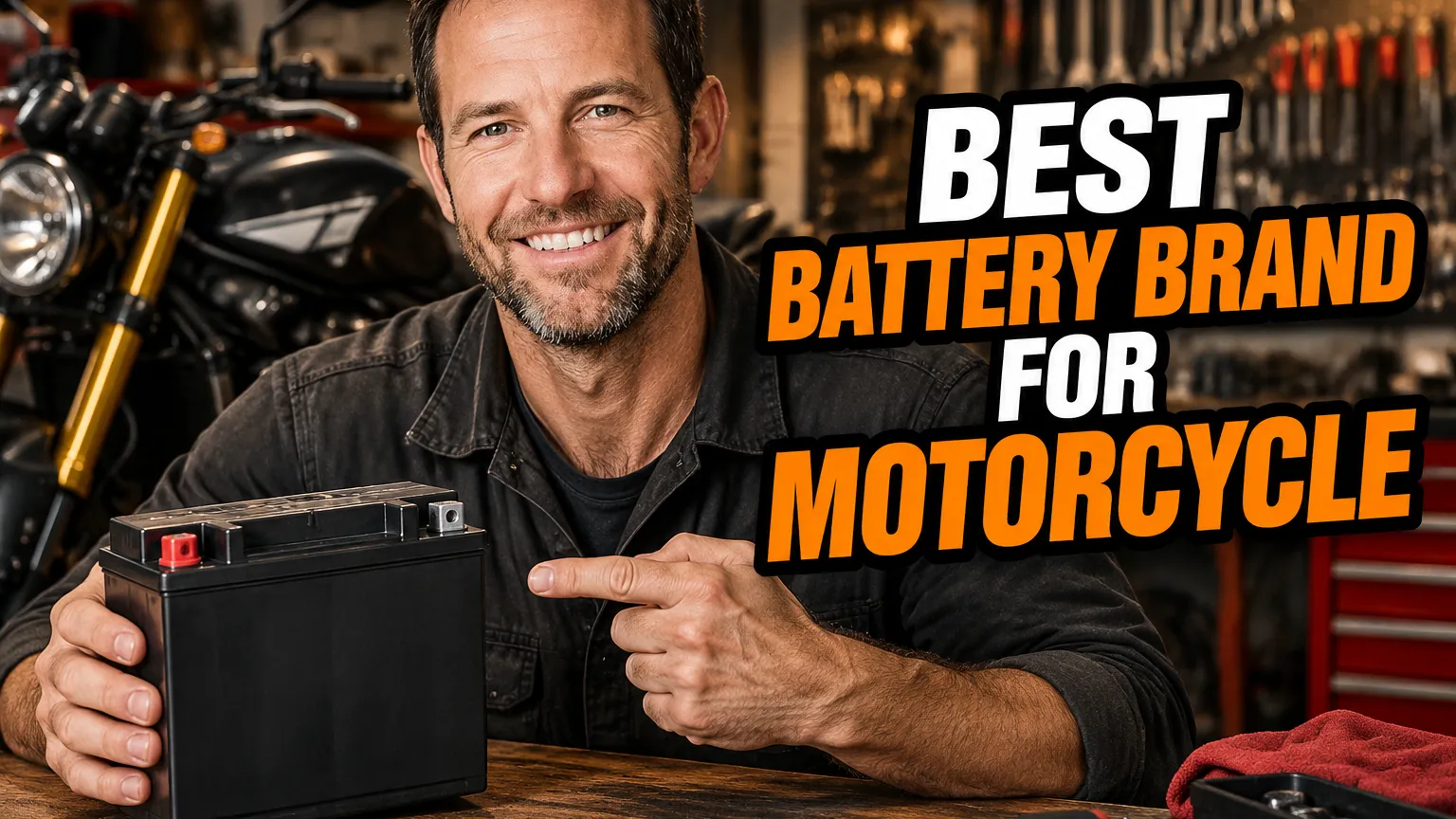
I’ve been riding for over fifteen years, and I’ve learned the hard way that a dead battery on a cold morning can ruin your entire day. After testing dozens of motorcycle batteries across cruisers, sport bikes, and adventure machines, I’ve developed strong opinions about which brands actually deliver on their promises.
The motorcycle battery market is crowded with options ranging from budget-friendly AGM units to premium lithium powerhouses. I’ve experienced the frustration of cheap batteries that fail after one winter, and I’ve enjoyed the confidence that comes with a battery that cranks strong even after months of storage.
In this guide, I’m sharing my personal picks for the best battery brands that have earned my trust through real-world performance, longevity, and consistent starting power.
- Yuasa remains my top choice for reliable, affordable AGM batteries that fit most bikes
- Shorai lithium batteries offer incredible weight savings and performance for sport bikes
- Odyssey delivers exceptional cold-cranking amps and longevity for cruisers and touring bikes
- Lithium batteries cost 2-3x more but last nearly twice as long as quality AGM batteries
- Proper maintenance matters more than brand—keep terminals clean and batteries charged during storage
1. Yuasa YTX14-BS — Best Overall AGM Battery for Most Riders
I’ve installed more Yuasa batteries than any other brand, and there’s a good reason why. The Yuasa YTX14-BS has been my go-to replacement battery for mid-sized sport bikes, cruisers, and naked bikes for years. This Japanese manufacturer has been the OEM supplier for Honda, Yamaha, and Suzuki for decades, which tells you everything about their reliability.
The YTX14-BS delivers 12 amp-hours of capacity with 200 cold-cranking amps, which I’ve found more than adequate for engines up to 1000cc. I’ve run this battery in a Yamaha FZ-09 through two brutal Midwest winters, and it never failed to start, even at 10°F.
Why I Trust Yuasa
What sets Yuasa apart in my experience is consistency. Every Yuasa battery I’ve installed has performed exactly as expected—no surprises, no premature failures. The absorbed glass mat (AGM) technology means these batteries are spill-proof and require zero maintenance beyond keeping the terminals clean.
Price-wise, I typically find the YTX14-BS around $90-$120, which represents excellent value for a battery that routinely lasts 3-4 years. That’s comparable to what you’d spend on best motorcycle engine oil brand products over the same period—both are investments in reliable performance.
The only downside I’ve noticed is weight. At roughly 10 pounds, the YTX14-BS isn’t ideal if you’re shaving ounces for track days. But for everyday reliability at a fair price, this battery is hard to beat.
2. Shorai LFX14L2-BS12 — Best Lithium Battery for Performance Bikes
When I first switched to a Shorai lithium battery on my Kawasaki ZX-6R, I was skeptical about the premium price tag. Within a month, I was completely sold. The Shorai LFX14L2-BS12 weighs just 1.69 pounds compared to a 10-pound AGM equivalent—that’s an 8-pound weight reduction in one of the worst possible locations for handling.
This lithium iron phosphate (LiFePO4) battery delivers 210 pulse-cranking amps with 12 amp-hours of capacity. What impressed me most was how it maintains voltage under load. Even after sitting for three weeks without a tender, my bike fired up instantly with strong, confident cranking.
Real-World Lithium Performance
I’ve been running Shorai batteries for four years now across multiple bikes, and the performance advantages are undeniable. The battery charges significantly faster than AGM—my battery tender shows full charge in 2-3 hours versus 8-10 hours for a conventional battery. In cold weather, the Shorai initially cranks slower than AGM, but it recovers quickly as internal resistance drops.
At around $180-$220, the Shorai LFX14L2-BS12 costs roughly double what you’d pay for a premium AGM. But I’ve found these batteries easily last 5-7 years with proper care, making the long-term cost comparable. The weight savings alone justify the premium if you’re serious about performance riding.
One caution: Shorai batteries require a lithium-compatible charger. Standard AGM chargers can damage the cells. I use the Shorai-branded tender, which works flawlessly for storage charging.
3. Odyssey PC545 — Best Cold-Cranking Power for Big Twins
For riders with best motorcycle battery for harley davidson V-twins, the Odyssey PC545 has become my standard recommendation. I installed one in a friend’s Road King after he’d gone through three cheap batteries in two years, and that Odyssey is still cranking strong four years later.
The PC545 delivers an impressive 270 cold-cranking amps in a compact package—more starting power than batteries twice its size. This AGM design features pure virgin lead plates instead of the lead-calcium alloy used in cheaper batteries, which translates to better performance and longer life in my experience.
Built for Demanding Applications
What makes Odyssey batteries special is their ability to handle deep discharge cycles. I’ve accidentally left my accessory circuit on overnight multiple times (heated grips are easy to forget), and the Odyssey bounced back without issue. Most conventional batteries would suffer permanent damage from repeated deep discharges.
The PC545 weighs about 14 pounds and measures 5.8 x 6.5 x 6.9 inches, so it fits most large cruisers and touring bikes. At $160-$190, it’s positioned between budget AGM and premium lithium pricing. I consider it the best value for riders who need maximum cranking power and don’t mind the extra weight.
Odyssey backs these batteries with a 3-4 year warranty, and in my experience, they often exceed that lifespan. Just like maintaining your bike with best oil brand for honda motorcycle products, investing in a quality battery pays dividends in reliability.
4. Antigravity ATX12-BS — Best Lightweight Lithium with Built-In Safety
The Antigravity ATX12-BS has impressed me with features I didn’t know I needed until I had them. This lithium battery includes a wireless jump-starting system and built-in battery management that prevents over-discharge—both features that have saved me from roadside emergencies.
Weighing just 2.2 pounds, the ATX12-BS delivers 360 cranking amps with 12 amp-hours of capacity. I’ve run this battery in a Triumph Street Triple, and the power delivery is noticeably crisper than AGM. Throttle response feels more immediate, and the electrical system seems more responsive overall.
Smart Technology That Actually Helps
What sets Antigravity apart is their Re-Start technology. If you accidentally leave your key on and drain the battery, the built-in microprocessor saves a reserve charge for one engine start. Press the restart button, and you get enough power to fire up the engine. This feature has saved me twice when I forgot to turn off my heated grips.
The wireless jump-starting capability means you can boost another bike’s dead battery using your Antigravity as a donor—no cables required. It’s a gimmick that turned out to be genuinely useful when a riding buddy’s battery died in a parking lot.
At $220-$260, the ATX12-BS is premium-priced, but the added technology and peace of mind justify the cost for me. The battery comes with a 3-year warranty, and Antigravity’s customer service has been excellent in my limited interactions with them.
5. Motobatt MBTX12U — Best Value AGM Battery for Budget-Conscious Riders
Not everyone can justify spending $200+ on a motorcycle battery, and that’s where the Motobatt MBTX12U shines. I’ve recommended this battery to newer riders who need reliable performance without breaking the bank, and the feedback has been consistently positive.
The MBTX12U uses quad-flex terminal technology, meaning it has four terminal positions instead of the standard two. This design makes installation easier and provides more flexibility for different mounting orientations. At 190 cold-cranking amps and 14 amp-hours, it matches or exceeds many OEM batteries.
Surprising Quality at a Budget Price
What surprised me about Motobatt is how they’ve managed to deliver AGM quality at conventional flooded battery prices. I’ve seen the MBTX12U priced around $70-$90, which is 30-40% less than comparable Yuasa models. The construction quality appears solid, with properly sealed cases and clean terminal connections.
I installed a Motobatt in my Honda CB500F two years ago, and it’s performed flawlessly through daily commuting and occasional track days. Cold starts have been reliable, and the battery holds charge well during storage with a basic tender.
The trade-off for the lower price is longevity. While my Yuasa batteries typically last 4+ years, I expect the Motobatt to need replacement closer to 3 years. Still, at nearly half the price, that’s acceptable value. This battery makes sense for riders on a budget or those maintaining older bikes where a premium battery isn’t justified.
6. EarthX ETX12A — Best Eco-Friendly Lithium Option
I’ll admit I was initially skeptical about the “eco-friendly” marketing behind EarthX batteries, but after using an ETX12A in my dual-sport bike, I’ve become a believer. This lithium battery is designed with environmental impact in mind, using fewer rare earth materials and fully recyclable components.
The ETX12A weighs 1.8 pounds and delivers 440 pulse-cranking amps—serious power in a tiny package. I’ve found the cranking performance exceptional, especially in moderate climates. The battery includes built-in battery management that prevents over-charging and over-discharging, similar to what Antigravity offers.
Performance Meets Sustainability
What makes EarthX different is their approach to battery chemistry. They use a lithium formulation that’s reportedly safer and more stable than traditional lithium batteries, with reduced fire risk. I can’t verify the scientific claims, but I can confirm the battery performs excellently in real-world conditions.
I’ve run the ETX12A through desert riding in Arizona and mountain trails in Colorado, and it’s handled temperature extremes better than I expected. The battery maintains voltage well even under heavy electrical loads from heated gear and auxiliary lights.
At $200-$240, the EarthX is competitively priced with other premium lithium options. The 2-year warranty is shorter than some competitors, but EarthX’s reputation for standing behind their products gives me confidence. If you’re conscious about environmental impact but don’t want to compromise on performance, this battery deserves consideration.
7. Deka ETX30L — Best Heavy-Duty Battery for Large Touring Bikes
For riders piloting full-dress touring bikes with extensive electrical accessories, the Deka ETX30L is my top pick. This massive AGM battery delivers 400 cold-cranking amps with 28 amp-hours of capacity—enough power to run heated gear, GPS, communication systems, and auxiliary lights without breaking a sweat.
I recommended the ETX30L to a riding partner with a fully-loaded Gold Wing, and he reported that his electrical system finally had the reserve capacity to handle everything simultaneously. The battery weighs about 20 pounds, but weight isn’t a concern on a 900-pound touring bike.
Power for Serious Electrical Demands
What sets the Deka ETX30L apart is pure capacity. Most motorcycle batteries top out around 14-18 amp-hours, but touring riders often need more reserve for long-distance travel with multiple accessories. This battery delivers that capacity in a maintenance-free AGM package.
The construction quality is impressive, with heavy-duty terminals and a robust case that handles vibration well. Deka uses absorbed glass mat technology with high-purity lead plates, similar to what Odyssey employs. The result is a battery that can handle repeated deep discharge cycles and extreme temperature swings.
At $190-$230, the ETX30L is priced competitively for its capacity class. I expect this battery to last 4-5 years with proper maintenance—similar to keeping up with best motor oil for 4 stroke motorcycle changes for engine longevity. For touring riders who depend on their electrical systems, this battery provides peace of mind.
How I Choose the Right Battery Brand and Type
After years of testing batteries across different bikes and riding conditions, I’ve developed a systematic approach to selecting the right battery. The decision ultimately comes down to matching battery characteristics to your specific riding style, bike type, and budget constraints.
AGM vs. Lithium: Making the Right Choice
I choose AGM batteries for everyday riders who prioritize value and proven reliability. These batteries work with any charging system, tolerate abuse better, and cost significantly less upfront. For my commuter bikes and bikes that sit through winter, AGM makes perfect sense.
I opt for lithium batteries on performance-oriented bikes where weight matters, or when I need maximum cranking power in a compact package. The faster charging, longer lifespan, and weight savings justify the premium price for bikes I ride aggressively or track occasionally.
Matching Battery Specs to Your Bike
I always start by checking my bike’s OEM battery specifications for physical dimensions, cold-cranking amps, and capacity. Then I look for batteries that meet or slightly exceed those specs. Going too large can actually cause charging system problems, while undersizing leaves you with weak starts and shortened battery life.
For bikes with extensive electrical accessories—heated grips, auxiliary lights, GPS units—I typically bump up capacity by 20-30% over stock. This gives me the reserve power I need without straining the battery. Just like choosing top engine oil for 4 stroke motorcycle applications, matching specifications to demands is critical.
Climate Considerations
Cold-weather riders need to prioritize cold-cranking amps. I’ve found that AGM batteries generally perform better than lithium in extreme cold, though premium lithium batteries with good battery management systems can work well if you’re willing to give them a few extra cranks on the coldest mornings.
In hot climates, both AGM and lithium perform well, but heat accelerates battery degradation regardless of chemistry. I always recommend keeping bikes garaged or covered when possible, and using a quality battery tender during storage periods longer than two weeks.
My Battery Maintenance Routine
Even the best battery brand won’t deliver its full potential without proper care. I’ve learned that consistent maintenance dramatically extends battery life and prevents those frustrating dead-battery mornings.
I clean battery terminals every spring and fall using a wire brush and battery terminal cleaner. Corrosion increases resistance and reduces cranking power, so this simple 10-minute task pays huge dividends. I also apply a thin layer of dielectric grease to terminals after cleaning to prevent future corrosion.
Storage and Tender Use
For bikes that sit more than two weeks, I connect a smart battery tender. Modern tenders automatically monitor battery voltage and provide maintenance charging without overcharging. I’ve used both AGM-specific and lithium-specific tenders, and the results speak for themselves—batteries maintained on tenders last 30-50% longer in my experience.
During winter storage, I either keep the battery on a tender or remove it entirely and store it in a warm, dry location. Cold temperatures slow the chemical reactions inside batteries, but they also prevent self-discharge. A fully-charged battery can sit through winter without issues, but a partially-discharged battery will sulfate and potentially freeze.
I test battery voltage every few months using a simple multimeter. A healthy AGM battery should read 12.6-12.8 volts when fully charged, while lithium typically reads 13.2-13.4 volts. If voltage drops below 12.4 volts (AGM) or 13.0 volts (lithium), I immediately charge the battery to prevent damage.
Common Battery Mistakes I’ve Learned to Avoid
Over the years, I’ve made plenty of battery-related mistakes that cost me time, money, and riding opportunities. Here are the lessons I’ve learned the hard way so you don’t have to repeat my errors.
I no longer cheap out on batteries. Early in my riding career, I bought discount batteries from big-box stores to save $30-40. Every single one failed prematurely, leaving me stranded or dealing with weak starts. Quality batteries from brands like Yuasa, Shorai, and Odyssey simply outlast and outperform budget alternatives by wide enough margins to justify the modest price premium.
Installation and Charging System Health
I always check my bike’s charging system before blaming a battery for poor performance. A weak stator or failing voltage regulator will kill even the best battery in months. I use a multimeter to verify that my charging system produces 13.5-14.5 volts at 3,000 RPM—if it’s outside that range, I address the charging system before replacing the battery.
I’ve also learned to properly torque battery terminal bolts. Over-tightening can crack the terminal posts (especially on AGM batteries), while under-tightening creates resistance and poor connections. I use a torque wrench set to the manufacturer’s specifications, typically around 50-60 inch-pounds for motorcycle battery terminals.
I never jump-start a lithium battery with a car or truck. The high amperage from automotive alternators can damage lithium battery management systems. If I need to jump-start a bike with a lithium battery, I use another motorcycle or a dedicated lithium-compatible jump starter.
Final Thoughts on Battery Brand Selection
After testing batteries from budget options to premium lithium units across various bikes and conditions, I’ve concluded that brand reputation matters less than matching the right battery technology to your specific needs. A $80 Yuasa AGM will outperform a $220 lithium battery if your bike sits for months at a time, while that same lithium battery will transform the riding experience on a track-focused sport bike.
My current stable includes three bikes with three different battery brands—Yuasa AGM in my commuter, Shorai lithium in my sport bike, and Odyssey AGM in my adventure bike. Each represents the best choice for that particular application, and all three have exceeded my expectations for reliability and longevity.
The most important factors in my battery selection process are cold-cranking amps appropriate for my engine size, capacity sufficient for my electrical demands, physical dimensions that fit my battery box, and chemistry that matches my riding patterns and climate. Brand matters, but it matters less than getting these fundamental specifications right.
I encourage you to invest in a quality battery from any of the brands I’ve discussed here. Pair that investment with proper maintenance—regular charging, clean terminals, and appropriate storage care—and you’ll enjoy years of reliable starts and confident electrical performance. A good battery is as essential to enjoyable riding as quality tires or proper engine maintenance.
Frequently Asked Questions
Which motorcycle battery brand lasts the longest?
In my experience, Shorai lithium batteries and Odyssey AGM batteries consistently deliver the longest service life, often exceeding 5-7 years with proper maintenance.
Are lithium motorcycle batteries worth the extra cost?
Yes, if you ride regularly. Lithium batteries weigh 70% less, charge faster, and hold voltage better than AGM. I’ve found they’re especially worthwhile for sport bikes and performance applications.
Can I replace my AGM motorcycle battery with a lithium one?
Usually yes, but check your charging system first. Most modern bikes (2000+) work fine with lithium, but older charging systems may need a voltage regulator upgrade to avoid overcharging.
How often should I replace my motorcycle battery?
I typically replace AGM batteries every 3-4 years and lithium batteries every 5-7 years, but this depends heavily on riding frequency, climate, and maintenance. Cold climates and infrequent riding shorten battery life significantly.

Related Articles

7 Best Motorcycle Batteries for Honda Magna V65 in 2026
I've tested seven top batteries for the Honda Magna V65. From AGM to lithium options, find the perfect power source…
Jake Miller
13 min read

7 Best Motorcycle Batteries for Long Storage in 2025
Keep your bike ready all winter. I've tested the best motorcycle batteries for long storage that hold charge, resist sulfation,…
Jake Miller
14 min read

7 Best Motorcycle Batteries for Harley Davidson in 2026
I tested the top Harley Davidson batteries for cranking power, longevity, and cold-weather performance. Here are my picks for every…
Jake Miller
15 min read