
7 Best Fuel Injector Cleaners for Motorcycles: Tested Picks for Smoother Rides
 Jake Miller
10 min read
Jake Miller
10 min read
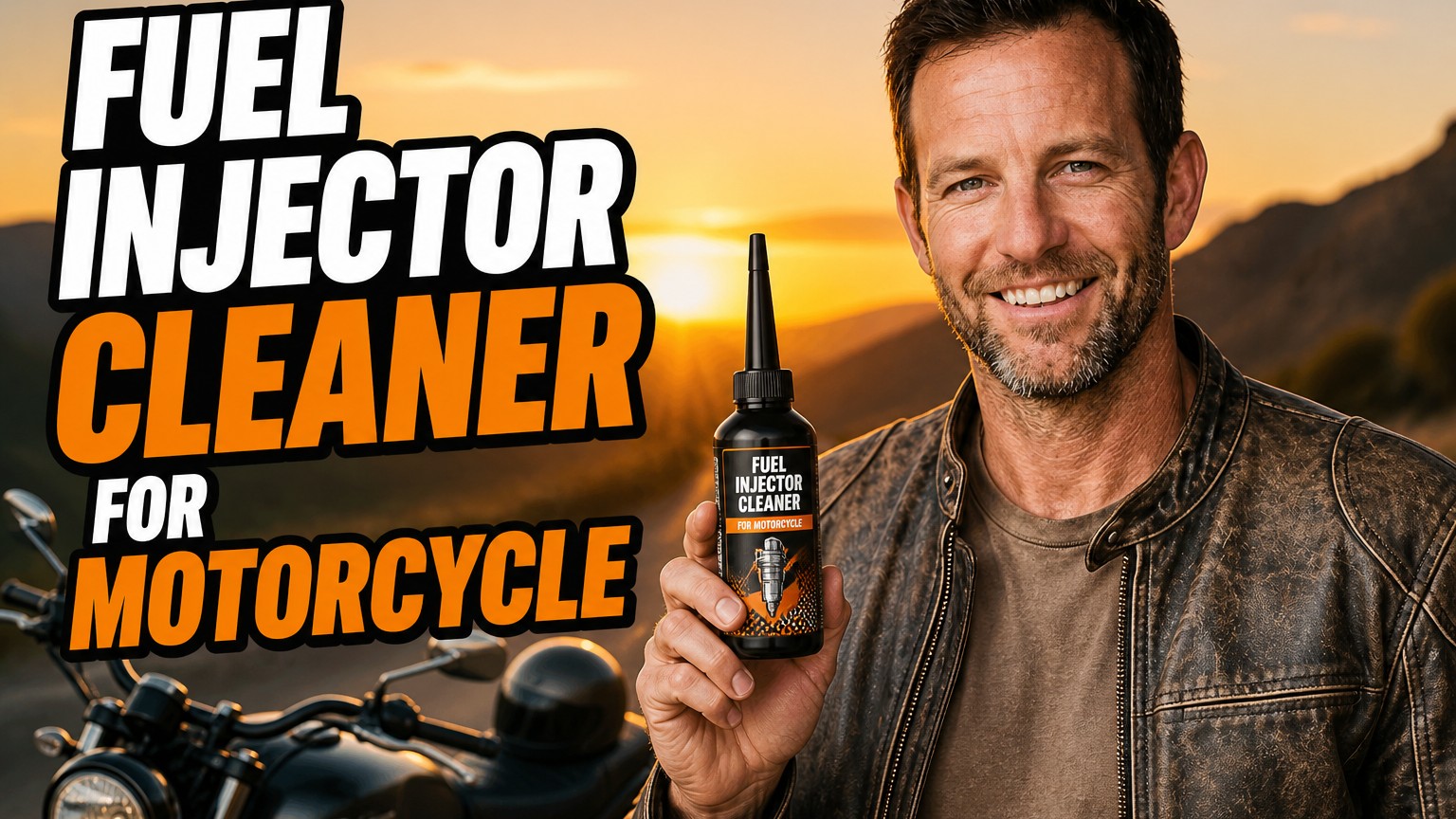
I’ve been riding for years, and one thing I learned the hard way is that a fuel system doesn’t complain loudly before it starts misbehaving. It whispers first. A slightly rough idle, a hesitation off the throttle, or a dip in mileage you can’t quite explain.
More often than not, the culprit is gunk building up on the injectors or in the fuel rail. I’ve tried a long list of additives on my own bikes, and I’ve come to trust a handful of them. This is my breakdown of the best fuel injector cleaners for motorcycles, with honest notes on who each one suits.
I’ll also cover how I use them, what to avoid, and how to pick the right one for your bike. Let’s get into it.
- My top all-rounder is Red Line SI-1, a PEA-based cleaner that handles real carbon buildup.
- Sea Foam Motor Treatment is the best budget pick and works in both injected and carbureted bikes.
- Motul Fuel System Clean Moto is a bike-specific formula that’s easy to dose in small tanks.
- Always match the dose to your small tank, and don’t expect a cleaner to fix a mechanical problem.
Why I Bother With Injector Cleaner on a Motorcycle
Motorcycle engines are small, high-revving, and often run lean to meet emissions rules. That’s a recipe for deposits on injector tips and intake valves, especially if you do lots of short trips or let the bike sit for weeks.
Ethanol-blended pump fuel makes it worse. It attracts moisture and can leave varnish behind when fuel goes stale in the tank.
Signs My Injectors Need Attention
I treat the fuel system when I notice any of these symptoms:
- A lumpy or unstable idle when the engine is warm
- Hesitation or stumbling when I roll on the throttle
- Harder cold starts than usual
- A noticeable drop in miles per gallon
If your mileage has dropped, don’t blame the injectors straight away. I’ve put together some thoughts on the causes of high fuel consumption in motorcycle engines, and dirty injectors are only one item on that list. Air filters, spark plugs, and chain tension matter just as much.
1. Red Line SI-1 Complete Fuel System Cleaner — Best Overall
When someone asks me for one bottle to keep in the garage, I hand them the Red Line SI-1 Complete Fuel System Cleaner. It’s a polyetheramine (PEA) formula, which is the same class of detergent that serious fuel-system cleaners rely on to break down baked-on carbon.
What I Like About It
The SI-1 is concentrated, so a 12 oz bottle goes a long way. It’s rated to treat roughly 15 to 20 gallons of fuel, which means a single bottle can cover many tanks on a typical motorcycle.
On my own fuel-injected bike, I noticed a smoother idle after about two tanks. Throttle response at low rpm felt crisper too, which is where dirty injectors usually show themselves.
Things to Watch
You have to measure carefully. With a 4-gallon tank, you’re using only a small fraction of the bottle, so I keep a small graduated syringe handy. Price is usually in the mid-teens per bottle, which is fair for how long it lasts.
2. Sea Foam Motor Treatment — Best Budget and Most Versatile
Sea Foam Motor Treatment has been around forever, and there’s a reason you see it in so many garages. It’s a petroleum-based blend that cleans, lubricates, and stabilizes fuel, all in one can.
Why It Earns a Spot
I like Sea Foam because it works on carbureted and fuel-injected bikes alike. If you have an older classic and a modern naked bike like I do, one product covers both.
The standard ratio is about one ounce per gallon, so measuring is easy. A 16 oz can usually costs around ten to fifteen dollars, making it the cheapest way to get a proper cleaning dose.
Where It Falls Short
Sea Foam is gentler than a PEA-heavy product, so it won’t dissolve heavy, long-term carbon as aggressively. I think of it as maintenance and storage insurance rather than a deep-clean solution. It’s also handy for keeping fuel fresh over winter, which pairs well with learning your motorcycle fuel switch on off reserve habits so you don’t run old fuel through the lines.
3. Chevron Techron Concentrate Plus — Best for Heavy Deposit Cleanup
If your bike has some miles and a rough idle, the Chevron Techron Concentrate Plus Fuel System Cleaner is what I reach for. Techron uses a high-concentration PEA formula that’s famous for its cleaning power.
My Experience
I used Techron on an older commuter bike that had been neglected by its previous owner. After running it through a full tank, the idle settled down and the stumble at around 3,000 rpm faded.
The 12 oz bottle is designed to treat up to 20 gallons of fuel, which again works out to many tanks for a motorcycle. Expect to pay around ten to fifteen dollars.
Tips for Using It
Techron is a bit of a “treat and ride” product. I add it to a nearly empty tank, then fill up so it mixes well. For a small-displacement commuter, a partial dose is plenty.
Speaking of small bikes, if you ride something light, it’s worth looking at 125cc motorcycle fuel consumption per km figures before and after treatment. Small engines make mileage changes easy to spot.
4. Motul Fuel System Clean Moto — Best Bike-Specific Formula
The Motul Fuel System Clean Moto is one of the few cleaners marketed directly at motorcycles and scooters. Motul designed it for both two-stroke and four-stroke engines, and for carbureted and injected systems.
Why I Recommend It
The bottle is a modest 300 ml, and the dosing is geared toward smaller motorcycle tanks. That means less guesswork and less waste compared with car-sized bottles.
I found it a good fit for a spring tune-up routine. I add it before the first long ride of the season, and the bike feels crisper right away.
Downsides
It costs a bit more per treated gallon than Sea Foam. Availability can also be patchy depending on where you live, though online retailers usually stock it. Still, for riders who like a bike-specific product, I think it’s worth it.
5. Lucas Oil Fuel Treatment — Best for Added Lubrication
Lucas Oil Fuel Treatment (the classic Lucas Fuel Treatment) takes a slightly different approach. It focuses on cleaning while also adding upper-cylinder lubrication, which some riders with older engines really appreciate.
What Stands Out
The recommended dose is only about one ounce per ten gallons for regular maintenance, so a bottle lasts essentially forever. That makes the cost per tank very low.
I’ve used it on a high-mileage air-cooled bike, and it seemed to quiet some valve noise and smooth out acceleration. Your results may vary, but it’s a solid option for older machines.
Keep in Mind
It isn’t as aggressive a cleaner as PEA-based formulas. I use it as a regular dose rather than a rescue treatment. Because the dose is so tiny, you need to measure carefully on a motorcycle.
6. Royal Purple Max-Clean — Best Premium Option
Royal Purple Max-Clean is a premium fuel system and injector cleaner that combines detergent power with corrosion protection. It’s built to clean injectors, valves, and combustion chambers in one go.
My Take
I’ve found Max-Clean works well on bikes that see mixed riding, like commuting during the week and weekend canyon runs. It left my throttle response feeling more linear, with less hesitation when picking up the revs.
The price is on the higher side, typically in the twenty-dollar range for the bottle. If you like to keep your bike’s internals pristine and don’t mind paying a premium, it’s a great choice.
Who It Suits
I’d recommend it for riders with performance-oriented or newer fuel-injected bikes. It plays nicely with modern emissions hardware when used as directed.
7. Berryman B-12 Chemtool — Best for Stubborn Carbon Buildup
The Berryman B-12 Chemtool is the heavy hitter on my list. It’s a potent solvent-based cleaner that tackles carbon in the fuel system and combustion chamber, and it’s often used by mechanics as a shop treatment.
When I Use It
I save the B-12 for bikes that are clearly struggling, such as ones that sat for a long time or have visible hesitation. It’s strong stuff, and I never use it as a regular maintenance additive.
The 15 oz can usually runs about ten to fifteen dollars. I follow the label closely and don’t exceed the recommended dose for my tank size.
Caution
Because it’s so strong, I’d steer new riders toward gentler options first. If you do use it, run the tank out normally afterward and follow up with a gentler maintenance treatment.
How I Choose the Right Cleaner for My Bike
With so many products out there, I use a simple checklist before I buy anything. It saves me money and avoids headaches.
Check the Chemistry
PEA-based cleaners (like Red Line SI-1 and Techron) are the best at removing hardened deposits. Petroleum-based products (like Sea Foam) are gentler and more of an all-purpose treatment.
Choose based on how dirty your system is. For a well-maintained bike, a light touch is usually enough.
Match the Dose to Your Tank
Most bottles are built for car-size tanks. A 4-gallon motorcycle tank needs only a fraction of a bottle, so measure carefully with a syringe or small cup.
I once overdosed an early bike, and the idle went rough until I burned through the tank. More is not better with these products.
Think About Emissions Equipment
Check that the product is safe for catalytic converters and oxygen sensors. Reputable brands say so on the label, and I won’t use anything that doesn’t.
A Quick Note on Fuel Quality
I always try to buy fuel from busy, high-turnover stations. Good fuel plus an occasional cleaner treatment beats bad fuel plus constant additives.
How I Apply Injector Cleaner Step by Step
The process is simple, and it takes about five minutes. Here’s my routine:
- Run the tank low. I try to start with a quarter tank or less so the cleaner is concentrated.
- Measure the dose. I use the label’s ratio and scale it to my tank size.
- Pour in the cleaner first, then fill the tank with fresh fuel so it mixes thoroughly.
- Ride normally. A good highway stretch helps get the cleaner circulating and burning off deposits.
- Repeat if needed. For stubborn issues, I’ll treat a second tank.
Pair It With Fresh Oil
A clean fuel system is only half the story. Deposits and unburned fuel can contaminate your oil, so I change it on schedule. If you’re unsure what to pick, I’ve written about the best motor oil for 4 stroke motorcycle engines, plus a separate look at the top engine oil for 4 stroke motorcycle options.
Common Mistakes I See Riders Make
Over the years, I’ve seen the same errors again and again. Avoiding them will save you money and frustration.
- Overdosing the tank. A bigger dose doesn’t clean faster, and it can upset your idle.
- Expecting miracles. A cleaner can’t fix a failing fuel pump, a vacuum leak, or worn spark plugs.
- Mixing multiple additives. I stick to one product at a time so I know what’s working.
- Ignoring the owner’s manual. Some manufacturers have specific guidance on fuel additives, and I always check first.
My Final Verdict
If I had to pick just one, I’d go with Red Line SI-1 for its strong cleaning power and long-lasting bottle. It’s the one I trust to actually make a difference on a bike with real deposit buildup.
For everyday maintenance on a budget, Sea Foam Motor Treatment is hard to beat. And if you want something made for motorcycles from the start, Motul Fuel System Clean Moto is a smart choice.
Whichever you choose, use it sensibly, measure carefully, and combine it with good fuel and regular maintenance. Your engine will thank you with smoother starts, crisper throttle, and happier miles on the road.
Frequently Asked Questions
How often should I use a fuel injector cleaner in my motorcycle?
For most riders, one treatment every 3,000 to 5,000 miles (or once or twice a season) is plenty. If your bike sits for long periods or you use ethanol-blended fuel often, treating every few tanks during riding season is reasonable.
Can I use a car fuel injector cleaner in my motorcycle?
Often yes, but you must dilute it correctly for your smaller tank. Cars have 12 to 20 gallon tanks, while most bikes hold 3 to 6 gallons. Always follow the treat ratio on the label and check that the product is safe for catalytic converters and oxygen sensors.
Will a fuel injector cleaner improve my motorcycle’s mileage?
It can help if your injectors are dirty and spraying poorly. A clean spray pattern restores efficient combustion, which may recover some lost mpg. It will not fix problems caused by worn spark plugs, clogged air filters, or low tire pressure.
Is it safe to use injector cleaner on a carbureted motorcycle?
Some formulas, like Sea Foam Motor Treatment and Berryman B-12 Chemtool, are designed to work in carbureted engines as well. Always read the label, since pure PEA detergent cleaners are mainly aimed at fuel-injected engines.

Related Articles
7 Best Batteries for Motorcycles I’ve Tested and Trust in 2026
I've tested dozens of motorcycle batteries to find the best performers. From AGM to lithium, here are my top picks…
Jake Miller
15 min read

The Perfect Battery for Your Harley Davidson Softail: A Rider’s Complete Guide
Discover the perfect battery for your Harley Davidson Softail. I've tested multiple options and share real-world performance data, maintenance tips,…
Jake Miller
14 min read

The Best Battery for Your Harley Davidson: My Complete Guide After Years of Testing
Discover which battery truly performs best for Harley Davidson motorcycles. Real rider experience with AGM, lithium, and OEM options to…
Jake Miller
12 min read