
Motorcycle Died While Riding? Causes, Quick Fixes, and What to Do Next
 Jake Miller
9 min read
Jake Miller
9 min read
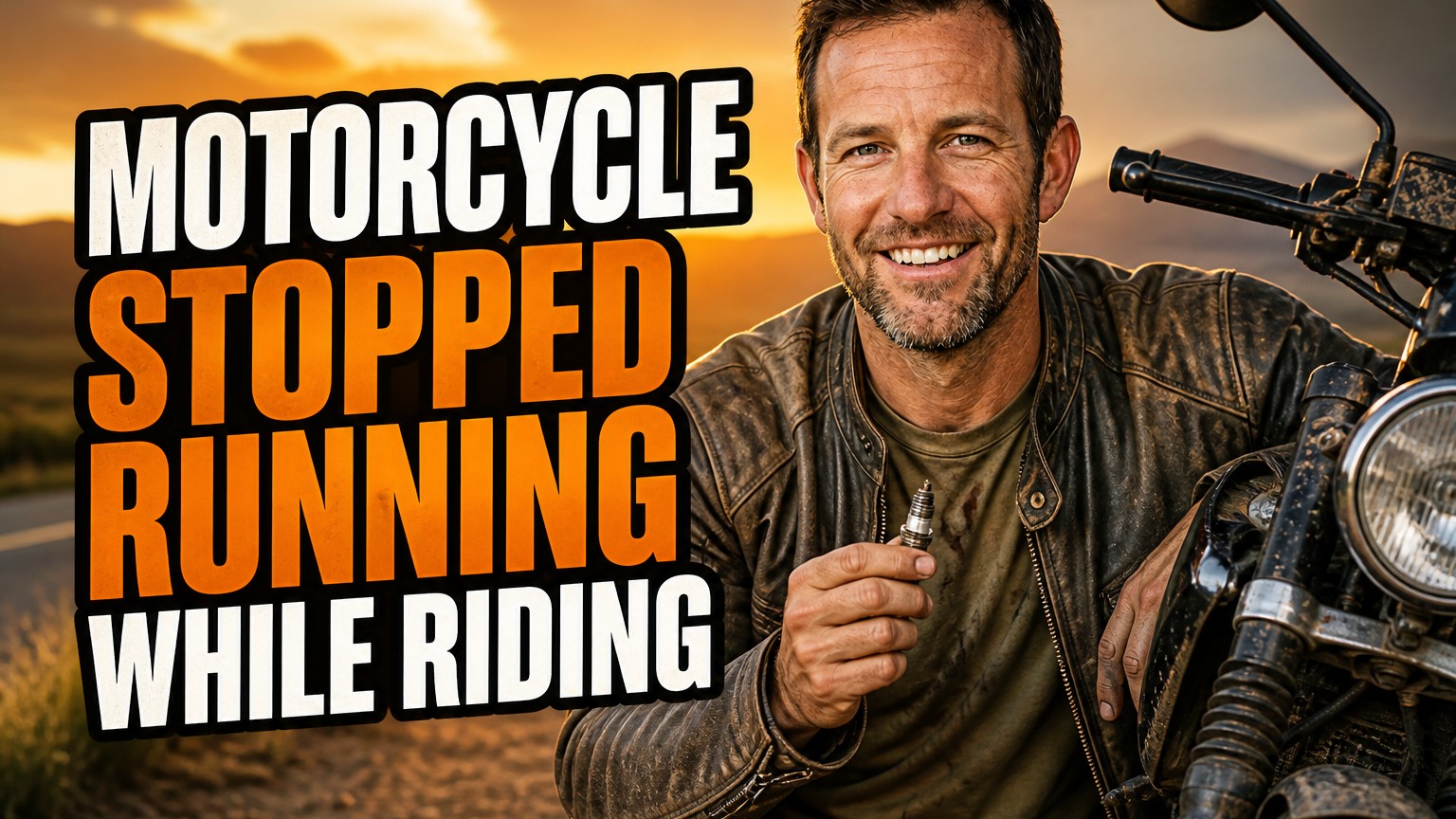
There is a special kind of silence that happens when your engine quits at 60 mph. One second you’re cruising along, the next you’re coasting with a dead throttle and a pounding heart. I’ve been there, and I can tell you it’s both scary and incredibly frustrating.
The good news? Most of the time, a bike that dies mid-ride has a simple, fixable cause. In this guide, I’ll walk you through what to do in the moment, how I diagnose the problem, and how I keep it from happening again.
- Safety first: pull the clutch, coast to a safe spot, and get visible before troubleshooting.
- Most sudden shutoffs trace back to fuel, spark, or electrical problems, and often to something cheap like a petcock, plug, or loose connection.
- Check the basics first: kill switch, fuel, sidestand, battery terminals, and fuses.
- Regular maintenance and a voltage check will prevent most roadside breakdowns.
First Things First: Get Safe
When the engine cuts out, your brain wants to panic. Don’t. Your bike still rolls, and you still have brakes. Your only job in the first ten seconds is to get out of harm’s way.
My Emergency Checklist
Here’s the routine I run through every time, in this order:
- Pull in the clutch so the bike coasts freely and the rear wheel doesn’t lock up.
- Signal and scan for a safe place to pull over, ideally a wide shoulder or a parking lot.
- Use your momentum. Brake smoothly rather than abruptly, especially if the bike has ABS tied to the electrical system.
- Turn on your hazards once you’re stopped, if your bike has them.
- Get yourself and your gear away from traffic before you start poking around.
One thing I’ve learned: if the electrical system died too, your brake light and headlight may be out. That makes you nearly invisible, so get off the road quickly.
The Quick Roadside Checks I Always Do First
Before I assume the worst, I check the dumb stuff. I’ve personally been embarrassed more than once by a problem that took five seconds to fix.
1. The Kill Switch and Ignition
It sounds silly, but a bumped kill switch is a classic culprit. A glove, a jacket cuff, or a bit of vibration can flip it. Make sure it’s in the “run” position and the key is fully on.
2. Fuel Level and the Petcock
Fuel gauges lie, especially on older bikes. If your bike has a petcock with a reserve setting, switch it to reserve and try again. If you have a carbureted bike with a vacuum petcock, a worn diaphragm can starve the engine at highway speeds.
3. Sidestand and Neutral Switches
Modern bikes have safety interlocks. If the sidestand sensor or clutch switch fails, the engine can cut out when you shift or lean. I once chased a “ghost” stall for a week before realizing a dirty sidestand switch was the culprit.
4. Battery Terminals and Main Fuse
Pop the seat and check the battery terminals. A loose or corroded connection can cut power the moment you hit a bump. Also glance at the main fuse, since a blown one will kill the bike instantly.
Common Reasons a Motorcycle Dies Mid-Ride
If the basics check out, it’s time to think about the three things every engine needs: fuel, spark, and air. Electrical health matters too, because modern bikes depend on stable voltage.
Fuel Delivery Problems
Fuel issues are the number one cause I see. The engine often sputters, surges, or loses power before it dies completely.
Clogged Fuel Filter or Petcock
Rust and debris from the tank can clog the filter or petcock screen. The bike runs fine at low speed, then starves when demand rises. If your bike has sat for a while, I’d suspect this first.
Failing Fuel Pump
On fuel-injected bikes, a weak pump can’t maintain pressure. Symptoms include a whine from the tank, hesitation under load, and stalling when hot. If you don’t hear the pump prime when you turn the key on, that’s a red flag.
Bad Gas or Water Contamination
Old ethanol-blended fuel absorbs water and can gum up carbs and injectors. I’ve had a bike die after a rainy ride because of a poorly sealed gas cap. Always check that the cap seals properly and the vent isn’t blocked.
Electrical and Charging Faults
A bike that dies with no warning, like someone flipped a switch, often has an electrical issue. The dash may go dark or flicker too.
Failing Stator or Regulator/Rectifier
If your charging system stops working, the bike runs off the battery until voltage drops too low. Then everything quits. With the engine running, a healthy bike should show about 13.5 to 14.5 volts at the battery. If it’s sitting near 12 or below and dropping, your charging system is the problem.
Loose Grounds and Corroded Connectors
Vibration works connections loose over time. A bad ground strap or a dirty main connector can cause intermittent cutouts. Wiggle-test wires and look for green corrosion or melted plastic.
A Worn Battery
An old battery with an internal short or dead cell can drag voltage down. Even if the bike starts fine, it may not hold up when the stator is under strain. If your battery is over four or five years old, I’d replace it as cheap insurance.
Ignition Problems
Spark trouble feels different. The engine may misfire, pop, or cut out suddenly, especially when hot.
- Worn or fouled spark plugs: cheap and easy to replace, so don’t skip them.
- Failing ignition coils or plug caps: these often break down when heat soaks the engine.
- Bad pickup coil or crank sensor: classic cause of sudden shutoff that restarts after cooling.
- Faulty ignition switch: worn contacts can cut power over bumps.
Overheating
An engine that overheats can seize or trigger a protective shutdown. Air-cooled bikes in stop-and-go traffic are especially prone. Watch for a rising temperature gauge, a coolant smell, or steam.
If you suspect overheating, stop and let it cool completely. Don’t open a hot radiator cap, and don’t keep cranking the starter.
Air and Intake Issues
A badly clogged air filter can choke the engine, particularly on carbureted bikes. Intake leaks and bad vacuum hoses can also cause stalls. These problems usually show up as rough running first, so pay attention to subtle changes.
How to Read the Symptoms
The way your bike died tells you a lot. Here’s how I interpret what I felt in the saddle.
Sudden Death, No Warning
This points to electrical or ignition trouble: kill switch, main fuse, battery connection, crank sensor, or ignition switch. Check these first.
Sputtering, Then Dying
That’s typically fuel starvation. Think empty tank, clogged filter, or failing pump. If it restarts after sitting a minute, the petcock or pump is a prime suspect.
Dies When Hot, Restarts When Cool
Heat-related failures often come from coils, pickup sensors, or fuel pumps. They work fine cold and fail as temperatures rise. These are the sneakiest problems, so keep notes on when it happens.
Dies Over Bumps
Suspect a loose connection, bad ground, or ignition switch. I’d go over every connector near the battery and under the tank.
Should You Try to Restart It?
A quick restart attempt is fine once you’re safely off the road. Give it two or three tries, then stop. Repeatedly cranking a dead bike can drain the battery and flood the engine.
If it fires up and runs normally, don’t assume the problem is gone. I treat any unexplained stall as a warning and ride directly home or to a shop, rather than continuing a long trip.
When to Call for a Tow
There’s no shame in calling for help. I’d call a tow if:
- The engine makes knocking, grinding, or seizing sounds.
- You smell fuel leaks or see smoke.
- The bike won’t restart and you’ve confirmed the basics.
- You’re on a highway with no safe shoulder to work on.
A roadside assistance plan is one of the best small investments a rider can make. I keep one for my own bike and it has saved me more than once.
How I Prevent Mid-Ride Shutoffs
Prevention beats roadside repair every time. Here’s the routine I stick to.
Stay on Top of Maintenance
Replace spark plugs, air filters, and fuel filters on schedule. Use fresh fuel, and add a stabilizer if the bike sits for more than a month. Check your battery’s health each season.
Do a Pre-Ride Walkaround
I look over the fuel level, battery terminals, wiring, and any signs of leaks before every ride. It takes two minutes and has caught more issues than I can count.
Check Your Charging System
A cheap multimeter is one of the best tools in my garage. Test battery voltage at rest and at 3,000 RPM. Catching a weak stator early beats getting stranded.
Choose the Right Bike for How You Ride
Reliability also depends on matching the bike to the job. If you mostly commute, check out the best motorcycle for street riding to find a dependable platform. Riding two-up? A bike built for the load matters, so look at the best motorcycle for riding with a passenger or the best 300cc motorcycle for 2 up riding if you want something lighter.
Weather Matters Too
Moisture is a silent killer of electrical systems. If you ride in wet conditions, I recommend reading up on the best motorcycle for riding in the rain, since sealed connectors and good fairings make a real difference. The same goes for cold climates, where the best motorcycle for riding in snow guide covers what holds up when temperatures plunge.
My Personal Takeaway
The first time my bike died on the road, I assumed the engine was toast. It turned out to be a corroded battery terminal that cost me about two dollars to fix. That experience taught me to stay calm and diagnose in order.
Start with the simple stuff, then move to fuel, spark, and electrical. Keep notes on when and how the stall happens, because patterns lead you to the answer fast.
Final Thoughts
A bike that quits mid-ride is stressful, but it’s rarely a disaster if you handle it calmly. Get safe, check the basics, read the symptoms, and don’t ignore repeat warnings.
With good maintenance and a little attention, you can keep your bike running smoothly mile after mile. Ride safe, and may your engine never go quiet when you don’t want it to.
Frequently Asked Questions
Why did my motorcycle suddenly shut off while riding?
The most common causes are fuel delivery problems (empty tank, clogged petcock, failing fuel pump), electrical faults (bad battery connection, failing stator or regulator), and ignition issues (worn plugs, bad coils, or a faulty kill switch). Overheating and a stuck sidestand sensor can also cause it.
Is it safe to keep riding if my motorcycle stalls once and restarts?
I wouldn’t. A bike that stalls and restarts is usually giving you a warning about a fuel, electrical, or ignition fault. Diagnose it before your next long ride, because the next stall could happen in traffic or mid-corner.
Can a bad battery make a motorcycle stop running while riding?
Yes, but usually indirectly. A weak battery or a failing charging system (stator or regulator/rectifier) can drop system voltage until the ignition and fuel injection can no longer operate, and the engine dies. Check voltage at the battery with the engine running; you should see roughly 13.5 to 14.5 volts.
What should I do first when my motorcycle dies on the road?
Pull in the clutch, signal, and coast to the safest spot off the traffic lane. Turn on your hazards, then check the kill switch, fuel level, and sidestand before trying a restart. If it won’t restart after a couple of tries, stop cranking and call for help.

Related Articles
7 Best Batteries for Motorcycles I’ve Tested and Trust in 2026
I've tested dozens of motorcycle batteries to find the best performers. From AGM to lithium, here are my top picks…
Jake Miller
15 min read

The Perfect Battery for Your Harley Davidson Softail: A Rider’s Complete Guide
Discover the perfect battery for your Harley Davidson Softail. I've tested multiple options and share real-world performance data, maintenance tips,…
Jake Miller
14 min read

The Best Battery for Your Harley Davidson: My Complete Guide After Years of Testing
Discover which battery truly performs best for Harley Davidson motorcycles. Real rider experience with AGM, lithium, and OEM options to…
Jake Miller
12 min read