
7 Best Off-Road Motorcycles for Short Riders: Low Seats, Big Trail Ability
 Jake Miller
10 min read
Jake Miller
10 min read
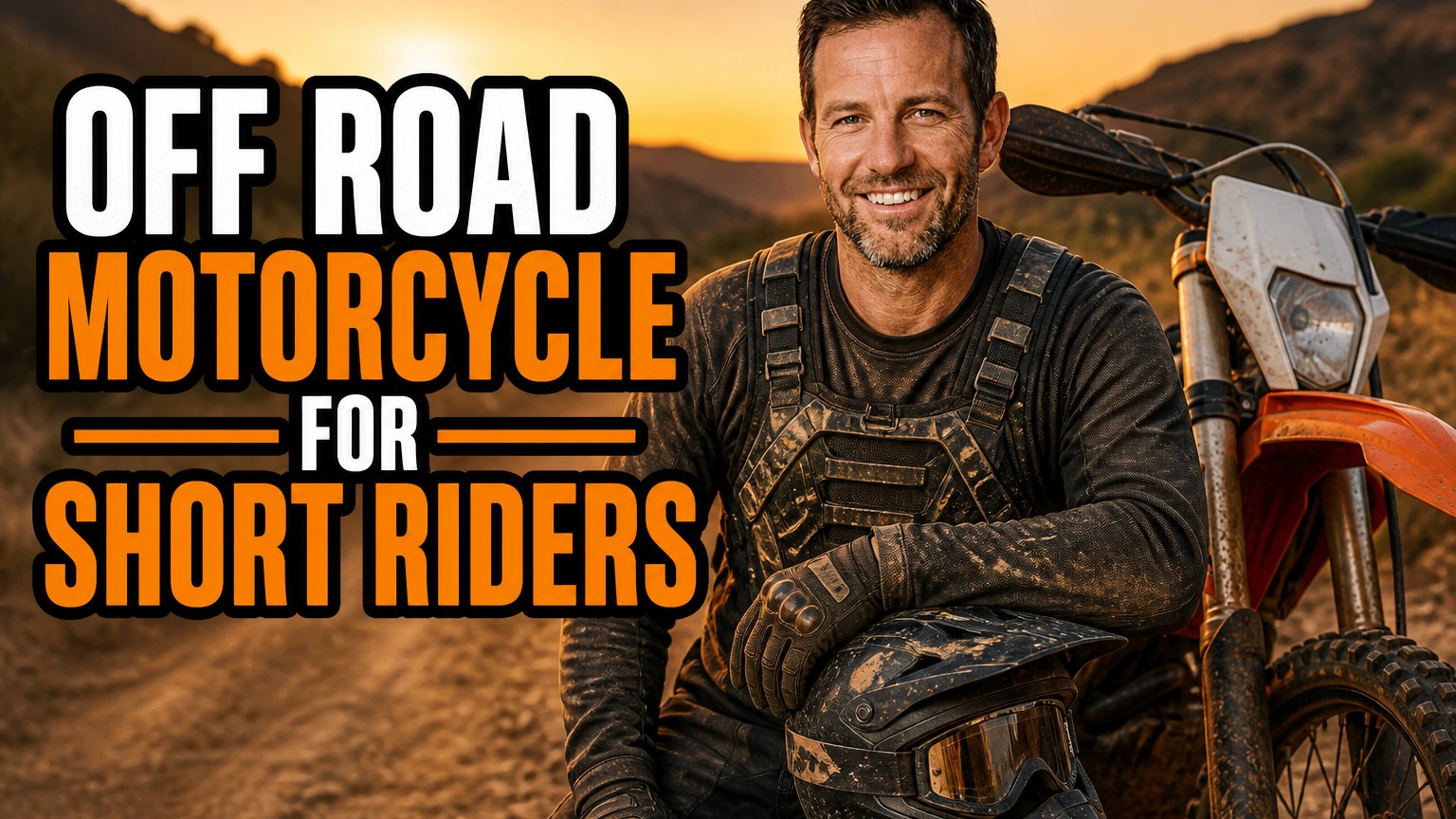
I’m not tall. For years I stood next to dirt bikes at the dealership and felt like I was trying on a coat two sizes too big. I’d throw a leg over, find myself on my tiptoes, and quietly talk myself out of the purchase.
Then I started riding bikes that actually fit me, and everything changed. The trail got less intimidating and my confidence went up. I also stopped dropping the bike in every slow, off-camber corner.
This list is the result of that learning curve. I’ve ridden, borrowed, or spent serious time around every bike below, and each one is friendly to riders with shorter inseams without being a toy.
- Seat height matters, but curb weight, seat width, and suspension sag matter just as much.
- My top all-around pick is the Honda CRF300L, with the Yamaha XT250 and Kawasaki KLX230S close behind for lower seats.
- For true beginners or tight trails, the Honda CRF125F and Suzuki DR-Z125L are hard to beat.
- Small lowering tweaks can help, but don’t wreck your ground clearance chasing a number.
How I Chose These Bikes
I didn’t just sort a spec sheet by seat height. A bike that’s 32 inches tall but weighs 400 pounds can feel scarier than a 34-inch bike that weighs 290.
Here’s what I looked at for every pick:
- Seat height: ideally 34.7 inches or lower, with plenty of options near 31 to 33 inches.
- Curb weight: lighter is easier to hold up, flick around, and pick up.
- Seat shape: a narrow front lets your feet reach the ground.
- Real off-road ability: decent ground clearance, travel, and tires.
- Price and reliability: I wanted bikes you can buy new and keep running.
1. Honda CRF300L: Best Overall for Short Riders
If I could only recommend one bike on this list, the Honda CRF300L would be it. It’s a 286cc liquid-cooled single with smooth fuel injection and an easygoing, forgiving power delivery.
The stock seat height is about 34.7 inches, which sounds tall. But the seat is slim up front, and the bike weighs roughly 309 pounds ready to ride. That combination makes it far more manageable than the number implies.
Why I Like It
The CRF300L has a roughly 10-inch ground clearance, a six-speed gearbox, and a price of around $5,900 to $6,000. It’s happy on fire roads, singletrack, and the highway ride home.
My advice for shorter riders is to try the lowering linkage options sold in the aftermarket. A modest drop of an inch or so makes a noticeable difference at stoplights and on slow technical sections.
Who It’s Best For
It suits riders around 5’6″ and up who want a do-it-all dual-sport. If you’re shorter than that and newer to riding, keep reading, because the next few bikes are lower.
2. Kawasaki KLX230S: Best Low-Seat Dual-Sport
The Kawasaki KLX230S is the bike I point people to when they love the idea of the CRF300L but can’t quite flat-foot it. Its seat height is around 32.7 inches, which puts it in a much friendlier zone.
The 233cc air-cooled, fuel-injected engine isn’t a rocket, but it’s smooth, reliable, and very easy to ride. The bike weighs close to 295 pounds, and the price usually lands somewhere in the $5,500 to $5,800 range.
My Experience
I found the KLX230S incredibly confidence-inspiring on loose gravel. The low seat lets me put a foot down early, and the chassis feels light when I’m weaving through trees.
The suspension is on the soft side, so heavier riders may want to upgrade the springs. For shorter, lighter riders, though, that softness actually helps the bike sit lower and feel plush.
3. Yamaha XT250: Best for Easygoing, Reliable Riding
The Yamaha XT250 is the grown-up, no-drama option. It uses a 249cc air-cooled, fuel-injected single with a seat height of about 32.7 inches and a weight of around 291 pounds.
It isn’t the fastest or most aggressive bike here, and I’m fine with that. Its strength is how approachable it feels from the very first ride.
Why It Works for Shorter Riders
The seat is flat and narrow, and the power is predictable. The XT250 also has a larger fuel tank than most bikes in this class, so you can go farther between fill-ups.
It typically costs about $5,300 to $5,600. If I were buying a bike for a newer rider who wants to commute and explore dirt roads on weekends, this would be near the top of my list.
If you’re also comparing street-focused bikes, I put together a guide to the best all around motorcycle for short people that covers more road-oriented options.
4. Honda Trail125: Best Retro Trail Bike for Short Riders
The Honda Trail125 is the bike that makes people smile before they even start it. It’s a modern take on the classic Trail 90 and CT-series bikes, with a 124cc fuel-injected engine and a seat height of roughly 31 inches.
At around 260 pounds, it’s easy to manage. The price is typically about $4,000, which makes it one of the more affordable ways to get into real trail riding.
What Surprised Me
I expected a cute novelty. What I got was a really capable little bike that crawls through rocky terrain and handles dirt roads with ease. Its low-speed manners are excellent.
It isn’t built for high-speed desert running, and ground clearance is modest. But for exploring, camping trips, and learning bike control, it’s a gem.
A Handy Tip on Fuel
Small trail bikes like this often use a simple fuel setup, and it’s worth understanding how a motorcycle fuel switch on off reserve works before you head into the backcountry. I always check my fuel supply before a long ride, because running dry far from the truck is a miserable way to end a day.
5. Suzuki DR-Z125L: Best for Beginners and Tight Trails
The Suzuki DR-Z125L is a small, light, and honest bike. It has a 124cc air-cooled engine, electric start, and a seat height of about 32 inches. It weighs roughly 200 pounds, which is remarkably light.
The price is typically around $3,400 to $3,500, making it one of the cheapest bikes I’d actually recommend.
Why I Recommend It
The light weight is the big deal. If you tip it over in the woods, you can pick it up without drama, and that matters a lot for shorter riders still building confidence.
The downside is that it’s not a highway machine, and larger adults may outgrow it quickly. But for learning on trails, it’s a fantastic teacher.
If you’re newer to riding and shopping for a first bike more broadly, my guide to the best beginner motorcycle for short girls has more ideas on fit and confidence.
6. Honda CRF125F: Best Lightweight Trail Bike
The Honda CRF125F is a classic trail bike with the kind of reliability Honda is famous for. It has a 124cc air-cooled engine and a seat height right around 32 inches. It weighs well under 200 pounds, and the price is typically about $3,000 to $3,300.
It’s available in a standard-wheel version and a “Big Wheel” version, and the standard-wheel version is the one that suits shorter riders best.
Where It Shines
I love how playful this bike is. It’s easy to flick through corners, easy to wheelie over small logs, and very forgiving when I make a mistake.
It’s also a great bike for riders who want to progress. Because it’s light and slow enough to be safe, you learn good habits instead of just hanging on.
Limitations
It isn’t street legal in most places, so you’ll be trailering it to your riding spot. And bigger riders will find it cramped. But for shorter riders on tight trails, it’s a joy.
7. Royal Enfield Himalayan 450: Best for Adventure-Style Riding
The Royal Enfield Himalayan 450 is the bike on this list for riders who want something bigger and more adventure-oriented. It has a 452cc liquid-cooled engine making about 40 horsepower, a 21-inch front wheel, and a seat height of around 32 inches with a factory low-seat option available.
It weighs roughly 400 pounds fully fueled, so it’s heavier than the others here. The price is typically around $6,000.
My Take
The weight is noticeable, but the low seat and relaxed ergonomics keep it reassuring. Once I’m rolling, it feels stable and planted, especially on gravel roads.
I’d recommend it for shorter riders who already have some experience and want a bike that can cover long days. If you’re brand new, start with one of the lighter bikes above.
How to Make Any Dirt Bike Fit You Better
Sometimes the perfect bike doesn’t exist, and that’s okay. There are several ways to make a taller bike more manageable.
Lowering Options
You can use lowering links, adjust the fork height in the triple clamps, or have the seat foam shaved down. Each approach has trade-offs, so go slowly and change one thing at a time.
Don’t drop the bike more than an inch or two. Lowering too much hurts ground clearance and can make the bike bottom out on rocks.
Boots and Technique
Boots with a thicker sole add a little height, and learning to shift your weight to one side when stopping helps a lot. I also practice leaning the bike toward the foot I’m putting down, which makes tall bikes feel far less intimidating.
Suspension Setup
Correct sag settings are important. If the suspension is set for a heavier rider, the bike sits taller than it should. Getting the spring rates right for your weight can lower the bike and improve the ride at the same time.
Mistakes I See Short Riders Make
I’ve made most of these myself, so there’s no judgment here.
- Shopping by seat height alone. Weight and seat width matter just as much.
- Buying too much bike. A lighter, smaller bike will teach you faster.
- Lowering too aggressively. You trade away clearance and handling.
- Skipping a test sit. Always sit on the bike before you buy it.
Fit is personal. A friend of mine is well over six feet and was shopping for the best bobber motorcycle for tall riders, and his needs were the complete opposite of mine. That’s why I always encourage people to prioritize their own inseam over anyone else’s recommendation.
Don’t Forget Gear and Upkeep
Once you’ve found your bike, spend a little on protection. A good helmet, boots, knee guards, and gloves are far more important than any accessory.
Maintenance matters too. I keep a simple routine of chain lubing, air filter cleaning, and regular oil changes, and those small habits keep these little bikes running for years.
And if you happen to own a cruiser as well as a dirt bike, as plenty of us do, you may want to look at the best harley motorcycle exhaust for california riders for some thoughts on staying street-legal with upgrades.
My Final Thoughts
Being short isn’t a disadvantage in the dirt. It just means you need to be smarter about choosing your bike.
For most riders, I’d start with the Honda CRF300L if you can handle the seat, or the Kawasaki KLX230S or Yamaha XT250 if you want it lower. If you’re newer or riding tight trails, the Honda CRF125F, Honda Trail125, and Suzuki DR-Z125L are all excellent.
Whatever you choose, sit on it, wiggle it around, and make sure it feels right. The best bike is the one that makes you want to ride more, and I hope one of these gets you out on the trail soon.
Frequently Asked Questions
What seat height is best for a short off-road rider?
For most riders under 5’6″, a seat height between 31 and 33 inches is a comfortable range, especially when paired with a light curb weight. Suspension sag, boot sole thickness, and a narrow seat profile all make the bike feel even lower than the number suggests.
Can a short rider lower an off-road motorcycle?
Yes. Options include lowering links, shorter or re-valved fork springs, a shaved seat foam, and adjusting fork height in the triple clamps. Just be aware that lowering reduces ground clearance and can change handling, so go modest and test it on easy terrain first.
Is a dual-sport or a pure trail bike better for shorter riders?
It depends on your riding. A dual-sport like the Yamaha XT250 or Kawasaki KLX230S is better if you need to ride on pavement to reach the trail. A small-displacement trail bike like the Honda CRF125F is lighter and easier to manage if you ride mainly off-road.
Are small-displacement bikes too slow for adult riders?
Not at all. A 125cc to 300cc bike is far more forgiving on technical trails, easier to pick up after a drop, and cheaper to maintain. Many experienced riders choose them on purpose for tight singletrack.

Related Articles
7 Best Batteries for Motorcycles I’ve Tested and Trust in 2026
I've tested dozens of motorcycle batteries to find the best performers. From AGM to lithium, here are my top picks…
Jake Miller
15 min read

The Perfect Battery for Your Harley Davidson Softail: A Rider’s Complete Guide
Discover the perfect battery for your Harley Davidson Softail. I've tested multiple options and share real-world performance data, maintenance tips,…
Jake Miller
14 min read

The Best Battery for Your Harley Davidson: My Complete Guide After Years of Testing
Discover which battery truly performs best for Harley Davidson motorcycles. Real rider experience with AGM, lithium, and OEM options to…
Jake Miller
12 min read