
Best 2 Cycle Oil for Motorcycles: My Real-World Picks and Buying Guide
 Jake Miller
10 min read
Jake Miller
10 min read
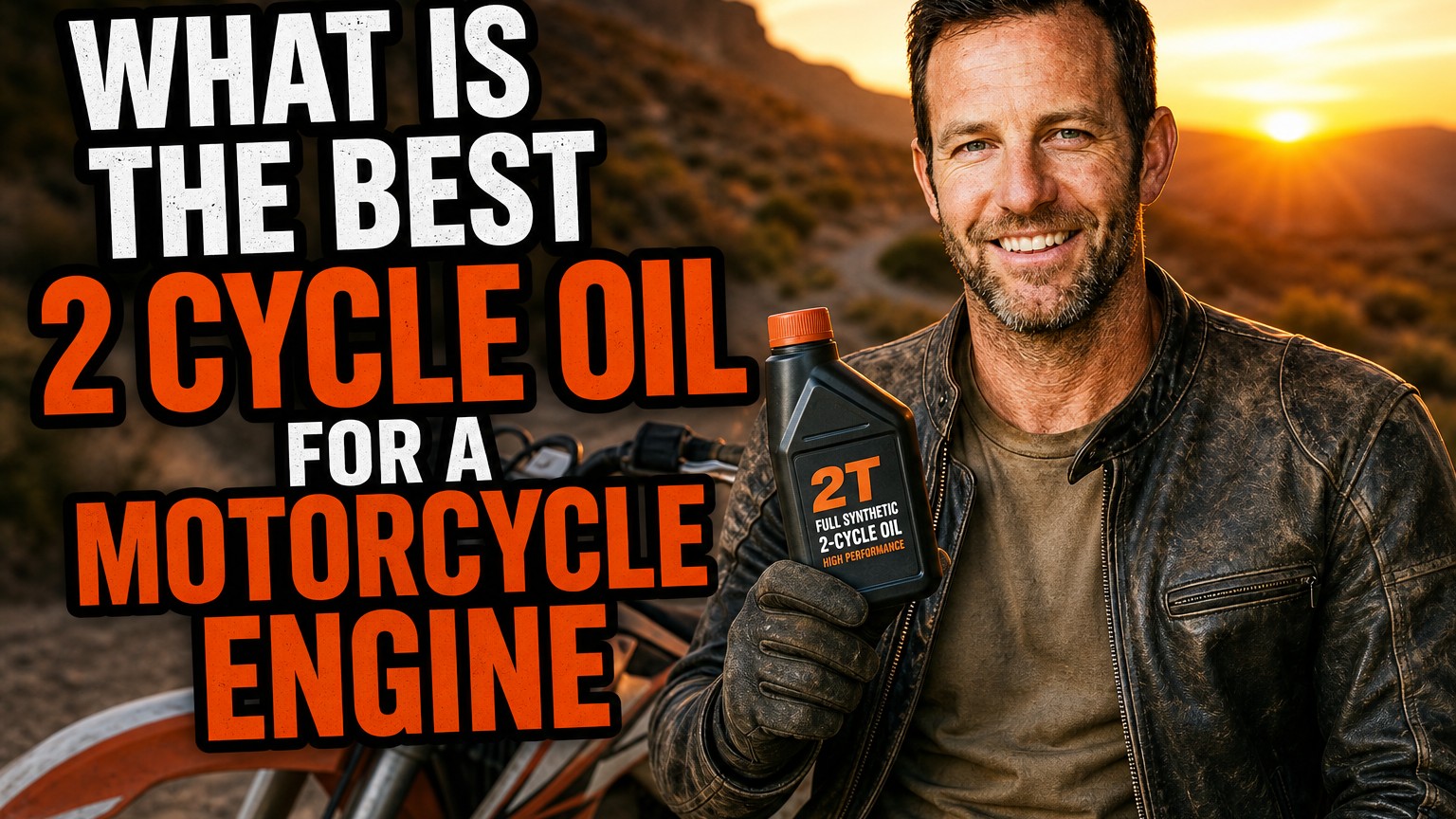
I still remember the first time I seized a two-stroke. I was young, impatient, and I grabbed whatever cheap oil was sitting on the shelf at the gas station. Ten minutes into a trail ride, my engine locked up and I was pushing the bike home.
That lesson cost me a piston, a cylinder and a whole lot of pride. Since then I’ve run dozens of oils through my own bikes, from old road-going strokers to modern dirt machines. So if you’re asking what is the best 2 cycle oil for a motorcycle engine, I’ll tell you what I’ve learned the hard way.
- Look for JASO FD (or at least FC) and ISO-L-EGD ratings on the bottle.
- Fully synthetic or ester-based oils are my top pick for performance, cleanliness and protection.
- My favorites are Motul 710, Castrol Power1 2T, Yamalube 2R and Maxima Super M.
- Follow your manufacturer’s mix ratio, and never use 4-stroke oil in a 2-stroke engine.
Why 2-Stroke Oil Is Completely Different
A two-stroke engine doesn’t have a separate oil sump like a four-stroke does. The oil is mixed with fuel, or injected into the intake, and it lubricates the crank, bearings, piston and cylinder wall on the way through. Then it gets burned along with the fuel.
That single fact changes everything. The oil has to lubricate well, but it also has to burn cleanly. If it leaves behind ash and carbon, you get fouled plugs, clogged exhaust ports and a sluggish engine.
What Happens With the Wrong Oil
I’ve seen the damage firsthand. Cheap or incorrect oil can cause heavy carbon deposits on the piston crown and exhaust port. It can also leave a sticky varnish that causes the rings to stick.
The worst case is a seized piston. That happens when the oil film breaks down under heat and load, and the metal surfaces weld together for a split second. It’s an expensive way to learn about lubrication.
How I Judge a 2-Stroke Oil
When I pick a bottle off the shelf, I don’t care much about the flashy label. I look at a short list of things that actually matter for engine health. Here’s the checklist I use every time.
JASO and ISO Ratings
The JASO rating is the most important thing on the bottle. The Japanese Automotive Standards Organization grades two-stroke oils on lubricity, detergency, smoke and exhaust blocking. The grades are FA, FB, FC and FD.
- JASO FA: The oldest and lowest standard. I avoid it for anything modern.
- JASO FB: A step up, better for older, simpler engines.
- JASO FC: Low smoke and good detergency. A solid choice for most bikes.
- JASO FD: The top grade, with the best detergency and cleanest burn. This is what I look for first.
You may also see ISO-L-EGD, which is roughly equal to JASO FD. If a bottle shows both, that’s a good sign.
Base Oil: Mineral, Semi-Synthetic, Synthetic or Ester
The base oil makes a big difference in how the oil behaves under heat. Here’s how I think about each type.
- Mineral: Cheap and fine for lightly used, older bikes, but it burns dirtier.
- Semi-synthetic: A great middle ground for commuters and weekend riders.
- Fully synthetic: Cleaner burn, better heat resistance and less smoke.
- Ester-based: My choice for high-revving, high-performance engines.
Smoke, Smell and Residue
I’ll admit I like the nostalgic smell of a two-stroke. But a quality oil should produce noticeably less smoke and leave a cleaner exhaust. If I see thick blue smoke and oily residue everywhere, I know something is off.
My Top Picks for 2-Stroke Motorcycle Oil
Here are the oils I trust and keep coming back to. I’ve matched each one to the type of riding it suits best. Your bike and your conditions might lead you to a different winner, but this is a great place to start.
Best Overall: Motul 710 2T
Motul 710 is a fully synthetic, ester-based oil that I’ve used in high-performance engines. It holds up under extreme heat and keeps the piston skirt clean. It’s pricier, but I think it’s worth every penny when the engine is working hard.
I also like that it mixes well and burns cleanly. If you ride aggressively or want maximum protection, this is where I’d start.
Best for Everyday Riding: Castrol Power1 2T
For a road-going two-stroke that sees regular use, Castrol Power1 2T is my go-to. It’s easy to find, reasonably priced and consistently reliable. It’s also available in a few formulations, so check the label for the one that matches your bike.
I’ve run it in an old commuter and it never gave me trouble. For the money, it’s hard to beat.
Best for Yamaha Owners: Yamalube 2R
If you own a Yamaha two-stroke, Yamalube 2R was designed with those engines in mind. It meets high JASO standards and works well in both premix and injection systems. I like using the manufacturer’s oil when I want peace of mind.
Best for Off-Road and Racing: Maxima Super M and Castor 927
For my dirt bike, I’ve leaned on Maxima Super M for its clean burn and strong film strength. Maxima’s Castor 927 adds castor oil, which is famous for clinging to metal under heavy load. The trade-off is a bit more smoke and that classic racing smell.
Castor-based oils can leave more deposits if you don’t ride them hard, so I save them for race days and spirited rides.
Best Budget Pick: A Quality Semi-Synthetic
If you’re watching your wallet, a good semi-synthetic rated JASO FC or FD is my recommendation. Brands like Castrol, Yamalube and Bel-Ray all make solid options. I would rather spend a little more on a decent bottle than risk a rebuild.
Getting the Mix Ratio Right
Even the best oil won’t save you if you mix it wrong. The ratio of fuel to oil matters a great deal. Too little oil means poor lubrication, while too much means smoke, fouled plugs and lost power.
Common Ratios I See
- 32:1: Common on older bikes and for heavy use.
- 40:1: A popular middle ground for many bikes.
- 50:1: Standard for many modern bikes with quality synthetic oil.
- Leaner mixes: Some high-end synthetic oils allow richer or leaner ratios, but only if the bottle says so.
How I Mix Fuel Accurately
I always use a measuring bottle with clear ratio markings. Guessing is how engines die. I pour the oil in first, add about half the fuel, shake it, then top off with the rest.
And here’s a tip: I only mix what I’ll use within a few weeks. Premixed fuel goes stale, and old fuel can cause starting problems and gummy deposits.
Premix vs. Oil Injection
Some bikes have an oil injection system that meters oil automatically. It’s convenient, but I check the oil tank every ride. If the tank runs dry or the pump fails, you’ll destroy the engine in minutes.
Some riders on injected bikes prefer to premix as a backup. That’s a personal call, but I always make sure the oil I use is compatible with my system.
Don’t Confuse 2-Stroke Oil With 4-Stroke Oil
One mistake I see all the time is riders mixing up oil types. Four-stroke oil lives in the crankcase and is built to circulate and last. Two-stroke oil is built to burn.
If you also own a four-stroke bike, it’s worth reading up on which engine oil is best for motorcycle engines, since the requirements are totally different. I keep my oils clearly labeled and stored separately so I never grab the wrong one.
Four-Stroke Oil Resources I Recommend
When I’m sorting out maintenance for my other bikes, I check guides on the top engine oil for 4 stroke motorcycle models. If you’re riding abroad, there’s also a useful rundown of the best engine oil for 4 stroke motorcycle in india, which covers the heat and traffic conditions riders face there.
And for general lubrication questions, I like having a reference for the best motor oil for 4 stroke motorcycle engines. Knowing the difference keeps your whole garage running smoothly.
How Climate and Riding Style Affect My Oil Choice
Where and how you ride changes what you need from an oil. A bike that sits in stop-and-go traffic in a hot climate works its oil much harder than one on cool mountain trails. I adjust my choices accordingly.
Hot and Humid Conditions
In hot weather, I lean toward a synthetic or ester-based oil with strong heat resistance. High temperatures thin the oil film and increase wear. If you ride somewhere like the Gulf Coast, the guide on the best motorcycle motor oil for florida has good tips on handling heat and humidity.
Racing and Hard Riding
If I’m riding hard, I use the best oil I can afford. Ester-based oils and castor blends are made for this. They protect when the engine is spinning near its limit.
Light Commuting
For short, easy rides, I don’t think you need the most expensive bottle. A quality JASO FC or FD semi-synthetic does the job well. The key is consistency, not overspending.
Mistakes I’ve Made (So You Don’t Have To)
I’ve made nearly every mistake there is with two-stroke oil. Here are the big ones I’d urge you to avoid. They’re simple but costly.
- Using the cheapest oil available. It saved me a few dollars and cost me a piston.
- Guessing the ratio. Eyeballing the oil is a recipe for a seized engine.
- Mixing oil types. Some oils don’t blend well, especially castor with certain synthetics.
- Storing premix too long. Old fuel loses its punch and can gum up the carb.
- Ignoring the oil tank. On injected bikes, I make checking the level a habit.
Signs Your Oil Isn’t Doing Its Job
Your bike will usually tell you when something is wrong. I pay attention to a few warning signs. Catching them early can save the engine.
What I Watch For
- Fouled spark plugs: Black, oily or crusty plugs often point to a rich mix or poor oil.
- Heavy smoke: Thick, persistent smoke suggests too much oil or low-quality oil.
- Loss of power: Carbon in the exhaust port can choke performance.
- Hard starting: This can come from fouled plugs or stale premix.
- Overheating or tight spots: These are red flags. I stop and check immediately.
My Final Verdict
So, what is the best 2 cycle oil for a motorcycle engine? For me, it comes down to a fully synthetic or ester-based oil rated JASO FD, mixed at the ratio your manufacturer recommends. Motul 710 is my top performance pick, Castrol Power1 2T is my everyday favorite, and Yamalube 2R is perfect for Yamaha owners.
Whatever you choose, don’t cheap out. A good bottle of oil costs a fraction of a rebuild. Treat your two-stroke right, and it’ll reward you with that crisp, snappy power for years.
Now I’d love to hear from you. What oil do you run in your two-stroke, and has it served you well? Check your manual, pick a quality oil, and go enjoy the ride.
Frequently Asked Questions
What is the best 2 cycle oil for a motorcycle engine?
For most riders, a fully synthetic or semi-synthetic oil rated JASO FD (or at least FC) is the best choice. Castrol Power1 2T, Motul 710, Yamalube 2R and Maxima Super M are all excellent options. Always follow your manufacturer’s recommended mix ratio.
Can I use 4-stroke motorcycle oil in a 2-stroke engine?
No. Four-stroke oil is designed to lubricate and stay in the crankcase, not burn with fuel. Using it in a two-stroke can cause heavy carbon buildup, spark plug fouling and even piston seizure.
What is the correct fuel-to-oil ratio for a two-stroke motorcycle?
It depends on your bike and the oil. Most modern bikes run between 32:1 and 50:1 with quality synthetic oil, and some run leaner. Check your owner’s manual and the oil bottle, and use the richer ratio if you are unsure.
Is synthetic 2-stroke oil worth the extra money?
In my experience, yes. Synthetic and ester-based oils burn cleaner, leave fewer deposits, and protect better at high temperatures. The extra few dollars per bottle is cheap compared with a rebuilt top end.

Related Articles
7 Best Batteries for Motorcycles I’ve Tested and Trust in 2026
I've tested dozens of motorcycle batteries to find the best performers. From AGM to lithium, here are my top picks…
Jake Miller
15 min read

The Perfect Battery for Your Harley Davidson Softail: A Rider’s Complete Guide
Discover the perfect battery for your Harley Davidson Softail. I've tested multiple options and share real-world performance data, maintenance tips,…
Jake Miller
14 min read

The Best Battery for Your Harley Davidson: My Complete Guide After Years of Testing
Discover which battery truly performs best for Harley Davidson motorcycles. Real rider experience with AGM, lithium, and OEM options to…
Jake Miller
12 min read