
Why Your Motorcycle Died Mid-Ride: 9 Common Causes and Fixes
 Jake Miller
10 min read
Jake Miller
10 min read
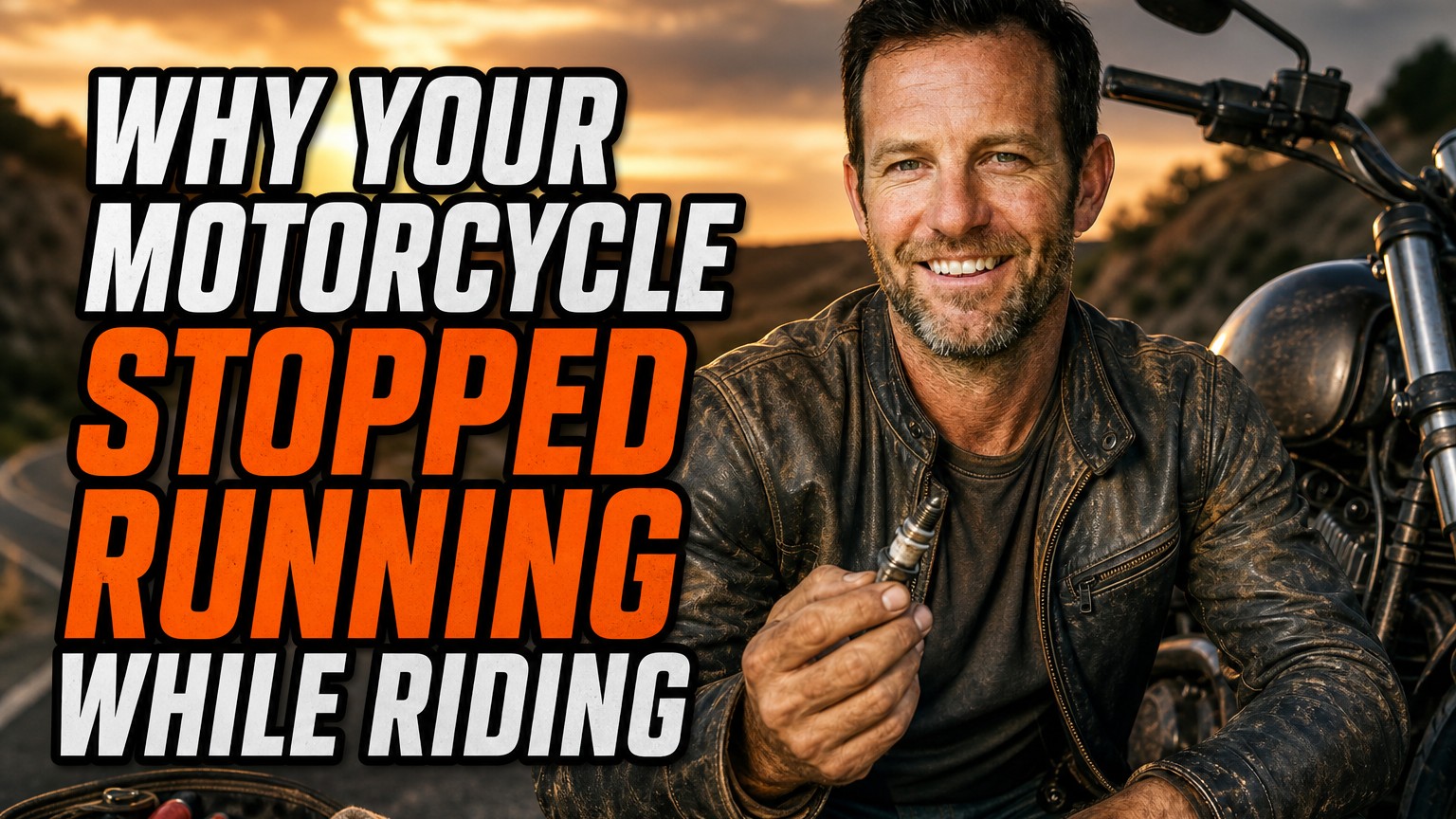
There is nothing quite like the sinking feeling of a motorcycle going silent beneath you at speed. One second you’re cruising along, the next you’re coasting with a dead engine and traffic closing in behind you. I’ve been there, and it’s never fun.
The good news is that most mid-ride shutdowns come down to a handful of predictable causes. Once you understand how fuel, air, spark, and electrical power work together, tracking down the culprit gets much easier.
In this guide, I’ll walk you through what I do the moment a bike quits, then cover the most common reasons it happens and how I fix each one.
- Most mid-ride stalls trace back to fuel delivery, spark, or electrical charging problems.
- Your first move is always safety: clutch in, coast to a safe spot, then diagnose.
- Check the simple stuff first: kill switch, fuel level, petcock, and battery terminals.
- Regular maintenance (plugs, filters, battery tests) prevents the majority of breakdowns.
What I Do the Moment My Bike Cuts Out
Panic is your worst enemy here. A dead engine doesn’t mean dead brakes or steering, so stay calm and focus on getting out of traffic.
Step 1: Clutch In and Find a Safe Spot
I pull in the clutch immediately and let the bike coast. This keeps the drivetrain free and gives me momentum to steer toward a shoulder, parking lot, or side street.
If I have hazard lights, I switch them on. If the electrical system is dead, I use hand signals and keep my eyes on my mirrors.
Step 2: Try a Quick Restart While Coasting
Sometimes the stall is a momentary hiccup. I’ll check that the kill switch is in the run position, the key is on, and the bike is in neutral or the clutch is held in, then press the starter once.
If it cranks but won’t fire, that tells me something different than a bike that makes no sound at all. I’ll use that clue shortly.
Fuel Problems: The Number One Suspect
Internal combustion engines need fuel, air, and spark. Take away any one and the engine quits. In my experience, fuel is the most common culprit, and it’s often embarrassingly simple.
Running Out of Gas (Yes, Really)
I’ve seen experienced riders, myself included, trust a fuel gauge that wasn’t telling the truth. Many older bikes have no gauge at all and rely on a reserve setting on the petcock.
If your bike sputtered before dying, flip the petcock to reserve (if equipped) and try again. Always know your bike’s real range instead of trusting the needle.
Clogged Petcock or Fuel Filter
Vacuum-operated petcocks can fail internally, starving the carburetor at higher RPM. Rust and debris in the tank can also clog the filter screen.
A telltale sign is a bike that loses power under throttle, then recovers after sitting a few minutes. If that sounds familiar, inspect the petcock and replace the inline filter.
Failing Fuel Pump on Injected Bikes
On fuel-injected motorcycles, a weak pump can’t maintain pressure. When you turn the key on, you should hear a brief whir for a couple of seconds.
If that sound is missing, the pump, relay, or fuse is suspect. I always check the fuse first because it’s a five-dollar fix.
A Note on Bad Gas
Old or ethanol-heavy fuel can gum up jets and injectors. If your bike sat for months before the ride, stale fuel may be your answer. Fresh fuel and a quality cleaner often solve it.
Electrical Gremlins That Kill Your Ride
When a bike dies with no warning, like someone flipped a switch, I start suspecting electrical issues. These can be tricky, but they follow patterns.
A Weak Battery or Loose Terminals
A battery doesn’t just start the bike. On many modern machines, it stabilizes voltage for the ECU, fuel pump, and ignition.
Corroded or loose terminals can break contact over bumps, causing a sudden cutout. I wiggle the cables at the first sign of trouble, and I clean the terminals every season.
Charging System Failure: Stator and Regulator/Rectifier
If your headlight dimmed and the dash flickered before the engine quit, the charging system likely failed. The bike was running purely off battery until the voltage dropped too low.
With a multimeter, a healthy system should read roughly 13.5 to 14.8 volts at the battery with the engine running. Anything near 12 volts or lower means the battery isn’t being charged.
Main Fuse, Relay, or Ground Problems
A corroded ground strap or failing main relay can drop power instantly. These faults are often intermittent, which makes them maddening.
I look for melted connectors, green corrosion, and frayed wires near the frame and under the seat. Heat and vibration are brutal on wiring over time.
Faulty Kill Switch or Ignition Switch
Worn switches can momentarily lose contact. If your bike dies when you bump the handlebar controls or hit a pothole, test the kill switch and the key switch.
Sometimes simply cycling the kill switch several times cleans the contacts enough to confirm the diagnosis.
Ignition and Spark Issues
No spark, no combustion. Ignition components wear out, and when they do, they often fail under heat or load.
Fouled or Worn Spark Plugs
Old plugs misfire, especially at highway speeds. I pull the plug and look at the tip: black and sooty suggests rich running, white suggests lean, and wet means fuel flooding.
Plugs are cheap. Replacing them on schedule is one of the best insurance policies you can buy.
Failing Ignition Coil or Plug Cap
A coil that breaks down when hot can cause a bike to quit after 20 or 30 minutes of riding, then restart after cooling. That heat-related pattern is a classic sign.
Cracked plug caps can also leak spark in wet weather. If you ride often in bad conditions, it’s worth reading up on the best motorcycle for riding in the rain and how those bikes are sealed against moisture.
Bad Pickup Coil or Crank Sensor
These sensors tell the ECU when to fire. When one fails, the bike may stall suddenly and refuse to restart until it cools.
Diagnosing them typically requires resistance testing or a scan tool. I’ll admit this is where I often hand things to a good mechanic.
Overheating and Mechanical Causes
Engine Overheating
Air-cooled engines in stop-and-go traffic can get very hot. Extreme heat causes vapor lock, pre-ignition, and even seizure in severe cases.
For liquid-cooled bikes, check the coolant level, radiator fan operation, and for leaks. If the temperature gauge spikes, shut the engine off immediately to avoid costly damage.
Seized Engine or Low Oil
This one is the nightmare scenario. If the engine stops abruptly, makes a grinding noise, and the rear wheel locks up, oil starvation may be to blame.
That’s why I check my oil before every long ride. It takes ten seconds and could save thousands of dollars.
Air Intake Restrictions
A clogged air filter or collapsed intake boot can suffocate the engine. This is more common on dusty roads or bikes with neglected maintenance.
Carbureted bikes can also suffer from dirty jets or a stuck float needle, causing a lean or flooded condition that kills the engine.
Carburetor vs. Fuel Injection: Different Bikes, Different Clues
How a bike dies tells you plenty about what’s wrong. Here’s how I read the signs on each type.
Carbureted Bikes
Sputtering, surging, or hesitation before stalling usually points to fuel starvation. Backfiring on decel suggests a lean mixture or air leak.
Dirty pilot jets also cause stalling at idle, even if the bike runs well at higher speeds.
Fuel-Injected Bikes
Injected engines tend to die more abruptly, often from sensor, pump, or electrical faults. A check-engine light or FI warning is a big hint.
If your bike has a diagnostic mode, pull the codes. Even a basic OBD adapter can save hours of guesswork.
Does Your Riding Style or Load Matter?
Absolutely. Heavy loads, steep climbs, and long stretches at full throttle put extra strain on small engines and electrical systems.
If you regularly carry a passenger or luggage, make sure your machine is up to the task. I’ve found that choosing the best motorcycle for riding with a passenger makes a real difference in reliability, and a well-matched best 300cc motorcycle for 2 up riding can handle extra weight without constantly straining.
Cold climates bring their own problems, including thick oil, weak batteries, and fuel line icing. If winter riding is your thing, see this guide on the best motorcycle for riding in snow.
My Roadside Troubleshooting Checklist
When I’m stuck on the shoulder, I follow the same order every time. It keeps me calm and efficient.
- Kill switch and key: Confirm both are in the run position.
- Fuel: Check the tank, switch to reserve, and listen for the pump prime.
- Battery and connections: Look for loose terminals and check the main fuse.
- Spark: Inspect the plug cap and, if safe, pull a plug to check for spark.
- Heat: Feel for extreme engine heat and check coolant if applicable.
- Codes and lights: Note any warning lights or fault codes.
If none of that works, I call for a tow instead of cranking endlessly. Repeated attempts can drain the battery and flood the engine, making the problem worse.
How I Prevent Breakdowns Before They Happen
Prevention beats roadside repairs every time. A few simple habits dramatically cut my risk of getting stranded.
Stick to a Maintenance Schedule
Change oil, filters, and spark plugs on time. Test the battery annually, especially if it’s more than three years old.
Also inspect wiring, grounds, and connectors during routine service. Small corrosion today becomes a dead bike tomorrow.
Use Quality Fuel and Stabilizer
I buy fuel from busy stations and add stabilizer if the bike will sit more than a month. It keeps carb jets and injectors clean.
Carry a Basic Toolkit
My kit includes a multimeter, spare fuses, a spark plug and wrench, zip ties, electrical tape, and a tire plug kit. It doesn’t take much room, and it has saved me more than once.
Choose a Bike That Fits How You Ride
Reliability also depends on matching your motorcycle to your riding. If you mostly commute, the best motorcycle for street riding is typically a simple, proven design with easy maintenance.
When to Call a Professional
I’m a big fan of DIY, but some problems justify a shop visit. Intermittent electrical faults, ECU issues, and internal engine noises are prime examples.
If the same stall keeps recurring after you’ve checked the basics, a professional diagnostic can save time, money, and frustration. Never ride a bike you don’t trust, especially on highways.
Final Thoughts
A motorcycle that dies mid-ride is scary, but it’s rarely a mystery once you work through fuel, spark, air, and electrical systems methodically. Most of the time, the fix is simpler than you’d expect.
Stay calm, get safe first, and diagnose second. With good maintenance habits and a basic toolkit, you’ll spend far more time riding and far less time staring at a silent engine on the side of the road.
Ride safe, and keep the rubber side down.
Frequently Asked Questions
Why did my motorcycle suddenly shut off while riding?
The most common causes are fuel delivery problems (empty tank, clogged petcock, failing pump), electrical faults (weak battery, bad stator, loose connections), and ignition issues (fouled plugs, failing coils). Overheating and a tripped kill switch are also frequent culprits.
Why does my motorcycle die when I stop but run fine while riding?
This usually points to a dirty idle circuit or pilot jet, a vacuum leak, or a low idle speed setting. A weak charging system can also cause stalling at low RPM when the engine cannot keep up with electrical demand.
Can a bad battery make a motorcycle stall while riding?
Yes. If the battery is weak and the stator or regulator/rectifier is not charging properly, system voltage drops until the ignition and fuel injection can no longer operate. The bike then cuts out, often with dimming lights beforehand.
What should I do first when my motorcycle dies on the road?
Pull in the clutch, coast to a safe spot off the road, and turn on your hazard lights if equipped. Then check the kill switch, fuel level, and fuel petcock before attempting a restart.

Related Articles
7 Best Batteries for Motorcycles I’ve Tested and Trust in 2026
I've tested dozens of motorcycle batteries to find the best performers. From AGM to lithium, here are my top picks…
Jake Miller
15 min read

The Perfect Battery for Your Harley Davidson Softail: A Rider’s Complete Guide
Discover the perfect battery for your Harley Davidson Softail. I've tested multiple options and share real-world performance data, maintenance tips,…
Jake Miller
14 min read

The Best Battery for Your Harley Davidson: My Complete Guide After Years of Testing
Discover which battery truly performs best for Harley Davidson motorcycles. Real rider experience with AGM, lithium, and OEM options to…
Jake Miller
12 min read