
8 Best Motorcycles for Twisty Mountain Roads: Nimble, Comfortable Picks
 Jake Miller
11 min read
Jake Miller
11 min read
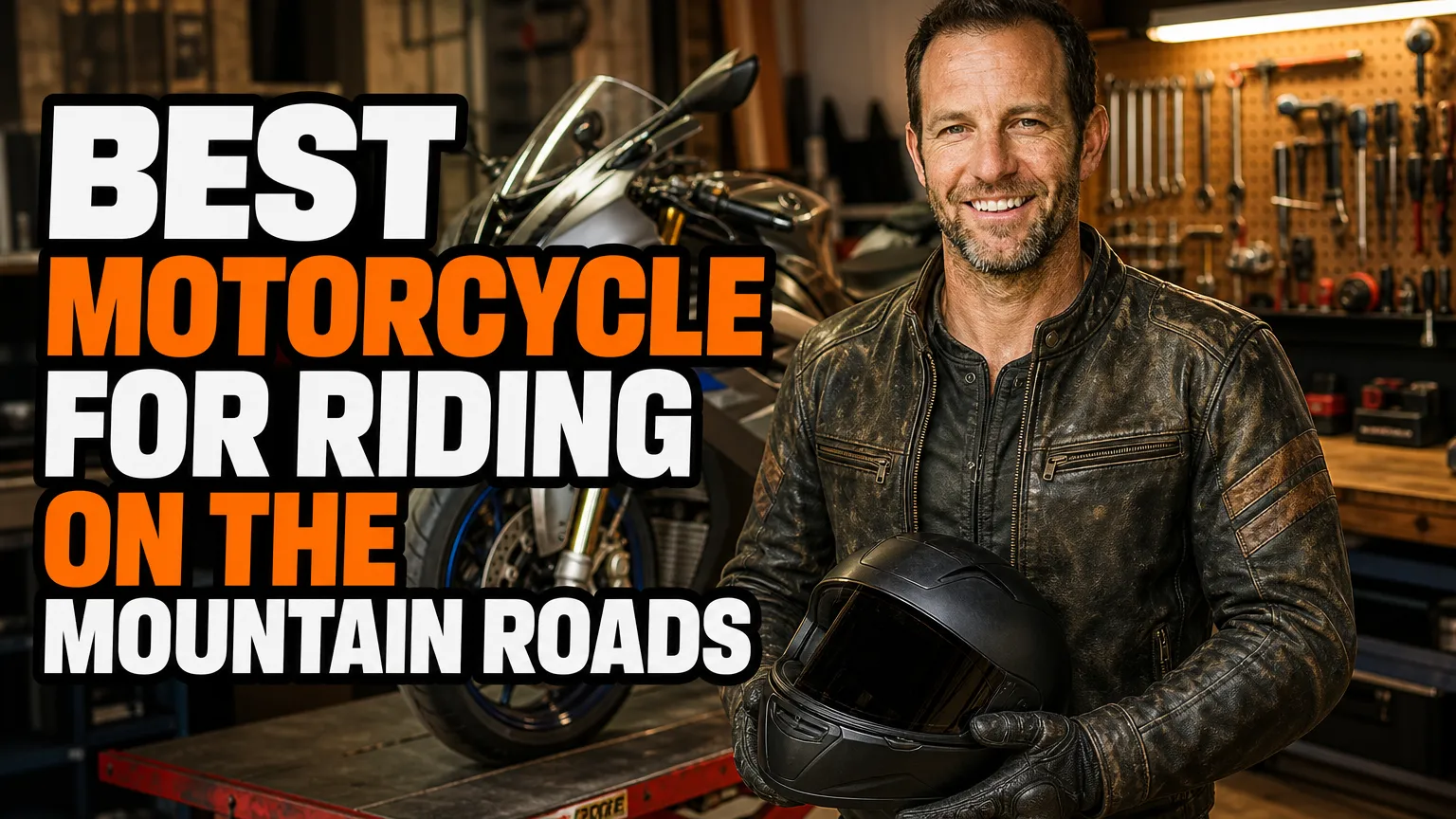
When I head for a mountain road, I want a motorcycle that feels composed through a sequence of corners, responds cleanly when I roll on the throttle, and stays comfortable after the pavement begins to climb. Peak horsepower matters less to me than predictable handling, manageable weight, good brakes, and an engine that works well at real-world speeds.
The best motorcycle for riding on the mountain roads depends on the roads I ride and the way I like to ride them. Below, I’ve picked eight current, specific models that cover nimble naked bikes, sporty road machines, and more comfortable touring and adventure options.
- I’d choose a middleweight naked for a light, responsive feel on paved switchbacks.
- The Triumph Street Triple 765 R is my sportiest pick; the Yamaha Tracer 9 GT suits longer days.
- Adventure bikes such as the Honda XL750 Transalp make sense when comfort and rough-road flexibility matter.
- I’d prioritize fit, tires, brakes, and suspension over horsepower alone.
1. Triumph Street Triple 765 R: Best for Focused, Spirited Cornering
When I want a motorcycle that feels sharp and eager on a paved mountain pass, the Triumph Street Triple 765 R is high on my list. Its 765cc inline-three makes about 120 PS, and the engine’s broad, responsive character gives me useful drive out of corners without needing to chase enormous power.
The Street Triple 765 R pairs that engine with a sporty chassis, a six-speed gearbox, and rider aids that include selectable riding modes, traction control, and ABS. Its upright-but-forward riding position gives me good leverage through bends, while the relatively compact format feels less cumbersome than a large touring bike on a narrow road.
Why I’d choose it
I’d pick the Street Triple 765 R for technical pavement where precise steering and strong braking matter more than wind protection. It is also a credible everyday motorcycle, though its firm, sporty setup and limited weather coverage are trade-offs I’d notice on long motorway stretches.
I’d check the local model-year specification and dealer pricing before buying, since equipment and prices vary by market. For a rider who wants a road-focused machine rather than an adventure bike, this Triumph delivers a particularly compelling mix of performance and control.
2. Yamaha MT-07: Best for Approachable, Lively Performance
I like the Yamaha MT-07 because it makes a twisty ride enjoyable without demanding a superbike pace. Its 689cc parallel twin is known for accessible low- and mid-range response, and the manageable size helps me focus on looking through the corner rather than wrestling a heavy motorcycle.
Recent versions add modern touches such as a color TFT display and updated electronics; equipment can differ by year and market. The MT-07’s upright seating position is easy to live with on everyday rides, and its engine character suits rolling mountain roads where I’m frequently accelerating out of bends.
What I’d keep in mind
The MT-07 is a naked bike, so I wouldn’t expect much wind protection at sustained highway speeds. I’d also pay attention to suspension setup and tire condition, since those have a noticeable effect on comfort and confidence when the pavement becomes uneven.
If I wanted a motorcycle that could cover errands and weekend curves, I’d put the MT-07 on my shortlist. Riders comparing options for ordinary paved use can also browse my guide to the best motorcycle for street riding for a wider look at all-round road choices.
3. Suzuki GSX-8S: Best for Balanced Middleweight Muscle
The Suzuki GSX-8S gives me a little more displacement and a planted feel without moving into heavyweight territory. Its 776cc parallel twin produces around 82 horsepower and 78 Nm of torque, giving it useful flexibility when I’m climbing a grade or accelerating between slower corners.
Suzuki equips the GSX-8S with a six-speed transmission, ride-by-wire throttle, selectable riding modes, and traction control. It also has a bi-directional quickshifter as standard in many markets, which makes gear changes feel convenient when I’m riding briskly through a series of bends.
Where it fits best
I’d choose the GSX-8S if I wanted an energetic naked bike that feels substantial but remains approachable for regular road use. Its wide handlebar gives me leverage at lower speeds, while the upright position is less committed than a full sportbike’s.
Like other naked motorcycles, it leaves me exposed to wind, and it isn’t built to carry touring luggage straight from the showroom. I’d consider accessories and seat comfort carefully if my mountain weekends involved long highway transfers as well as winding roads.
4. Honda XL750 Transalp: Best for Rough Pavement and Mixed Routes
When a mountain route includes broken pavement, steep grades, or a detour onto a gravel road, I’d take a close look at the Honda XL750 Transalp. Its 755cc parallel twin makes about 90.5 horsepower, and the adventure-bike layout gives me a taller riding position and more suspension travel than a typical naked street bike.
The Transalp has a 21-inch front wheel, which is useful for stability and rougher surfaces, and Honda offers electronic rider aids including selectable riding modes and traction control. The taller stance also gives me a commanding view of traffic and the road ahead, though seat height is an important fit check for shorter riders.
Why I’d take it into the mountains
I’d choose the Transalp when comfort and versatility matter as much as quick direction changes. It can handle paved switchbacks, but its adventure-oriented wheel and suspension setup won’t feel as immediately sharp as a dedicated roadster on smooth asphalt.
For mostly paved riding, I’d compare tires and suspension setup before assuming an adventure bike is automatically the better choice. If I expected snow or genuinely wintry conditions, I’d also plan around weather, road closures, and appropriate equipment; a motorcycle choice alone doesn’t make a mountain road safe. My guide to the best motorcycle for riding in snow offers more context for that very different challenge.
5. Yamaha Tracer 9 GT: Best for Long Mountain Days
The Yamaha Tracer 9 GT is the choice I’d consider when my mountain ride includes hours of highway before and after the fun section. Its 890cc CP3 inline-three produces around 117 horsepower, giving it strong passing power and a smooth, flexible feel on winding roads.
Depending on model year and market, the GT package can include features such as electronic suspension, cruise control, heated grips, a quickshifter, and luggage. I value that sort of equipment because it makes changing weather, long distances, and variable road surfaces easier to manage without turning the bike into an oversized touring machine.
Comfort with a sporty side
I’d pick the Tracer 9 GT for a multi-day trip or a route with long linking stretches. It is heavier and more complex than a naked middleweight, but its wind protection, upright posture, and touring equipment are advantages I’d appreciate once fatigue sets in.
Before buying, I’d check the exact GT specification in my country and make sure the seat height and loaded weight feel comfortable at a stop. This is a strong option for riders who want a single motorcycle to cover touring and mountain roads, rather than a specialist machine for short, fast rides.
6. BMW F 900 XR: Best for Sport-Touring Versatility
I see the BMW F 900 XR as a useful middle ground between a sporty roadster and a full touring motorcycle. Its 895cc parallel twin makes about 105 horsepower, and the upright riding position, small fairing, and adjustable windscreen make it more comfortable for distance than most naked bikes.
BMW offers rider aids and touring-focused options that can vary with the chosen package and model year. Depending on specification, features may include riding modes, traction control, ABS, cruise control, or electronically adjustable suspension, so I’d confirm the equipment on the actual bike rather than assume every feature is standard.
My mountain-road take
I’d choose the F 900 XR if I wanted a comfortable, capable road motorcycle that could tackle a twisty pass and still feel relaxed on the way there. Its extra bodywork and weight are worthwhile for distance, although a lighter naked bike may feel more playful on a very tight route.
I’d pay close attention to how the bike fits me at low speed, especially when it’s loaded with luggage. Pricing can vary substantially with options, so I’d compare equipped examples rather than looking only at the base model’s sticker price.
7. Ducati Multistrada V2: Best for Premium, Agile Touring
The Ducati Multistrada V2 is the premium adventure-touring choice I’d consider when I want a strong engine, upright comfort, and serious road capability. The redesigned 890cc V-twin produces about 115 horsepower, and its power delivery is well suited to climbing roads and accelerating between bends.
The V2 combines adventure-bike ergonomics with road-focused intent, and its available electronics and touring features depend on version and market. I’d look closely at the precise trim, because equipment such as suspension and other convenience features can differ between standard and higher-spec models.
Who I think it suits
I’d choose the Multistrada V2 if I wanted a refined motorcycle for both mountain day rides and longer trips, and if its premium price fit my budget. It gives me more wind protection and carrying potential than a naked bike, while remaining less imposing than a large adventure tourer.
For a rider who mainly wants to ride short, smooth switchbacks, the Ducati’s cost and extra touring capability may be more than necessary. I’d take a proper test ride and compare the seat height, heat, and low-speed balance before committing.
8. Kawasaki Ninja 650: Best for a Practical, Wind-Protected Ride
The Kawasaki Ninja 650 is the sport-styled choice I’d recommend to someone who wants fairing protection without jumping to a high-powered supersport. Its 649cc parallel twin produces roughly 67 horsepower, and the engine’s friendly delivery makes it easy to ride smoothly through corners and on everyday roads.
The Ninja 650 has a six-speed gearbox, a relaxed sport riding position, and a full fairing that takes some wind off my chest. Depending on model year and market, it may also offer a color TFT display and smartphone connectivity, so I’d check the specific version at a local dealer.
A sensible road-first option
I’d choose the Ninja 650 if my mountain rides included plenty of ordinary commuting and highway miles. It is less aggressive than a supersport machine, which I find appealing for real roads where comfort, visibility, and smooth inputs matter more than track-focused performance.
Its suspension and brakes are aimed at versatile road use rather than extreme sport riding, so I wouldn’t expect it to feel as sharp as the Street Triple on a demanding pass. Still, for an approachable motorcycle with some wind protection, the Ninja 650 makes a practical case for itself.
How I Choose a Motorcycle for Mountain Roads
I start with fit and control, not a spec-sheet horsepower contest. I want to reach the bars naturally, work the clutch smoothly, and feel confident stopping on a cambered shoulder or at a steep junction. A bike that feels comfortable at low speeds is often easier to enjoy once the road gets technical.
Weight, power, and handling
For tight paved roads, I usually favor a light or middleweight motorcycle with a predictable throttle and enough torque for clean exits. More power can be fun, but I’d rather have an engine I can use smoothly than spend the ride managing excess speed or fighting a heavy machine through hairpins.
I also consider the kind of pavement I’ll encounter. A naked bike or sport-tourer is often my preference on clean asphalt, while an adventure bike can make more sense if I expect potholes, gravel, or longer stretches of rough road.
Comfort, equipment, and riding habits
I look at seat comfort, wind protection, fuel range, and luggage options if my mountain rides last all day. I also check whether the bike’s rider aids are standard or optional, and whether the suspension can be adjusted for my weight and the luggage I plan to carry.
If I mostly ride around town between weekend trips, I’d compare seat height and low-speed manners with my daily needs in mind. My guides to the best motorcycle for town riding and the best motorcycle for urban riding cover those more traffic-heavy situations. Riders considering a smaller bike for two-up outings can also explore the best 300cc motorcycle for 2 up riding.
My Final Picks
If I wanted the most focused paved-road experience, I’d start with the Triumph Street Triple 765 R. For approachable everyday fun, I’d look at the Yamaha MT-07 or Suzuki GSX-8S; for longer trips, I’d compare the Yamaha Tracer 9 GT and BMW F 900 XR.
I’d choose the Honda XL750 Transalp or Ducati Multistrada V2 when I wanted adventure-bike comfort and flexibility, and the Kawasaki Ninja 650 when I wanted fairing protection in an accessible package. Whichever model I picked, I’d arrange a test ride, check the fit, inspect the tires and brakes, and ride within my ability. Those choices matter more to my confidence than chasing the biggest number on a spec sheet.
Frequently Asked Questions
What type of motorcycle is best for mountain roads?
I look for manageable weight, responsive power, predictable brakes, and a comfortable riding position. A middleweight naked or sport-tourer is a strong fit for many riders.
Is a naked bike or an adventure bike better for mountain riding?
I prefer a naked bike for paved, technical bends and an adventure bike when I want more suspension travel, a taller view, or the option to explore rougher roads.
How much horsepower do I need for mountain roads?
I find roughly 70 to 120 horsepower plenty for spirited paved-road riding. Chassis balance, tires, and smooth throttle response matter more than peak power.
Are these motorcycles suitable for everyday riding too?
Yes. I included models with practical engines and ergonomics, though wind protection, seat height, and luggage options vary. I would choose based on my commute as well as my weekend routes.

Related Articles
Motorcycle Wheelbase Explained: How It Shapes Stability, Handling, and Comfort
Learn what motorcycle wheelbase measures, how it influences stability, cornering and comfort, and how I compare the spec when choosing…
Jake Miller
11 min read
Inside the Backbone: How This Motorcycle Frame Works and What Riders Should Know
Learn how a motorcycle backbone frame works, how it compares with other chassis designs, and what I check for in…
Jake Miller
10 min read
7 Best Touring Motorcycles for New Riders Who Want to Go Far
Seven approachable touring motorcycles for new riders, with real specs, comfort trade-offs, price guidance, and my picks for highways, weekends,…
Jake Miller
12 min read