
8 Best Motorcycles for Daily Rides and Long-Distance Adventures
 Jake Miller
10 min read
Jake Miller
10 min read
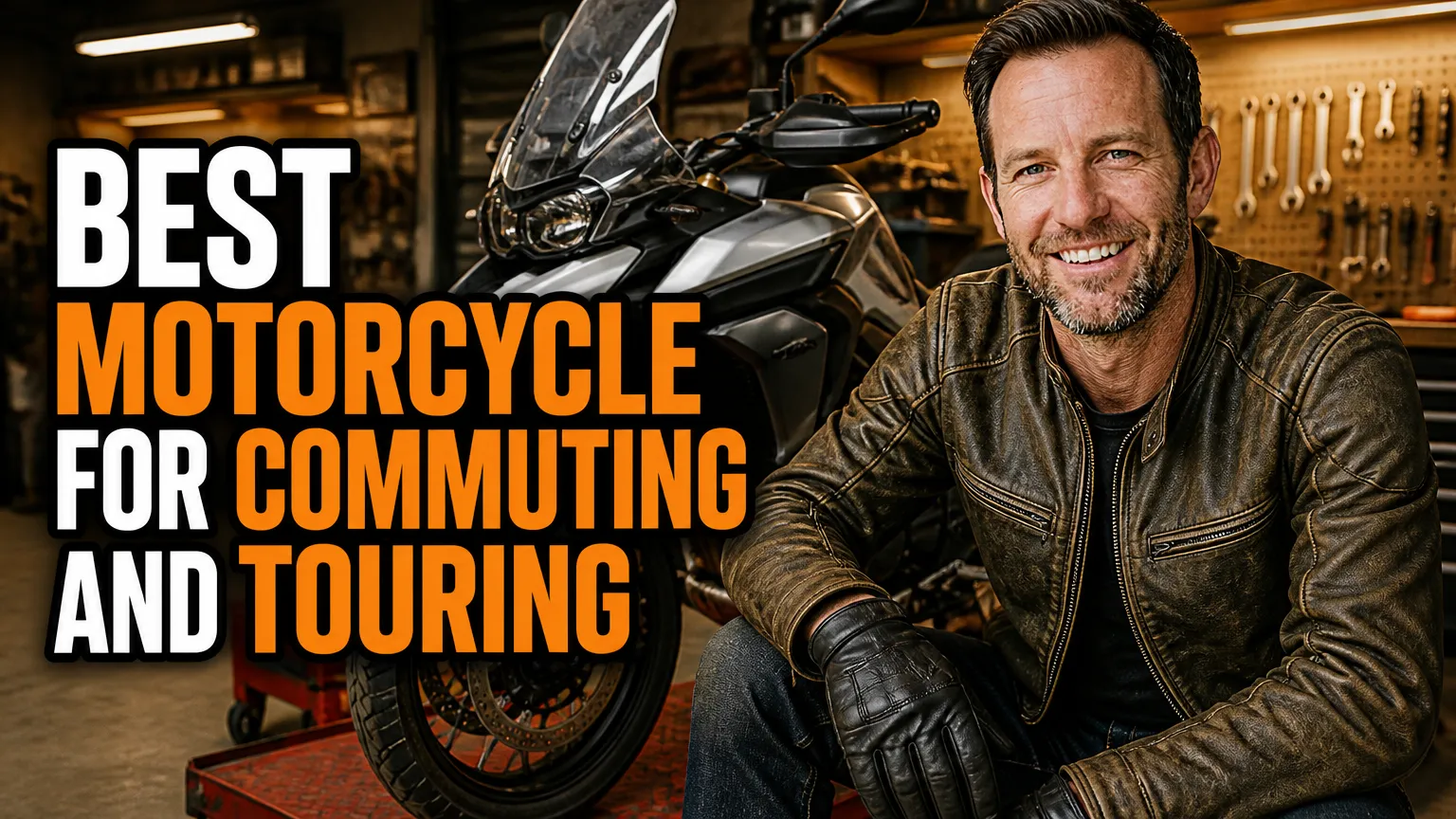
I look for a motorcycle that can make a Monday commute feel manageable and still leave me eager to head out for a long weekend. That means balancing comfort, low-speed control, wind protection, storage, fuel range, and price rather than chasing the biggest engine or the most adventurous styling.
There isn’t one perfect answer for every rider. In this guide, I’ve picked eight specific motorcycles that bring different strengths to the mix, from nimble middleweights to premium long-distance machines. I’d always check local model availability, current pricing, and seat fit before buying.
- I’d shortlist the Kawasaki Versys 650 LT for a practical, approachable all-rounder.
- The Honda NC750X DCT stands out to me for urban convenience and built-in storage.
- I’d look at the Yamaha Tracer 9 GT or Triumph Tiger Sport 800 for stronger touring performance.
- Seat comfort, luggage, and local traffic matter as much as engine size when I choose a bike for both jobs.
How I Choose a Bike for the Week and the Open Road
For commuting, I value predictable throttle response, a comfortable riding position, easy parking, and enough steering lock to thread through tight streets. For touring, I want a supportive seat, wind protection, space for luggage, and an engine that doesn’t feel strained at highway speeds.
I also consider ownership costs and rider fit. A heavy motorcycle can feel reassuring on the highway but tiring to move around a garage, while a tall adventure bike may offer great visibility yet feel awkward at frequent stops. For more focused comparisons, I’d also browse these guides to the best motorcycle for commuting and the best motorcycle for touring america.
1. Kawasaki Versys 650 LT — My Practical All-Rounder
I like the Kawasaki Versys 650 LT because it keeps the formula straightforward: a 649cc parallel-twin engine, upright ergonomics, useful fairing protection, and touring luggage in a package that remains more manageable than a large touring bike. Its road-focused 17-inch wheels also suit paved commutes and highway trips well.
The LT trim is the one I’d examine if I want to travel with luggage. It adds hard saddlebags, and the bike’s adjustable windscreen helps me tune airflow to my height and riding position. Kawasaki’s ABS-equipped Versys 650 LT generally sits around the low five-figure range in the U.S., though the exact price depends on model year and dealer charges.
Why I’d consider it for everyday use
The seat height and upright layout make the Versys feel more approachable than many tall adventure motorcycles, while its fairing gives me more weather coverage than a naked bike. I’d still test the seat in person, especially if I’m shorter or spend long hours in stop-and-go traffic, but I see it as a sensible balance of comfort and control.
2. Honda NC750X DCT — My City-Friendly Choice
The Honda NC750X DCT is one I’d put near the top of my list for riders who spend a lot of time in traffic. Its 745cc parallel twin is tuned for useful everyday response rather than high-revving drama, and Honda’s Dual Clutch Transmission can shift automatically or let me select gears using the controls.
One of its cleverest practical features is the storage compartment where a conventional motorcycle’s fuel tank would usually sit. Honda lists this as a 23-liter compartment on recent NC750X versions, giving me somewhere handy for a helmet or commuting essentials, depending on the item’s size. Equipment and availability differ by market, so I’d confirm the specifications for the exact year I’m considering.
Where I’d draw the line
The NC750X’s relaxed character suits daily riding and moderate-distance touring, but I wouldn’t choose it for maximum acceleration or a particularly sporty feel. The DCT can make dense traffic less tiring, although I’d compare its added cost with the manual model and take both for a test ride if possible. Prices vary by country and trim; I’d check the local Honda listing rather than assume one market’s MSRP applies everywhere.
3. Suzuki V-Strom 800RE — My Road-Touring Adventure Pick
I’d consider the Suzuki V-Strom 800RE if I want adventure-bike visibility and comfort but expect most of my miles to be on pavement. Its 776cc parallel twin, upright riding position, and 17-inch front wheel give it a road-focused character compared with the more off-road-oriented V-Strom 800DE.
Suzuki equips the 800RE with modern rider aids, including selectable traction-control modes and a quickshifter on applicable versions. A color TFT display and a 20-liter fuel tank add practical appeal for longer rides. Depending on model year and market, I’d expect the base bike to land around the low-to-mid five-figure range before luggage and other accessories.
My touring considerations
The V-Strom 800RE gives me room to add hard cases, a top case, or soft luggage for a trip, but I’d include that equipment in my real budget. The standard windscreen and seat may suit some riders better than others, so I’d assess buffeting and seat comfort before planning full-day rides. For a two-person trip, I’d compare its passenger space with options in this guide to the best touring motorcycle for couples.
4. Yamaha Tracer 9 GT — My Sporty Long-Distance Pick
The Yamaha Tracer 9 GT appeals to me when I want a lively engine without giving up touring equipment. Its 890cc CP3 triple is known for a strong, engaging character, while the sport-tourer layout offers a more upright position than a fully committed sportbike. Depending on the model year, GT equipment can include electronically adjustable suspension, heated grips, cruise control, and hard side cases.
That combination makes the Tracer 9 GT useful beyond weekend rides. I can picture it handling a highway commute comfortably, then feeling entertaining on a winding route after work. It costs more than a basic middleweight, with U.S. pricing generally in the low-to-mid five figures depending on year and specification.
What I’d check before buying
I’d pay close attention to seat height, screen airflow, and the way the engine responds at low speed. The Tracer is more performance-oriented than the NC750X or Versys 650, so I’d decide whether that extra power and equipment justify the price for my regular routes. I’d also check which luggage is included on the exact trim rather than assume every GT listing comes with identical accessories.
5. BMW F 900 XR — My Premium Middleweight
I’d look at the BMW F 900 XR if I want a refined road-focused adventure silhouette and premium touring options without stepping up to a large touring motorcycle. Its 895cc parallel twin provides a substantial middleweight engine, and the XR’s upright ergonomics and fairing are designed for longer paved rides as well as everyday use.
BMW offers the F 900 XR with features that can include ride modes, ABS, traction control, and a color TFT display, with equipment depending on market and package. Optional extras and packages can make a meaningful difference to the final price, so I’d compare the exact build sheet. In the U.S., I’d generally expect a new example to start in the mid five-figure range before destination fees and options.
My ownership perspective
The F 900 XR is appealing if I value a premium finish, touring comfort, and a broad options list. I’d budget not only for the bike but also for luggage, protection, and servicing, since the cost of ownership can be higher than on simpler middleweights. Before committing, I’d make sure the riding position feels natural during a proper test ride, not just during a quick sit in the showroom.
6. Triumph Tiger Sport 800 — My Newer Sport-Touring Option
The Triumph Tiger Sport 800 gives me another compelling middleweight route to commuting and touring. Its 798cc triple is rated at 115 PS, and Triumph pairs that engine with a road-focused chassis and upright ergonomics. The model’s blend of sporty performance and touring intent makes it worth considering if I want more character than a basic commuter without moving to a heavyweight machine.
Triumph lists rider-focused equipment such as multiple riding modes, cornering ABS and traction control, cruise control, and a quickshifter, with details subject to market and model year. The Tiger Sport 800 is a recent model, so I’d verify local stock and the exact package included. Its price sits above many entry-level middleweights, typically in the low-to-mid five-figure range in the U.S.
Who I think it suits
I’d choose the Tiger Sport 800 if I expect to enjoy spirited weekend rides as much as I value weekday usability. Its power and feature set are more than I need for a short urban commute, but they can make longer, faster journeys feel less demanding. I’d check whether the standard windscreen and seat work for my body before adding touring accessories.
7. Suzuki GSX-S1000GT — My Fast Highway Commuter
The Suzuki GSX-S1000GT is the option I’d investigate when highway performance is high on my list. It uses a 999cc inline-four engine and a sport-touring riding position, with a fairing designed to offer more wind protection than a naked sportbike. Cruise control and a full-color TFT display are among its useful touring features.
Suzuki sells GT versions with touring equipment that varies by market; the GSX-S1000GT+ in the U.S. is associated with hard side cases. I’d expect pricing to be in the mid five-figure range, depending on year and trim. The bike’s power and weight make a test ride particularly important if most of my route involves slow traffic or tight parking.
My honest trade-off
I like the GSX-S1000GT for riders who want strong passing power and a sporty feel, but it wouldn’t be my first choice for a purely urban commute. It’s a more performance-focused machine than the Versys or NC750X, and its running costs may reflect that. If my touring plans are mostly solo, I’d also compare it with this guide to the best motorcycle for solo touring.
8. Honda Gold Wing Tour — My Maximum-Comfort Choice
The Honda Gold Wing Tour is the machine I’d consider when long-distance comfort matters more than easy filtering or a low purchase price. Its 1,833cc flat-six engine, substantial fairing, and touring-focused seating are built for covering serious miles. Depending on the version, I can choose a manual transmission or Honda’s DCT.
The Gold Wing Tour brings premium touring equipment such as integrated luggage, a passenger backrest, and a large display, with features varying by year and trim. It carries a significantly higher price than the middleweights on this list, generally starting well above $25,000 in the U.S. I’d also account for its size and mass when considering garage storage, parking, and tight city streets.
When I’d choose it
I’d pick the Gold Wing Tour if my commuting is occasional or involves open roads and my touring trips are frequent and long. For regular congestion or limited parking, its bulk may become a daily compromise. If I mostly travel with a passenger, I’d compare its comfort and luggage setup with other options in my guide to the best touring motorcycle for couples.
My Final Shortlist
For the broadest balance of price, comfort, and everyday practicality, I’d start by trying the Kawasaki Versys 650 LT. If traffic is my biggest daily frustration, I’d add the Honda NC750X DCT to my test-ride list; if I want more performance and touring features, I’d compare the Yamaha Tracer 9 GT and Triumph Tiger Sport 800.
I’d choose based on the ride I actually do, not just the trip I imagine taking once a year. I’d sit on each bike, test low-speed handling, check wind protection at highway speed, and price the luggage I’d need. Riders watching their spending can also explore the best cheap motorcycle for touring before deciding that a bigger, more expensive machine is necessary.
Frequently Asked Questions
What type of motorcycle works best for both commuting and touring?
I’d start with a middleweight sport-tourer or adventure-tourer: it can offer upright comfort, useful wind protection, luggage options, and manageable handling in town.
Is a 650cc motorcycle powerful enough for touring?
Yes. A well-geared 650cc bike such as the Kawasaki Versys 650 can cruise comfortably and carry luggage, although I’d choose more displacement for frequent two-up trips or high-speed passing.
Should I choose a manual motorcycle or an automatic for commuting?
I prefer a manual for direct control, but Honda’s DCT can make stop-and-go traffic easier. I’d test both if heavy congestion is part of my daily ride.
How much should I budget for a commuting and touring motorcycle?
Prices vary by model year, trim, and market. I’d compare the motorcycle’s purchase price with the cost of luggage, protective gear, insurance, maintenance, and any accessories I need.

Related Articles

7 Best Motorcycles for Short Highway Commutes: Comfortable, Capable Picks
I compare seven commuter-friendly motorcycles for brief highway rides, covering power, comfort, seat height, wind protection, and how I’d choose…
Jake Miller
12 min read

8 Best Motorcycles for Comfortable, Confident Freeway Commuting
Compare eight freeway-ready motorcycles, from practical middleweights to luxury tourers, with real-world comfort, power, features, and buying advice for daily…
Jake Miller
13 min read

8 Best Motorcycles for Los Angeles Commuting: City Scooters to Freeway Bikes
Compare eight commuter-friendly motorcycles and scooters for Los Angeles traffic, from nimble city picks to freeway-ready bikes, with prices, specs,…
Jake Miller
11 min read