
8 Best Touring-Friendly Motorcycles for Comfortable Long-Distance Commutes
 Jake Miller
12 min read
Jake Miller
12 min read
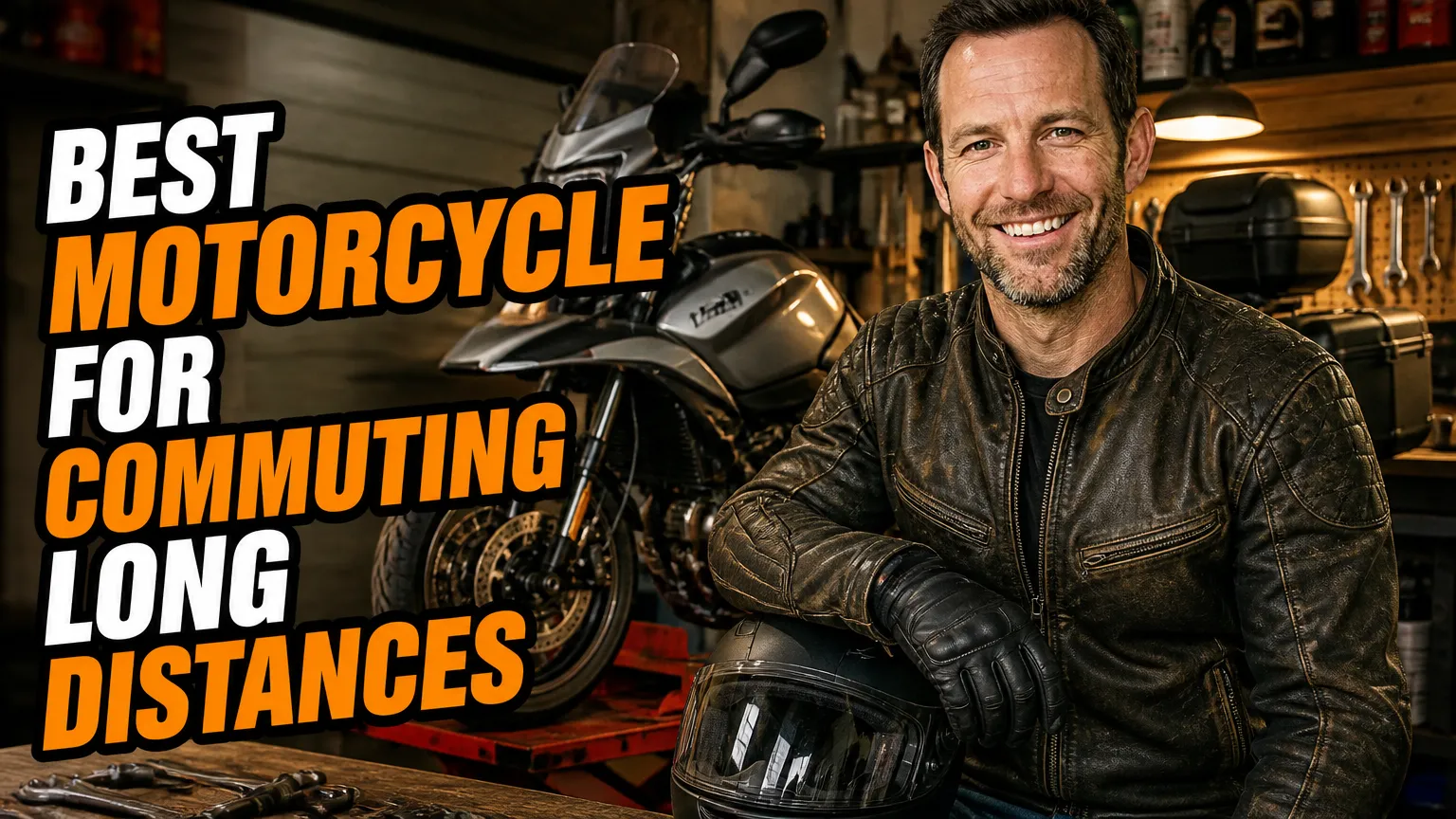
When I’m choosing a motorcycle for a long commute, I want more than a bike that can handle highway speed. I’m looking for a comfortable riding position, steady wind protection, useful range, and enough everyday practicality that arriving at work doesn’t feel like the end of an endurance event.
There isn’t one perfect answer for every route. A lighter middleweight can be easier in traffic, while a larger tourer may feel calmer on long, fast stretches. Here are eight real models I’d consider, from practical commuters to premium touring machines. Prices and equipment vary by model year, trim, and market, so I’d confirm local specifications before buying.
- I’d start with the Yamaha Tracer 9 GT+ for a feature-rich sport-touring balance.
- I’d consider the Kawasaki Versys 650 LT or Honda NC750X for a more manageable daily ride.
- I’d choose the Honda Gold Wing when comfort and touring equipment matter more than size and cost.
- I’d compare seat fit, wind protection, luggage, and fuel range on a real test ride before deciding.
1. Yamaha Tracer 9 GT+ — My Feature-Rich Sport-Touring Pick
The Yamaha Tracer 9 GT+ is the sort of motorcycle I’d shortlist when my commute includes a long open-road section but I still need a bike that feels relatively agile. Its 890cc CP3 inline-three engine gives it plenty of passing power, while its upright, sport-touring layout is more suited to hours in the saddle than a committed supersport posture.
Depending on model year and market, the GT+ can bring features such as radar-assisted adaptive cruise control, electronically controlled suspension, heated grips, a color TFT display, and integrated or fitted luggage. Those are useful extras when I’m covering distance in changing conditions, although they also make this a more expensive choice than a basic middleweight.
Why I’d choose it for a long commute
I like the Tracer 9 GT+ as an all-rounder because it can feel lively without asking me to accept a cramped riding position. Cruise control can ease the monotony of steady highway miles, and the adjustable screen helps me tailor airflow instead of simply taking whatever the bike gives me.
My main caution is that the three-cylinder engine and premium electronics may be more than I need for a short, slow urban commute. I’d also check the screen’s airflow at my own height and make sure the seat suits me; comfort is personal, even on a well-equipped touring bike.
2. Kawasaki Versys 650 LT — My Practical Middleweight for Mixed Roads
The Kawasaki Versys 650 LT is one of my sensible picks for a commute that mixes traffic, suburban roads, and highway miles. Its 649cc parallel-twin engine has a long track record, and the upright stance gives me a better view of traffic than I’d get on many low-slung sport bikes.
The LT version is generally sold with touring-friendly equipment such as hard side cases, though the precise package can change by year and region. The Versys also offers a windscreen with adjustment, a comfortable upright layout, and a chassis that feels designed for real roads rather than just a spec sheet. I’d check the exact luggage included in the local model before comparing prices.
Where it fits best
I’d look closely at this bike if I want a manageable machine with enough power for ordinary highway commuting, but don’t want the cost or bulk of a large tourer. It’s a useful middle ground for riders who need one motorcycle to handle weekday travel and occasional weekend trips.
For a broader comparison with smaller, simpler commuter choices, I’d also browse this guide to the best motorcycle for commuting. The Versys’s limitations are worth noting: it isn’t a high-powered touring machine, and I’d personally test the seat and screen before committing to daily, multi-hour rides.
3. BMW F 900 XR — My Road-Focused Premium Middleweight
The BMW F 900 XR appeals to me when I want a road-oriented adventure-style silhouette without stepping up to a very large motorcycle. Its 895cc parallel twin, upright ergonomics, and relatively sporty chassis make it a strong candidate for long stretches of pavement, including commutes where quick passing power is welcome.
BMW’s equipment and options vary by market and package, but the F 900 XR can be fitted with features such as a 6.5-inch TFT display, adjustable windscreen, heated grips, riding modes, and electronic suspension options. I’d price the specific configuration carefully: the base price is only part of the story once I add luggage and comfort features.
What I’d think about before buying
I’d consider the F 900 XR if my route is mostly paved and I want a more premium feel than a basic commuter, with a riding position that remains upright. It’s also a more road-focused choice than a big adventure bike with off-road equipment I may never use.
My reservation is ownership cost. Optional equipment, accessories, and servicing can push the total higher, so I’d compare the fully equipped price against the Japanese sport-tourers on this list. I’d also test the windscreen carefully, since a small change in screen height can make a major difference over a long ride.
4. Suzuki V-Strom 800 — My Versatile Choice for Rougher Routes
The Suzuki V-Strom 800 is one I’d consider if my commute includes broken pavement, gravel access roads, or the occasional rough detour. Its 776cc parallel twin uses a 270-degree crank design, and its upright adventure-touring layout gives me room to move around rather than locking me into a crouch.
I’d distinguish the standard V-Strom 800 from the V-Strom 800DE when shopping. The DE version is more dirt-road oriented, with a larger 21-inch front wheel and additional off-pavement intent; the standard version is the one I’d examine first if pavement is the priority. Equipment, suspension details, and pricing vary between versions and markets.
When I’d pick it over a road tourer
I’d choose the V-Strom if versatility matters as much as highway comfort. Its upright posture and adventure-bike format can make rough surfaces less intimidating, while its touring accessories can help with luggage and wind protection. For a more focused comparison of bikes suited to distance and dirt, I’d see the guide to the best motorcycle for long distances and dirt roads.
I wouldn’t assume an adventure-style bike automatically fits every rider. Seat height, weight, and how the windscreen directs airflow all matter to me, particularly if I’m maneuvering in crowded parking areas every day. A test ride helps me decide whether the extra versatility is worth choosing over a more pavement-focused model.
5. Honda Gold Wing — My Comfort-First Choice for Serious Mileage
If my commute is exceptionally long and comfort takes priority over easy parking, the Honda Gold Wing is hard for me to ignore. Its 1,833cc flat-six engine, substantial weather protection, and touring-oriented design are built for covering distance. Depending on trim, I can choose a manual transmission or Honda’s Dual Clutch Transmission, which removes conventional clutch-lever operation.
Available equipment varies by version, but Gold Wing models can include integrated luggage, a large display, navigation and audio functions, heated seating or grips on certain trims, and advanced rider aids. I’d check the precise trim rather than assuming every feature comes standard. This is a premium motorcycle, and both its purchase cost and accessory costs reflect that.
The trade-off I’d accept
I’d choose the Gold Wing for its touring comfort, especially if I regularly ride long highway distances or carry a passenger. Its size and weight are the compromise: tight spaces, slow-speed turns, and cramped parking can be less convenient than they are on a middleweight bike.
For a shorter commute with lots of filtering or stop-and-go traffic, I’d probably prefer something lighter. But if I’m doing big mileage and want a motorcycle designed around comfort and touring equipment, the Gold Wing belongs near the top of my list.
6. BMW R 1300 RT — My Luxury Option for Long Highway Days
The BMW R 1300 RT is another premium choice I’d look at when I want serious touring comfort in a motorcycle designed for paved distance. Its 1,300cc boxer-twin engine and full touring format give it a very different character from the middleweights here. It’s built to make long journeys easier, not to be the smallest bike in a crowded garage.
Depending on the market and options, the R 1300 RT may be equipped with touring-focused electronics, adjustable wind protection, luggage, heated features, and advanced safety or suspension systems. I’d verify what is included in the exact trim and ask for an out-the-door quote, since premium options can add meaningfully to the price.
Who I think should consider it
I’d put the R 1300 RT on my list if I ride long highway distances often, value comfort and equipment, and have the space and budget for a large touring motorcycle. On a long commute, a relaxed riding position and good weather protection can matter far more than a sporty image.
I’d be realistic about its size before buying. I would not pick it simply because it has impressive touring credentials; I’d make sure I can handle it confidently at walking pace and that my route doesn’t involve daily congestion or very limited parking.
7. Kawasaki Ninja 1100SX — My Sporty Option for Fast Road Commuting
The Kawasaki Ninja 1100SX gives me a more sporting alternative to an upright adventure-tourer while retaining a road-focused riding position and touring potential. Its 1,099cc inline-four engine provides strong performance for highway travel, and the fairing offers more wind protection than I’d expect from a naked motorcycle.
Depending on model year and market, the Ninja 1100SX offers features such as selectable power modes, traction control, a color display, and cruise control. Kawasaki has also offered touring-oriented versions or accessory packages with luggage, so I’d confirm the exact equipment on the bike I’m considering rather than assuming side cases are included.
My comfort check
I’d choose the Ninja 1100SX if I want a fast, composed road bike that can handle commuting and weekend touring without the full size of a luxury tourer. It makes more sense to me for a route with flowing highways than one dominated by stop-start urban traffic.
Its sportier ergonomics may not suit every rider over several hours, and a powerful engine can be unnecessary for a short daily ride. I’d take a proper test ride and pay attention to wrist pressure, seat comfort, and heat in traffic before making it my everyday choice.
8. Honda NC750X — My Efficient, Low-Fuss Commuter-Tourer
The Honda NC750X is the bike I’d consider when I want practical daily usability and enough comfort for occasional longer rides. Its 745cc parallel twin is tuned for accessible everyday performance rather than outright sportiness. A notable feature is the storage compartment where a conventional fuel tank would usually sit, giving me a handy place for a helmet or commuting essentials, depending on the item’s size.
The NC750X is available in manual and, in many markets, DCT versions. That automatic-style transmission can be appealing in slow traffic, although I’d try it for myself before choosing it over the manual. The bike’s upright stance and practical layout suit regular use, while the exact display, equipment, and price depend on model year and region.
Why it makes sense for everyday miles
I like the NC750X’s practical character. It isn’t trying to be a luxury tourer or a high-performance sport bike, and that can be a real advantage when I need a motorcycle that handles routine travel without unnecessary complexity.
Its performance is more modest than the larger machines here, so I’d think about my usual highway speeds, hills, and how often I carry a passenger. Riders comparing lower-cost everyday options can also check the best cheap motorcycle for commuting and best 150cc motorcycle for long drive guides.
How I’d Choose Between These Long-Distance Commuters
Before I choose a model, I’d map out what my commute actually demands. A mostly open highway route puts a premium on wind protection, cruise control, and a comfortable seat; dense traffic makes low-speed handling, manageable weight, and heat more important. If I’m riding in poor weather, I’d also budget for proper riding gear instead of expecting a fairing to replace it.
Comfort and fit come first
I’d sit on each bike in my normal riding gear and check whether my knees, wrists, and back feel relaxed. I’d also look for pressure points and consider whether I can comfortably move around on the seat. A specification sheet can describe a seat height, but it cannot tell me how that particular shape will feel after an hour.
Think about range, luggage, and ownership
I’d compare real-world fuel range rather than relying only on a published capacity, because riding style, traffic, load, and weather affect consumption. I’d decide what I need to carry each day, then check whether luggage is standard, optional, or an additional expense. I’d also check local dealer support, service intervals, insurance, and the price of common accessories.
If I’m prioritizing affordability over premium equipment, I’d compare the models above with the options in this best cheap motorcycle for long distance guide. No matter which bike I favor on paper, I’d try to ride it on roads similar to my commute and at the speeds I normally use.
My Final Take
For a blend of modern features, highway ability, and everyday versatility, I’d begin with the Yamaha Tracer 9 GT+. If I wanted a more approachable middleweight, I’d compare the Kawasaki Versys 650 LT, Suzuki V-Strom 800, and Honda NC750X based on my route and preferred riding position.
If comfort over very long distances matters most and the budget allows, I’d consider the Honda Gold Wing or BMW R 1300 RT. I’d make the final call based on fit, route, and day-to-day practicality, because the best motorcycle for commuting long distances is the one I can ride comfortably and confidently on the miles I actually cover.
Frequently Asked Questions
What type of motorcycle is best for a long-distance commute?
I’d look for an upright riding position, wind protection, a comfortable seat, useful luggage options, and enough fuel range for my route. A middleweight sport-tourer or adventure-tourer often balances these needs well.
Is a 650cc motorcycle enough for highway commuting?
For many riders, yes. A well-geared 650cc twin can cruise comfortably at highway speeds, though I’d consider wind protection, passenger or luggage load, and local speed limits before deciding.
Are large touring motorcycles practical for daily commuting?
They can be comfortable and well-equipped, but I’d weigh their size, weight, purchase price, and parking needs against my commute. A lighter sport-tourer may be easier to live with every day.
What should I prioritize when choosing a long-distance commuter motorcycle?
I’d prioritize fit, seat comfort, wind protection, fuel range, luggage, cruise control, and service access. A test ride on roads like my actual commute is one of the best ways to compare options.

Related Articles

7 Best Motorcycles for Short Highway Commutes: Comfortable, Capable Picks
I compare seven commuter-friendly motorcycles for brief highway rides, covering power, comfort, seat height, wind protection, and how I’d choose…
Jake Miller
12 min read

8 Best Motorcycles for Comfortable, Confident Freeway Commuting
Compare eight freeway-ready motorcycles, from practical middleweights to luxury tourers, with real-world comfort, power, features, and buying advice for daily…
Jake Miller
13 min read

8 Best Motorcycles for Los Angeles Commuting: City Scooters to Freeway Bikes
Compare eight commuter-friendly motorcycles and scooters for Los Angeles traffic, from nimble city picks to freeway-ready bikes, with prices, specs,…
Jake Miller
11 min read