
8 Best Motorcycles for Comfortable, Confident Freeway Commuting
 Jake Miller
13 min read
Jake Miller
13 min read
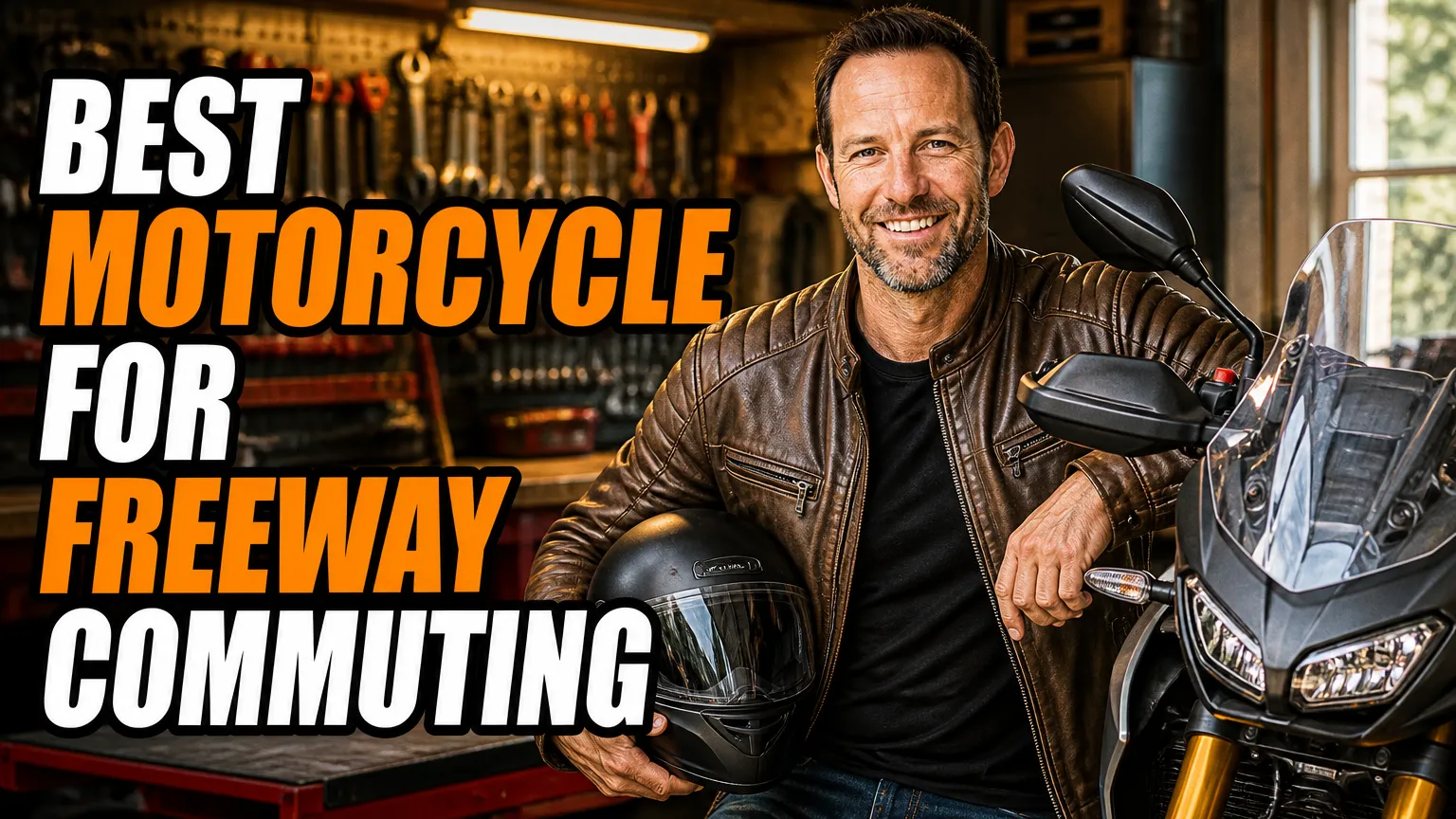
Choosing the best motorcycle for freeway commuting is about more than engine size. I look for a bike that feels settled at speed, gives me enough power for merging and passing, and stays comfortable when traffic or weather makes the ride longer than planned.
My ideal choice depends on the route and the rider. A practical middleweight can make everyday trips easy, while a sport-tourer or full-size tourer may be worth the extra weight and cost if I spend hours on the freeway. These are my eight picks, with the strengths and trade-offs I would consider before buying.
- I’d start with the Honda NC750X for practical everyday comfort and storage.
- I’d choose the Kawasaki Versys 650 for a versatile, upright middleweight ride.
- I’d look at the Yamaha Tracer 9 GT+ or Kawasaki Ninja 1100SX for stronger performance and touring features.
- I’d prioritize a test ride, wind protection, and fit over engine size alone.
1. Honda NC750X — My Practical All-Round Commuter
The Honda NC750X is the bike I’d check first if I wanted one motorcycle to handle a daily freeway ride and ordinary errands. Its 745cc parallel-twin engine has a calm, usable character, and the upright riding position helps me stay comfortable when I’m dealing with traffic rather than chasing speed.
One of its most useful features is the approximately 23-liter storage compartment where a conventional fuel tank usually sits. I appreciate the room for a helmet or commuting essentials, although what fits depends on the shape and size of the item. The actual fuel tank is positioned beneath the seat, so I’d check the capacity and range for the specific model year and market I’m considering.
Why I like it for the daily ride
The NC750X is available with Honda’s Dual Clutch Transmission on select versions, which can take some of the work out of stop-and-go traffic. I’d choose the standard manual if I wanted the familiar clutch-and-shifter experience; the DCT is appealing if my commute regularly involves long traffic queues.
I see the NC750X as a sensible freeway commuter, not a high-speed sport-tourer. It has enough performance for routine merging and passing for many riders, but someone who often rides two-up, carries heavy luggage, or needs strong acceleration at higher speeds may prefer a more powerful option. I’d compare it with this guide to the best motorcycle for commuting if the route includes more city streets than open freeway.
2. Kawasaki Versys 650 — My Upright Middleweight Pick
I’d consider the Kawasaki Versys 650 when I wanted a roomy, upright motorcycle that can cover freeway miles without feeling oversized. Its 649cc parallel twin is a familiar middleweight platform, and the tall riding position gives me a good view over nearby traffic.
The Versys 650’s adjustable windscreen helps me tailor airflow to my height and preference. Its fairing offers more wind protection than I’d expect from a naked bike, while the 17-inch road-oriented wheels keep it suited to pavement. Depending on the model year and market, I’d also look for equipment such as a TFT display and traction control.
What I’d weigh before buying
The upright ergonomics work well for commuting, but a taller seat and adventure-inspired stance may not suit every rider. I’d sit on one before deciding, especially if I’m shorter or need to maneuver it in a tight garage. Wind buffeting is personal, too: I’d test the screen position at realistic freeway speeds rather than assume a taller screen automatically means a quieter ride.
For me, the Versys 650 makes the most sense when comfort and versatility matter more than outright sport-bike acceleration. I’d compare current local pricing and luggage options, since equipment and availability can vary by model year.
3. BMW F 900 XR — My Premium Sport-Touring Choice
The BMW F 900 XR is the option I’d consider if I wanted an energetic motorcycle with a more protective, touring-friendly layout. Its 895cc parallel twin produces substantially more performance than a basic commuter, and the XR’s fairing and adjustable windscreen make it better suited to sustained freeway riding than a naked roadster.
I like the balance this type of motorcycle aims for: a relatively upright riding position, responsive handling, and enough engine to make passing feel less like a calculation. BMW offers different equipment packages and accessories, so I’d check the exact bike for features such as heated grips, electronic suspension, luggage, and rider aids rather than assume every example has the same specification.
Who I think should consider it
I’d put the F 900 XR on my shortlist if I wanted one bike for commuting, weekend rides, and occasional longer trips. Its price and options can move it well above a basic middleweight, so I’d compare the out-the-door cost with similarly equipped Japanese sport-tourers.
Before buying, I’d pay close attention to seat comfort and how the screen directs air around my helmet. A premium badge does not guarantee a perfect fit, and even a capable touring machine can be tiring if the airflow hits me in the wrong place.
4. Yamaha Tracer 9 GT+ — My Tech-Focused Long-Distance Pick
When I want a more powerful motorcycle with advanced touring features, I’d look at the Yamaha Tracer 9 GT+. Its 890cc CP3 triple is known for a lively, flexible character, and this sport-tourer combines that engine with an upright posture and bodywork designed for road use.
The GT+ stands out for equipment that can make long freeway stretches easier. Depending on the current model-year specification, features include radar-supported adaptive cruise control, electronically controlled suspension, a quickshifter, and a color TFT display. I’d confirm the equipment on the exact trim I’m shopping for, since feature lists can change between years and markets.
Why I’d pay more for this kind of equipment
Adaptive cruise control can help me maintain a steadier pace when traffic flows unevenly, though I still need to stay attentive and ready to take control. Electronic suspension can also be useful when the ride changes from a solo commute to carrying a passenger or luggage.
The trade-offs are cost and complexity. I’d pick the Tracer 9 GT+ if I expected to use its performance and touring technology regularly, not simply because its specification sheet is impressive. For a short, slow commute, a simpler motorcycle may be easier to justify.
5. Kawasaki Ninja 1100SX — My Fast, Fully Faired Sport-Tourer
The Kawasaki Ninja 1100SX is the choice I’d make if my commute included long stretches of fast freeway and I still wanted a sporty ride. Its 1,099cc inline-four offers a much larger performance reserve than the middleweight bikes on this list, while the full fairing and windscreen provide useful protection from the weather.
Depending on specification and model year, the Ninja 1100SX includes touring-friendly features such as cruise control, a quickshifter, and electronic rider aids. I’d also look into compatible hard luggage if I planned to carry work clothes or travel gear. Those practical details matter because a powerful engine alone does not make a bike comfortable for everyday use.
My main caution
This is more motorcycle than many short commutes require. Its size, performance, and purchase cost may feel excessive if I mostly travel through slow traffic or park in cramped spaces. I’d also budget for appropriate protective gear and avoid treating its acceleration as a reason to ride beyond my skills or road conditions.
For riders who want a serious sport-tourer that can handle commuting duties, I think the Ninja 1100SX is a compelling option. I’d test the seat, handlebar reach, and screen airflow carefully, because comfort is personal even on a well-equipped bike.
6. Triumph Tiger Sport 660 — My Lively Middleweight Triple
I’d choose the Triumph Tiger Sport 660 if I wanted a middleweight commuter with a distinctive three-cylinder engine. Its 660cc triple has a different feel from a parallel twin, and the bike’s upright ergonomics and road-focused fairing make it more suitable for daily freeway use than a stripped-down naked motorcycle.
The Tiger Sport 660 has a windscreen, a practical riding posture, and rider-focused electronics that vary with model year and market. Its engine gives it more passing flexibility than many entry-level machines, but it remains approachable compared with a large sport-tourer. I’d check whether cruise control is included, optional, or unavailable on the specific version I’m considering instead of assuming it comes standard.
Where I think it fits best
For a rider who wants an engaging commute and occasional weekend touring, I find the Tiger Sport 660’s mix appealing. It may not provide the same level of wind protection or luggage capacity as a larger touring bike, so I’d plan to add luggage if I routinely carry a laptop, spare clothes, or groceries.
I’d also compare it with other practical categories before deciding. Riders who prioritize rough-road flexibility can explore the best dual sport motorcycle for commuting, while someone focused on fuel economy may prefer the options in this guide to the best gas mileage motorcycle for commuting.
7. Honda Gold Wing Tour — My Maximum-Comfort Choice
If my commute were long enough that comfort mattered more than easy parking, I’d consider the Honda Gold Wing Tour. Its 1,833cc flat-six engine, broad fairing, and touring-focused design are intended for covering serious distance. I’d expect a substantially more sheltered and relaxed experience than on a small naked bike.
The Gold Wing Tour is available in versions with a six-speed manual transmission or Honda’s seven-speed DCT, depending on the model and market. Features on current versions can include cruise control, an electrically adjustable windscreen, and smartphone integration. I’d verify the specification and luggage configuration on the actual bike, especially when comparing standard and Tour trims.
When I’d choose a full-size tourer
I’d buy a Gold Wing Tour for frequent long rides, regular passenger use, or a commute where I genuinely value its weather protection and touring amenities. For a short trip through dense traffic, its considerable size and weight may make it less convenient than a middleweight. I’d practice low-speed maneuvers and confirm that I can comfortably handle it before committing.
Its price is also in a different league from the other motorcycles here. I’d view the Gold Wing as a specialist comfort choice rather than a default commuter recommendation, and I’d make sure my parking space and typical route suit a large touring bike.
8. Honda NX500 — My Lighter, More Approachable Option
The Honda NX500 is the smaller-displacement choice I’d consider if I wanted an accessible motorcycle that can still manage ordinary freeway trips. It uses a 471cc parallel twin and an upright, adventure-styled riding position, with a front fairing and windscreen that offer more protection than many basic naked bikes.
I like the NX500’s manageable size for everyday errands and tight parking. On the freeway, its power is adequate for many routine commutes, but it doesn’t have the same reserve for rapid passing or riding two-up as the larger bikes on this list. I’d be realistic about my route: steady, moderate-speed freeway travel is a different job from long, fast stretches with frequent high-speed overtakes.
My advice for choosing the smaller engine
I’d take the NX500 on a test ride that includes the speeds I normally encounter. I’d pay attention to engine feel, wind pressure, and how relaxed I feel when accelerating into traffic. If that test leaves me wishing for more power, I’d step up to a middleweight rather than expect the bike to feel different after I buy it.
For a tight budget, I’d also compare used and new options, insurance costs, and protective gear. My guide to the best cheap motorcycle for commuting can help me weigh affordability against the comfort and capability I need for a freeway route.
How I Choose a Motorcycle for My Freeway Route
I check wind protection and riding position first
At freeway speeds, wind pressure can affect my comfort more than I expect from a quick ride around the block. I look for a natural reach to the handlebars, a seat I can tolerate for the length of my commute, and a screen that directs air cleanly around my helmet and shoulders.
I never assume a taller windscreen will work better for me. The result depends on my height, helmet, and body shape, so I try different screen positions on a test ride whenever possible. If I notice persistent buffeting, I’d investigate an adjustment or accessory before deciding the whole motorcycle is wrong for me.
I want enough power, not the biggest engine
I want a motorcycle that can merge confidently and make routine passes without feeling strained. That does not mean I need the largest engine available: the right level of power depends on traffic speed, hills, passenger use, and how much luggage I carry.
I also consider how the engine delivers its power. A smooth, flexible motor can be easier to use every day than one that only feels lively at high revs. I’d test ride on roads that resemble my commute and follow local speed limits.
I account for the whole cost and the whole routine
Before buying, I include insurance, scheduled servicing, tires, fuel, luggage, and riding gear in my budget. I also check whether I can comfortably push the bike around the parking area, whether it fits where I store it, and whether I can manage its weight at low speeds.
If my route includes charging access and I’m considering an electric option, I’d compare daily range, highway range, charging time, and battery performance in my local climate. My guide to the best electric motorcycle for highway commuting is a useful next step for that comparison.
My Final Picks
For a straightforward everyday choice, I’d start with the Honda NC750X or Kawasaki Versys 650. I see the NC750X as especially practical, while the Versys 650 appeals to me when I want an upright middleweight with a more touring-oriented feel.
If I wanted stronger performance and more long-distance features, I’d test the BMW F 900 XR, Yamaha Tracer 9 GT+, and Kawasaki Ninja 1100SX. I’d reserve the Honda Gold Wing Tour for riders who will make full use of its size and comfort, and I’d choose the Honda NX500 or Triumph Tiger Sport 660 only after checking that their power and wind protection suit my actual freeway conditions.
In the end, I’d make my decision with a test ride, a careful look at the exact model-year equipment, and an honest assessment of my route. The best fit is the motorcycle that lets me ride comfortably and predictably every day, not simply the one with the biggest engine or longest feature list.
Frequently Asked Questions
What engine size is best for freeway commuting?
I usually look for a bike with enough power to cruise comfortably and accelerate for passing. For many riders, that means a middleweight twin or triple, though a smaller bike can work on lower-speed routes.
Is a sport-touring motorcycle good for commuting?
Yes. I like sport-tourers for freeway commutes because they pair relaxed wind protection and useful luggage options with responsive handling.
Is the Honda NC750X comfortable on the freeway?
I find the NC750X a practical commuter, with a relaxed riding position and built-in storage. Its power suits ordinary freeway use, though riders who often pass at high speed may prefer a larger engine.
Should I choose a motorcycle with cruise control?
I value cruise control on longer, steady freeway stretches, but it is not essential for every commute. I would also prioritize a comfortable seat, good wind protection, and a manageable riding position.

Related Articles

7 Best Motorcycles for Short Highway Commutes: Comfortable, Capable Picks
I compare seven commuter-friendly motorcycles for brief highway rides, covering power, comfort, seat height, wind protection, and how I’d choose…
Jake Miller
12 min read

8 Best Motorcycles for Los Angeles Commuting: City Scooters to Freeway Bikes
Compare eight commuter-friendly motorcycles and scooters for Los Angeles traffic, from nimble city picks to freeway-ready bikes, with prices, specs,…
Jake Miller
11 min read

8 Best Rain-Ready Motorcycles for a Safer, Easier Commute
Compare eight rain-ready commuter motorcycles, from scooters to touring bikes, with key specs, prices, wet-weather strengths, and practical buying advice.
Jake Miller
14 min read