
6 Lightest Indian Motorcycles Ranked by Weight, Specs and Riding Feel
 Jake Miller
11 min read
Jake Miller
11 min read
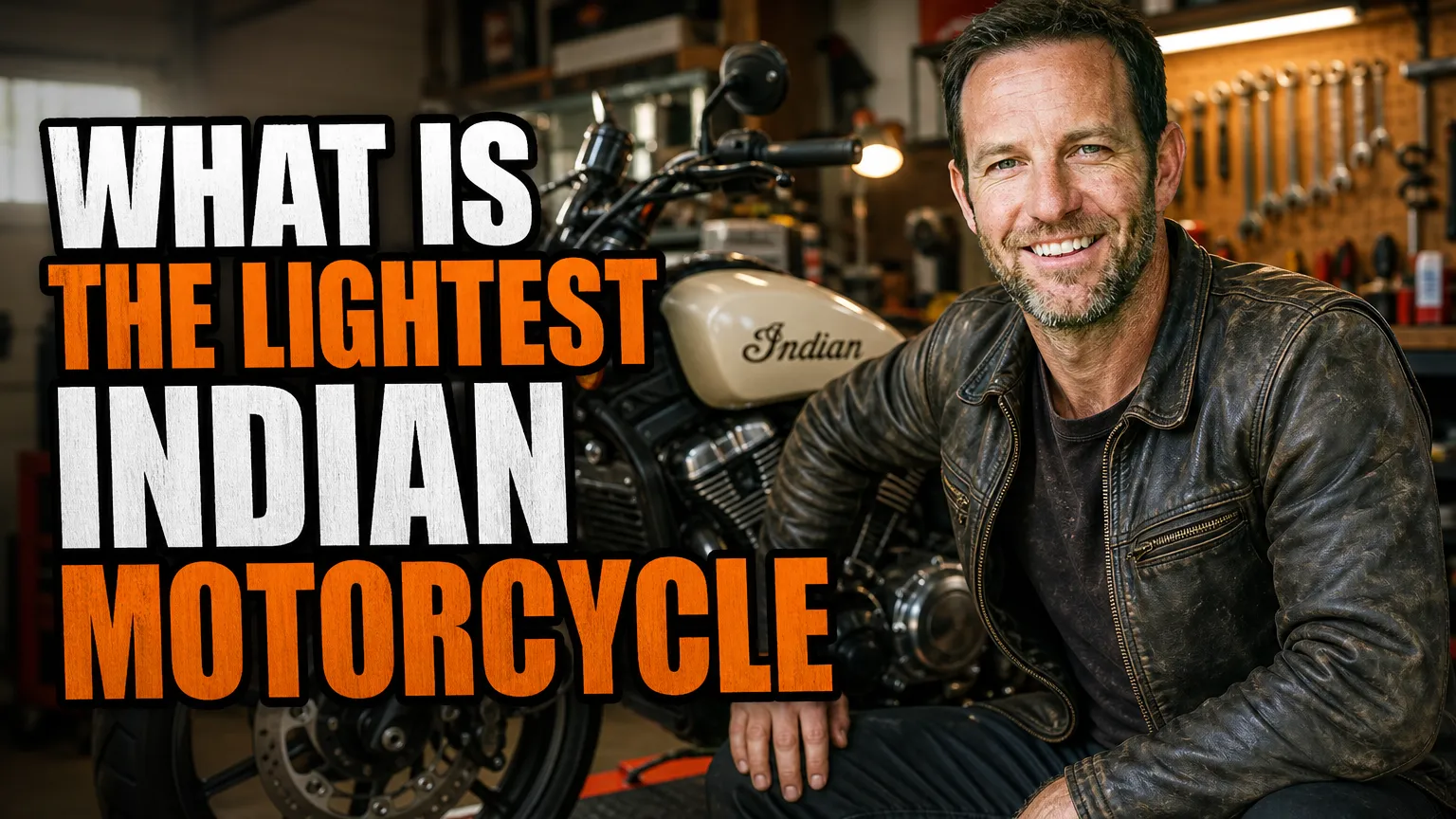
When I hear someone ask, “what is the lightest Indian motorcycle,” I start with the Indian Motorcycle lineup, not motorcycles manufactured in India. Those are two different questions, and the distinction matters when you’re comparing models, engines and prices.
For this ranking, I compare six named Indian Motorcycle models using their published dry-weight figures, where available. I also look at engine size, equipment and the kind of riding each one suits, because the lightest number on a specification sheet doesn’t tell me everything about how a motorcycle will feel on the road.
- The Indian Scout Sixty Bobber is the lightest motorcycle in this comparison, at about 481 lb (218 kg) dry.
- The Scout Sixty Classic is a close alternative, with classic styling and a published dry weight of about 503 lb (228 kg).
- I compare dry weights, so real ride-ready weight will be higher once fuel and fluids are included.
- For a manageable-feeling motorcycle, I consider seat height, balance and power along with weight.
1. Indian Scout Sixty Bobber: Lightest Overall
My answer to the headline question is the Indian Scout Sixty Bobber. Its published dry weight is about 481 lb (218 kg), making it the lightest model on this list. That figure is not the weight I’d expect to lift or maneuver with a full tank, but it gives me a useful starting point for comparing the lineup.
The Scout Sixty Bobber pairs that relatively low weight with a liquid-cooled 999cc V-twin engine. I like that combination for riders who want a compact cruiser with genuine performance, rather than a small-displacement learner bike. Its low seat and stripped-back bobber styling also help it feel visually and physically more compact than a large touring model.
What I’d consider before buying
I wouldn’t mistake “lightest” for “effortless.” The Scout Sixty Bobber still has substantial power for a cruiser, and its low, feet-forward riding position may not suit every rider. I’d sit on one, test the reach to the bars and controls, and practice moving it around a parking area before making a decision.
When I’m helping a newer rider think through engine size, I look beyond the displacement number and weigh power delivery, riding experience and intended use. My guide to the best motorcycle engine size for beginners is a useful companion if you’re deciding whether a 999cc cruiser fits your comfort level.
For US buyers, the Scout Sixty Bobber’s launch pricing has sat around the $10,000 mark, though I’d check the current model-year MSRP and local dealer price. I’d pick it when low listed weight and bobber styling matter more to me than passenger comfort or wind protection.
2. Indian Scout Sixty Classic: Light With Traditional Cruiser Style
The Indian Scout Sixty Classic is my next pick, with a published dry weight of about 503 lb (228 kg). It shares the Scout Sixty family’s 999cc liquid-cooled engine, but it dresses the package in more traditional cruiser styling. For my taste, it’s a good choice when I want the Scout’s relatively manageable size without the Bobber’s pared-down look.
Compared with the Scout Sixty Bobber, the Scout Sixty Classic adds classic visual details, including fenders and trim that give it a more complete, traditional profile. Equipment can vary by model year and market, so I always check the precise specification sheet rather than assuming every bike has identical accessories. Its extra weight over the Bobber is modest on paper, but I’d still compare the two in person.
Where it fits in my shortlist
I’d consider the Scout Sixty Classic if I planned to ride around town and take occasional longer trips, but didn’t need a large touring motorcycle. The low seat can make it appealing to riders who value an easy feet-down stance. I’d still check whether the foot-control position and handlebar reach suit my body, since comfort is personal.
Its launch MSRP has generally been slightly higher than the Scout Sixty Bobber, with prices varying by year, region and dealer. If I were choosing between these two models, I’d treat the weight difference as only one part of the decision: styling, comfort and the way each bike feels at walking speed would matter just as much.
3. Indian Scout Bobber: A More Powerful Bobber Step Up
The Indian Scout Bobber moves up the weight scale, with a published dry figure around 542 lb (246 kg) for recent model specifications. It also uses a larger 1,250cc liquid-cooled V-twin than the Scout Sixty models. I see it as a step up for riders who want the Bobber look with more engine capacity and are comfortable managing the added performance.
Its low stance and dark, minimalist styling give the Scout Bobber a purposeful look. Depending on model year and configuration, features and equipment can change, so I’d compare the exact bike I’m considering rather than relying on a generic model description. The dry figure is also not the same as ride-ready weight; fuel and other fluids add to what I maneuver in real life.
How I’d think about the added power
I wouldn’t buy the Scout Bobber just because its engine is larger. I’d ask myself whether I wanted the extra acceleration and whether I felt confident handling the motorcycle through slow turns, stops and tight parking spaces. Riders comparing engine sizes can also get a feel for performance expectations from my guides on how fast a 500cc motorcycle can go and larger-displacement bikes, while remembering that engine size alone doesn’t predict top speed or handling.
For US buyers, recent launch pricing has typically placed the Scout Bobber above the Scout Sixty models, with the exact amount depending on year and trim. I’d choose it when I wanted a stronger, larger-capacity bobber and was willing to accept more weight and a higher purchase price than the lightest Scout options.
4. Indian Scout Classic: Traditional Looks in the Scout Family
The Indian Scout Classic has a published dry weight around 555 lb (252 kg) in recent specifications. It shares the larger Scout-family engine platform with the Scout Bobber, but its fuller fenders and classic cruiser details give it a different character. I’d see it as an option for riders drawn to traditional styling who still want a modern, liquid-cooled motorcycle.
That extra equipment and classic presentation come with more weight than the Scout Sixty Classic. I don’t consider that a deal-breaker: weight is only one factor, and the Scout Classic may be a better fit for someone who values its styling and road presence. I’d pay close attention to how easily I can balance it at a stop, especially if I often park on uneven ground.
My real-world checklist
Before I chose the Scout Classic, I’d check seat comfort, passenger needs and how the controls fit my reach. I’d also compare the latest standard equipment and available accessories, since those details can change across model years. A test ride would tell me more about the overall fit than a small difference in published dry weight.
Pricing has generally placed the Scout Classic above the Scout Sixty Classic, although the final price depends on model year, options and location. I’d shortlist this motorcycle if I wanted a substantial classic-cruiser appearance and didn’t mind stepping farther away from the lineup’s lightest option.
5. Indian Chief Bobber Dark Horse: A Bigger, Heavier Cruiser
The Indian Chief Bobber Dark Horse is a noticeably larger step up, with a published dry weight around 670 lb (304 kg) in recent specifications. It uses Indian’s air-cooled Thunderstroke 116 V-twin, a 1,890cc engine, and brings a more substantial cruiser presence than the Scout models. I include it because some riders asking about the lightest Indian motorcycle are also comparing the broader cruiser range.
For me, the Chief Bobber Dark Horse makes more sense as a powerful, full-sized cruiser than as a lightweight choice. Its larger engine and heavier chassis suit a different set of priorities, and the bike may feel more settled on open roads than a compact Scout. At walking pace, however, I’d expect its weight to demand more attention and confidence.
Who I’d put on this model
I’d look at the Chief Bobber Dark Horse if I wanted a large-displacement cruiser with bobber styling and wasn’t trying to minimize weight. I’d want to practice slow-speed turns and parking before taking it into tight urban spaces. I’d also make sure I could comfortably move it in and out of my garage, because a spec-sheet weight becomes very real when I’m pushing a bike by hand.
Its US launch pricing has generally been well above the Scout Sixty range, and options can push the final figure higher. I wouldn’t describe it as a lightweight alternative, but it belongs in a useful comparison for riders deciding whether the smaller Scout’s lighter feel is worth choosing over a larger Chief.
6. Indian Super Chief Limited: Touring Comfort at a Higher Weight
The Indian Super Chief Limited is the heaviest motorcycle in my six-model comparison, with a published dry weight around 739 lb (335 kg) in recent specifications. It uses the Thunderstroke 116 engine and adds touring-oriented equipment, including a windscreen, saddlebags and passenger provisions, depending on the model year. I see it as a comfort-and-carrying-capacity choice, not a contender for the lightest spot.
That equipment can make the Super Chief Limited more appealing for longer rides, but it also makes the bike significantly heavier than the Scout Sixty Bobber. I’d choose it only if I genuinely wanted the extra touring practicality. For frequent solo city riding or easy garage maneuvering, I’d be more inclined to consider one of the lighter Scouts.
Why weight is part of the touring trade-off
When I compare touring motorcycles, I think about how I’ll use the added equipment. Saddlebags and wind protection can make a long day on the road more comfortable, but they aren’t free in terms of weight, cost or parking-space demands. I’d test the bike with the windscreen and luggage setup I actually plan to use.
For me, the Super Chief Limited is the right comparison point when I’m deciding between a compact cruiser and a full-size touring-friendly machine. Its higher weight doesn’t make it a poor motorcycle; it simply means it serves a different purpose from the lightest models in this list.
How I Compare Indian Motorcycle Weights
I use dry weight as a straightforward way to compare the figures published for these models, but I don’t treat it as the exact weight of a bike ready to ride. Depending on the manufacturer’s terminology and the source, a listing may show dry, wet, curb or running weight. Fuel, oil, coolant, accessories and model-year changes can all affect the number I encounter in a dealership.
I also separate Indian Motorcycle, the American motorcycle brand, from motorcycles made in India. If the manufacturing origin is what you meant, I’d start with this guide to what motorcycle is made in India. That’s a different search from comparing the weight of Indian Motorcycle models.
Engine size is another detail I consider alongside weight. A smaller or lighter motorcycle isn’t automatically easier for every rider, and a bigger engine doesn’t tell me by itself how fast a bike will feel. If I’m comparing performance, I find it helpful to read about how fast a 150cc motorcycle can go and how fast a 300cc motorcycle can go as general context, not as direct predictions for a Scout.
My Verdict: The Best Pick for a Lower Listed Weight
If I wanted the lightest Indian Motorcycle in this comparison, I’d start with the Indian Scout Sixty Bobber and its published dry weight of about 481 lb. The Scout Sixty Classic is my next stop if I preferred more traditional styling, while the larger Scout and Chief models make sense when their extra engine capacity, appearance or touring equipment matters more to me.
Before I bought any of them, I’d check the exact model-year specification and sit on the motorcycle in person. I’d compare seat height, balance, control reach and ride-ready weight, then take a test ride if possible. Those checks help me choose the bike that feels manageable in my hands, not just the one with the smallest number in a brochure.
Frequently Asked Questions
What is the lightest Indian Motorcycle model?
The Indian Scout Sixty Bobber is the lightest model in this comparison, with a published dry weight of about 481 lb (218 kg).
Is the Scout Sixty Bobber easy to handle for a new rider?
Its relatively low weight and low seat can make it approachable, but its 999cc engine still deserves respect. I recommend comparing your experience and comfort level before choosing.
Are Indian Motorcycle weight figures dry or ready to ride?
Figures can be listed as dry, wet or running weight, depending on the model and source. I compare published dry weights here and recommend checking the exact model-year specification sheet.
Does a lighter Indian motorcycle automatically suit every rider?
No. I also consider seat height, balance, power delivery and intended use. A slightly heavier bike may feel more comfortable and stable for your needs.

Related Articles

7 Fastest Indian Motorcycles for Speed, Power, and Real-World Riding
Explore the quickest Indian Motorcycle models, engine specs, realistic speed estimates, and my picks for riders seeking performance and comfort.
Jake Miller
12 min read

5 Most Expensive Indian Motorcycles: Elite Touring Models Compared
Compare the priciest Indian Motorcycle models, from the Pursuit Elite to premium touring trims, with 2025 U.S. MSRP context, key…
Jake Miller
9 min read

5 Lowest-Priced Indian Motorcycles to Consider Before You Buy
I compare five lower-priced Indian Motorcycle models, identify the most affordable new Scout, and share what I’d check on price,…
Jake Miller
11 min read