
6 Best Ural Sidecar Motorcycles for Women: Stable, Characterful Picks
 Jake Miller
11 min read
Jake Miller
11 min read
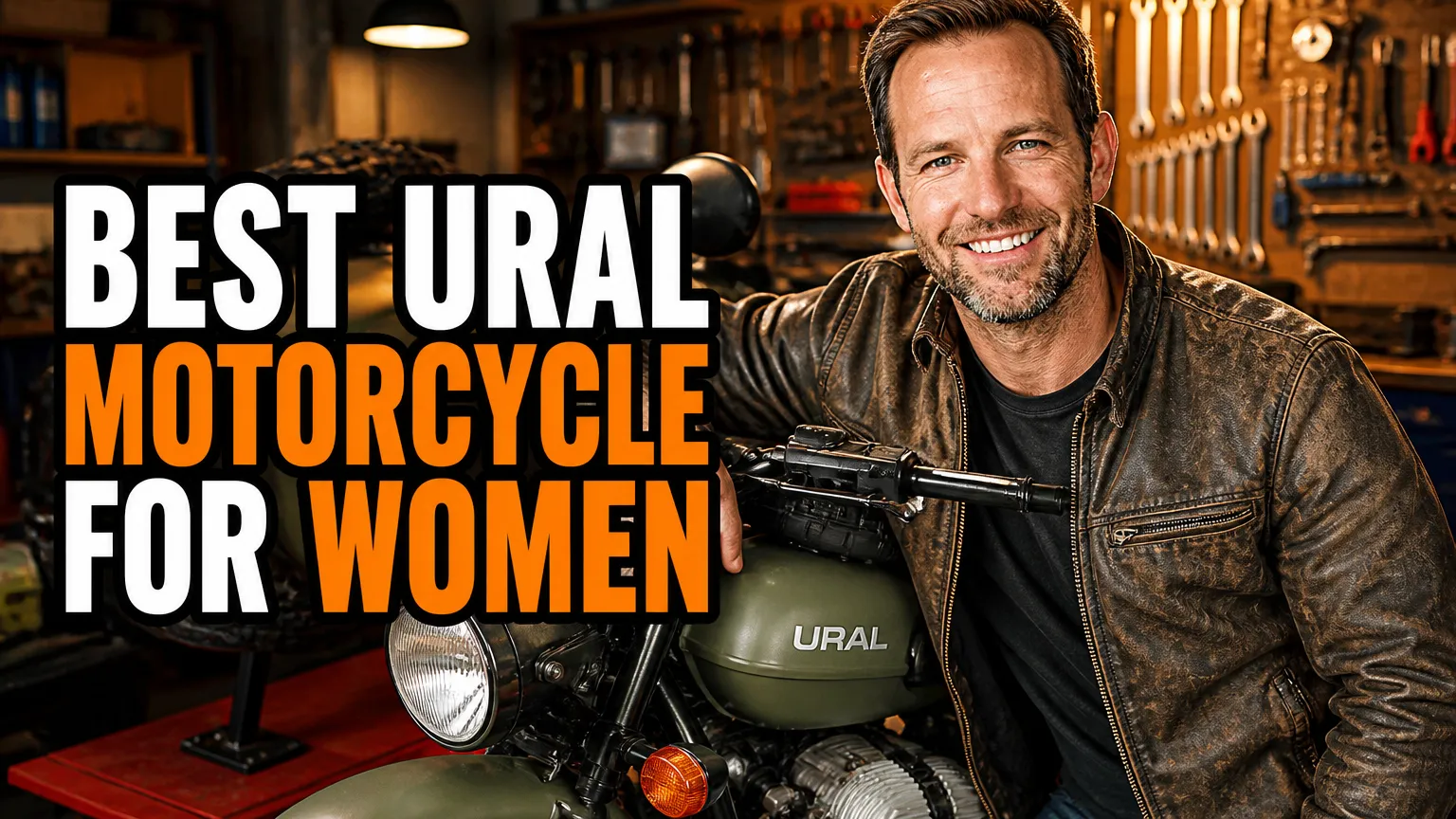
I love the distinctive charm of a Ural: the unmistakable sidecar silhouette, practical carrying space, and the sense that a short ride can become an adventure. For women considering one, I think the best choice depends less on gender and more on fit, confidence with sidecar handling, intended use, and whether you want a new machine or are happy to shop used.
One important buying note: Ural’s lineup and availability can change by country and model year. I treat the Gear Up as the current-production starting point where it is available; the other motorcycles below are real Ural models I’d consider on the pre-owned market, not claims that each is currently being built new.
- I’d start with the Ural Gear Up for a modern, versatile sidecar outfit with selectable two-wheel drive.
- I’d consider the lighter, 1WD Ural cT for simpler road-focused riding, if I find a well-maintained used example.
- Older Patrol, M70, Retro, and Tourist models are used-market choices, so I’d prioritize condition and parts support over nostalgia.
- I’d arrange a proper sidecar test ride and training before choosing any Ural; these machines steer differently from solo motorcycles.
1. Ural Gear Up: My Best All-Round Starting Point
If I wanted one Ural to cover varied rides, the Gear Up would be my first model to investigate. It is the most recognizable modern Ural setup, combining a motorcycle and sidecar with selectable drive to the sidecar wheel on equipped versions. That added traction can be useful on loose surfaces, although it doesn’t turn the outfit into a lightweight off-road bike.
What I like about its setup
The Gear Up’s sidecar gives me useful room for a passenger, bags, or a four-legged co-pilot, while its spare-wheel and utility-oriented equipment help give the model its expedition-ready personality. Depending on year and market, equipment and specifications can differ, so I would confirm exactly what comes with the individual bike instead of assuming every Gear Up is identical.
Modern examples use a 749 cc air-cooled, fuel-injected boxer twin and a four-speed transmission with reverse. Power figures and details vary by year, but I see the Gear Up’s appeal in its steady, purposeful pace rather than outright speed. The broad sidecar stance also means I’d pay close attention to turning space, parking, and storage before bringing one home.
Who I’d recommend it to
I’d shortlist the Gear Up if I wanted a Ural for mixed pavement and occasional gravel, or if I expected to carry a passenger or camping gear. I would not choose it just because two-wheel drive sounds reassuring: an outfit of this size still needs thoughtful handling, and sidecar training matters more than the badge on the tank.
For fit, I’d sit on the motorcycle with my riding boots on, check my reach to the bars and foot controls, and practice pushing and stabilizing the outfit with help. If a tall seat or wide stance is a concern, I’d also compare advice in this guide to the best motorcycle for small women. That broader fit perspective can help me ask better questions, even though sidecar ergonomics are their own challenge.
2. Ural cT: My Road-Focused, Simpler Used Pick
When I find a sound used Ural cT, I see it as a smart choice for someone who expects to ride mainly on paved roads. The cT is a real Ural model with a one-wheel-drive sidecar setup, rather than the selectable sidecar-wheel drive found on the Gear Up. That simpler arrangement may suit riders who don’t need the Gear Up’s extra traction hardware.
I like the cT’s more road-oriented character for errands, scenic day trips, and ordinary passenger outings. It retains the distinctive sidecar experience and practical reverse gear, but I’d judge the actual bike by its maintenance record, tire condition, brakes, and how smoothly it steers. A used Ural’s individual history matters far more than a tidy advertisement.
What I’d inspect before buying
I’d ask for service records and a cold start, then listen for unusual mechanical noises and check for leaks, corrosion, and neglected fasteners. I’d also inspect the sidecar attachment points and wheel alignment with a qualified Ural mechanic. Because model years and equipment vary, I’d verify the exact specification using the VIN and documentation.
The cT can be a sensible option for a rider who wants a less trail-focused Ural, but I would not describe it as effortless or automatically beginner-friendly. A sidecar outfit can pull or push differently depending on the direction of a turn, road camber, and acceleration or braking. I’d arrange an introductory lesson before deciding whether its feel suits me.
3. Ural Patrol: My Used Touring and Passenger Choice
I’d look at the Ural Patrol if I wanted an older sidecar outfit with touring in mind. Patrols are known for two-wheel drive and a more travel-ready configuration than many road-focused sidecar models. As with any older Ural, the precise equipment depends on year and previous owners, so I’d check the bike itself rather than assume it has a particular screen, rack, or accessory.
For me, the Patrol’s strengths are its practical sidecar layout and ability to carry a passenger or luggage on relaxed trips. A passenger can change how the outfit behaves, and a loaded sidecar needs deliberate braking and cornering. I’d practice with the same kind of load I expect to carry, in a safe training area, before setting off on a long journey.
How I’d decide if it fits my plans
I’d compare seat comfort, handlebar reach, and the time I can comfortably spend at the controls. I’d also consider where I plan to ride: the Patrol’s two-wheel-drive feature may be appealing on loose surfaces, but it adds complexity and doesn’t remove the need for skill or sensible route choices.
If long days are my priority, I’d look at wind protection, luggage capacity, passenger comfort, and the availability of local service. I’d also use the broader best long distance motorcycle for women guide to compare touring needs across different styles of motorcycle. A Ural can make a memorable touring companion, but it has a different pace and feel from a conventional touring bike.
4. Ural M70: My Classic-Styled Used Favorite
The Ural M70 is a distinct, real model that I’d consider when classic styling is part of the appeal. Its design nods to the brand’s heritage, giving it a purposeful vintage look without being just a generic retro-themed motorcycle. I’d expect the riding experience and equipment to reflect the particular model year, so I’d research the individual example carefully.
I find the M70 appealing for relaxed rides and owners who enjoy the character of a traditional-looking machine. The sidecar adds everyday usefulness, but the older-bike shopping checklist is essential: I’d confirm maintenance, replacement parts, wiring condition, tire age, and whether any modifications were carried out properly.
My practical take on the M70
I’d choose an M70 because I genuinely wanted its style and found a mechanically sound one, not because I assumed it would be easier to ride than a newer Ural. A classic appearance doesn’t make the outfit smaller or change the fundamentals of sidecar steering. I’d test the controls, check that I can comfortably manage the bike at low speed, and budget for upkeep.
Availability is a major factor for this model. I’d ask a Ural specialist whether routine service items and model-specific parts are accessible where I live. If I were buying outside the United States, I’d also compare local dealer and registration support using the best motorcycle for women philippines guide as a reminder that regional ownership realities can matter as much as a bike’s spec sheet.
5. Ural Retro: My Street-Oriented Classic Option
I’d put the Ural Retro on my shortlist if I wanted a traditional sidecar look with a more road-focused personality than an adventure-styled Gear Up. The Retro is an actual Ural model, and used examples can offer a distinctive alternative for riders who mostly expect to stay on paved streets. I’d verify its year, condition, and factory configuration before comparing it with another Ural.
For urban errands and weekend routes, I’d value the sidecar’s carrying space and the motorcycle’s classic character. However, I would not confuse a street-oriented setup with a narrow footprint: the sidecar still takes up substantial width. I’d check garage access, parking arrangements, and the width of regular routes before buying.
What matters more than the styling
I’d focus on whether the Retro’s handlebars and foot controls suit my body, whether I can comfortably reach the ground at stops, and whether I feel in control while maneuvering it slowly. I’d also ask a mechanic to inspect the chassis, sidecar mounts, brakes, and drivetrain. On a used motorcycle, a clean paint job can hide years of deferred maintenance.
If I wanted a more conventional road-touring comparison, I’d read about the best sport touring motorcycle for women. That category generally offers a different balance of speed, weather protection, and solo-bike handling. I’d choose the Retro for its particular sidecar experience, not because I expected it to behave like a sport-tourer.
6. Ural Tourist: My Value-Conscious Vintage Search
The Ural Tourist is another real model I’d consider if I were shopping used and wanted a straightforward, classic Ural sidecar outfit. It is a legacy model rather than my pick for a new-bike purchase, and exact specifications depend on its model year. I’d treat every Tourist listing as a separate inspection project, not assume that two bikes with the same name are equally equipped or maintained.
I like the idea of a Tourist for unhurried rides, local exploring, and carrying a passenger or gear. The practical sidecar layout is part of the attraction, but older examples can vary significantly in condition. Before I fell for a bargain, I’d confirm that the engine, transmission, reverse gear, brakes, electrical system, and sidecar alignment all check out.
My used-buying checklist
I’d ask for invoices and ownership history, check the tires’ manufacturing dates, and look for evidence of careful storage and routine servicing. I’d take a knowledgeable Ural mechanic along if I could. I’d also research the parts supply and service options in my area, because a low purchase price can lose its appeal if repairs become difficult or expensive.
Most importantly, I’d arrange a supervised test ride. A sidecar motorcycle doesn’t lean into corners like a solo bike, and its steering can feel unfamiliar at first. I’d want time to practice starting, stopping, turning in both directions, and managing the outfit in a parking lot before riding in traffic.
How I’d Choose the Right Ural for Me
I’d match the model to the riding I actually do
If I wanted the most current and versatile option, I’d begin with the Gear Up. If my riding were almost entirely on pavement, I’d compare it with a used cT. For an older touring setup, I’d look closely at the Patrol, while the M70, Retro, and Tourist would appeal to me when their particular style and condition made sense.
I’d also be honest about how I expect to use the sidecar. Carrying a passenger, a pet, or camping equipment changes the load and the way I need to practice. I’d test a prospective bike with realistic riding gear and, once trained, the kind of load I intend to carry.
I’d prioritize fit, training, and support
I wouldn’t use height or gender as a shortcut for deciding whether I can manage a Ural. I’d check my reach, comfort at a stop, confidence moving the machine at walking speed, and access to a qualified instructor. A sidecar-specific lesson can help me understand the different steering and handling behavior before I’m exposed to traffic.
Finally, I’d confirm which Ural models are actually being sold and supported in my region. Production, import, and dealer availability can shift, especially for older models. I’d get a pre-purchase inspection, verify the paperwork, and compare the bike’s condition against its asking price rather than paying extra just for a famous name.
My Bottom Line
My first pick for most shoppers who want a modern Ural sidecar outfit is the Gear Up, provided it is available locally and its size, cost, and handling suit them. I’d consider the cT for road-focused use, and I’d shop the Patrol, M70, Retro, or Tourist as used motorcycles only after checking their condition and service support.
The right Ural is the one I can fit comfortably, maintain responsibly, and ride with proper training. I’d take time to test more than one setup, ask a sidecar specialist for guidance, and choose based on the roads and passengers I actually expect to carry.
Frequently Asked Questions
Which Ural model would I choose as my first sidecar motorcycle?
I would start by test-riding a Ural cT or Gear Up with an experienced sidecar instructor. The cT is 1WD, while the Gear Up adds selectable two-wheel drive.
Are Urals easy to handle for shorter women?
Seat height is only part of fit. I would check reach to the controls, steering effort, parking comfort, and the ability to manage the outfit at a standstill before buying.
Can a Ural lean like a regular motorcycle?
No. A Ural sidecar outfit steers differently and does not lean through turns like a solo motorcycle. I recommend dedicated sidecar training before riding one on public roads.
Are older Ural models still available?
I can often find older models such as the Patrol, M70, Retro, and Tourist on the used market, but condition, parts history, and local availability vary considerably.

Related Articles

6 Best Sidecar Motorcycle Combos for Confident, Comfortable Riding
Compare six motorcycle and sidecar combinations for comfort, control, and passenger space, with practical buying advice to help me choose…
Jake Miller
10 min read

8 Best Motorcycle Face Coverings for Women, From Summer Rides to Cold Commutes
Find a comfortable motorcycle face covering for every season with my picks, fit advice, wind and breathability notes, and practical…
Jake Miller
13 min read

7 Best Motorcycle Hair Solutions for Women With Long, Straight Hair
I compare seven practical hair and riding accessories for long, straight hair, with tips for helmet fit, low-bulk styles, comfort,…
Jake Miller
11 min read