
6 Best Sidecar Motorcycle Combos for Confident, Comfortable Riding
 Jake Miller
10 min read
Jake Miller
10 min read
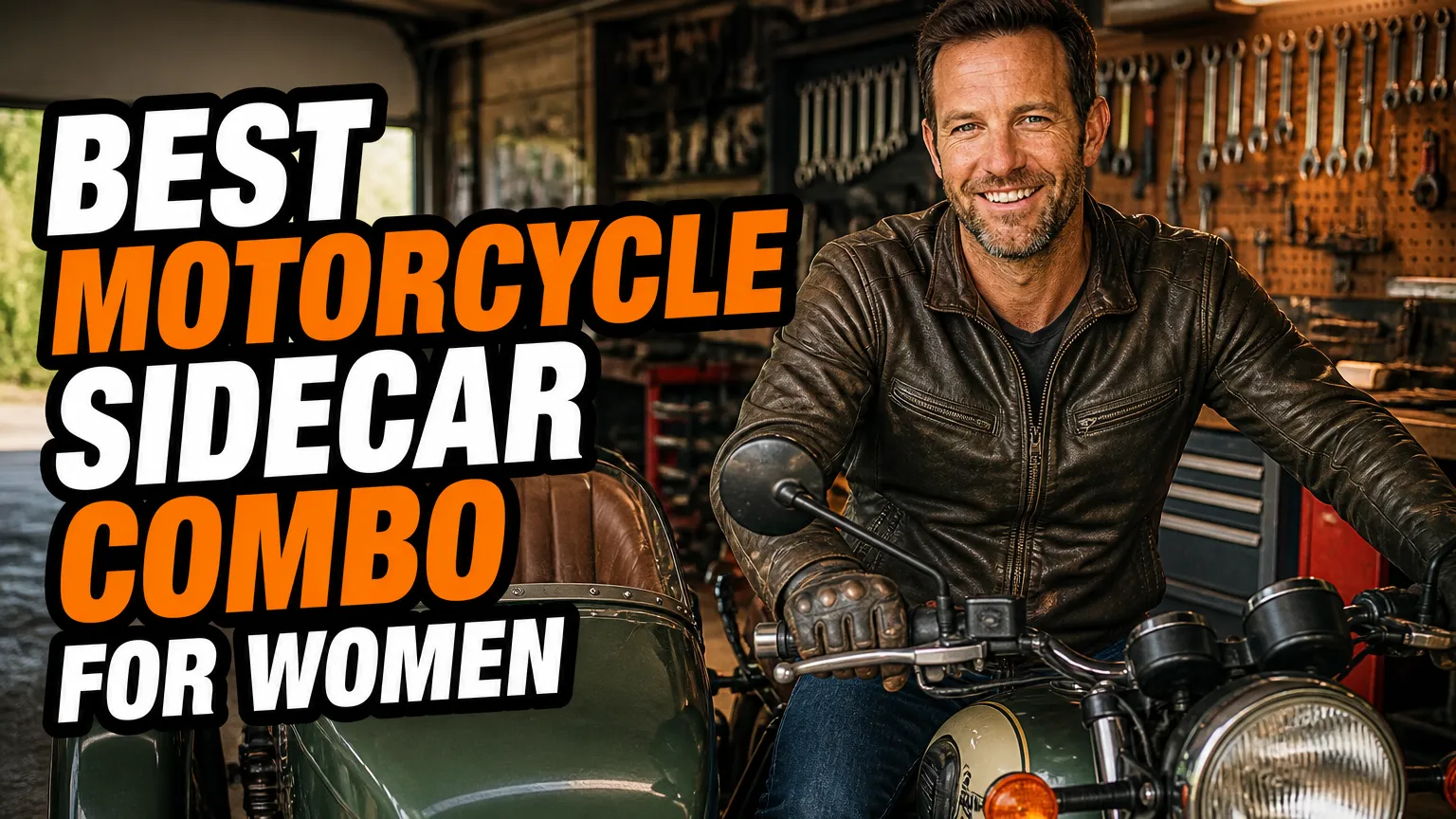
I look at a sidecar outfit as a practical way to share the ride, carry a passenger or dog, and avoid balancing a two-wheeler at a stop. But I would not choose one based on seat height or appearance alone: sidecars change steering, braking, and cornering, so fit, setup, and training matter just as much as the motorcycle.
In this guide, I compare factory-built rigs and realistic motorcycle-plus-sidecar combinations. Some are complete outfits; others need a professional builder to engineer and install the sidecar. I explain that distinction so I can help you narrow down a comfortable, confidence-inspiring choice rather than imply every pairing is a ready-made package.
- I’d start with the Ural Gear Up if I want a complete, purpose-built sidecar rig.
- A Royal Enfield Interceptor 650 with a Watsonian GP700 can make a classic road-going outfit, but needs professionally engineered fitment.
- I’d compare seat reach, passenger access, loaded weight, and local support before choosing a model.
- I’d take sidecar-specific training because a rig steers and corners differently from a motorcycle.
How I chose these sidecar combinations
I prioritized named motorcycles and sidecars from real manufacturers, then considered the details that make a difference in everyday use: passenger access, luggage space, engine performance, and the likelihood of finding a qualified installer. I also distinguish factory outfits from custom conversions because a sidecar is not a universal bolt-on accessory.
“Best” is personal here. A lighter rider may care most about an easy reach to the controls and a manageable parking routine, while someone touring with a passenger may put weather protection and storage first. If you are still deciding on the motorcycle itself, I’d also browse this guide to the best motorcycle for small women for ideas on fit and ergonomics.
1. Ural Gear Up — Best complete, purpose-built outfit
The Ural Gear Up is my clearest starting point when I want a motorcycle and sidecar designed and sold as one outfit, rather than a custom conversion. Ural’s Gear Up pairs a 749cc, air-cooled, horizontally opposed twin with a sidecar and selectable two-wheel drive. That driven sidecar wheel can be useful on loose surfaces, although I would not mistake the rig for a lightweight off-road bike.
I like the Gear Up’s practical layout for riders who expect to carry a passenger, supplies, or camping gear. The sidecar gives me a substantial place to stow items, and the upright riding position is more relaxed than a sport-focused setup. Its weight and width are real considerations, though: I would check garage access, parking space, and whether I can comfortably handle the rig at low speed before committing.
What I would check before buying
I’d ask the local dealer about parts, warranty coverage, and service availability in my region. Ural availability can vary by market, so I would confirm that a new Gear Up can actually be ordered where I live. I’d also take a test ride with an experienced sidecar instructor, rather than judging the handling from a short sit in the saddle.
2. Changjiang Dynasty 750 — Best modern-style touring rig
The Changjiang Dynasty 750 is a factory-style sidecar motorcycle that I’d consider if I wanted a more contemporary-looking outfit with a passenger in mind. It uses a 693cc parallel-twin engine and a sidecar with a reverse gear, a helpful feature when I need to reposition a heavy rig in a tight space. Equipment and specifications can differ by market, so I’d verify the exact version with a local dealer.
For me, the Dynasty’s appeal is its combination of an integrated sidecar design and a touring-oriented feel. A passenger can sit beside me instead of behind me, and the sidecar layout offers a different kind of space for bags or other cargo. Before choosing it, I would check the passenger seat’s support, weather protection, restraint arrangements, and how easily the passenger can get in and out.
Where I’d be cautious
I’d research dealer coverage and parts supply particularly carefully, since the Dynasty is not sold or supported equally everywhere. I would also ask for a demonstration of reverse gear and a clear explanation of the braking system. This is a sizable outfit, so I’d want to practice low-speed turns, stopping, and parking in a safe training area before riding in traffic.
3. Changjiang Pekin Express 750 — Best for a distinctive retro look
The Changjiang Pekin Express 750 is another named sidecar model I’d put on a shortlist when its styling and availability suit my market. Like the Dynasty, it is built as a sidecar motorcycle rather than being simply a loose sidecar attached to an unrelated bike. Its 693cc parallel-twin platform gives it a useful middleweight engine size for road use, while the outfit’s classic appearance is a big part of its appeal.
I’d consider the Pekin Express for relaxed rides and passenger outings, not because I expect a sidecar rig to feel like a standard motorcycle. The extra wheel changes how the outfit responds to steering inputs and road camber. I’d want to ride one on familiar roads and at low speeds first, and I’d pay close attention to whether the handlebar reach and controls feel natural to me.
My shopping checklist
I would compare the Pekin Express directly with the Dynasty rather than assume that similar engine sizes mean identical equipment. I’d ask the dealer to confirm current specifications, passenger capacity, service intervals, warranty terms, and the availability of replacement parts. I’d also confirm that registration and insurance providers in my area will cover the exact model.
4. Royal Enfield Interceptor 650 with Watsonian GP700 — Best classic road conversion
For a classic-looking custom outfit, I’d investigate a Royal Enfield Interceptor 650 paired with a Watsonian GP700 sidecar. The Interceptor 650 is a real production motorcycle with a 648cc parallel-twin engine, a relaxed standard-bike stance, and familiar road-oriented proportions. The Watsonian GP700 is a named sidecar model; the completed combination should be treated as a professionally engineered conversion, not a factory Royal Enfield package.
I like this pairing in concept because the Interceptor has a straightforward, upright riding position and an established model history, while the GP700 offers a period-inspired shape. The final handling depends on the mounting system, alignment, suspension, wheel, and braking setup—not just the names on the parts. I would only buy after a qualified sidecar shop confirms compatibility with that exact year and specification of Interceptor.
What the conversion may cost
I’d budget for more than the sidecar’s advertised price. Mounting hardware, a suitable subframe, fitting, setup, and any required changes to the motorcycle can add significantly to the bill. I’d request an itemized quote and ask whether the installer has completed and road-tested this specific combination before.
If I’m comparing this with other styles of road bike, I’d also look at the guide to the best sport touring motorcycle for women. A conventional sport-tourer may be a better match if my priority is long solo rides rather than carrying a sidecar passenger.
5. Triumph Bonneville T100 with Watsonian GP700 — Best for a traditional touring feel
A Triumph Bonneville T100 with a Watsonian GP700 is another combination I’d explore with a specialist installer. The T100 is a real modern Bonneville model, and the GP700 is an actual Watsonian sidecar. This is a custom outfit, so I would not assume that every T100 model year or configuration accepts the same mounts or setup.
The T100’s upright ergonomics and classic roadster character make it an appealing starting point for comfortable day rides. In my view, the sidecar adds passenger and cargo options that a solo motorcycle cannot provide, but it also adds width and changes how the bike turns. I’d ask to try the completed outfit, ideally with a passenger or equivalent ballast, before deciding that the riding position and steering suit me.
Fit matters more than the badge
I’d sit on the motorcycle with my usual riding boots and gloves, then check that I can reach the controls without stretching or putting strain on my wrists. I’d also evaluate the sidecar passenger’s step-in height and grab points. When I want to compare other bikes from the same manufacturer, I’d use this overview of the best honda motorcycle model for women riders as another reference point for how different models may fit.
6. BMW R 12 with a Watsonian GP700 — Best premium custom option
If I wanted a premium, modern-classic base, I’d ask a specialist whether a BMW R 12 can be engineered with a Watsonian GP700 sidecar. Both are specific, real products, but I would treat this pairing as a custom-build possibility and require written confirmation of fitment from the installer. I would not assume that a sidecar made for another BMW model will safely fit the R 12.
I’d be drawn to the R 12 for its modern equipment and relaxed roadster format, then weigh those advantages against the cost and complexity of a custom conversion. A BMW-based rig may suit a rider who wants a more contemporary motorcycle underneath the classic sidecar shape. But I would compare the finished weight, suspension setup, braking performance, service access, and passenger comfort with other options before making a decision.
Questions I’d ask the builder
I would ask which mounting points and subframe are used, how the builder sets toe-in and lean-out, and whether the conversion has been tested at the intended passenger and luggage loads. I’d also clarify who handles warranty questions if the motorcycle and sidecar come from different companies. A detailed answer matters more to me than a polished showroom photo.
How I’d choose the right setup for my needs
Start with fit and passenger access
I’d make sure I can sit naturally, reach the bars and foot controls, and operate the sidecar’s brake or other controls if fitted. Then I’d check how my passenger gets in and out, whether the seating feels supportive, and whether there is enough room for their helmet and protective gear. A low seat alone does not make a rig easy to manage.
Be realistic about handling and weight
A sidecar outfit does not lean into turns like a regular motorcycle. I’d take a sidecar course, practice in a controlled area, and build skills in steering, braking, and cornering before carrying a passenger. A heavy rig may feel reassuring once moving, but it can be demanding to push, park, or maneuver in a cramped garage.
Check local support before falling for a model
I’d confirm the availability of parts, maintenance, insurance, registration, and a qualified sidecar technician near me. If I live in the Philippines or another market where availability differs considerably by island or region, I’d check this guide to the best motorcycle for women philippines while researching local purchasing and support considerations.
For longer trips, I’d compare seat comfort, wind protection, luggage capacity, and passenger needs over a full day—not just a short test ride. This overview of the best long distance motorcycle for women can also help me think through touring priorities, even if I ultimately choose a sidecar rig.
My final recommendation
If I wanted the most straightforward route to owning a complete sidecar outfit, I’d start by looking at the Ural Gear Up, subject to local availability and service support. If I preferred a classic custom build, I’d compare the Interceptor 650 and Bonneville T100 with a Watsonian GP700, but only after a qualified builder confirmed the fit and supplied a complete conversion quote.
Ultimately, my best choice would be the rig that fits my body, passenger, roads, and budget—and that I can get properly serviced. I’d arrange a sidecar-specific test ride and training before making the purchase. That way, I can choose with confidence instead of assuming a three-wheel layout will automatically feel easy.
Frequently Asked Questions
What is the easiest sidecar motorcycle combination for a beginner to manage?
I would start by comparing a professionally set-up Ural Gear Up with a lighter custom-built outfit and arranging sidecar-specific training before buying.
Does a motorcycle sidecar combo need a special license?
Licensing rules vary by country and sometimes by state or province. I would check local requirements and insurance rules before riding a sidecar outfit on public roads.
Can I attach a sidecar to any motorcycle?
Not safely without suitable mounting points, a properly engineered subframe, and correct alignment. I would have a qualified sidecar builder confirm compatibility for the exact motorcycle.
Is a sidecar motorcycle easier to ride than a two-wheeler?
It can be easier to balance at a stop because it has three contact points, but it handles differently and does not lean like a regular motorcycle. I recommend sidecar-specific instruction.

Related Articles

8 Best Motorcycle Face Coverings for Women, From Summer Rides to Cold Commutes
Find a comfortable motorcycle face covering for every season with my picks, fit advice, wind and breathability notes, and practical…
Jake Miller
13 min read

6 Best Ural Sidecar Motorcycles for Women: Stable, Characterful Picks
I compare six Ural sidecar models for women, from the current Gear Up to used classics, with fit, handling, features,…
Jake Miller
11 min read

7 Best Motorcycle Hair Solutions for Women With Long, Straight Hair
I compare seven practical hair and riding accessories for long, straight hair, with tips for helmet fit, low-bulk styles, comfort,…
Jake Miller
11 min read