
6 Best Ignition Coils for Motorcycles: Tested Picks for Strong Spark and Reliability
 Jake Miller
9 min read
Jake Miller
9 min read
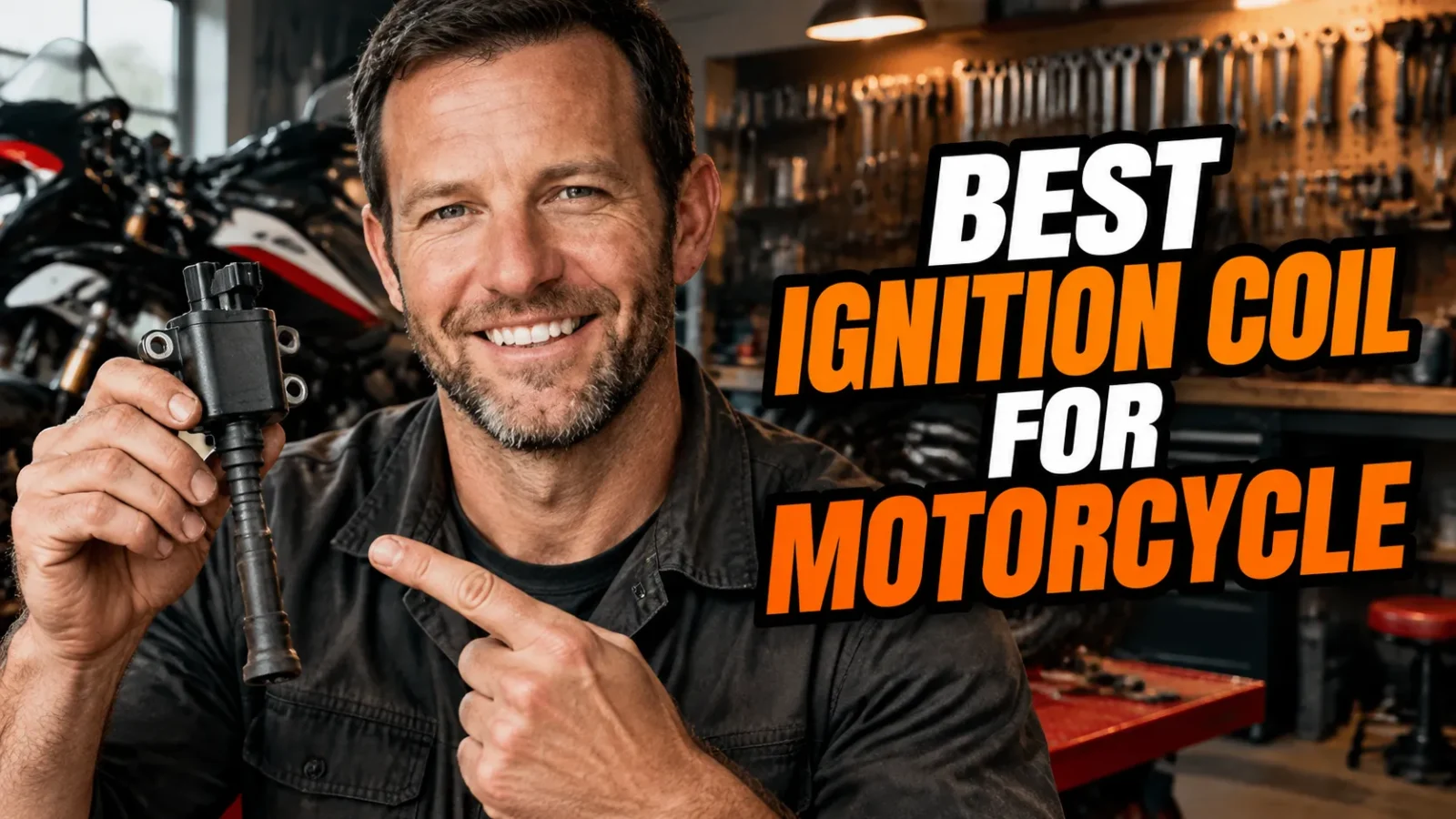
I’ve chased more “mystery” misfires than I care to admit, and a tired ignition coil is behind a surprising number of them. A weak spark makes a bike hesitate, hard to start, and thirsty for fuel. A good coil makes it feel crisp again.
Before you spend money on a coil, make sure the rest of your electrical system is healthy. A sagging battery can mimic coil trouble, so I always recommend reading the what are the different types of motorcycle batteries ultimate guide if you aren’t sure what’s in your bike.
Below are six coils I’d genuinely consider, covering stock-style replacements, performance upgrades, and classic-bike fixes. I’ll flag where fitment matters, because with coils it always does.
- Match the coil’s primary resistance (ohms) to your ignition system before anything else.
- For Harleys, the Screamin’ Eagle and Dynatek Dyna Coil lead my list.
- Rick’s Motorsport Electrics and Emgo are my budget-friendly replacement picks.
- Check your battery and charging system first, since low voltage mimics a bad coil.
1. Harley-Davidson Screamin’ Eagle High-Output Ignition Coil — Best for Harley Owners Who Want a Factory-Backed Upgrade
When a Harley rider asks me for a safe upgrade, the Screamin’ Eagle High-Output Ignition Coil is where I start. It’s engineered by the factory for the platforms it’s sold for, so you aren’t gambling on module compatibility.
Why I Like It
The Screamin’ Eagle coil is designed to deliver a stronger, more consistent spark than a worn stock unit, which helps most with lean-running or high-compression builds. Cold starts feel noticeably more confident to me, and the idle settles faster.
Fitment is the key word. Screamin’ Eagle coils are sold by model family and year, so confirm your bike’s application before ordering. Pricing typically lands in the mid-range, usually more than generic replacements but less than boutique options.
Who It’s For
If your bike is mostly stock or lightly modified and you value dealer-backed support, this is my pick. Heavily customized builds with aftermarket ignition modules may be better served by one of the options below.
2. Dynatek Dyna Coil — Best Aftermarket Performance Coil for Cruisers
Dynatek has been in the ignition game for decades, and the Dynatek Dyna Coil line is probably the most recognized aftermarket coil name in the cruiser world. I’ve had a Dyna Coil on a project bike, and it never gave me trouble.
Specs and Features
Dyna Coils are typically wound as 3-ohm units in many applications, built to deliver a hotter spark than stock coils while staying compatible with common ignition systems. Dynatek offers several versions, so choose the one listed for your model and ignition type.
The build quality feels solid, with sturdy housings and good terminals. Many riders pair the coil with Dynatek’s matching spark plug wires for a complete spark upgrade.
My Take
The Dyna Coil is the one I recommend when someone has added a bigger cam, a big-bore kit, or a high-flow intake. The extra spark energy helps combustion stay stable when the mixture gets harder to light.
3. Nology HotCoil — Best for Riders Who Want Maximum Spark Energy
Nology is a name I associate with spark-focused engineering, and the Nology HotCoil line is aimed at riders who want a strong, crisp spark. It’s popular in Harley circles, and Nology builds the product around that application.
What Stands Out
Nology designs the HotCoil as a high-output replacement, and many riders report easier starting and smoother low-rpm running. I like the premium feel and the fact that the company focuses on ignition rather than selling everything under the sun.
It’s priced above basic replacements, and you’re paying for the performance orientation. If your bike is bone stock and healthy, you may not feel a dramatic difference.
Pairing Tip
Nology also sells matching wires, and I’d pair the two for the best results. A strong coil feeding aged, resistive wires wastes much of the benefit.
4. Compu-Fire High Output Ignition Coil — Best Value Performance Upgrade
The Compu-Fire High Output Ignition Coil is the one I suggest when a rider wants more than a stock replacement but doesn’t want to spend boutique money. Compu-Fire has a long history in Harley aftermarket electrics, and I trust the brand for core ignition parts.
Why It Works for Me
It’s designed to produce a hotter spark than a standard coil in applicable models, which is helpful for modified engines and bikes that sit between rides. The price-to-performance ratio is the main draw for me.
Check the listed application carefully, since Compu-Fire offers different coils for different years and ignition types. I’d always verify the resistance spec against your service manual.
Real-World Note
A bike that’s been sitting is the perfect time to confirm your battery is in good shape. If you’re charging between rides, my write-up on how does a battery tender work explains how to keep the voltage steady so your new coil gets the supply it needs.
5. Rick’s Motorsport Electrics Ignition Coil — Best Budget OEM-Style Replacement
Rick’s Motorsport Electrics is known for rebuilt and replacement electrical parts across many makes. Their ignition coil offerings are my go-to suggestion when a rider simply needs to restore stock performance without overpaying.
What I Appreciate
Rick’s coils are generally designed as direct replacements, so installation is straightforward. They’re a practical choice for Japanese and European bikes where fancy performance coils are harder to find.
Don’t expect a performance upgrade here. This is about restoring factory-level spark, and for a commuter or a weekend rider that’s usually exactly what’s needed.
Install Considerations
Coil access varies a lot by bike. On some models you’ll pull the battery first, and my guide on how to remove harley street 750 battery is a good example of the process if you ride one, with similar principles for other bikes.
6. Emgo Ignition Coil — Best Inexpensive Option for Older and Smaller Bikes
Emgo has supplied replacement parts for older and smaller-displacement motorcycles for years. The Emgo Ignition Coil range is a practical pick for riders restoring vintage machines or keeping an old runner on the road.
Strengths and Limits
The appeal is simple: it’s inexpensive and available in configurations that suit many older bikes. For a project where you need spark and not a performance statement, it does the job.
Quality control can be less consistent than with premium brands, so I’d test the coil’s resistance before installing. A quick multimeter check can save you an afternoon of confusion.
Where It Fits
It makes sense on a bike with simple ignition and modest power. For a modern fuel-injected machine with a sensitive ECU, I’d rather stick with a brand that publishes detailed specs.
How I Choose a Coil: My Buying Checklist
After swapping several coils over the years, I follow the same checklist every time. It keeps me from buying something that looks good on paper but doesn’t work on my bike.
Match the Resistance
Primary resistance, measured in ohms, tells the ignition system how much current the coil draws. A coil with the wrong resistance can overload a module or produce weak spark, so always match the spec your bike expects.
Confirm Fitment and Connectors
Check the year, model, and ignition type before ordering. Mounting points and connectors vary, and a coil that doesn’t plug in cleanly will cost you time.
Think About Heat and Moisture
Coils live in a hot, vibrating environment. I look for solid potting, quality terminals, and housing that resists moisture, especially if I ride in the rain.
Is It Really the Coil? Troubleshooting First
I’ve replaced coils that turned out to be fine. Before buying, I check the plugs, plug caps, wires, battery, and grounds.
Battery and Charging Checks
A weak battery drops system voltage during cranking, which weakens spark. If a bike dies suddenly or loses everything at once, my article on harley lost all electrical power walks through the likely culprits, and many of the checks apply to any bike.
If you’re reviving a dead battery with a car charger, be careful with amperage. I covered the numbers in how long to charge a car battery at 10 amps, but remember motorcycle batteries are smaller and need gentler charging.
Measuring the Coil
With a multimeter, I measure the primary and secondary resistance and compare them to the factory spec. If the readings are far off, the coil is a suspect. If they’re fine, the problem may show up only when the coil is hot, so I test again after a ride.
Does Starting Method Change Anything?
One question I get is whether kickstart bikes need different coils than electric-start bikes. The coil itself isn’t determined by the starter, but the electrical supply is.
Kick-only machines may rely on a magneto or a small battery, while electric-start bikes depend on a healthy battery to hold voltage during cranking. If you’re curious about the trade-offs, my breakdown of kickstart vs electric start goes deeper.
Installation Tips That Save Headaches
Coil swaps are usually simple, but a few habits make them smoother. I always disconnect the battery first and take a photo of the wiring before I touch anything.
Do It Right
- Disconnect the battery negative terminal before working on the ignition.
- Label wires and connectors if the coil has more than one.
- Clean mounting surfaces and ground points for solid contact.
- Replace aged plug wires and caps at the same time.
- Torque fasteners to spec and avoid overtightening brackets.
After the Swap
Start the engine, let it idle, and listen for a smooth, even beat. Then take a short ride and watch for hesitation under load. If the issue returns, I recheck the wiring before blaming the new part.
My Final Recommendation
If I had to pick one for most Harley riders, I’d go with the Dynatek Dyna Coil for the balance of performance and reputation. If you prefer a factory-backed route, the Screamin’ Eagle High-Output Ignition Coil is the safest bet.
For budget fixes and older bikes, Rick’s Motorsport Electrics and Emgo get the job done. Whatever you choose, verify fitment and resistance, and make sure your battery is healthy before you blame the coil.
A strong spark won’t transform a bike by itself, but it removes a whole category of annoying problems. I hope this list helps you pick the right coil and get back to enjoying the ride.
Frequently Asked Questions
How do I know if my motorcycle ignition coil is failing?
Common signs include misfiring under load, hard starting when hot, a rough idle, weak or intermittent spark, and sudden stalling. A multimeter check of primary and secondary resistance against your service manual specs will confirm it.
Can I use a higher-output coil on a stock motorcycle?
Often yes, but only if the coil’s primary resistance matches what your ignition module or ECU expects. A mismatched coil can overheat the module, so always check ohm ratings and fitment first.
How long does a motorcycle ignition coil last?
Many last 50,000 miles or more, but heat, vibration, moisture, and a weak battery can shorten that. Replace them when testing shows out-of-spec resistance or when you see symptoms.
Does a weak battery affect ignition coil performance?
Yes. Low voltage reduces coil saturation and spark energy, which can cause misfires and hard starts. Check your battery and charging system before blaming the coil.

Related Articles

How to Fix a Short Circuit on a Motorcycle: A Rider’s Step-by-Step Guide
Learn how to find and repair a motorcycle short circuit step by step, from blown fuses to chafed wires, with…
Jake Miller
11 min read

What Does a CDI Unit Do on a Motorcycle? Purpose, Symptoms and Fixes
Wondering what a CDI does on your bike? I explain how the capacitor discharge ignition works, signs of failure, testing…
Jake Miller
10 min read

How to Test a 6 Volt Motorcycle Battery and Charging System (Step-by-Step)
Learn how to test a 6 volt motorcycle battery and charging system step by step, with multimeter readings, load tests,…
Jake Miller
10 min read