
8 Best Dual Sport Motorcycles That Handle Pavement and Dirt with Ease
 Jake Miller
9 min read
Jake Miller
9 min read
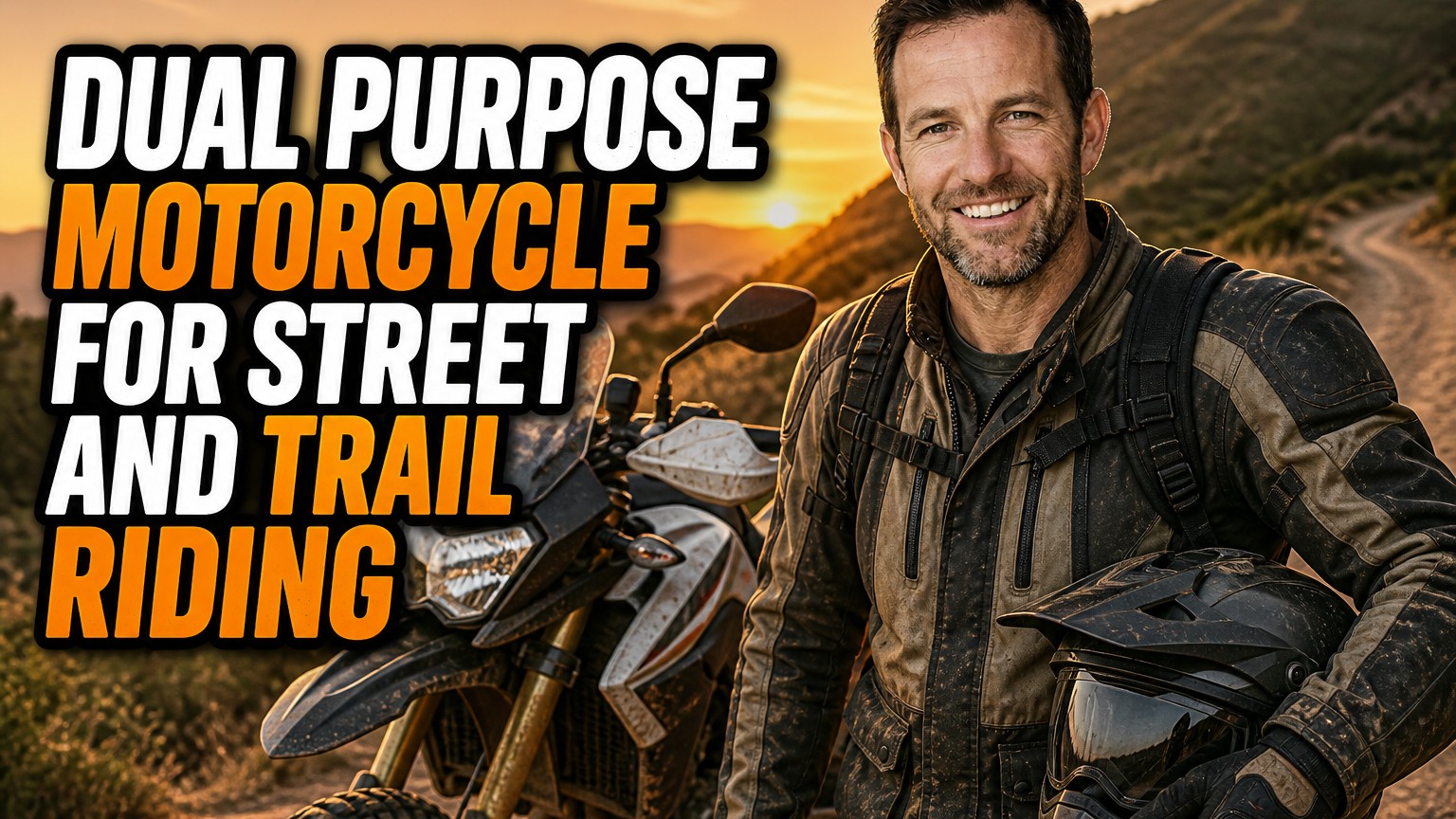
I’ve spent years bouncing between twisty back roads, fire roads, and the occasional rocky two-track. Along the way I’ve learned that finding the best dual purpose motorcycle for street and trail riding is about compromise. You want a bike that is civil on pavement and still fun when the asphalt ends.
I’ve ridden or spent serious time around every bike on this list, and I’ve also leaned on owner feedback and spec sheets to round out my picks. Some of these are lightweight trail-capable commuters. Others are full-on adventure machines. Let’s find the one that fits how you actually ride.
- My top overall pick is the Honda CRF300L, a light, reliable, and affordable all-rounder.
- For highway comfort plus real off-road ability, the KTM 390 Adventure and Yamaha Ténéré 700 are my favorites.
- Budget riders should look at the Honda XR150L; two-up riders should look at the Honda Africa Twin.
- Weight, seat height, and tires matter more than raw horsepower for trail fun.
How I Chose These Dual Purpose Motorcycles
I judged each bike on how it behaves in three places: on a 20-minute commute, on a 70-mile highway stretch, and on a rutted trail. A bike that nails only one of those didn’t make the cut.
I also weighed price, reliability, maintenance costs, and how easy the bike is to pick up when you drop it. And you will drop it eventually.
What Matters Most
Weight is the number one factor for trail riding. Every extra 50 pounds feels like 100 when you’re in sand or deep gravel.
Seat height and suspension travel come next. Long-travel suspension swallows rocks and roots, but it also makes the bike taller and harder to flat-foot at a stoplight.
1. Honda CRF300L — Best Overall Dual Sport
If someone asks me for one bike that does it all, I point them to the Honda CRF300L. It uses a 286cc fuel-injected single-cylinder engine, and the power is smooth and predictable. Honda’s reputation for reliability is well earned here.
The CRF300L weighs around 300 pounds ready to ride and typically costs about $5,400. It has a 21-inch front wheel and 18-inch rear wheel, which is the right setup for dirt. The 6-speed gearbox keeps the revs reasonable at highway speeds.
Why I Like It
It’s forgiving. I’ve seen brand-new riders gain confidence on the CRF300L within an afternoon, and experienced riders still enjoy it on tight singletrack.
There’s also a CRF300L Rally variant with a taller windscreen, bigger fuel tank, and a more adventure-style look. It’s a great option if you want longer range, though it is a bit heavier.
Things to Consider
Highway riding is fine but not thrilling. At 70 mph the engine is working, and passing takes planning. Even so, it’s a very capable best 300cc motorcycle for 2 up riding candidate if you only need occasional passenger duty, though serious two-up touring is better left to bigger bikes.
2. Kawasaki KLX300 — Best for Aggressive Trail Riding
The Kawasaki KLX300 leans more toward the dirt side of the spectrum. Its 292cc fuel-injected engine revs eagerly, and the bike feels light and flickable on technical terrain. It usually sells for around $6,000.
The suspension has more travel than the Honda’s, and the chassis feels sportier when you start pushing the pace. The seat is tall, so shorter riders may struggle at stops.
On the Street
It’s a competent commuter, but a bit buzzy at highway speeds. I’d call it a trail bike you can ride to the trailhead, not a long-distance tourer.
Because small-displacement engines work hard, fresh oil matters. Check out this guide to the best engine oil for dual sport motorcycle use before your first oil change. Dual sport engines often share oil with the clutch, so the right spec matters.
3. Suzuki DR-Z4S — Best Modern Take on a Classic
The Suzuki DR-Z4S is the revival of a legend. The old DR-Z400S was beloved for its toughness, and the new version brings fuel injection, updated electronics, and a 398cc engine. It sits near the $7,000 mark.
The extra displacement makes a noticeable difference on the highway. It has more passing power than the 300cc bikes, and it still behaves nicely on slow, technical trails.
My Take
I like it for riders who want a bit more punch without moving up to a heavy adventure bike. It’s tall, so be ready for that, but the suspension is well sorted for mixed use.
If you’re curious about maintenance, read up on what is the best engine oil for a dual sport motorcycle. A higher-output single runs hot when you lug it up a climb, so good oil is cheap insurance.
4. Yamaha Ténéré 700 — Best Mid-Size Adventure Pick
The Yamaha Ténéré 700 is the bike I’d pick for a long trip that includes real dirt. Its 689cc parallel twin makes about 72 horsepower and pulls strongly from low revs. Expect to pay roughly $10,500 to $11,500.
It has long-travel suspension, a 21-inch front wheel, and a slim, rally-inspired design. The wet weight is around 450 pounds, which is heavy for tight trails but very manageable for a bike this capable.
Street and Trail Manners
On the highway it’s comfortable, with a tall windscreen and a stable ride. In dirt it feels more nimble than its numbers suggest.
The seat is firm and tall at around 34.4 inches, so test it before buying. If you’re 5’6″ or shorter, you may want a lowering link.
5. KTM 390 Adventure — Best Lightweight Adventure Bike
The KTM 390 Adventure surprised me. Its 373cc single makes roughly 43 to 44 horsepower and feels punchy for its size. It typically costs between $6,000 and $6,500.
You get modern electronics, including ride modes, switchable ABS, and traction control. A TFT display and a comfortable upright riding position add to its appeal.
Where It Shines
This is the best commuter-meets-trail bike here for riders who spend lots of time on pavement. It cruises well at highway speeds and handles rough gravel roads confidently.
Be honest with yourself about off-road goals. It’s great on forest roads and mild trails, but the cast wheel version isn’t meant for rocky, technical riding. The spoked-wheel version is better in the dirt.
6. Royal Enfield Himalayan 450 — Best Value for Adventure Touring
The Royal Enfield Himalayan 450 is a big step up from the old Himalayan. It has a liquid-cooled 452cc engine making around 40 horsepower. It’s priced around $6,000, which is great value.
It rides on a 21-inch front and 17-inch rear spoked wheel setup with tubeless rims. The suspension is plush, and the bike feels stable on gravel and sand.
Why It Works
I like the relaxed, torquey character. It isn’t a race bike, but it will happily carry you and your gear down remote roads all day.
The weight is on the heavier side, at roughly 430 pounds wet, so it’s better suited to fire roads and light trails than tight technical stuff. That said, it’s one of the most comfortable bikes on this list for the money.
7. Honda XR150L — Best Budget Dual Purpose Bike
Not everyone has $6,000 to spend. The Honda XR150L usually lists around $3,000, and it’s one of the most affordable ways into dual sport riding.
Its 149cc air-cooled engine is simple and tough. It won’t win any races, and top speed is modest, but it’s light, easy to ride, and cheap to maintain.
Who Should Buy It
This is a great bike for newer riders, campus commuters, or anyone who wants a farm and fire road runner. It isn’t the right tool for sustained highway use.
Keep it on roads under 55 mph and it will reward you with fantastic fuel economy and almost no maintenance headaches. I’ve seen these things run for years with just regular oil changes.
8. Honda Africa Twin (CRF1100L) — Best for Two-Up Adventure
The Honda Africa Twin is a big, serious machine. It uses a 1,084cc parallel twin that produces strong, smooth power and offers an optional DCT automatic transmission. Prices start around $14,000 and climb with options.
It’s heavy at roughly 510 pounds or more, but the weight is carried low. A 21-inch front wheel, long-travel suspension, and excellent electronics make it very capable.
Carrying a Passenger
If you plan to ride with a passenger, this is the bike I’d put at the top. The seat, rear subframe, and power make two-up touring easy. See this guide on the best adventure motorcycle for 2up riding for a broader comparison.
The tradeoff is obvious: it’s not a bike for tight, technical trails. It’s for long gravel roads, mountain passes, and big-mile days.
How to Pick the Right Bike for You
Be Honest About Your Riding Split
If you spend 80 percent of your time on pavement, lean toward the KTM 390 Adventure or Himalayan 450. If most of your riding is trails, the KLX300 or CRF300L makes more sense.
Mixed riders who want one bike for everything should consider the Ténéré 700 or DR-Z4S.
Think About Seat Height and Weight
Test-sit every bike you’re considering. A bike that feels great on paper can be intimidating when you can only get your toes down.
Lighter bikes forgive mistakes. If you’re new to dirt, I’d always choose the lighter option, even if it gives up a little highway comfort.
Budget for Gear and Upgrades
Plan to spend extra on a good helmet, boots, armor, and tires. Skid plates, hand guards, and luggage racks are common upgrades.
Accessories are a whole world of their own. I’ve even seen riders cross over from cruisers, where they’re sorting things like the best motorcycle exhaust extension for cvo street glide, into dual sport riding and discover how much simpler and more fun a light bike can be.
Tips for Riding Dual Purpose Bikes Safely
Air down your tires slightly on dirt for more grip, then air them back up for the road. Practice standing on the pegs, because it gives you better control and visibility.
Always ride within your limits and bring a buddy on remote trails. Carry a basic tool kit, a tire repair kit, and a small pump, because flats happen at the worst times.
Final Thoughts
There’s no single perfect dual sport bike, but there’s definitely a perfect one for you. For most riders, my top choice is still the Honda CRF300L for its balance of price, ability, and reliability.
If you want more road comfort, step up to the KTM 390 Adventure or Yamaha Ténéré 700. Whichever you choose, get out there and ride. The best bike is the one that gets you outside as often as possible.
Frequently Asked Questions
What is the best dual purpose motorcycle for a beginner?
For most new riders, the Honda CRF300L is the easiest to recommend. It has a gentle power delivery, fuel injection, a reasonable price, and Honda reliability. The Honda XR150L is a cheaper and lighter option if your budget is tight.
Can a dual purpose motorcycle handle highway riding?
Yes, but it depends on engine size. Bikes in the 250 to 300cc class can cruise at 65 mph but have little power left over. Larger machines like the Yamaha Ténéré 700 or KTM 390 Adventure are far more comfortable at highway speeds.
How tall do I need to be for a dual sport bike?
Many dual sport bikes have seat heights of 34 to 36 inches, so taller riders have an easier time. Shorter riders can look at lowered suspension kits, narrower seats, or lower models like the KTM 390 Adventure or Royal Enfield Himalayan 450.
What tires are best for mixed street and trail riding?
A 50/50 dual sport tire is the best compromise. It grips on pavement and still bites in dirt, gravel, and light mud. If you spend most of your time on pavement, choose a 60/40 street-biased tire. If you spend most of your time off road, choose a 40/60 or more aggressive pattern.

Related Articles
7 Best Batteries for Motorcycles I’ve Tested and Trust in 2026
I've tested dozens of motorcycle batteries to find the best performers. From AGM to lithium, here are my top picks…
Jake Miller
15 min read

The Perfect Battery for Your Harley Davidson Softail: A Rider’s Complete Guide
Discover the perfect battery for your Harley Davidson Softail. I've tested multiple options and share real-world performance data, maintenance tips,…
Jake Miller
14 min read

The Best Battery for Your Harley Davidson: My Complete Guide After Years of Testing
Discover which battery truly performs best for Harley Davidson motorcycles. Real rider experience with AGM, lithium, and OEM options to…
Jake Miller
12 min read