
How to Quiet Your Motorcycle Exhaust: 9 Proven Fixes That Actually Work
 Jake Miller
10 min read
Jake Miller
10 min read
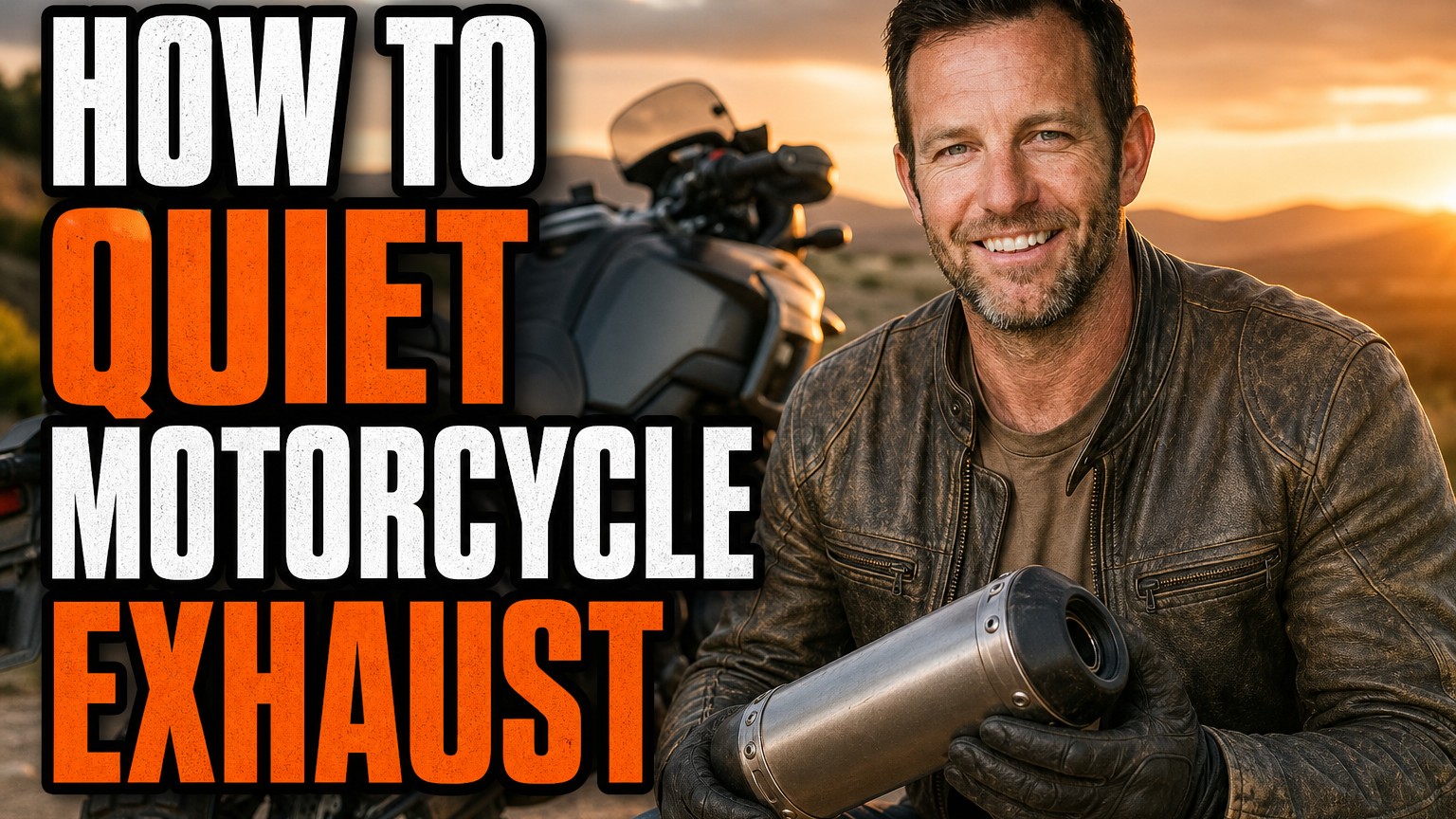
I’ll be honest: I love a bike that sounds good. But I also love my neighbors, my hearing, and not getting pulled over for a noise violation. Somewhere between “sounds mean” and “sounds obnoxious” is a sweet spot, and I’ve spent a lot of garage time finding it.
If your bike has crossed that line, whether it came loud from the factory or you modded it too far, you have plenty of options. I’ve tried most of them on my own bikes over the years, and some work far better than others.
In this guide I’ll walk you through what I’ve tested, what I’d skip, and how to tone things down without choking your engine or wasting money.
- The fastest fixes are a removable baffle or db killer, or repacking a worn muffler.
- Swapping to a quieter slip-on or going back to the stock muffler gives the most dramatic and reliable results.
- Wraps, paint, and heat coatings are mostly for heat and looks, not real noise control.
- Leaks, lean running, and mechanical noise can masquerade as “exhaust noise,” so check them first.
Where Is the Noise Really Coming From?
Before I spend a dime, I always figure out what I’m actually hearing. A lot of riders assume everything loud is the muffler, but that isn’t always true.
Take a few minutes with a cold engine and a flashlight. It will save you from buying parts you don’t need.
Exhaust Note vs. Mechanical Noise
Exhaust noise is the deep rumble, bark, or raspy blast that rises with the throttle. Mechanical noise is the ticking, clacking, whining, or clunking that comes from the engine and drivetrain.
I once spent a weekend chasing what I thought was a loud pipe. It turned out to be a ticking valvetrain and a dry chain. The pipe was fine.
A Quick Listening Test
Start the bike and listen near the muffler outlet, then near the header pipes, then near the engine. If the sound is sharpest near the header joint, you may have a leak.
If it’s loudest at the tailpipe, the muffler or its internals are the likely culprit. That’s where most of the fixes below come in.
Check the Legal Side First
Noise laws vary a lot by state and country. Some places use a decibel limit, while others just require an EPA-stamped or approved exhaust with no modifications that increase noise.
I always check my local rules before modifying anything. A fix-it ticket for a loud pipe is annoying, and some jurisdictions fine you heavily.
It’s also worth knowing that many stock mufflers are stamped with an approval mark. Cutting or gutting one can make it non-compliant, which is another reason I lean toward adding sound control rather than removing parts.
Fix #1: Install a Baffle or DB Killer
This is my go-to first step. A baffle (or db killer) is an insert that slides into the muffler outlet and forces exhaust gases through a more restrictive path, which reduces volume.
It’s cheap, reversible, and takes about 15 minutes with basic hand tools.
Choosing the Right Size
Baffles come in different diameters and lengths, so measure your muffler’s outlet before you order. A baffle that’s too small will rattle or fall out.
Longer baffles generally cut more noise. Shorter ones are subtler and keep more of that raw character.
My Experience With DB Killers
On one of my bikes, a mid-length baffle dropped the sound from “everybody in the parking lot turns around” to “pleasant growl.” I did notice a tiny bit less top-end snap, but nothing I’d call a dealbreaker on the street.
Things to Watch For
- Secure it properly. Use the recommended bolt or rivet so it doesn’t launch itself down the highway.
- Mind the fueling. A big change in backpressure can lean out some fuel-injected and carbureted engines.
- Buy quality. Cheap inserts can rattle, rust, or vibrate loose.
Fix #2: Repack the Muffler
If your bike has gotten louder over time, the packing inside the muffler is probably worn out. Fiberglass or stainless steel wool breaks down from heat and exhaust flow, and the sound gets harsher and louder as it does.
Repacking is one of the most satisfying fixes I’ve done. It often restores the original, deeper tone.
How I Repack a Muffler
- Let the exhaust cool completely, then remove the muffler from the bike.
- Drill out or unscrew the end cap, depending on the design.
- Pull out the old packing and clean the core of any soot or debris.
- Wrap new packing material around the perforated core, keeping it even and snug.
- Reassemble, reinstall with a fresh gasket, and check for leaks.
Safety Notes
Wear gloves, eye protection, and a dust mask. Fiberglass is itchy and nasty to breathe, and it gets everywhere.
I also like to use high-temperature sealant on the joints where appropriate. It makes the whole setup tighter and quieter.
Fix #3: Swap to a Quieter Muffler or Slip-On
If baffles and repacking aren’t enough, the next step is a new muffler. Plenty of aftermarket companies make slip-ons built specifically for a refined tone rather than a loud one.
I’ve also had good results simply going back to the stock muffler on a bike I’d over-modified. It’s boring, but it works every time.
What to Look For
- A published decibel rating from the manufacturer.
- Internal chambers or a baffle design rather than a straight-through core.
- Compliance markings if you need it to be street legal.
Straight-Through vs. Chambered
Straight-through designs flow well but tend to be louder. Chambered or multi-baffle designs do a better job of canceling sound waves, so they’re my pick when quiet is the priority.
Fix #4: Look Into Wraps, Paint, and Coatings (With Realistic Expectations)
You’ll see a lot of advice online that wrapping or coating your pipes will make them quiet. In my experience, that’s only partly true.
Header wrap can slightly dampen high-frequency ring, but it won’t replace a real muffler fix. Think of it as a small bonus.
Where Coatings and Paint Actually Help
Coatings are great for managing heat, preventing rust, and making pipes look sharp. If you’re refreshing your exhaust anyway, take a look at the best paint for motorcycle exhaust pipes for a budget-friendly finish.
If you want something more durable, I’d also check out the best heatcoating for motorcycle exhaust pipes. It handles high temperatures far better than regular paint.
Just don’t expect either one to turn a screaming pipe into a whisper. Noise control still comes from internal muffler design.
Fix #5: Hunt Down Exhaust Leaks
An exhaust leak is one of the most overlooked reasons a bike sounds raspy or louder than it should. Even a small gap at the header gasket can create a sharp, ticking, or hissing sound.
I always check the joints first, especially after a long ride season.
How to Spot a Leak
- Look for black soot streaks around joints and welds.
- Listen for a ticking noise that fades as the engine warms and the metal expands.
- Feel for puffs of air with your hand near the joints (engine off and cool, then briefly running, and be careful of heat).
The Fix
Most leaks are solved with a fresh gasket or crush ring and properly torqued clamps and nuts. Cracked welds may need a pro.
Fix #6: Sort Out Fueling and Popping
Crackles, pops, and backfires on deceleration can sound like the exhaust is shouting at everyone. Often, the real issue is a lean mixture or incomplete combustion.
If you’ve installed an aftermarket pipe or air filter, a tune or fuel controller can calm everything down and smooth the sound.
Don’t Ignore the Fuel System
Dirty fuel and clogged passages can cause rough running, which makes everything sound worse. If your bike has been sitting for a while, it may be time to learn how to clean a motorcycle gas tank and flush out any rust or varnish.
Clean fuel makes for clean combustion, and clean combustion is almost always quieter combustion.
Fix #7: Quiet the Mechanical Noise Too
Sometimes the exhaust isn’t the main offender. A bike with fresh, healthy oil and a well-adjusted chain simply sounds smoother and quieter overall.
I make a habit of checking fluids before every ride, and if you’re not sure how, here’s a quick guide on how to check motorcycle oil properly.
Oil Matters More Than You’d Think
The right oil can take the edge off clunky shifts and engine clatter. If your transmission feels noisy, take a look at the best motorcycle oil for quiet shifting, since it can make a real difference in how the bike sounds under load.
Other Quick Mechanical Checks
- Lube and adjust the chain, or check the belt tension.
- Tighten loose heat shields and exhaust brackets that buzz and rattle.
- Inspect rubber mounts and hangers for wear.
A rattling heat shield, by the way, is one of the most common “exhaust noises” I’ve fixed with a single bolt.
Fix #8: Adjust Your Riding Habits
This one is free. How you ride affects how loud your bike sounds to everyone around you.
I shift a bit earlier in neighborhoods, keep revs lower when leaving early in the morning, and avoid wringing it out near homes. It makes a surprising difference.
Be a Good Neighbor
I’d rather have a bike that sounds great at cruising speed than one that annoys the entire street. Being considerate also helps keep riders in a positive light.
Fix #9: Consider a Full System Reset
If you’ve layered multiple mods and nothing sounds right, sometimes the best move is to go back to the beginning. Reinstall the stock system, or buy a proven, quiet set-up designed for your exact model.
I’ve done this once, and I don’t regret it. It felt like admitting defeat, but my bike ran better and my ears were happier.
Mistakes I See Riders Make
- Gutting the muffler. It’s hard to undo and often illegal.
- Ignoring fueling changes. A lean engine runs hot and can get damaged.
- Over-tightening baffle bolts. You can strip threads or crack the end cap.
- Buying the cheapest option. Poor materials rust, rattle, and fail early.
- Assuming it’s the exhaust. Always rule out leaks and mechanical noise first.
Which Fix Should You Start With?
Here’s how I’d prioritize if I were in your boots. Start with the cheapest and easiest steps, and only move up if you need to.
- Inspect for leaks and loose parts. Free and fast.
- Add a baffle or db killer. Cheap and effective.
- Repack the muffler. Great for older, worn systems.
- Tune the fueling. Helps with pops and rough running.
- Swap the muffler or slip-on. The biggest change, but costs more.
My Final Take
Quieting your bike doesn’t mean killing its personality. In my experience, a good baffle or a fresh repack gets you 80% of the way there for very little money.
Start with the simple stuff, check for leaks, keep your fuel and oil in good shape, and only go bigger if you need to. Your neighbors, your hearing, and probably your wallet will thank you.
Got a stubborn loud bike? Take it one step at a time, and enjoy the ride, quietly.
Frequently Asked Questions
What is the cheapest way to make a motorcycle exhaust quieter?
The cheapest option is usually a removable db killer or baffle insert, which often costs under $50. If your muffler is already packed, repacking it with fresh fiberglass or stainless wool is another budget-friendly fix.
Will quieting my exhaust hurt performance?
A little restriction can slightly change backpressure and air-fuel mixture, but most riders won’t feel a big difference with a quality baffle. On fuel-injected bikes, a tune or fuel controller can fix any lean running after the change.
Do exhaust wraps make a motorcycle quieter?
Wraps and heat coatings mostly manage heat and appearance. They may take a tiny edge off the sound, but they will not replace a baffle, a repack, or a quieter muffler.
Why does my motorcycle exhaust suddenly sound louder?
The usual causes are worn-out packing, a loose or missing baffle, an exhaust leak at the header or gasket, or a cracked weld. Inspect the system when the engine is cold and replace any worn parts.

Related Articles
7 Best Batteries for Motorcycles I’ve Tested and Trust in 2026
I've tested dozens of motorcycle batteries to find the best performers. From AGM to lithium, here are my top picks…
Jake Miller
15 min read

The Perfect Battery for Your Harley Davidson Softail: A Rider’s Complete Guide
Discover the perfect battery for your Harley Davidson Softail. I've tested multiple options and share real-world performance data, maintenance tips,…
Jake Miller
14 min read

The Best Battery for Your Harley Davidson: My Complete Guide After Years of Testing
Discover which battery truly performs best for Harley Davidson motorcycles. Real rider experience with AGM, lithium, and OEM options to…
Jake Miller
12 min read