
6 Best Heat Wraps for Motorcycle Exhausts: Tested Picks for Every Rider
 Jake Miller
11 min read
Jake Miller
11 min read
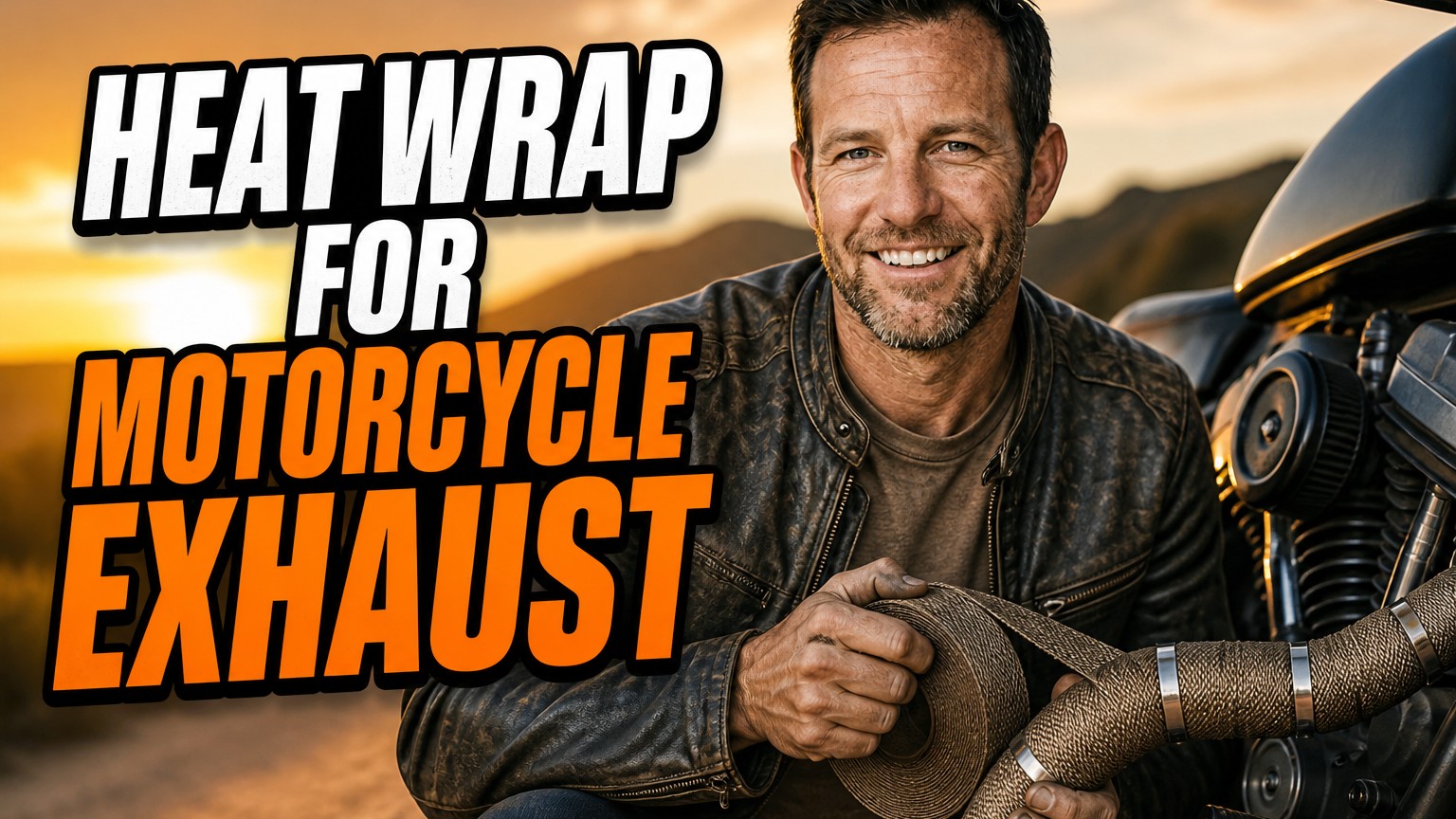
I’ve been wrenching on my own bikes for years, and exhaust heat is something I never ignored after the first time I cooked a calf through my riding pants in summer traffic. Heat wrap is one of the cheapest upgrades I know of, and it also gives pipes a gritty, purposeful look. But it’s easy to get wrong.
I’ve wrapped headers on a cafe racer build, a scrambler and a couple of friends’ project bikes. In this guide I’m sharing the wraps I’d actually buy again, plus what I learned about installing them without wrecking your pipes.
- My top pick is the DEI Titanium Exhaust Wrap, for its durability and high temperature rating.
- Thermo-Tec is the best value if you want a proven, affordable fiberglass wrap.
- Always buy stainless locking ties separately, and soak and heat-cycle the wrap before heavy riding.
- Wrap can trap moisture, so it’s best on stainless or coated pipes and bikes that get ridden regularly.
Why I Wrap My Exhaust in the First Place
Wrapping a pipe does two things. It keeps heat inside the exhaust, which keeps gases moving quickly. It also cuts the radiant heat that hits your legs, wiring, and nearby plastic.
On custom builds where the header runs close to the rider’s leg or the frame, that matters a lot. I’ve also noticed that a wrapped header leaves the engine bay feeling less like an oven after a long traffic jam.
The Honest Downsides
Wrap isn’t magic. It can hold moisture against the metal, and if you wrap a cheap mild steel header and then park the bike outdoors all winter, rust is a real risk.
That’s why I’m picky about the pipes I wrap, and why I stick with products with a track record. Let’s get into my picks.
1. DEI Titanium Exhaust Wrap — Best Overall
When someone asks me which wrap to buy, the DEI Titanium Exhaust Wrap is my default answer. DEI (Design Engineering Inc.) has been in the heat management business for decades, and this wrap is their flagship for exhaust work.
It’s a woven fiberglass-based wrap with a titanium-infused finish. DEI rates it for extremely high temperatures, up to roughly 1,800°F, which is well above what most motorcycle headers see on the street.
What I Like About It
The DEI Titanium Exhaust Wrap feels tougher than basic fiberglass. It frays less when I cut it, and it resists oil and road grime better than the cheaper rolls I’ve used.
The weave is tight enough to keep its shape on tight bends, which matters on a 2-into-1 system with several curves. The lighter titanium color also looks great against black frames.
What to Watch For
- Price: It usually costs more than basic wraps, often in the $40 to $70 range per 50-foot roll depending on width.
- Itchy fibers: Wear gloves, long sleeves, and a mask when you handle it.
- Ties not included: Buy good stainless ties separately (more on that below).
If you want to wrap once and not think about it for years, this is where I’d put my money.
2. Thermo-Tec Exhaust Wrap — Best Value
The Thermo-Tec Exhaust Wrap is the roll I reach for when I’m building on a budget. Thermo-Tec is a well-known brand in the heat management world, and their wrap has been used on everything from hot rods to bikes for years.
It’s made from woven fiberglass and is commonly sold in 1-inch and 2-inch widths. Thermo-Tec lists continuous heat tolerance around 1,200°F, with higher peak ratings, which is plenty for most street and cruiser setups.
Why It Works for Me
The 1-inch width is a gift on small-diameter motorcycle pipes. It bends around tight curves without bunching up, and it’s easy to overlap evenly.
I used the Thermo-Tec Exhaust Wrap on a Triumph-based scrambler build, and after a couple of heat cycles it tightened up and has stayed put. Prices generally sit lower than the premium titanium wraps, often $25 to $50 depending on width and length.
Things I’d Change
It’s a basic fiberglass wrap, so it can fray and shed more than premium options. Cut with sharp scissors and wrap the cut ends carefully.
Over years of weather exposure it can also look a little tired. For a daily rider that’s not a big deal, but for a show bike I’d step up.
3. DEI Black Exhaust Wrap — Best for a Stealth Look
Not everybody wants light, raw-looking pipes. If you’re building a blacked-out bike, the DEI Black Exhaust Wrap gives you the heat protection without the contrast.
It uses the same general idea as DEI’s other wraps, with a woven fiberglass construction designed for high exhaust temperatures. The black color blends into dark frames and engine cases.
Real-World Impressions
I like how clean the DEI Black Exhaust Wrap looks on a modern bobber. It hides grime far better than a light wrap, which tends to look dirty after a few months of road spray.
One thing I noticed is that black wrap can get a slightly dull, matte look over time as it heat-cycles. That suits the aesthetic I’m after, but it’s worth knowing before you buy.
Who Should Buy It
- Riders building dark, minimalist customs.
- Anyone who wants DEI quality without paying for the titanium version.
- Riders who want a wrap that doesn’t show dirt as easily.
4. Heatshield Products Lava Exhaust Wrap — Best for Extreme Heat
If your bike runs hot, whether it’s a turbocharged build, a big-bore twin, or something tuned for track days, the Heatshield Products Lava Exhaust Wrap deserves a look. Heatshield Products is a US-based company known for serious heat protection.
The lava-style wrap is built for very high temperatures, with ratings that reach well beyond standard fiberglass wrap. It’s a more specialized product than the others on this list.
Why I’d Pick It
On hard-working pipes, the Lava Exhaust Wrap holds up better against heat and abrasion than cheap wrap. It’s also less prone to the fraying that makes basic wraps messy.
The tradeoff is price and availability. It tends to cost more than entry-level rolls, and it isn’t always stocked at local parts stores, so I usually order it online.
Is It Overkill?
For a mellow commuter bike, probably. For a high-output build where exhaust gas temperatures climb fast, I think it’s a smart upgrade.
5. Thermo-Tec Black Exhaust Wrap Kit — Best Beginner Kit
If you’ve never wrapped a pipe and want everything in one box, I’d point you to a Thermo-Tec exhaust wrap kit that includes the wrap and stainless steel locking ties. It takes the guesswork out of buying parts separately.
Kits like this typically pair a roll of fiberglass wrap with a set of ties, which saves you a second shopping trip. Check the listing carefully, because kit contents (width, length and tie count) vary by seller.
Why It Suits First-Timers
The biggest beginner mistake I see is running out of wrap halfway through a header, or using ties that rust or snap. A kit reduces both problems.
For a single-cylinder or small twin, a 1-inch by 50-foot roll is usually plenty. For a 4-into-1 header on a big four-cylinder, I’d buy more than you think you need.
My Tip
Read the tie specifications before buying. I want stainless steel ties, not plated steel that can corrode and let go after a few seasons.
6. DEI Stainless Steel Locking Ties — Best Accessory Upgrade
This one isn’t a wrap, but I’d argue it’s just as important. The DEI Stainless Steel Locking Ties are what keep your wrap from unraveling after a few heat cycles.
These are stainless steel ball-lock ties designed for high-heat applications. Regular zip ties melt instantly, and cheap hose clamps can bite into the wrap.
Why They’re Worth It
I’ve had cheap ties let go on the road, and watching the end of your wrap flap behind your leg is not fun. The DEI locking ties are easy to cinch down and trim, and they stay put.
I use at least one at each end and extras at tight bends. They cost very little compared to the wrap, so there’s no reason to skimp.
How I Choose the Right Wrap
After wrapping a few different bikes, I’ve settled on a short checklist. These are the things I check before I buy a roll.
Temperature Rating
Look at the continuous rating, not only the peak number. A wrap with a high intermittent rating but a lower continuous rating may break down sooner on a hot-running engine.
Width and Length
One-inch wrap handles small pipes and tight curves best. Two-inch wrap goes faster on larger, straighter pipes but can bunch up on bends.
Pipe Material
Stainless and ceramic-coated headers are the safest choices for wrapping. On mild steel, I’d think twice or apply a high-temp coating first, because trapped moisture can cause rust.
A Quick Note on Color
Light wraps look classic but show dirt. Black wraps hide grime but can look flat. I pick based on the bike’s overall look, not performance, since they perform similarly.
How I Install Exhaust Wrap Without the Headaches
Installation is where most wraps go wrong. Here’s the process I follow every time.
- Let the pipes cool completely and remove them from the bike if you can.
- Soak the wrap in water for a few minutes so it’s flexible and easier to stretch.
- Start at the engine end and secure the first turn with a stainless tie.
- Wrap with about a 1/4 to 1/3 overlap, pulling firmly as you go.
- Secure the end with another tie and trim any excess.
- Let it dry, then run the bike for a few heat cycles to cure it.
Safety Gear Matters
Fiberglass fibers are nasty. I always wear gloves, safety glasses, a mask, and long sleeves, and I wash up right after.
The first few rides may produce a bit of smoke and odor as binders and oils burn off. That’s normal, so don’t panic.
Wrap, Engine Heat and Oil: What I’ve Learned
Wrap mostly keeps heat in the pipe, but it’s worth thinking about overall engine temperatures too. A bike that runs hot works its oil harder, so I pay attention to what’s in the sump.
If you’re due for an oil change, I’d read up on the best motor oil for 4 stroke motorcycle before you buy. It’s a good companion read for any rider upgrading their exhaust and thinking about thermal management.
I also like comparing options in this guide to the top engine oil for 4 stroke motorcycle, especially for bikes that see a lot of stop-and-go riding.
For Riders in Hot Climates
If you ride in a hot climate, oil choice matters even more. This breakdown of the best engine oil for 4 stroke motorcycle in india is helpful for riders in high ambient temperatures and heavy traffic.
If you’re still unsure where to start, my notes on what is the best engine oil for 4 stroke motorcycle cover the basics. And for a broader overview, here’s my guide to the best engine oil for motorcycle riders of all kinds.
Common Mistakes I See (and Made Myself)
Wrapping Over Dirty or Rusty Pipes
Clean the pipe first. Wrapping over grease or surface rust can cause bad smoke and long-term corrosion.
Skipping the Heat Cycle
Don’t wrap a bike and immediately ride it hard. Let it dry, then do a few short heat cycles so the wrap shrinks and settles.
Using the Wrong Ties
Plastic zip ties melt, and cheap metal ones rust. Stainless locking ties are the only thing I trust.
Forgetting About Storage
If a wet bike sits in a damp garage, the wrap stays damp. I try to ride my wrapped bikes regularly and keep them dry to reduce rust risk.
Final Thoughts: My Pick
For most riders, I’d go with the DEI Titanium Exhaust Wrap and pair it with DEI Stainless Steel Locking Ties. It’s the combination I trust most and the one I’d buy again tomorrow.
If you’re watching your budget, the Thermo-Tec Exhaust Wrap gets the job done for a lot less. And if you’re building something hot and aggressive, Heatshield Products Lava Exhaust Wrap is worth the extra money.
Whichever you choose, take your time with the install. A careful wrap job looks better, lasts longer, and keeps your legs a lot happier on the road.
Frequently Asked Questions
Does exhaust wrap damage motorcycle pipes?
It can if installed badly. Wrap holds moisture against the metal, which can cause rust on mild steel pipes. Stainless and coated pipes handle it better, and soaking the wrap in water before install, then heat-cycling it, helps it cure properly.
How tight should I wrap my exhaust?
Wrap it snug, with each turn overlapping the last by about a quarter to a third of the width. Pull firmly but don’t stretch the wrap to its limit. It tightens as it dries and heat-cycles, so over-tightening can make it brittle.
Is titanium wrap better than fiberglass wrap?
Titanium-infused wraps usually tolerate higher temperatures and resist abrasion better, but they cost more. Standard fiberglass wrap is cheaper and works fine for most street bikes if installed correctly.
Should I wet the wrap before installing it?
Yes. Lightly dampening the wrap makes it more pliable and helps it shrink to a snug fit as it dries. Make sure it is completely dry and heat-cycled before long rides.

Related Articles
7 Best Batteries for Motorcycles I’ve Tested and Trust in 2026
I've tested dozens of motorcycle batteries to find the best performers. From AGM to lithium, here are my top picks…
Jake Miller
15 min read

The Perfect Battery for Your Harley Davidson Softail: A Rider’s Complete Guide
Discover the perfect battery for your Harley Davidson Softail. I've tested multiple options and share real-world performance data, maintenance tips,…
Jake Miller
14 min read

The Best Battery for Your Harley Davidson: My Complete Guide After Years of Testing
Discover which battery truly performs best for Harley Davidson motorcycles. Real rider experience with AGM, lithium, and OEM options to…
Jake Miller
12 min read