
6 Best Heat Coatings for Motorcycle Exhaust Pipes: My Real-World Picks
 Jake Miller
9 min read
Jake Miller
9 min read
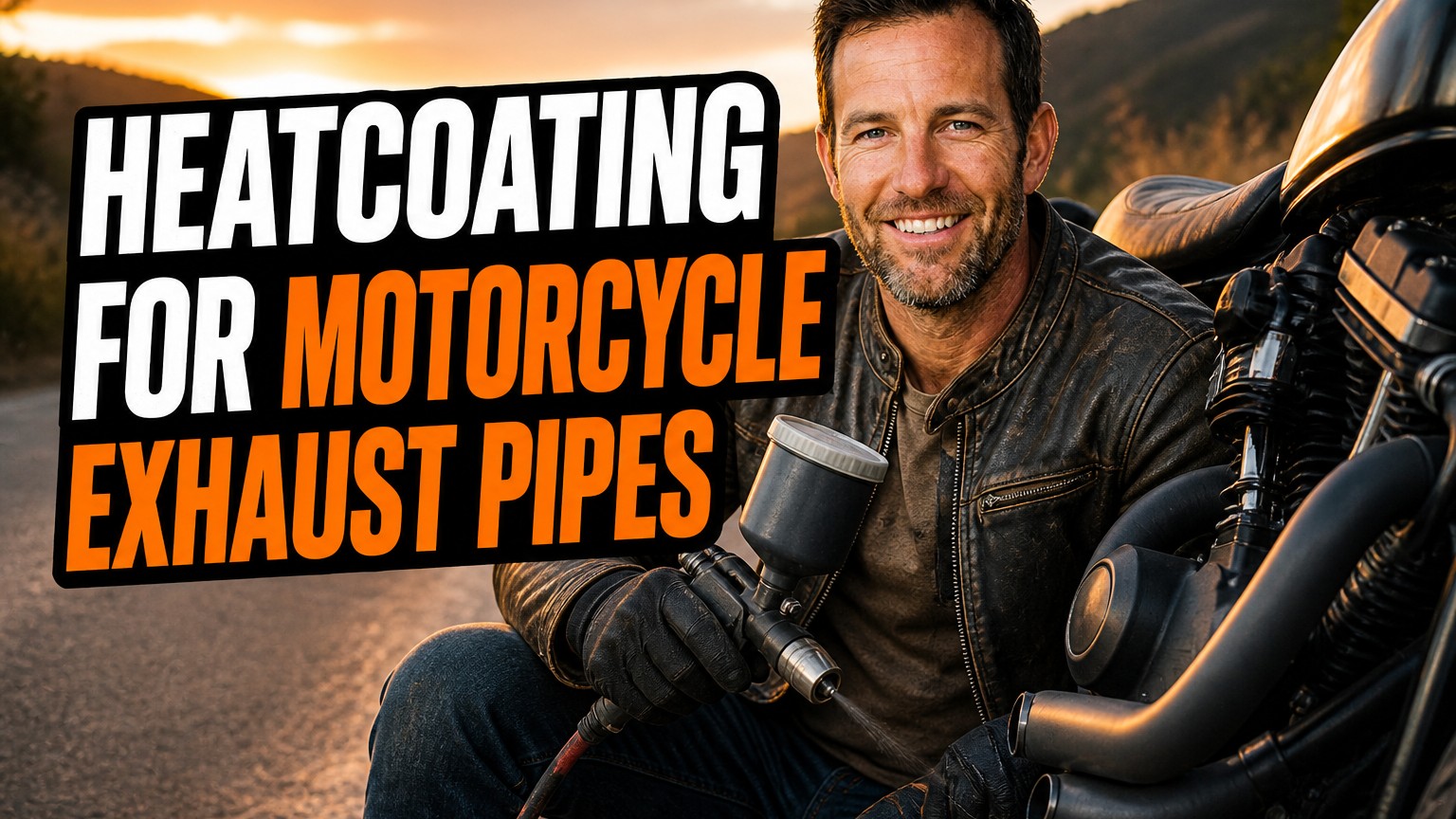
I’ve been through more rusty, blued and flaking exhaust pipes than I’d like to admit. Nothing makes an otherwise clean bike look tired faster than a header that has gone brown, patchy or peeled. Over the years I’ve tried everything from cheap hardware-store cans to pro-applied ceramic finishes.
In this guide I’m sharing the six coatings I’d actually trust on my own pipes. I’ll cover what each one handles well, where it falls short, and how to get the best result. Whether you ride a café racer, a scrambler or a cruiser, there’s something here for you.
- Cerakote C-Series is my pick for the most durable, professional-grade finish.
- VHT Flameproof is the best DIY option for real header temperatures.
- Rust-Oleum High Heat Ultra is the budget choice that still performs.
- Prep and curing matter more than the brand on the can, so don’t skip them.
How I Chose These Coatings
I judged each product on four things: maximum temperature rating, adhesion over time, finish quality, and how forgiving it is to apply. A coating that looks great for a month but flakes after a rainy commute isn’t worth your weekend.
I also considered the type of pipe. Stainless, mild steel and titanium all behave differently, and a header near the engine sees far higher temperatures than a muffler end cap.
Why Temperature Ratings Matter
Exhaust header temperatures on a motorcycle can easily pass 1,000°F under load. Near the exhaust port they can climb even higher on a hard ride. A coating rated for only 500°F will discolor and burn off quickly on those sections.
That’s why I always match the rating to the part. Headers need serious heat resistance, while mufflers and heat shields are more forgiving.
1. Cerakote C-Series — Best Overall for Durability
If I want a finish to last for years, Cerakote C-Series is where I go. It’s a thin-film ceramic coating applied by certified installers and baked on. It’s built specifically for exhaust systems and handles repeated heat cycling very well.
What I Like About It
The Cerakote C-Series film is only about 0.001 inch thick. It doesn’t add bulk or change fitment on slip-on joints. It resists chemicals, moisture and road grime far better than any rattle can I’ve used.
The color range is huge, from satin black to bronze, graphite and bright tones. It also helps keep the pipe from bluing, which is a common complaint with stainless headers.
What to Watch Out For
It isn’t a casual DIY job, since proper application involves blasting and oven curing. Expect to pay roughly $150 to $400 or more depending on the pipe set and shop. I think it’s worth every dollar on a bike I plan to keep.
2. VHT Flameproof Coating — Best DIY Ceramic-Style Coating
When I want a pro-looking result without sending pipes away, I reach for VHT Flameproof. It’s a ceramic-based aerosol rated up to around 2,000°F, and it comes in flat black, satin black, aluminum, and other colors.
Why It Works for Me
VHT Flameproof lays down smoothly and is easy to apply in light, even coats. The ceramic content gives it genuine resistance to heat and rust, and the finish holds its color better than basic enamels.
A can usually costs around $15 to $25, which makes it fantastic value. I’ve used it on a set of header pipes and a muffler can, and both held up through a full riding season.
Application Tips
Follow the curing schedule on the can. That typically means air drying, then a series of heat cycles on the engine or in an oven. Skip this and you’ll get soft, scratchy paint.
Clean the pipe thoroughly with brake cleaner or acetone first. Fingerprints are enough to cause adhesion problems.
3. Rust-Oleum High Heat Ultra — Best Budget Option
Not everyone wants to spend big, and I get that. Rust-Oleum High Heat Ultra is a very accessible spray paint rated for up to 2,000°F on its label. It’s often available for under $12 a can at hardware stores.
Where It Shines
Rust-Oleum High Heat Ultra is simple to find and dries quickly. The finish is a clean, even flat or satin black that suits most bikes. It’s also good over lightly rusted surfaces when properly prepped.
I’ve used it on project bikes, scramblers and old Hondas where a budget fix made sense. It looks great for the price.
The Trade-Offs
It’s not as hard or chemical resistant as ceramic coatings. Fuel spills and harsh cleaners can mark it. Expect to refresh it every year or two on a daily rider.
4. Jet-Hot Sprayable Ceramic Coating — Best for Heat Management
Jet-Hot has a long reputation in racing and performance circles. Their ceramic coatings are known for reducing radiant heat as well as protecting the metal. For riders who want cooler pipes near their legs, this one is interesting.
My Experience With Thermal Barrier Coatings
A Jet-Hot coating acts as a thermal barrier, keeping more heat inside the pipe. That can help reduce under-seat or leg heat. On bikes with tight fairings, I’ve noticed that makes riding in traffic more comfortable.
It’s applied by the company or authorized shops, so it’s more like Cerakote in cost and process. Pricing varies a lot depending on parts, so I’d always request a quote first.
Who Should Choose It
I recommend Jet-Hot to riders with performance builds or hot-running bikes. If you only want a nice-looking black finish, it may be more than you need.
5. POR-15 High Heat Paint — Best for Tough, Rust-Prone Pipes
Mild steel pipes rust quickly, especially if you ride in wet weather. POR-15 High Heat Paint is built to bond well and resist corrosion, which makes it a great option for older steel exhausts.
Strengths
POR-15 High Heat Paint has a reputation for hard, durable films. It’s well suited to mufflers, brackets and pipes where rust has already started. Pair it with their rust prep products for the best results.
It comes in a brush-on or spray format depending on the product line. Check the exact temperature rating on the product you buy, since it’s meant for hot parts but isn’t a header-specific ceramic.
Limitations
Prep is more involved, and the product can be less forgiving to apply than a simple spray can. I’d use it on mufflers and mid-pipes before I’d put it on a hot header.
6. Dupli-Color Ceramic Engine Paint — Best for Cooler Exhaust Components
Dupli-Color Ceramic Engine Paint is a popular enamel for engine parts. It’s rated for around 500°F, so I wouldn’t use it on headers. But it’s an excellent choice for brackets, heat shields, and the cooler sections of a muffler.
Why I Still Recommend It
The Dupli-Color Ceramic Engine Paint range offers great color matching and a glossy, rich finish. I like to use it on areas that need to look sharp but don’t get extremely hot.
It’s also easy to find and cheap. Just be honest about the temperature limits and use the right product on the right part.
How to Get the Best Results From Any Coating
I’ve learned that technique decides how long a coating lasts. A $25 can applied well will beat a premium coating applied badly. Here’s the process I follow.
Prep Is Everything
- Remove the exhaust from the bike if possible.
- Strip old paint and rust by media blasting or sanding.
- Degrease with acetone or brake cleaner and avoid touching the surface.
- Mask threads, mounting points and sensor bungs.
Apply Thin, Even Coats
Several light coats are better than one heavy coat. Thick layers can sag, crack or stay soft. Follow the flash time on the label between coats.
Cure It Properly
Curing is the step most riders skip, and it’s the reason many coatings fail. Follow the manufacturer’s heat cycle exactly. Don’t just fire up the bike and go for a long ride.
Don’t Forget the Engine Itself
A new exhaust finish looks fantastic, but hot pipes can also be a sign of an engine running too lean or too hot. While you’re doing exhaust work, it’s a smart time to check your oil and fluids.
If you’re not sure which product to use, I found this guide to the best motor oil for 4 stroke motorcycle engines helpful. You can also compare the top engine oil for 4 stroke motorcycle options before your next change.
Riders in warmer climates face higher heat loads, so oil choice matters even more. This overview of the best engine oil for 4 stroke motorcycle in india covers hot-weather conditions well.
Still unsure? Read what is the best engine oil for 4 stroke motorcycle or the broader roundup of the best engine oil for motorcycle riders can choose from.
Spray Paint vs. Ceramic Coating: Which Should You Pick?
This is the question I get asked most. The answer depends on your budget, your pipe material and how long you plan to keep the bike.
Choose a Spray Coating If
- You want a low-cost, quick weekend project.
- You don’t mind redoing it every year or two.
- Your bike is a project or a casual rider.
Choose a Professional Ceramic Coating If
- You want long-term durability and color stability.
- You ride in all weather and clean the bike often.
- You want to reduce heat or prevent bluing on stainless pipes.
Common Mistakes I See (and Have Made)
The biggest mistake is using a paint that isn’t rated for exhaust heat. The second is poor prep. The third is skipping the cure.
I’ve also made the mistake of coating pipes while still installed on the bike. Overspray ended up on the engine, and the coating peeled around the clamps. Take the time to remove the system.
Cleaning Coated Pipes
Use mild soap and water, and avoid harsh degreasers on spray-applied finishes. Never scrub with abrasive pads. A gentle wash keeps the coating looking fresh for much longer.
Final Thoughts
If I had to pick one coating for a bike I love, it would be Cerakote C-Series for its durability and clean look. For a hands-on project, VHT Flameproof is my go-to. And when the budget is tight, Rust-Oleum High Heat Ultra does a surprisingly good job.
Whichever you choose, put your effort into prep and curing. Do those well and your exhaust will look sharp for seasons. Happy riding, and enjoy that fresh finish.
Frequently Asked Questions
What is the best heat coating for motorcycle exhaust pipes?
For long-term durability, Cerakote C-Series (professionally applied) is my top pick. For a DIY job, VHT Flameproof is the best balance of heat resistance, finish quality and price.
Can I use regular high heat spray paint on a motorcycle exhaust?
Only if it is rated for the temperatures your pipes see. Many headers run well above 500°F, so look for coatings rated at 1,200°F or higher, such as Rust-Oleum High Heat Ultra or VHT Flameproof, and always cure them properly.
Do I need to remove the exhaust before coating it?
Yes, I strongly recommend it. Removing the exhaust lets you clean, sandblast or scuff, and cure the coating evenly. Coating it on the bike usually leads to poor adhesion and peeling.
How long does a heat coating on an exhaust last?
A DIY spray coating typically lasts one to three years with good prep and curing. Professionally applied ceramic coatings like Cerakote or Jet-Hot can last many years with normal riding and cleaning.

Related Articles
7 Best Batteries for Motorcycles I’ve Tested and Trust in 2026
I've tested dozens of motorcycle batteries to find the best performers. From AGM to lithium, here are my top picks…
Jake Miller
15 min read

The Perfect Battery for Your Harley Davidson Softail: A Rider’s Complete Guide
Discover the perfect battery for your Harley Davidson Softail. I've tested multiple options and share real-world performance data, maintenance tips,…
Jake Miller
14 min read

The Best Battery for Your Harley Davidson: My Complete Guide After Years of Testing
Discover which battery truly performs best for Harley Davidson motorcycles. Real rider experience with AGM, lithium, and OEM options to…
Jake Miller
12 min read